Integrating Natural Fertilizers for Soil Preparation in Home Gardens
Preparing a Thriving Garden Using Natural Fertilizers
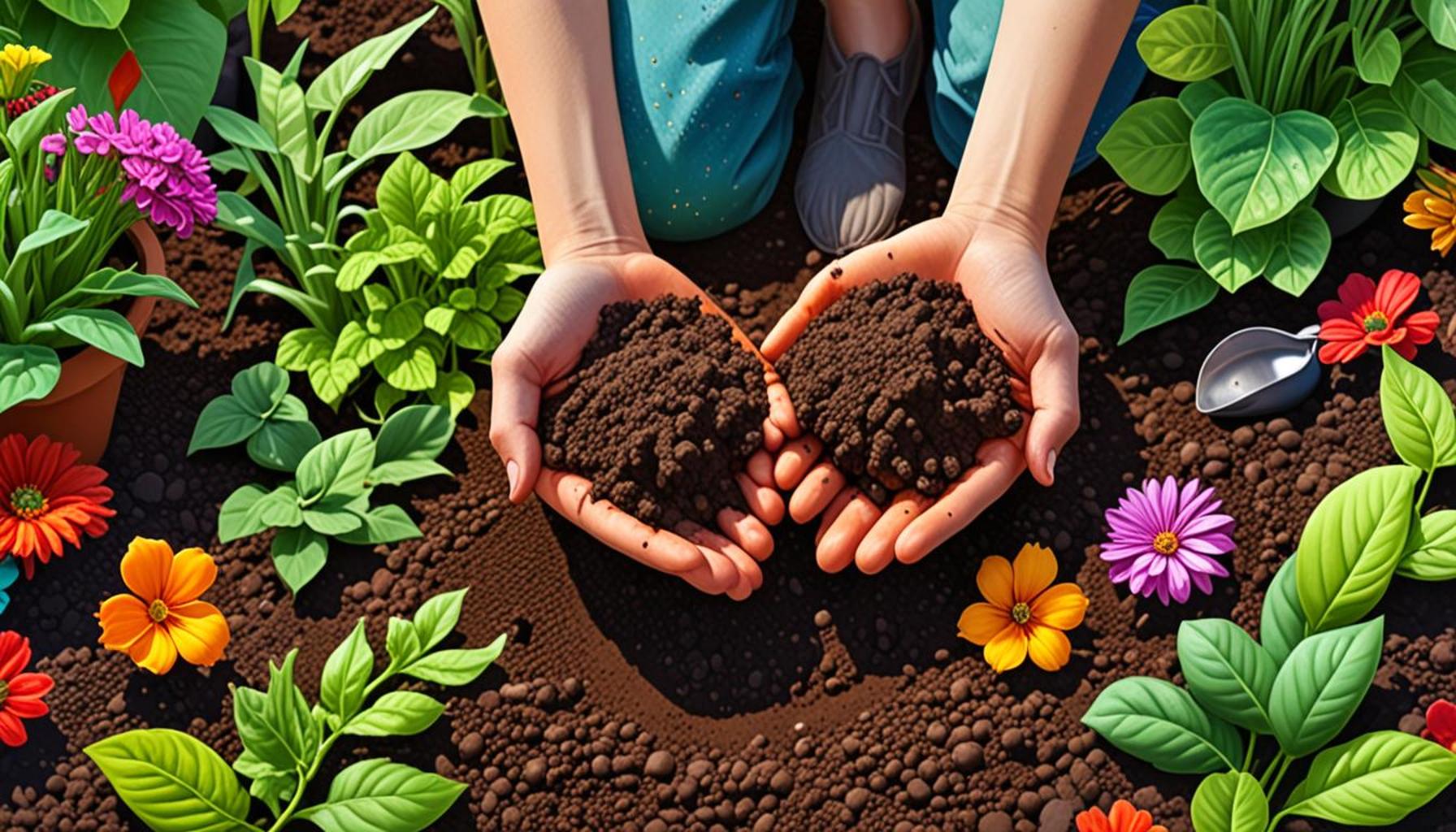
Creating a lush, vibrant home garden starts with the foundation—the soil. Natural fertilizers play an indispensable role in enriching this foundation, promoting healthy plant growth while also being eco-friendly. With a growing awareness of sustainable gardening practices, many gardeners across the United States are recognizing the numerous benefits of integrating these organic options into their gardening routines.
Natural fertilizers offer a variety of benefits that distinguish them from synthetic alternatives:
- Enhance Soil Health: Natural fertilizers improve soil structure, aeration, and moisture retention, allowing roots to access more water and nutrients. For instance, adding compost to your soil can create a crumbly texture, which helps air and water circulate efficiently.
- Provide Essential Nutrients: Unlike chemical fertilizers that often lead to nutrient spikes, natural fertilizers release nutrients slowly over time, ensuring continuous nourishment for plants. This slow-release mechanism can be crucial for crops like tomatoes and peppers that require sustained nutrition throughout their growing season.
- Encourage Microbial Activity: Natural fertilizers are a boon for soil biodiversity. They promote beneficial microorganisms such as earthworms and bacteria, which enhance soil fertility. This can be incredibly beneficial, particularly in regions with depleted soils, such as parts of the Midwest where intensive farming has taken a toll.
Common types of natural fertilizers include:
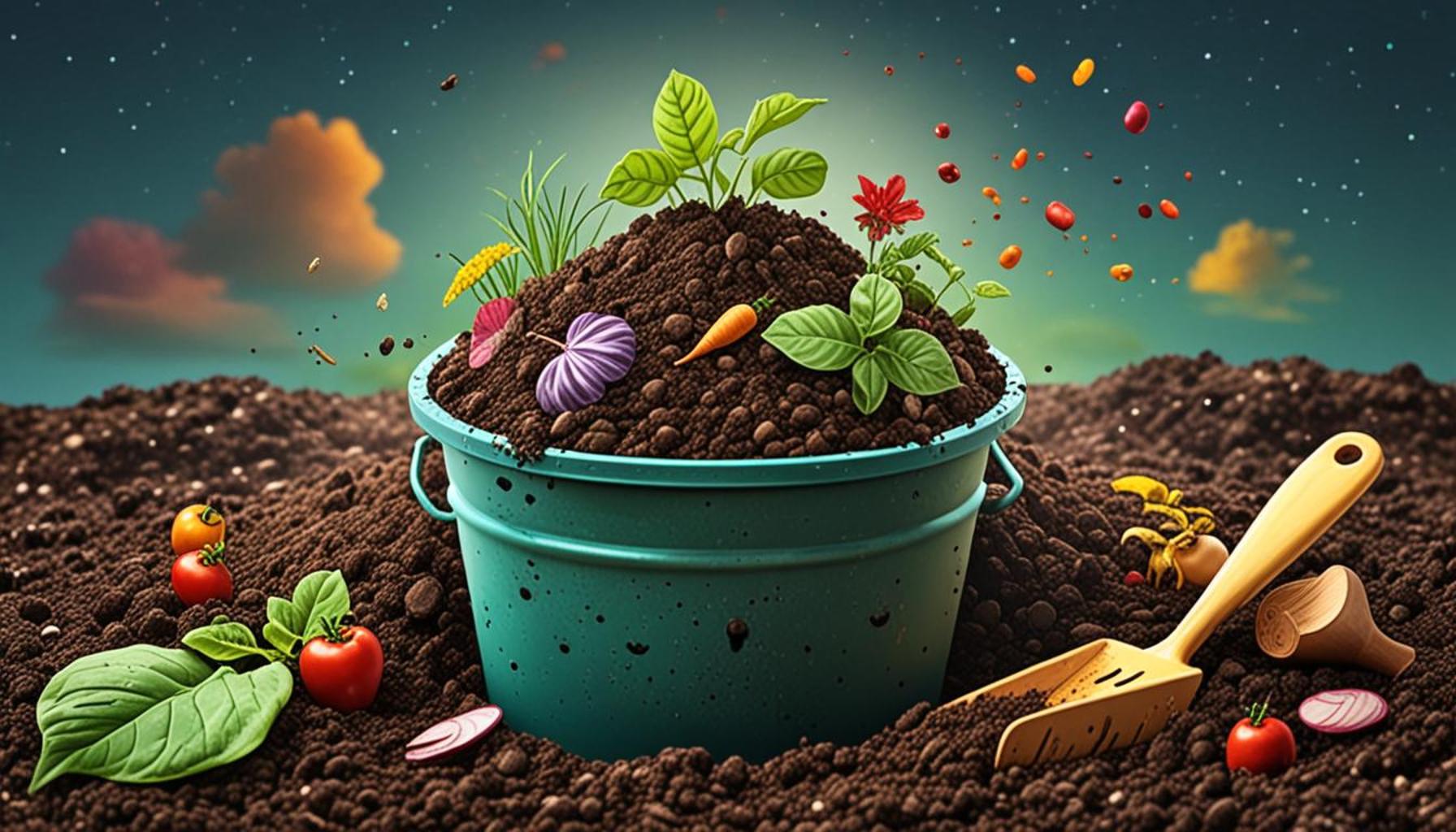
- Compost: A rich blend of decomposed organic matter that can be made from kitchen scraps and yard waste.
- Manure: Animal manure, particularly from cows or chickens, acts as an excellent nutrient source but should be well-composted to avoid burning plants.
- Bone Meal: A slow-releasing phosphorus source great for promoting root development and flowering.
- Seaweed Extract: This liquid fertilizer is rich in trace minerals and helps plants to better withstand stress.
- Vermicompost: Produced by worms, this highly nutritious organic matter enhances both soil structure and nutrient availability.
Incorporating these materials into soil preparation fosters a thriving ecosystem. By utilizing natural fertilizers, gardeners not only support robust plant growth but also enhance the overall biodiversity of their gardens, encouraging beneficial insects and pollinators that contribute to ecological balance.
As you explore the vast world of natural fertilizers, you’ll encounter numerous methods of integration that can be tailored to suit any gardening style. From backyard composting—where you can collect leftover vegetable scraps and yard waste to create your own nutrient-rich compost—to selecting the right organic amendments based on soil tests, every decision on this journey adds to sustainability. Engaging with local gardening communities or attending workshops on organic practices can deepen your understanding and expand your network.
Ultimately, by choosing natural fertilizers, you not only contribute to a healthier garden but also join a larger movement geared toward environmentally responsible gardening. As trends show, more gardeners are opting for sustainable practices that yield not just stunning gardens but also a healthier planet. Dive deeper, explore your options, and transform your garden into a sanctuary of both beauty and productivity.
DISCOVER MORE: Click here for essential tips on creating a pest-resistant garden
Understanding the Role of Natural Fertilizers in Soil Preparation
When it comes to establishing a productive home garden, understanding the fundamental role of natural fertilizers is crucial. These organic inputs not only nourish the soil but also create an environment conducive to healthy and flourishing plants. To maximize the benefits of using natural fertilizers, it is essential to understand their properties and how they can be applied effectively.
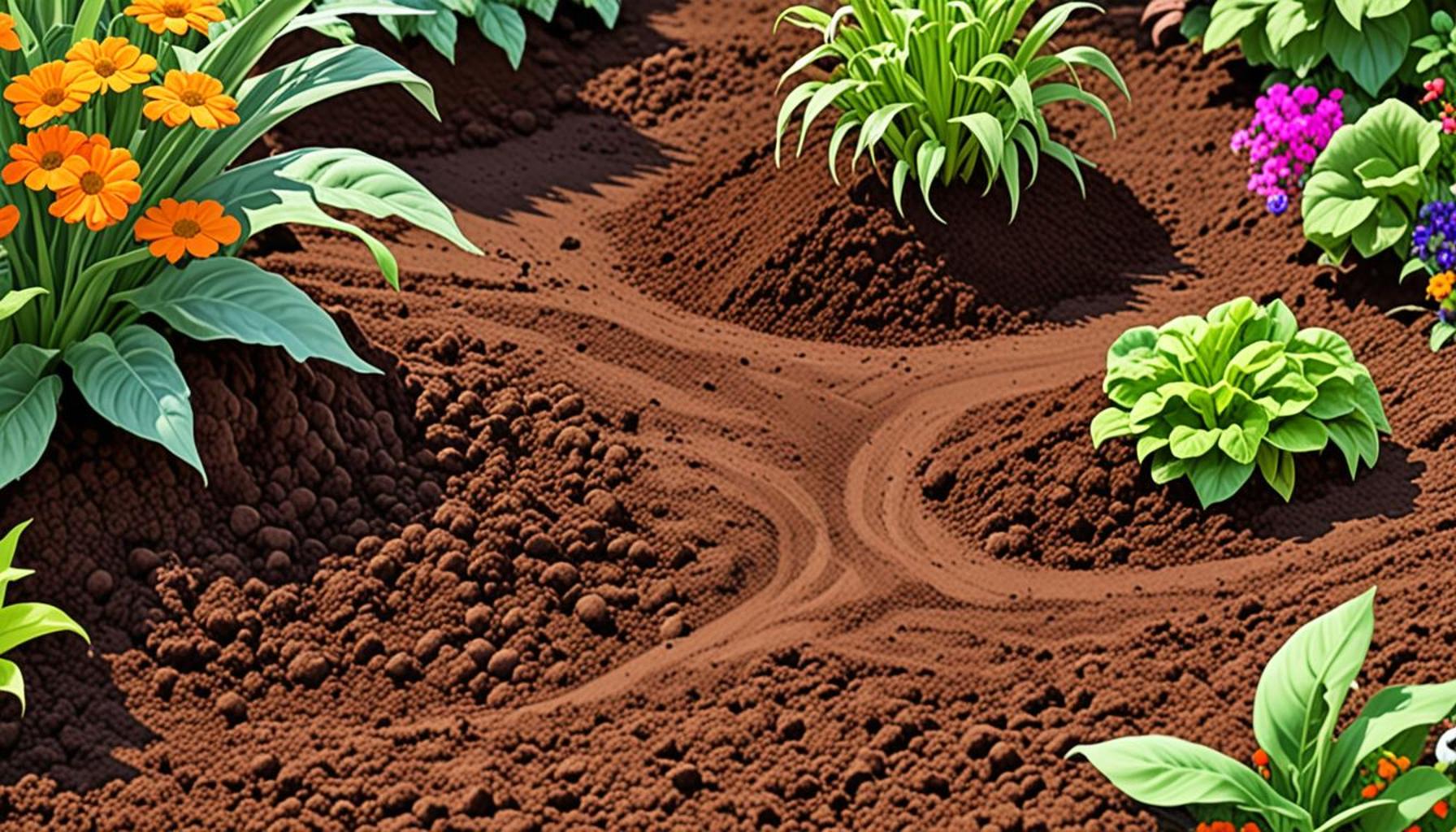
Natural fertilizers contribute to soil preparation in several key ways. First, they work to amend soil composition. Depending on your soil’s initial conditions, you may find yourself dealing with sandy, clayey, or loamy textures. Incorporating natural fertilizers, like compost or well-rotted manure, can improve soil texture, allowing for better air circulation and water retention. For instance, gardeners in areas with heavy clay soil, such as those found in parts of the Midwest, often struggle to manage drainage. By adding organic matter like compost, they can significantly enhance the soil quality and promote healthier plant roots.
Moreover, the consistent release of nutrients from natural fertilizers supports long-term soil fertility. Unlike their synthetic counterparts, which may lead to quick nutrient spikes followed by deficiencies, organic fertilizers excel in releasing nutrients gradually. This gradual release is particularly beneficial for plants with longer growth cycles, such as perennials and some fruit-bearing plants that prosper from continuous nutrient availability throughout the growing season.
Choosing the Right Natural Fertilizers
Gardening enthusiasts have a wide array of natural fertilizer options available to them, each providing unique benefits. A few of the most popular choices include:
- Compost: An excellent all-purpose fertilizer, compost can be created from kitchen scraps—like vegetable peels and coffee grounds—as well as yard waste such as grass clippings and leaves. It enriches the soil with essential nutrients and improves moisture retention.
- Animal Manure: When sourced correctly and adequately composted, animal manure from livestock like cows or chickens can offer substantial amounts of nitrogen, phosphorus, and potassium—key nutrients for plant growth.
- Bone Meal: Particularly beneficial for promoting root development and flowering, bone meal is a slow-releasing source of phosphorus that can empower plants like tomatoes and peppers.
- Seaweed Extract: Full of trace minerals, seaweed extract not only aids in nutrient absorption but also helps plants withstand environmental stressors, making it especially useful in coastal or drought-prone areas.
- Vermicompost: This nutrient-dense product created by worms enhances soil structure and nutrient availability, making it an ideal choice for container gardens or small-scale plots.
As you navigate the world of organic gardening, it’s important to consider not just the type but also the timing and method of application for these natural fertilizers. Seasonal adjustments, such as applying compost in the fall or using bone meal during the planting phase, can align nutrient availability with plant needs. Understanding how to tailor your approach based on plant selection and localized climate considerations will ultimately lead to a thriving garden.
By embracing the potential of natural fertilizers for soil preparation, gardeners can contribute to enhancing biodiversity while enjoying the aesthetic and health benefits of their plants. As we explore further, we will uncover effective techniques and best practices for integrating these organic materials into your garden routine.
Integrating natural fertilizers into your home garden soil preparation is a sustainable practice that not only enhances the soil’s health but also contributes to a more eco-friendly approach to gardening. By focusing on natural options such as compost, manure, and green manures, gardeners can improve soil fertility and structure while minimizing the reliance on chemical fertilizers.One significant advantage of using natural fertilizers is their ability to enhance soil microbial activity. This is crucial for creating a thriving ecosystem in your garden. The presence of beneficial microorganisms in natural fertilizers helps in breaking down organic matter, releasing nutrients that are essential for plant growth. Consequently, this leads to stronger, more resilient plants that can better withstand pests and diseases.Moreover, natural fertilizers improve soil structure, promoting better air and water infiltration. This is particularly beneficial in home gardens, where the compacted soil can hinder root development. Organic materials like compost contribute to better soil tilth, allowing roots to grow more freely and absorb nutrients more efficiently.In conjunction with these benefits, incorporating natural fertilizers can also be cost-effective. Many gardeners create their own compost at home using kitchen scraps and yard waste, reducing the need to purchase expensive store-bought fertilizers. This not only saves money but also minimizes waste.Thus, by integrating natural fertilizers, gardeners can create a sustainable and productive gardening environment that supports healthy ecosystems, saves on costs, and promotes the overall well-being of both plants and soil. The combination of these benefits makes a compelling case for any home gardener to consider the transition to natural soil preparation methods.
| Advantages | Details |
|---|---|
| Enhances Soil Microbial Activity | Natural fertilizers promote beneficial microorganisms that break down organic matter. |
| Improves Soil Structure | Helps in air and water infiltration, leading to healthier root growth. |
| Cost-Effective | Homemade compost reduces the need for expensive fertilizers and minimizes waste. |
DISCOVER MORE: Click here to learn about common garden pests
Best Practices for Integrating Natural Fertilizers
Integrating natural fertilizers into your home garden requires a thoughtful approach to ensure that their benefits are maximized. By adhering to best practices, you can facilitate the development of a thriving garden ecosystem while enhancing soil quality and plant vitality.
One of the first steps in this integration process is to conduct a soil test. This simple yet effective measure will provide valuable insights into the current nutrient composition and pH levels of your soil. Most agricultural extension offices offer testing services at a nominal fee. Understanding these metrics allows you to tailor your fertilizer choices and application rates accordingly. For example, if your soil test indicates a deficiency in nitrogen, you might opt for nitrogen-rich natural fertilizers like chicken manure or blood meal to adequately address the imbalance.
Next, timing plays a vital role in successfully incorporating natural fertilizers. Certain fertilizers are best added during specific stages of plant growth. For instance, incorporating compost into the soil in the fall will allow it to break down and enrich the ground before planting in spring, while bone meal should be incorporated into the planting hole at the time of sowing to encourage robust root development. Furthermore, some high-nitrogen fertilizers, like fresh manure, should be composted before application to prevent the risk of burning plant roots.
Application Techniques for Success
The method of application can significantly impact the efficacy of natural fertilizers. There are various techniques that gardeners can employ:
- Top-Dressing: This involves spreading a layer of compost or organic fertilizer on the soil surface around plants. It is particularly effective for established gardens, providing an ongoing source of nutrients as it breaks down over time.
- Incorporation: Mixing natural fertilizers directly into the soil before planting ensures that nutrients are available to young roots. This technique can be used with many fertilizers, including bone meal and compost.
- Liquid Fertilizers: Products like fish emulsion or seaweed extract can be diluted in water and used as a liquid feed, providing a quick nutrient boost to plants during the growing season. This method is especially beneficial for container gardens where nutrient levels can fluctuate more rapidly.
A key aspect of maintaining a healthy relationship with your soil is to avoid over-fertilization. The temptation to apply more than necessary can sometimes lead to adverse effects, including nutrient runoff and soil degradation. If in doubt, start with smaller amounts and gradually increase based on your plants’ responses. Monitoring plant health and adjusting accordingly creates a cycle of feedback that maximizes fertilizer effectiveness.
Additionally, it is crucial to diversify the types of natural fertilizers you use. This approach not only helps address a broader range of nutrient needs but also supports soil microbiome health. Utilizing a combination of compost, plant-based fertilizers, and animal manures will bolster the availability of macro and micronutrients that various plants require. This blending of resources mirrors natural ecosystems, where nutritional diversity plays an essential role in supporting plant growth and resilience.
As the seasons change, observing your garden’s response to your fertilization practices will provide insights. Growth patterns, leaf color, and flowering success are all indicators of the effectiveness of your soil preparation techniques. With careful observation and a willingness to adapt, integrating natural fertilizers can lead to a bountiful and sustainable home garden.
DISCOVER MORE: Click here to learn about beneficial insects for your garden
Concluding Thoughts on Natural Fertilizers in Home Gardens
As we have explored the myriad ways to successfully integrate natural fertilizers into your home garden, it becomes clear that this practice not only enriches your soil but also contributes to a more sustainable gardening ecosystem. The journey begins with a comprehensive soil test, ensuring you are equipped with the necessary knowledge to make informed choices about the nutrients your garden truly needs. From timing your applications to using various techniques such as top-dressing and liquid fertilizers, each method holds the potential to benefit your plants significantly.
Establishing a routine that involves careful monitoring of plant health and a willingness to adapt your fertilization practices will create a flourishing environment. By avoiding the pitfalls of over-fertilization and embracing a diverse array of natural fertilizers, you promote not just growth, but a thriving microbial community within your soil, pivotal for long-term health. As the seasons progress, your attentive observations will serve as a guide, allowing you to refine your approach continuously.
Ultimately, integrating natural fertilizers into your home garden transforms not just your plants but also your relationship with the land. By cultivating a deeper understanding of your soil and its needs, you not only achieve a bountiful harvest but also contribute to a more ecological balance in your neighborhood. Whether you’re an experienced gardener or just starting, this sustainable practice paves the way for abundant, healthy gardens that benefit both gardeners and the environment.