Menu

How Soil and Climate Influence Irrigation Techniques at Home

Understanding the relationship between soil quality and climate conditions is essential for optimizing irrigation techniques at home. By tailoring watering strategies based on soil types and local climate, homeowners can enhance plant health, conserve water, and create sustainable gardening practices that thrive amid changing environmental conditions.

How to Create an Efficient Indoor Plant Irrigation Schedule

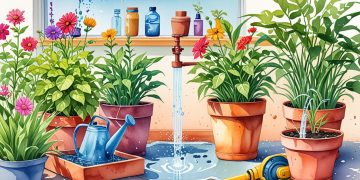
Establishing an effective indoor plant irrigation schedule is essential for healthy growth. Understanding plant types, environmental factors, and seasonal changes helps tailor watering routines. Regular monitoring, soil moisture assessment, and utilizing techniques like deep watering enhance hydration strategies. Embrace adaptability for a thriving indoor garden year-round.

Smart Irrigation: Tools and Methods to Facilitate Plant Care

Explore the transformative potential of smart irrigation, utilizing advanced tools and technologies like soil moisture sensors and automated systems to optimize plant care. This approach enhances water efficiency, reduces waste, and promotes sustainable gardening practices, ensuring healthy plants while conserving precious water resources. Embrace innovation for a greener future.

The Art of Irrigation: Essential Techniques for Gardening Beginners

Effective irrigation techniques are essential for gardening beginners to promote plant growth and sustainability. From drip irrigation to soaker hoses, understanding methods for water conservation and plant needs ensures a thriving garden. Embrace innovative tools and seasonal adjustments to cultivate healthy plants while conserving resources efficiently.

Irrigation Strategies for Succulent Plants: Maintaining Ideal Moisture without Excess

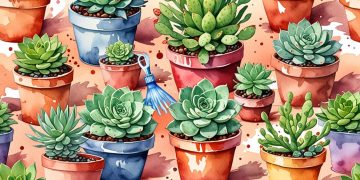
Discover effective irrigation strategies for succulent plants to maintain optimal moisture levels without excess. This guide emphasizes the importance of soil type, watering frequency, environmental influences, and advanced techniques. Tailoring your approach ensures healthy, thriving succulents while minimizing the risks of overwatering and root rot.

Drainage and Moisture: Irrigation Strategies for Different Soil Types

Effective soil and water management are essential for agriculture, as different soil types significantly influence drainage and moisture retention. Tailored irrigation strategies, such as drip and surface irrigation, enhance crop yields while promoting sustainable practices. Understanding these relationships prepares farmers to address challenges posed by climate change and varying soil conditions.

Use of Mulching to Reduce Watering Needs: Tips for Beginners

Mulching is a crucial technique for beginners seeking to enhance garden sustainability by reducing watering needs. It improves water retention, suppresses weeds, and regulates soil temperature, promoting healthy plant growth. Choosing the right materials and applying effective techniques maximizes these benefits, creating a thriving garden with minimal water reliance.

The Art of Watering: Essential Techniques for Gardening Beginners

Mastering effective watering techniques is essential for gardening beginners. Understanding watering frequency, timing, and methods such as drip irrigation and rainwater harvesting enables novice gardeners to enhance plant health and ensure sustainable growth. This foundational skill fosters a vibrant garden and deepens your connection with nature.

Sustainable Irrigation Methods: How to Use Rainwater in Your Garden

Explore the benefits of sustainable irrigation methods by harnessing rainwater in your garden. This eco-friendly practice not only reduces water bills and reliance on municipal systems but also promotes healthier plants. Techniques like rain barrels, cisterns, and permeable landscaping create a flourishing, resilient garden while conserving vital resources.

Irrigation Techniques with Distilled Water: Advantages for Sensitive Plants

Discover the benefits of using distilled water for sensitive plants. It ensures purity, balances pH levels, and reduces disease risk, enhancing irrigation techniques. Employ advanced methods like drip irrigation and aeroponics to optimize plant health and growth, fostering a sustainable gardening approach tailored for delicate species.