Drip Irrigation: The Efficient Solution for Small Space Gardens
Unlocking the Potential of Small Space Gardening
In the quest for sustainable living, drip irrigation has emerged as a game-changer for small space gardens. This innovative method focuses on delivering water directly to the roots of plants, ensuring maximum efficiency and minimal waste. By implementing a system that minimizes evaporation and runoff, urban gardeners can maximize their yields while conserving precious water resources.
Why consider drip irrigation for your garden? Here are some compelling benefits that make it an attractive option for anyone looking to cultivate their green space:
- Water Efficiency: Drip irrigation uses up to 50% less water compared to traditional methods. According to the Environmental Protection Agency (EPA), about 30% of residential water use is dedicated to outdoor irrigation. Switching to a drip system can drastically reduce this wastage, which is particularly important in areas affected by drought.
- Targeted Delivery: Water is released slowly and directly to the plant’s root zone. This not only ensures better absorption but also improves plant health by reducing the frequency of watering. For example, tomato plants, which thrive with consistent moisture, benefit greatly from this precise watering method.
- Reduced Weeds: Drip irrigation promotes a healthier garden environment by minimizing water in areas not directly served by the system. Providing moisture exclusively to your plants means less competition from weeds, allowing your crops to flourish.
Furthermore, this technique is particularly advantageous for urban gardeners with limited space. A well-planned drip irrigation setup can transform various small gardening environments:
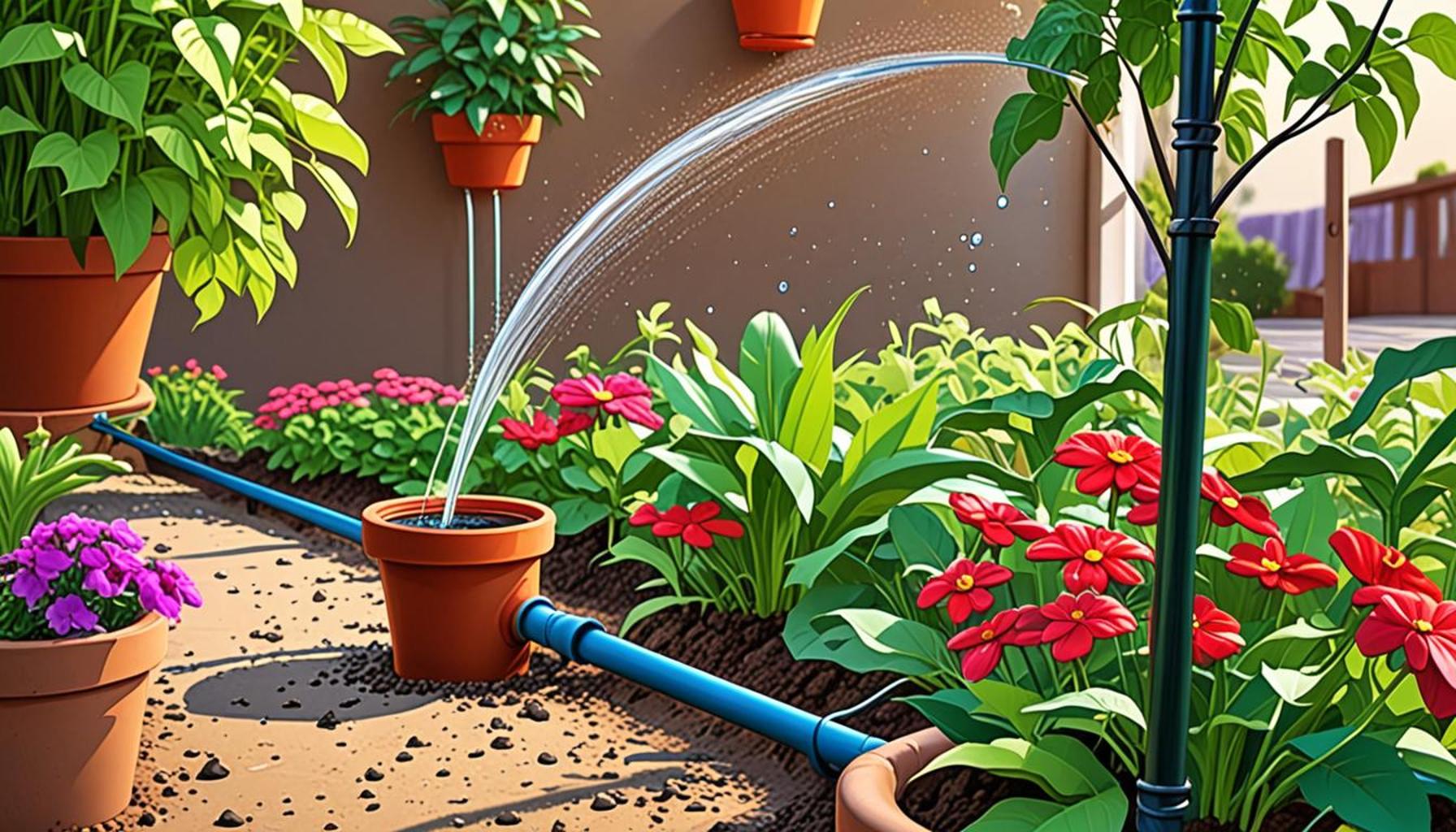
- Balconies: Use drip lines in containers to create an effortless watering system for your potted herbs and vegetables, ensuring they receive consistent moisture without manual labor.
- Patios: Drip systems can easily be adapted to cover hanging plants or vertical gardens, maximizing the use of vertical space while minimizing the need for excessive watering.
- Raised beds: Elevating your planting area allows better drainage, and with drip irrigation, the plants can receive uniform watering tailored to their specific needs.
As climate concerns continue to rise, efficient watering solutions like drip irrigation play a critical role in creating sustainable urban green spaces. Not only does it support healthy plant growth, but it also contributes to eco-friendly gardening practices by conserving water, reducing labor, and promoting organic gardening when coupled with mulch and compost.
Stay with us as we explore the ins and outs of drip irrigation, making it an indispensable ally for any small gardener eager to optimize their green thumb. In the upcoming sections, we will delve into the practical aspects of designing and setting up your own drip irrigation system, ensuring you are well-equipped to turn your small space into a flourishing oasis.
DIVE DEEPER: Click here to learn more
Understanding Drip Irrigation Systems
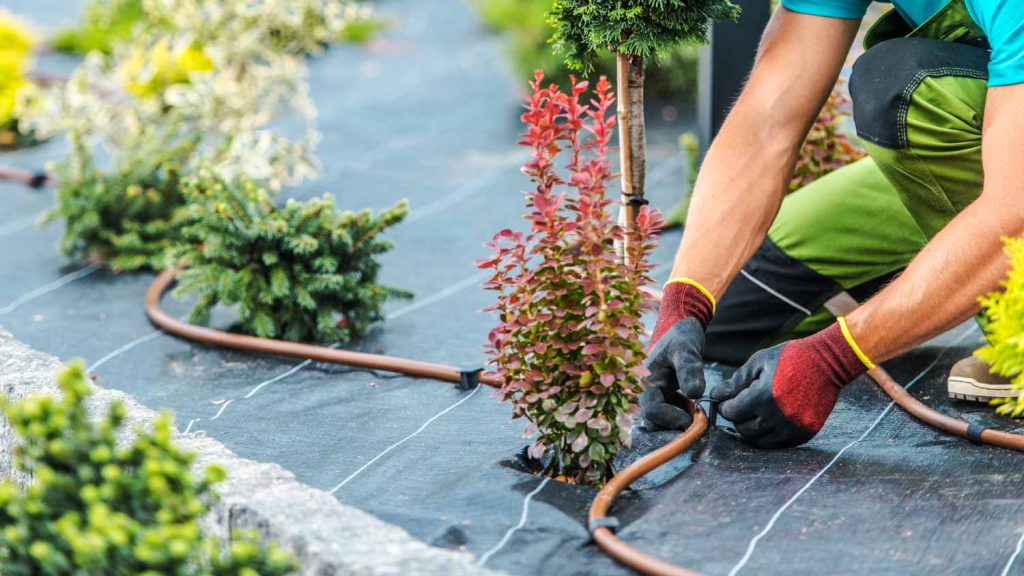
At the heart of the drip irrigation revolution lies its straightforward yet effective design. These systems consist of a network of tubes, pipes, and emitters that work together to deliver water directly to the soil around a plant’s roots. Unlike traditional methods where water is dispersed over a large area, drip irrigation focuses on efficiency, proving that sometimes less is indeed more. By providing water precisely where it is needed, these systems encourage healthier plant growth while utilizing far fewer resources than conventional irrigation methods.
To get started with a drip irrigation system, it’s essential to understand the core components involved:
- Emitter: The emitter is a small device that releases water at a slow rate. Depending on your garden’s needs, you can choose emitters with varying flow rates, giving you control over precisely how much moisture each plant receives.
- Drip Tubing: This is the backbone of the system, delivering water from the main supply to various emitters. It comes in different diameters, allowing you to tailor the system to suit your garden’s specific layout.
- Filtration Unit: A clean water supply is crucial for the longevity of a drip irrigation system. Installing a filtration unit helps to remove sediments and impurities, preventing clogging in your emitters.
- Pressure Regulator: Since drip irrigation operates effectively at lower pressures, a regulator ensures that water is dispensed evenly and consistently, regardless of fluctuations in water pressure from your main supply.
Setting up a drip irrigation system in a small space garden is not as daunting as it may seem. With the right planning, you can easily install a system tailored to your plants’ needs. A typical installation involves determining the layout of your garden, selecting the appropriate components, and assembling them to create a cohesive network that delivers water efficiently.
The benefits of implementing drip irrigation extend beyond mere water savings; they also promote a more sustainable gardening approach. For instance, minimizing water runoff not only conserves this precious resource but also helps mitigate erosion, a common challenge in small gardens. Furthermore, by reducing the frequency and volume of watering, gardeners save time and labor, allowing more opportunity to enjoy their space rather than manage it.
Urban dwellers, in particular, will appreciate that drip irrigation systems are fully customizable. Whether you’re working with repurposed bottle gardens or planter boxes on the balcony, you can scale your irrigation system to fit any space, no matter how confined. Slowly but surely, your garden can thrive with less fuss, leading to less stress and more productivity.
The appeal of drip irrigation lies not only in its efficiency but also in its adaptability. As we continue to explore this efficient solution for small space gardens, we will delve deeper into the practical steps and best practices for designing a system that meets your unique gardening needs.
Understanding Drip Irrigation for Optimal Gardening
Drip irrigation is revolutionizing how we approach gardening, particularly in small spaces. Instead of traditional watering methods that waste valuable resources, drip irrigation systems deliver water directly to the roots of plants, minimizing evaporation and runoff. This method is not just about efficiency; it also promotes healthier plants by ensuring consistent moisture levels.
How Drip Irrigation Works
Drip irrigation systems consist of a network of tubing, emitters, and connectors that distribute water efficiently. The system can be easily customized based on the garden’s layout, allowing for targeted watering strategies. By installing pressure regulators and filters, gardeners can guarantee that their plants receive water in a controlled and effective manner.
Advantages of Drip Irrigation
The advantages of adopting drip irrigation in small space gardens are numerous:1. Water Conservation: Drip irrigation can save up to 50% more water compared to conventional methods. For gardens with limited water supply, this is an essential feature. 2. Reduced Weeds: When water is delivered directly to the plants, surrounding weeds receive little moisture, reducing their growth and competition for resources.3. Disease Prevention: By minimizing water on leaves and surrounding soil, the risk of fungal diseases is significantly lowered, leading to healthier plant growth.4. Flexibility and Customization: Whether you are planting tomatoes, herbs, or flowers, drip irrigation systems can be tailored to meet the specific needs of different plants.5. Time Efficiency: With automated timers, drip irrigation requires minimal maintenance and ensures plants are consistently watered, even when the gardener is away.As small space gardening continues to gain traction, adopting efficient solutions like drip irrigation will undoubtedly lead to healthier gardens and reduced water consumption. Embracing this method opens the door to exploring various types of plants, maximizing productivity in limited areas.
| Advantages | Details |
|---|---|
| Water Conservation | Delivers water directly to roots, substantially reducing waste. |
| Disease Reduction | Minimizes water on leaves, lowering fungus risk and promoting health. |
The introduction of drip irrigation not only optimizes water usage but also enhances the potential of small space gardens, making it an indispensable asset for modern gardeners.
DISCOVER MORE: Click here to learn about soil drainage and aeration
The Advantages of Drip Irrigation in Small Space Gardens
As cities expand and spaces for gardening continue to shrink, drip irrigation systems stand out as a vital solution for those looking to maximize their green thumb in limited areas. The advantages of implementing these systems go beyond water conservation; they are designed to foster a healthier growing environment, making them indispensable for small space gardeners.
One of the most compelling benefits of drip irrigation is its ability to reduce weed growth. Traditional watering methods often promote surface moisture, which can lead to the germination of weeds. By delivering water directly to the root zone, drip irrigation minimizes excess moisture in the surrounding soil, effectively starving weeds of the hydration they need to thrive. This not only means less time spent weeding but also reduces competition for nutrients in the soil, allowing your precious plants to flourish.
Furthermore, this efficient irrigation method can lead to increased yields. Research shows that plants receiving consistent moisture through drip systems grow more robust and produce higher quality fruits and vegetables. For urban gardeners cultivating limited space, this means every square foot counts. Implementing a drip irrigation system can turn a small garden into a fruitful harvest, delivering freshness right from your backyard or balcony to your dinner table.
- Temperature Regulation: Maintaining optimal soil moisture helps regulate soil temperature, providing a favorable environment for root development. This is crucial, especially during a hot summer in the United States, where temperatures can impede plant growth.
- Pathogen Prevention: Overhead watering often leaves foliage damp, creating conditions conducive to fungal diseases. Drip irrigation eliminates this risk by keeping leaves dry, significantly reducing the chance of plant pathogens taking hold.
- Water Efficiency: On average, drip irrigation systems can save up to 30-50% more water compared to traditional methods. This is a remarkable statistic that appeals to environmentally-conscious gardeners who want to reduce their carbon footprint.
Another noteworthy aspect is the potential integration of automated technology. Gardeners can pair drip irrigation with timers and moisture sensors, allowing for smart watering schedules that accommodate plant needs and weather conditions efficiently. This level of technology can be especially appealing to busy urbanites who may not always have the time to check moisture levels daily. By automating their irrigation, they free themselves from the daily grind, allowing them to enjoy their green spaces with ease.
The versatility of drip irrigation systems is not limited to traditional garden beds. They can be installed in creative locations such as vertical gardens, container gardens, and even hydroponic systems. This adaptability paves the way for aspiring gardeners in urban settings to experiment with diverse plantings. For instance, balcony planters can benefit from a drip system that supplies water consistently without the risk of over- or under-watering, ensuring that your tomatoes and herbs thrive even in a limited soil volume.
Moreover, understanding the environmental challenges faced in various regions across the United States—from drought-prone areas to regions with heavy rainfall—makes drip irrigation a practical choice. By employing this method, gardeners not only cater to their immediate needs but also contribute to the broader goal of sustainable resource management.
Drip irrigation systems empower small space gardeners with an innovative approach that is as beneficial for the planet as it is for their gardens. With a wide range of benefits directly influencing plant health, resource management, and gardening convenience, it’s no surprise that more gardeners are turning to this modern solution.
DISCOVER MORE: Click here to learn how to water your indoor plants efficiently
Conclusion: Reap the Benefits of Drip Irrigation for Your Small Space Garden
In conclusion, drip irrigation presents an invaluable opportunity for urban gardeners looking to maximize their yield while conserving vital resources. The efficiency of these systems lies not just in their ability to deliver water directly to plant roots, but also in their role in minimizing weed growth and preventing moisture-related diseases. By ensuring that plants receive a consistent supply of water at the right temperature, gardeners can cultivate robust crops and vibrant gardens even in the smallest of spaces.
The integration of modern technology, such as timers and moisture sensors, enhances the practicality of drip irrigation, allowing busy individuals to maintain their gardens effortlessly. For those confined to balconies, terraces, or limited garden plots, these systems offer a flexible solution that adapts to various gardening styles, turning any nook into a potential green oasis.
Moreover, by utilizing drip irrigation, gardeners are not only addressing their personal agricultural needs but also contributing to the sustainable management of water resources, which is increasingly vital in areas prone to climate extremes. As awareness surrounding water conservation continues to grow, implementing such efficient practices will become not just beneficial, but essential for future generations of gardeners.
As you embark on or continue your gardening journey, consider drip irrigation as a practical and innovative solution that can transform your small space garden. The promise of healthier plants and higher yields awaits those who invest in this advanced method of irrigation.