Menu

Exploring Soil Microbiology: The Hidden Helpers in Your Garden

Discover the vital role of soil microorganisms in gardening. These hidden helpers improve soil health, enhance nutrient cycling, and support plant resilience, fostering a balanced ecosystem. By nurturing microbial diversity through sustainable practices, gardeners can create thriving landscapes that benefit both plants and the environment.

Creating a Soil Amendment Recipe: Tailoring Your Soil for Specific Plants

Learn how to enhance your garden's health by creating tailored soil amendment recipes. Discover the unique needs of different plants, from nutrient requirements to soil structure, and explore effective mixing techniques that boost growth and vitality. Transform your gardening experience by optimizing soil for specific plants through customization.

Using Raised Beds for Optimal Soil Preparation in Small Spaces

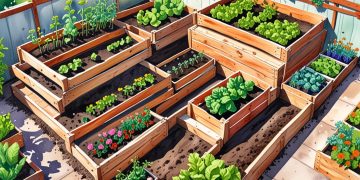
Raised beds maximize small gardening spaces by improving soil quality and drainage while providing accessibility for gardeners. Tailored soil preparation techniques foster healthy plants, enhance yields, and promote efficient use of limited areas. Incorporating vertical gardening strategies further optimizes space, creating a thriving oasis in urban environments.

The Role of Mulching in Soil Preparation for Sustainable Gardening

Mulching is essential for sustainable gardening, enhancing soil health by retaining moisture, suppressing weeds, and regulating temperature. It enriches soil with organic matter, fosters biodiversity, and reduces the need for chemical interventions. Embracing diverse mulching techniques promotes a resilient garden ecosystem while contributing positively to environmental sustainability.

Cover Crops: A Simple Guide to Improving Soil Fertility

Cover crops are essential for enhancing soil fertility in sustainable agriculture. These plants improve nutrient profiles, prevent erosion, and support biodiversity. By integrating cover crops into farming practices, farmers can bolster soil health, increase crop yields, and contribute to long-term environmental sustainability. Embracing this approach is crucial for future agricultural resilience.

Understanding Soil Structure: The Foundation for Healthy Gardening

Soil structure is essential for thriving gardens, influencing plant health, moisture retention, and nutrient availability. By improving soil composition through amendments, crop rotation, and mindful gardening practices, gardeners can create a robust ecosystem that supports vibrant growth and sustainable gardening techniques. Embrace soil health for maximum gardening success.

Building Healthy Soil: The Benefits of Composting for Beginners

Composting enriches soil and promotes a sustainable garden by transforming organic waste into nutrient-rich resources. It offers benefits like improved plant health, reduced landfill waste, and lower gardening costs, making it an accessible option for beginners eager to foster environmental stewardship and healthy ecosystems. Start your composting journey today!

Incorporating Biochar into Soil Preparation for Enhanced Plant Growth

Biochar is an innovative soil amendment that enhances soil health and plant growth. Its benefits include improved water retention, nutrient availability, and microbial activity, making it ideal for sustainable agriculture. As a long-term investment, incorporating biochar promotes ecological resilience while boosting crop yields.

How to Create a Soil Preparation Schedule for Year-Round Gardening Success

Discover essential strategies for creating a soil preparation schedule that ensures year-round gardening success. Understand soil composition, seasonal amendments, and advanced techniques like crop rotation and companion planting. With proper timing and consistent monitoring, optimize soil health for vibrant plants and abundant harvests throughout the seasons.

Integrating Natural Fertilizers for Soil Preparation in Home Gardens

Integrating natural fertilizers into home gardens enhances soil preparation, improves plant growth, and fosters a thriving ecosystem. By choosing options like compost, manure, and bone meal, gardeners can boost soil health, promote microbial activity, and create sustainable gardening practices that benefit both plants and the environment.