
How to Take Advantage of Sunlight in Every Season for Seasonal Planting
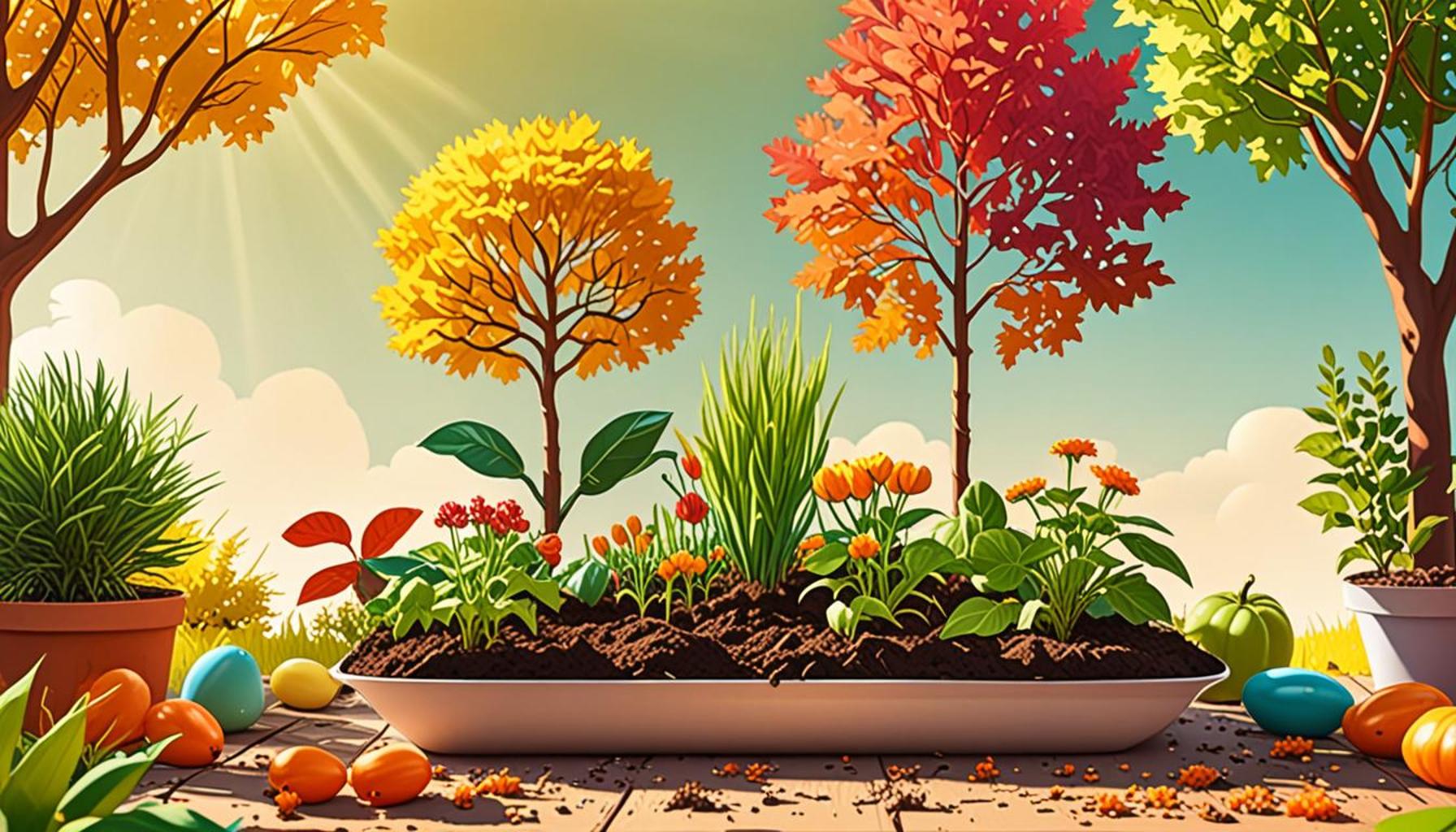
Understanding the Role of Sunlight in Seasonal Gardening
Sunlight is the lifeblood of your garden. It not only fuels the vibrant growth of plants but also dictates the rhythm of gardening activities throughout the year. By grasping how to harness and optimize sunlight, you can significantly improve your gardening experience and outcomes. This guide will unpack key strategies for utilizing natural light effectively in each season, revealing the ways it can enhance your gardening success.
Why is sunlight so critical for seasonal planting? The role sunlight plays in the life cycle of plants cannot be overstated. Here are several essential points to consider:
- Photosynthesis: At the core of plant growth, photosynthesis is the process by which plants convert light energy into chemical energy. This transformation enables plants to produce the carbohydrates they need to grow, thrive, and produce flowers or fruits. In the United States, species like tomatoes and peppers require ample sunlight to produce high yields, illustrating the importance of light in crop production.
- Seasonal Adaptation: Different plants have unique light requirements. For example, while some vegetables like kale can thrive in lower light conditions during the colder months, others such as zucchini prefer intense sunlight. Understanding these adaptations can help gardeners select the right varieties for each season.
- Maximizing Yield: Effective sunlight management is crucial for maximizing the productivity of your garden. Applying proper techniques, including crop rotation and companion planting, can exploit varying sunlight conditions to boost the overall yield of your garden.
Each season introduces distinct challenges and opportunities concerning sunlight. In spring, as the days grow longer and warmer, plants begin to actively photosynthesize, leading to vigorous growth. However, early spring can sometimes bring unexpected frost, so gardeners may need to protect tender seedlings with covers to retain heat while allowing sunlight to penetrate.
During summer, the intensity of sunlight poses its own challenges. Excessive heat can lead to scorched leaves, so providing shade for more delicate plants or ensuring adequate watering can help mitigate stress. This is also the prime time for ensuring that sun-loving plants like sunflowers and cucumbers are properly spaced to avoid competition for light.
In the fall, light decreases once again, but it’s a season ripe for harvest. Many crops like squash and pumpkins reach their peak, and understanding how to maximize their exposure to the waning sunlight can yield better results.
As winter sets in, strategic placement of plants becomes crucial. Raised beds can be oriented to catch as much sunlight as possible, and using reflective surfaces can amplify available light for indoor seedlings. Even during the colder months, certain hardy varieties like winter greens can thrive with just enough light.
In this article, we will dive deeper into:
- Season-specific planting strategies that cater to the unique demands of each part of the year
- Choosing plants based not only on their aesthetic appeal but also their specific sunlight requirements to enhance growth
- Techniques for maximizing sun exposure, including tips on planting positions and the use of reflective mulches
By the end of our exploration, you will unlock the secrets of effectively harnessing sunlight. As you implement these strategies, your garden will flourish, providing you with a vibrant and bountiful landscape throughout the seasons.
DIVE DEEPER: Click here to discover aromatic varieties for your garden</
Season-Specific Planting Strategies for Sunlight Utilization
To maximize the benefits of sunlight in your seasonal gardening, it is essential to develop targeted strategies for each time of the year. By understanding the specific light conditions and temperature shifts that characterize spring, summer, fall, and winter, you can make informed decisions about what to plant and how to care for your garden. Let’s explore each season and discover how to leverage sunlight effectively.
Spring: Harnessing Longer Days for Robust Growth
As the world shakes off winter, spring presents a remarkable opportunity for gardeners to revive their plots. With increasing daylight hours, plants begin their vigorous growth phase, but it’s crucial to be mindful of those erratic early spring frosts. Here are some strategies to consider:
- Start Indoors: Begin planting seedlings indoors under grow lights to give them a head start before transferring them outdoors. This method not only protects young plants from frost but also ensures they have the necessary light to develop strong roots and leaves.
- Use Row Covers: Protect delicate plants with lightweight row covers that allow sunlight to penetrate while providing a barrier against frost. This creates a mini-greenhouse effect, keeping young plants warm on chilly nights.
- Prioritize Sunlight Exposure: Position your garden beds or containers in a way that maximizes morning sunlight, which can help warm the soil and enhance seed germination. Plants such as lettuce and spinach flourish in cooler temperatures but still need that vital early sunlight for optimal growth.
Summer: Managing Intensity and Heat
When summer arrives, the sun is in full force, offering maximum light but also presenting challenges related to heat stress. Many gardeners may need to adapt their practices to ensure their plants thrive amidst these intense conditions. Here are some techniques to apply during the summer months:
- Partial Shade Options: Consider incorporating plants that thrive in partial shade alongside those that love full sunshine. By doing so, you can create a microclimate that provides relief from the harsh sun while still maximizing overall garden yields.
- Water Wisely: Increase your watering schedule, particularly during the hottest parts of the day. Watering early in the morning or later in the evening can help minimize evaporation and ensure your plants benefit from consistent moisture levels throughout the heat.
- Implement Mulching: Use reflective mulches or organic materials to retain soil moisture and keep root systems cool. This not only aids in temperature regulation but also reflects sunlight back into your plants, ensuring they receive adequate light for photosynthesis.
Fall: Maximizing the Harvest with Decreasing Light
As daylight begins to wane during fall, gardeners should prepare for harvesting while also making sure crops receive adequate exposure to the precious light that remains. This can be a particularly productive time when managed correctly. Consider these strategies:
- Harvest Timing: Time your harvests to coincide with peak sunlight days, as this can enhance the flavors and sweetness of crops like carrots, beets, and sweet potatoes.
- Row Orientation: Orient your rows from north to south, allowing for maximum sun exposure. This arrangement helps ensure that all plants can receive direct sunlight to the greatest extent possible.
- Fall Protection: Employ season extenders like cold frames or cloches, as these will trap sunlight and provide warmth to late-season crops, allowing them to mature longer into the colder months.
With the right approaches, gardeners can optimize their seasonal planting strategies to take full advantage of sunlight year-round. Stay tuned as we explore winter techniques to keep your garden flourishing, regardless of the season.
| Advantage | Details |
|---|---|
| Seasonal Adaptation | Understanding the sun’s path through different seasons allows you to optimize planting times for maximum growth. |
| Increased Yields | Utilizing sunlight properly can lead to higher crop yields and healthier plants, harnessing energy for photosynthesis. |
| Energy Efficiency | Sunlight is a sustainable resource that reduces reliance on artificial lighting, lowering costs and promoting eco-friendly practices. |
| Enhanced Plant Health | Adequate sunlight exposure improves plant resilience against diseases and pests, ensuring robust growth throughout the seasons. |
Understanding how to maximize sunlight can transform your gardening practices. By assessing the type of plants suited for various light conditions, you can ensure a vibrant and productive garden year-round. Observing the sun’s behavior across different seasons helps you recognize which areas of your garden receive optimal light, allowing for the strategic placement of plants. Implementing these simple strategies can lead to abundant harvests and a flourishing environment right outside your door.
DIVE DEEPER: Click here to learn about mulching’s impact
Winter: Harnessing Available Light for Edible Greens
Winter is often seen as a dormant period for gardening, but with careful planning, it can also be a season of productivity, particularly for those who leverage the reduced yet still valuable sunlight. Understanding how to optimize light exposure and protect crops from cold will enable dedicated gardeners to cultivate a winter garden worth celebrating. Here are some innovative techniques:
Indoors and Outdoors: Flexible Planting Options
- Grow Lights: Consider supplementing natural light with grow lights in your indoor garden. These artificial lights can extend the growing season for herbs and leafy greens by providing adequate light, thus fostering strong growth and productivity even in the depths of winter.
- Cold Frames and Greenhouses: Utilize cold frames or small greenhouses to create a controlled environment. These structures allow sunlight to warm the interior while protecting your plants from frost and harsh winds. Even on the coldest days, the solar gain can provide a comfortable environment for crops such as arugula, spinach, and Swiss chard.
Maximizing Sunlight: Position and Arrangement
The arrangement of your garden is crucial in winter gardening. Here’s how to position your crops for maximum benefit:
- Elevated Beds: Build elevated garden beds which not only improve drainage but also catch more sunlight than ground-level options. This elevation can lead to warmer soil temperatures, stimulating growth even when outdoor temps are low.
- Strategic Planting: Plant your winter crops based on the sun’s arc. Place taller plants on the south side of your garden to avoid shading shorter plants, ensuring that they all receive adequate sunlight throughout the day.
Choosing the Right Crops: Cold Hardy Varieties
When it comes to winter gardening, selecting the right vegetables is paramount. Here are some great choices that thrive with limited light:
- Hardy Greens: Plants such as kale, mustard greens, and collards not only tolerate cold but can also be harvested throughout the winter months, providing vital nutrients when fresh produce becomes scarce.
- Roots Crops: Vegetables like carrots and parsnips can be left in the ground during winter and harvested as needed, expanding both your harvest window and your utilization of sunlight during the short winter days.
Making Use of Reflective Surfaces
Another creative technique to maximize sunlight exposure in your winter garden is to utilize reflective surfaces:
- Reflective Mulch: Use reflective mulch or even white plastic as a ground cover. This not only helps in keeping the soil warm but also reflects sunlight onto your plants, enhancing their photosynthesis process.
- Wall Gardens: If you have a south-facing wall, consider trellising climbing plants, which will climb up and take advantage of both the warmth of the wall and the light available for photosynthesis.
Winter may challenge many gardeners, but with innovative approaches geared towards maximizing sunlight, you can turn your garden into a sanctuary of greenery, even in the cold months. By harnessing technology, smart positioning, and the right crop choices, winter gardening can become an enjoyable and fruitful endeavor. These tips will surely help in ensuring that no matter what the season, your garden thrives in the warm embrace of sunlight.
DIVE DEEPER: Click here to uncover more insights
Conclusion: Cultivating Year-Round Success with Sunlight
In summary, taking advantage of sunlight throughout the seasons is not just a savvy gardening choice; it is essential for maximizing seasonal planting initiatives. By understanding the unique light conditions that each season presents, gardeners can implement tailored strategies to optimize growth and yield all year long. From leveraging the gentle rays of winter sunlight to the abundant brightness of summer, the possibilities for cultivating a thriving garden are vast.
Key takeaways include selecting appropriate crops that match the season’s characteristics, like hardy greens in winter or vibrant flowers in spring. Furthermore, employing techniques such as strategic positioning, using reflective surfaces, and enhancing indoor growth with grow lights opens a world of potential for every garden enthusiast. Transparent cold frames and greenhouses not only protect your more tender plants but also create an environment where sunlight can perform its critical role throughout the colder months.
As you venture into your gardening journey, consider exploring local gardening communities or online resources to share insights and discover innovations tailored to your specific climate and region in the United States. Embracing these strategies will not only deepen your connection with nature but also ensure a productive, flourishing garden—one that thrives in the warm embrace of sunlight, no matter the season.

Linda Carter
Linda Carter is a gardening writer and home-growing specialist who helps beginners cultivate thriving home gardens. With extensive experience guiding new gardeners through plant selection and sustainable growing techniques, she shares practical gardening strategies on our platform. Her goal is to empower readers with actionable advice and step-by-step strategies to successfully grow their own food and create beautiful, productive gardens at home.