
The Fintech Revolution: How Startups are Transforming the Payment Market in South Africa
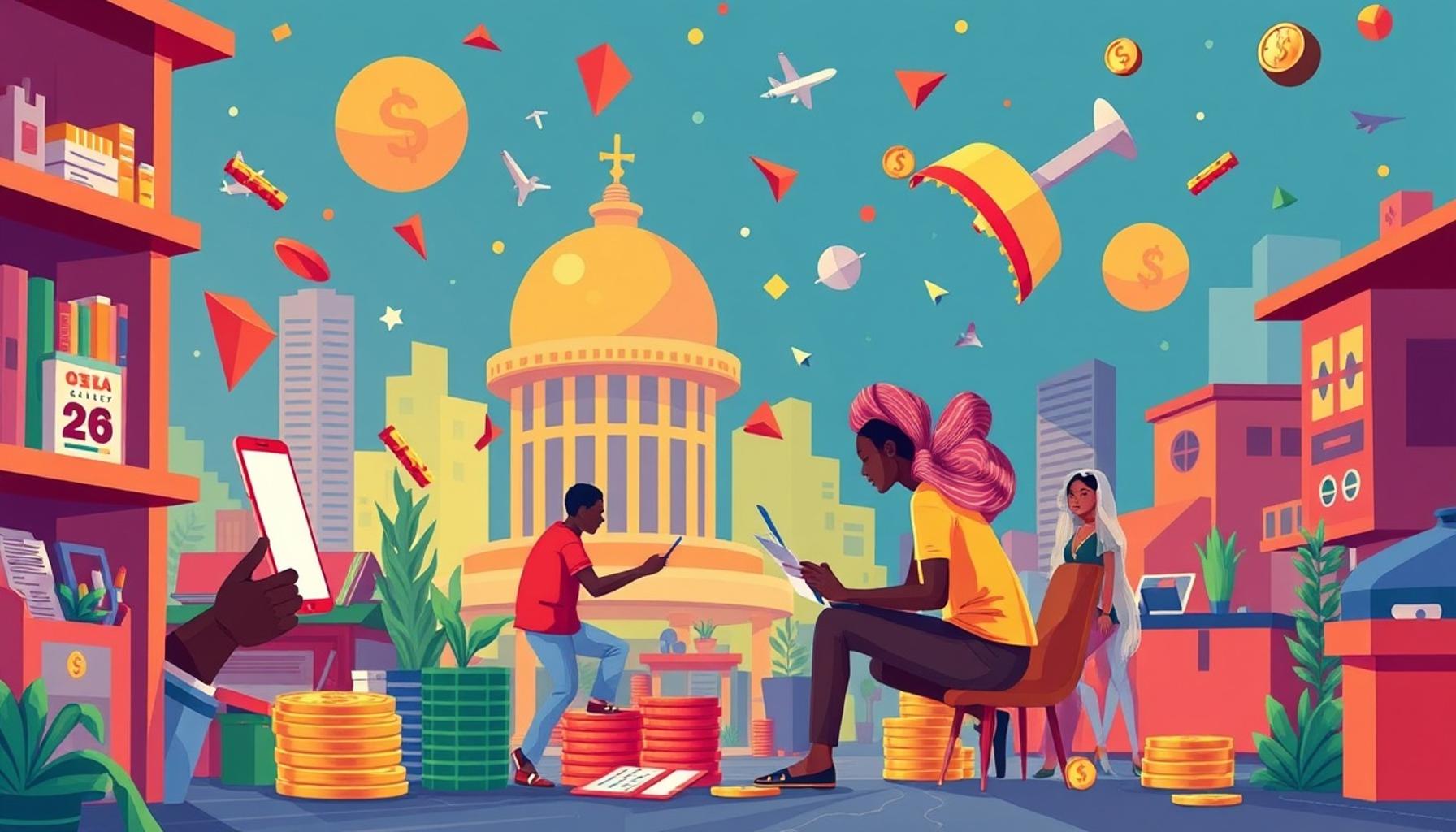
Introduction to Fintech Trends in South Africa
The financial technology (fintech) landscape in South Africa is undergoing a dramatic shift. Emerging startups are not only engaging with traditional banking systems but are also challenging them. Through innovation and technology, they are revolutionizing the way South Africans make payments.
Key factors driving this transformation include:
- Mobile penetration: With a growing number of users accessing the internet via mobile devices, convenient payment solutions are becoming more accessible. In South Africa, mobile subscriptions surpassed the population count years ago, leading to innovative payment methods that cater to a tech-savvy society.
- Digital wallets: Services like SnapScan and Zapper allow users to make instant payments using their smartphones. For example, using SnapScan, a user can scan a QR code at a local coffee shop and complete the transaction in seconds, eliminating the hassle of carrying cash or cards.
- Peer-to-peer transactions: Platforms such as PayFast and Yoco enable seamless money transfers between individuals and businesses. Yoco, which primarily focuses on small businesses, allows merchants to accept card payments quickly without needing an expensive point-of-sale system, making it easier for entrepreneurs to operate efficiently.
- Inclusivity: These startups are focusing on providing financial services to the unbanked population, expanding access to essential financial tools. For instance, companies like Luno and TymeBank are working to give South Africans who may not have traditional bank accounts access to savings, loans, and even cryptocurrency trading.
These innovations are fostering a more dynamic and competitive payment market. As startups take the lead in introducing new technologies, they are encouraging traditional banks to adapt and enhance their services. This creates a win-win situation where consumers benefit from a wider selection of financial products tailored to their needs. For example, banks have started to integrate features such as online opening of accounts and instant loan services into their offerings to keep up with the pace set by fintech companies.
The impact of these changes is significant, with more South Africans gaining access to efficient, user-friendly payment solutions. According to the South African Reserve Bank, the volume of digital transactions has increased significantly over the past few years, reflecting a shift in consumer behavior towards digital solutions. As this movement continues to evolve, understanding its implications is crucial for consumers, businesses, and regulators alike. Consumers must become aware of their options in order to make informed financial decisions while businesses should adapt their strategies to leverage the benefits of these new tools. Additionally, regulators need to ensure that the environment remains safe and secure for all participants involved in this burgeoning fintech ecosystem.
CHECK OUT: Click here to explore more
Understanding the Impact of Fintech Startups on Payments
The rise of fintech startups in South Africa has transformed the payment market significantly. One of the most notable changes is how these startups leverage technology to create more accessible and efficient payment methods. Traditional banks, long considered the backbone of the financial system in South Africa, are increasingly finding themselves in competition with these innovative newcomers. Startups are not just filling gaps left by conventional banks; they are redefining the way South Africans engage with their money.
Central to this transformation is the emphasis on user experience. Fintech solutions prioritize simplicity and convenience, making it easier for consumers to carry out transactions. Many of these platforms have been designed with the mobile user in mind, encouraging usage across a wide demographic, from young professionals to previously unbanked individuals. Let’s explore a few key ways in which fintech startups are reshaping the payment landscape:
- Innovative technologies: Fintech startups are embracing technologies such as blockchain and artificial intelligence (AI) to provide secure and efficient transaction methods. For instance, blockchain technology can streamline cross-border payments, reducing the time and cost involved, which is particularly beneficial for South Africa’s many expatriates sending remittances home.
- Community focus: Many fintech solutions are tailored to meet the specific needs of local communities. For example, through peer-to-peer lending platforms, individuals can borrow money directly from others in their community without undergoing a lengthy traditional bank process. This fosters a sense of local support and promotes financial inclusion.
- Financial education: Startups not only provide financial tools but are also committed to educating users about responsible financial practices. Through apps and online platforms, many fintech companies offer resources on managing money, avoiding debt, and understanding credit scores, empowering users to make informed decisions.
- Adoption of digital currencies: The emergence of cryptocurrencies has also impacted the payment market. Startups like Luno provide access to these digital currencies, allowing users to trade and invest in an alternative financial system. This is particularly appealing to younger South Africans who are keen on exploring new investment opportunities.
The rapid adoption of these innovative payment methods reflects a broader trend towards digitalization and a desire for more adaptable financial solutions. As a result, consumers are more empowered than ever, with choices that were previously unavailable to them. The ability to conduct transactions quickly and safely through a smartphone app has removed traditional barriers, ushering in a wave of financial participation from all corners of society.
This fintech revolution is not just limited to urban areas; it reaches rural regions as well, where traditional banking infrastructure may be lacking. As startups expand their services, they provide essential financial tools to the unbanked, driving economic growth by fostering entrepreneurship in underserved communities. Overall, the payment landscape is becoming more vibrant and dynamic, setting the stage for innovative financial solutions that cater to a diverse population.
SEE ALSO: Click here to read another article
Embracing Inclusivity and Accessibility in Financial Services
As fintech startups continue to flourish in South Africa, one of their most significant contributions lies in their commitment to financial inclusivity. This ethos is crucial in a country where a substantial portion of the population remains unbanked or underbanked, often due to the high costs and complexity associated with traditional banking systems. Fintech solutions are actively addressing these challenges, making financial services more reachable and relevant to diverse communities.
One notable example is the introduction of mobile wallets and payment platforms. Services like SnapScan and Zapper allow users to conduct payments using just their smartphones, eliminating the need for physical cash or bank accounts. These platforms offer a user-friendly interface that does not require extensive tech knowledge, making them suitable for individuals from various backgrounds. This shift towards mobile payments reflects a broader acceptance of technology, especially among younger South Africans who are eager to embrace new financial tools.
Moreover, fintech companies are utilizing agent networks to enhance accessibility. By partnering with local businesses and community members, startups can extend their services into remote areas where traditional banks might not have a presence. For instance, companies like PayFast and Yoco empower entrepreneurs and small business owners to accept electronic payments, enabling them to reach a larger customer base and foster financial independence.
- Micro-lending platforms: Startups such as Capitec and Fincheck provide micro-lending solutions that offer small loans with less stringent requirements than traditional banks. These options not only help individuals manage immediate cash flow issues but also serve to build credit histories for users who have previously struggled to access financial services.
- Financial wellness programs: Many fintech startups are integrating financial wellness offerings into their platforms. Services like MyTreasury provide users with budgeting tools and insights into their spending habits, encouraging better financial management. Such proactive initiatives help users cultivate healthier financial behaviors, ultimately leading to greater economic stability.
- Collaboration with traditional banks: In some cases, fintech startups are not merely competitors but rather collaborators with established banks. By partnering with traditional financial institutions, these startups can access a more comprehensive customer base while banks benefit from the innovative spirit that fintech brings. This collaboration has resulted in hybrid models that deliver enhanced services to customers.
Furthermore, the growth of digital payments has also been significantly influenced by the need for greater security and fraud prevention. Fintech startups are embracing advanced security measures such as biometric authentication, encryption, and machine learning algorithms to protect users’ financial data. This level of security not only builds trust but also reassures users who may have previously hesitated to embrace digital transactions.
The combined efforts of these startups are collectively contributing to a more resilient economy. With increased access to capital and improved financial literacy, communities are beginning to thrive. As the fintech landscape evolves, entrepreneurs are empowered to launch businesses, driving innovation and job creation on a local scale. This shift not only benefits individuals but is also significant for South Africa’s broader economic growth trajectory.
CHECK OUT: Click here to explore more
Conclusion: The Future of Financial Services in South Africa
In wrapping up our exploration of the fintech revolution in South Africa, it is clear that startups are playing a pivotal role in reshaping the payment landscape. By prioritizing financial inclusivity and accessibility, these innovative companies are bridging the gap for millions of unbanked and underbanked individuals, providing them with tools to engage in the economy.
The emergence of mobile payment solutions such as SnapScan and Zapper illustrates how technology can simplify financial transactions, making them more user-friendly. Moreover, partnerships between fintech startups and traditional banks have proven that collaboration, rather than competition, can lead to enhanced financial services and broader reach. This dynamic fosters a spirit of innovation, helping not only consumers but also small businesses thrive in an increasingly digital marketplace.
As we look to the future, it is essential to recognize the ongoing emphasis on security and fraud prevention within these solutions. By leveraging advanced technologies, fintech companies are building a foundation of trust and reliability that is crucial in motivating hesitant users to adopt digital payment methods.
Ultimately, the convergence of fintech innovation, accessibility, and responsible lending practices positions South Africa on a path toward greater economic empowerment. As these startups continue to reshape the financial services landscape, they will undoubtedly facilitate a more robust and resilient economy, empowering individuals and communities alike to forge a brighter financial future.

Linda Carter
Linda Carter is a writer and expert known for producing clear, engaging, and easy-to-understand content. With extensive experience in guiding people as they pursue their goals, she shares valuable insights and practical advice. Her mission is to help readers make informed choices and achieve meaningful progress.