The Influence of Social Media on Political and Social Mobilization in South Africa
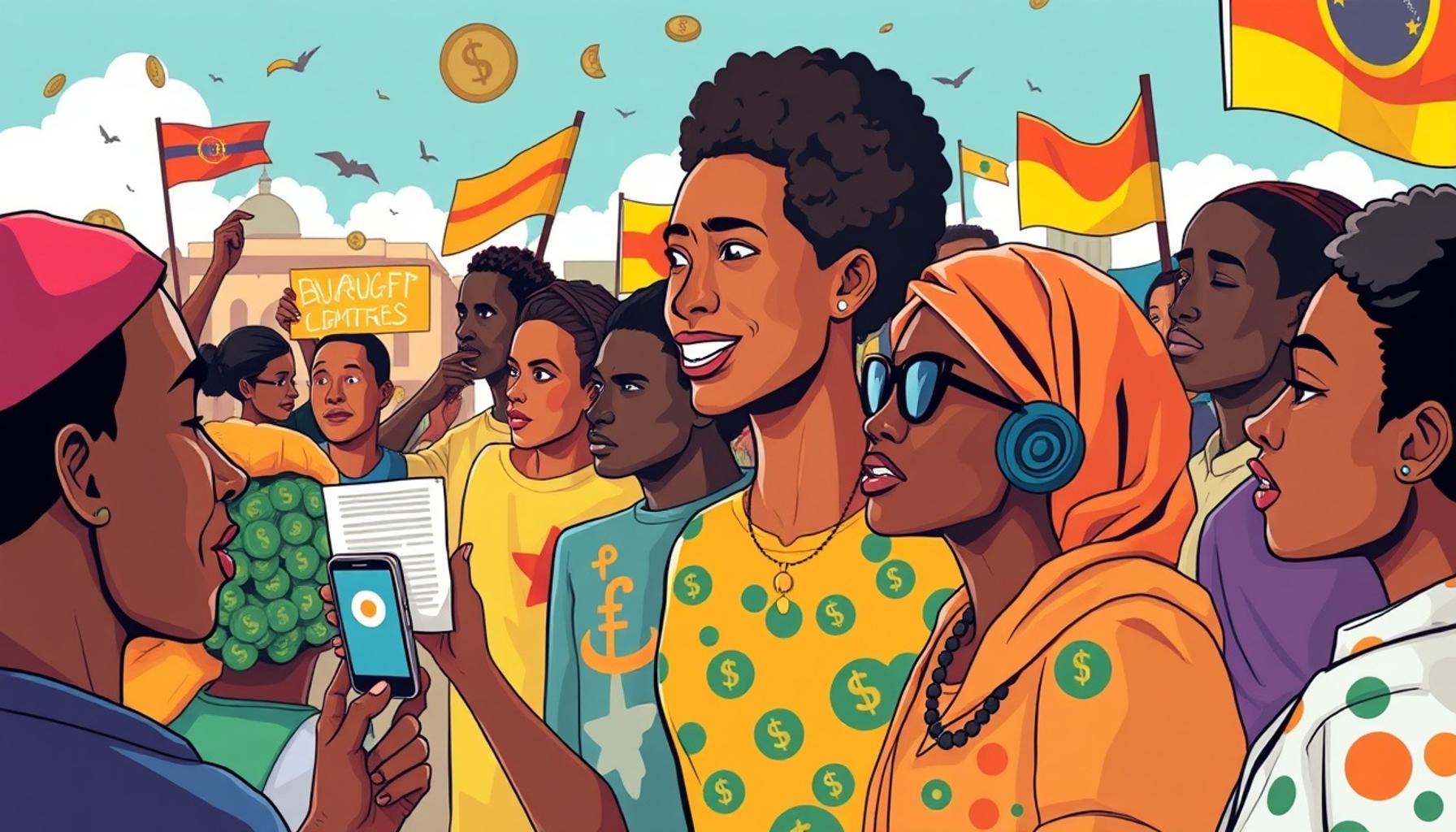
The Transformative Power of Social Media in South Africa
In the digital age, social media has become a cornerstone of communication, particularly in South Africa, where diverse communities seek to engage and interact. The evolution of platforms like Twitter, Facebook, and Instagram has enabled individuals to connect not only with friends but also with larger movements and social causes. This connectivity has significantly altered how citizens engage in political discourse and activism.
Instant Communication
One of the most notable aspects of social media is its ability to facilitate instant communication. For instance, during the #FeesMustFall movement, students were able to rapidly disseminate information, share experiences, and organize protests across universities. This fluidity allows for real-time discussions on pressing issues, ensuring that crucial information reaches a wide audience almost instantly. This immediacy contrasts starkly with traditional forms of media, which may take longer to publish and distribute information, potentially missing the urgency of evolving stories.
Awareness and Education
Social media platforms serve as powerful tools for awareness and education. Organizations like Gender Justice and the South African Police Service have successfully leveraged these channels to educate the public on gender-based violence and other significant issues. Campaigns using hashtags like #EnoughIsEnough have galvanized communities to recognize the severity of these challenges, encouraging citizens to take an active role in activism. By promoting educational content and facilitating discussions, social media fosters a more informed populace, capable of advocating for their rights and the rights of others.
Mobilization for Action
Another critical function of social media is its role in the mobilization for action. Online petitions can gain traction quickly, leading to coordinated efforts such as peaceful protests or community clean-up initiatives. The success of events like the Cleanup South Africa campaign showcases how virtual support can translate into meaningful offline actions. By utilizing trending topics, movements can gather momentum, drawing in participants who might not have participated through traditional means.
Furthermore, social media helps to bridge the participation gap across various age groups and demographics. Young South Africans are particularly adept at using these platforms, often speaking out on issues ranging from climate change to economic inequality, ensuring that their voices are heard in the national dialogue.
Challenges of Social Media
While the benefits of social media are substantial, it is essential to recognize the challenges it presents. Misinformation can spread just as quickly as accurate information, potentially leading to confusion and hostility. For example, during the COVID-19 pandemic, misinformation regarding health measures circulated widely, impacting public safety and compliance with guidelines. Additionally, issues like cyberbullying and online polarization can stymie healthy dialogue, creating echo chambers that hinder engagement and understanding among different viewpoints.
Conclusion
In conclusion, social media holds a dual potential for both positive engagement and significant challenges in South Africa. By understanding its multifaceted role in society, citizens can better harness its power for advocacy, education, and connection while remaining vigilant against its pitfalls. Ultimately, the impact of social media is profound, shaping not just individual expression but also collective action in this vibrant nation.
SEE ALSO: Click here to read another article
The Mechanisms of Mobilization Through Social Media
Social media is not just a platform for personal expression; it has become a powerful vehicle for political and social mobilization in South Africa. This mobilization occurs through various mechanisms that facilitate collective action and drive community engagement. To truly understand this dynamic, it is essential to explore the specific ways in which social media fosters collective movements and empowers citizens.
Building Networks of Support
At its core, social media is about creating connections. It enables individuals to form networks of support that transcend geographical barriers. For example, during the #BlackLivesMatter movement, South African users aligned their experiences and struggles with those in the United States, indicating a shared understanding of racial injustice. This process of sharing and solidarity allowed for a more unified front, drawing attention to local issues while linking them to global movements.
These networks can be categorized into different types:
- Grassroots Movements: Local campaigns often mobilize community members around specific issues, such as improving access to clean water or fighting against corruption.
- National Campaigns: Larger movements can draw participants from various provinces, uniting people around national concerns like land reform or economic inequality.
- International Solidarity: South Africans can engage with global human rights campaigns, thereby amplifying their voices and sharing their narratives with an international audience.
Utilizing Hashtags and Trends
Hashtags serve as rallying points that elevate conversations and engage diverse audiences. The simplicity of creating and sharing a hashtag can lead to wide-reaching visibility for significant issues. For instance, when social media users flood platforms with hashtags like #ZumaMustFall or #AmINext, they create a digital uproar that prompts both public and political response. These trends can rapidly inform and mobilize individuals, fostering a sense of urgency around pressing social issues.
The Role of Influencers and Activists
Influencers and activists in South Africa have embraced social media to spearhead various movements. These figures turn personal stories into powerful calls to action, drawing attention to critical issues such as xenophobia, gender equality, and environmental protection. By sharing their journeys and leveraging their platforms, they can engage a broader audience and inspire collective action. For example, activists like Yasmin Moussa and organizations like Right2Know use their platforms to educate followers and galvanize support for their causes.
Social media thus plays a crucial role in shaping narratives and encouraging civic responsibility through the involvement of these influential voices. As citizens engage with these narratives, they feel empowered to participate actively, knowing that their efforts can lead to tangible changes within society.
CHECK OUT: Click here to explore more
Challenges and Opportunities in Social Media Mobilization
While social media serves as a potent tool for political and social mobilization in South Africa, it is not without its challenges. Users must navigate a complex landscape where misinformation, cyberbullying, and digital privacy concerns can undermine genuine activism. Understanding these challenges is crucial to optimizing the effectiveness of social media as a platform for change.
The Spread of Misinformation
Misinformation can significantly hinder mobilization efforts. The rapid spread of false information on social media platforms can lead to confusion and misdirected energies. For example, during the COVID-19 pandemic, false claims about the virus and vaccination spread widely, leading to public hesitance and reluctance to engage in health initiatives. This highlights the necessity of critical thinking and media literacy among social media users, ensuring they can discern credible information from “fake news.” Various organizations now run workshops on digital literacy to equip citizens with the skills needed to sift through information effectively.
Cyberbullying and Online Harassment
Another challenge is the presence of cyberbullying and online harassment, particularly against those who speak out on sensitive issues like gender inequality or corruption. Activists often end up targets of hateful comments and threats, which can deter involvement in movements. For instance, women activists face disproportionate levels of scrutiny online, which can intimidate new voices from participating in critical dialogues. Some initiatives, such as Project Isizwe, offer safe online spaces for young South Africans, allowing for constructive conversation free from harassment.
Data Privacy Concerns
Furthermore, privacy issues have arisen around social media use. With growing scrutiny on how personal data is used, many South Africans are increasingly concerned about how their information may be exploited for political purposes. Recent scandals related to data misuse have heightened these concerns, leading to calls for transparency and integrity in how influencers and political parties engage with citizens online. Activism surrounding the Protection of Personal Information Act (POPIA) reflects this shift, as citizens seek to safeguard their data while remaining active in social discourse.
Empowering Grassroots Movements
Despite these challenges, social media remains an indispensable tool for empowering grassroots movements across South Africa. The accessibility of platforms allows even those with limited resources to share their stories and initiatives. For instance, local campaigns addressing issues like land redistribution or housing can galvanize support and attention far more effectively than traditional media. The #FeesMustFall movement is a prime example, where students used social media to mobilize quickly and effectively across universities, challenging the government’s education funding policies.
Moreover, social media can bridge communication gaps between marginalized communities and decision-makers. By highlighting local issues through campaigns, such as #InvestInYouth or #GenderBasedViolence, citizens advocate for essential policy changes directly to those in power. These interactions amplify voices that may not otherwise be heard in formal political arenas.
The potential for social media to facilitate political and social mobilization lies in its adaptability and responsiveness. As South Africa continues to evolve, so too will the strategies employed by citizens harnessing these digital platforms for social change.
CHECK OUT: Click here to explore more
Conclusion
In summary, the role of social media in political and social mobilization in South Africa is both profound and multifaceted. While it offers unprecedented opportunities for grassroots movements and enables citizens to voice their concerns and advocate for change, it also presents significant challenges that must be addressed. The rapid spread of misinformation, incidents of cyberbullying, and issues surrounding data privacy can undermine the very activism that social media seeks to promote.
It is essential for individuals engaged in social media activism to cultivate critical thinking and media literacy, equipping themselves with the skills to differentiate between credible information and false narratives. Simultaneously, initiatives aimed at creating safe online spaces can help shield activists from harassment, thus fostering a more inclusive environment for dialogue and engagement. Furthermore, activism surrounding data privacy laws like the Protection of Personal Information Act (POPIA) is vital in ensuring that citizens feel secure while participating in online discourse.
As South Africa navigates its unique socio-political landscape, the adaptability of social media will continue to shape the strategies of those seeking social change. It empowers the previously unheard voices, bridging gaps between marginalized communities and decision-makers. Ultimately, understanding and overcoming the challenges associated with social media can amplify its capacity for fostering meaningful political and social mobilization, ushering in a more participatory democracy.

Linda Carter
Linda Carter is a writer and expert known for producing clear, engaging, and easy-to-understand content. With extensive experience in guiding people as they pursue their goals, she shares valuable insights and practical advice. Her mission is to help readers make informed choices and achieve meaningful progress.