
The Impact of Artificial Intelligence on Sustainable Agriculture in South Africa
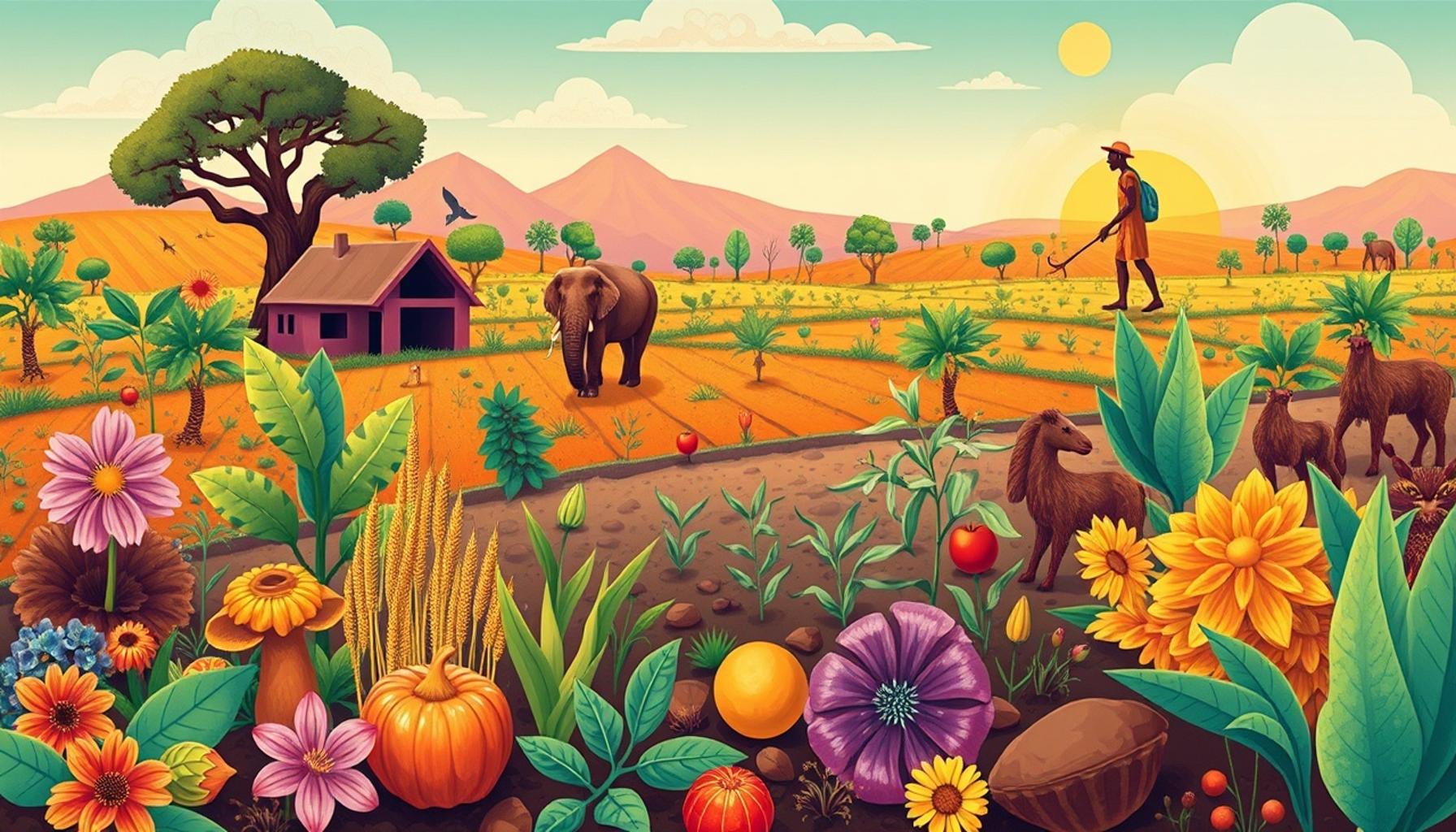
A Transformative Shift in Farming
In recent years, the integration of Artificial Intelligence (AI) into agriculture has sparked a transformative shift in how we approach farming practices in South Africa. This technological advancement offers innovative solutions that enhance productivity while promoting sustainability. As the agriculture sector grapples with various challenges, AI emerges as a key player in revolutionizing the way farmers operate.
Addressing Key Challenges
South African farmers face several pressing issues, and AI technologies provide effective responses to these challenges:
- Water scarcity: South Africa is a water-scarce country, and optimizing irrigation systems with AI can make a significant difference. For instance, AI-driven tools can analyze weather patterns and soil moisture levels to determine the precise irrigation needs of crops. This targeted approach minimizes water waste, ensuring that farmers use only what is necessary to maintain healthy crops.
- Pest control: Crop losses due to pests can be devastating. However, AI utilizes predictive analytics to identify potential infestations before they escalate. By analyzing historical data along with real-time monitoring, AI systems can alert farmers to impending pest issues, enabling them to take proactive measures like targeted pesticide application or introducing natural predators.
- Crop yields: With the help of precision agriculture, farmers can tailor their interventions to specific field conditions, leading to enhanced crop yields. For example, AI can aid in mapping fields and determining which areas require additional nutrients, promoting optimal plant growth and maximizing output.
Benefits of Implementing AI
By adopting AI technologies such as machine learning and data analytics, farmers can enjoy numerous advantages:
- Increased efficiency in resource use: AI helps farmers optimize the use of inputs, from water to fertilizers, thereby reducing operational costs.
- Reduced environmental impact: By minimizing the use of chemicals and optimizing resource consumption, AI promotes sustainable practices that protect the environment.
- Enhanced resilience against climate change: Through predictive analytics, farmers can adapt their practices to respond more effectively to changing climate conditions, securing their harvests and livelihoods.
The Path Forward
Ultimately, the adoption of AI in agriculture not only supports farmers in ensuring food security but also aligns with sustainable development goals. It is crucial for stakeholders within the agricultural sector, including government, NGOs, and educational institutions, to collaborate in fostering AI literacy among farmers. By investing in training and resources, we can equip our agricultural community to leverage these technologies effectively. As we explore this evolving landscape, understanding both the benefits and challenges of integrating AI technologies in South Africa’s agricultural sector will be vital for future advancements.
As AI continues to evolve, its impact on the agricultural sector can lead us toward a more resilient and sustainable future. The journey may present challenges, but with proper guidance and support, South African farmers can embrace these technologies to revolutionize their practices and safeguard the nation’s food security.
SEE ALSO: Click here to read another article
Harnessing Smart Technologies for Improved Outcomes
The potential of Artificial Intelligence (AI) in agriculture goes beyond mere automation; it represents a profound shift toward informed decision-making. As South African farmers navigate challenges such as fluctuating market demands, environmental pressures, and resource constraints, AI provides the tools to address these issues effectively. By integrating machine learning, data analytics, and other AI techniques into farming practices, farmers can optimize their operations, increase productivity, and reduce environmental impact.
Integrating AI into Farming Practices
Implementing AI in agriculture involves a variety of techniques tailored to enhance different aspects of farming. Here are some notable applications:
- Smart irrigation systems: Utilizing AI-based technologies, farmers can implement smart irrigation systems that adjust watering schedules based on real-time data. These systems take into account factors such as rainfall forecasts, soil moisture levels, and crop water requirements, promoting efficient water use.
- Drone and satellite imagery: Drones equipped with AI capabilities can monitor vast fields, providing farmers with real-time data on plant health, growth patterns, and nutrient deficiencies. This imagery enables timely interventions and precise farming techniques, such as variable rate application of fertilizers.
- Automated machinery: Advanced AI technologies allow for the development of automated tractors and harvesters that can operate independently or with minimal human intervention. These machines increase efficiency and reduce labor costs while ensuring that tasks such as planting and harvesting are performed with high precision.
Economic and Environmental Gains
The benefits of adopting AI extend beyond operational efficiency; they also contribute significantly to the economic and environmental aspects of farming. Some key advantages include:
- Cost savings: By optimizing resource use and reducing waste, farmers can lower their operational expenses, which is particularly crucial for small-scale producers who often operate on thin margins.
- Improved crop resilience: AI applications can help farmers identify the best crop varieties suited for specific environmental conditions, enhancing resilience against pests, diseases, and climate variability. This not only secures yields but also contributes to food security.
- Sustainable practices: Integrating AI in farming allows for the implementation of sustainable practices, such as precision farming, which reduces chemical runoff and promotes biodiversity. These initiatives ensure the protection of local ecosystems while helping farmers meet growing consumer demands for sustainable products.
As South Africa’s agriculture sector continues to evolve, the integration of AI will play a pivotal role in shaping sustainable farming practices. With the right support and resources, farmers can leverage these technologies to improve not just their own productivity but also contribute positively to the nation’s economy and environment. In the next sections, we will delve deeper into specific success stories and practical applications of AI in South African agriculture, illustrating the tangible benefits these innovations can bring to the sector.
SEE ALSO: Click here to read another article
Empowering Farmers through Data-Driven Insights
The role of Artificial Intelligence in sustainable agriculture is not just about the technologies used; it is also about empowering farmers with data-driven insights that enhance their decision-making capabilities. In South Africa, where agriculture is intricately tied to community livelihoods and food security, leveraging AI can lead to transformative changes for farmers of all sizes, particularly in rural areas.
Predictive Analytics for Better Planning
One of the most significant advantages of AI is its ability to leverage predictive analytics. By analyzing historical data on weather patterns, soil conditions, and crop performance, AI can forecast future scenarios that farmers may face. For instance, farmers in the Western Cape can utilize AI predictions to determine the ideal planting windows or to prepare for potential droughts, enabling them to make informed choices about resource allocation. This capability is crucial as South Africa experiences increasing climate variability.
Enhancing Supply Chain Management
AI also plays a role in enhancing supply chain management for farmers. Through algorithms that analyze market trends and demand patterns, producers can better align their planting cycles to market needs. For example, smallholder farmers can use AI tools to track prices and optimize their harvest schedules to secure better returns on their crops. This type of responsive agriculture minimizes waste and ensures that produce reaches consumers when it is most valued, thus improving overall efficiency in the food supply chain.
Collaboration with Agricultural Startups
South Africa has a burgeoning ecosystem of agricultural technology startups that harness AI to support farmers. Collaborations between traditional farmers and these innovative companies have resulted in remarkable applications that facilitate smart farming practices. For instance, organizations like YAPILI are providing agricultural data analytics platforms that allow farmers to access satellite imagery and soil health insights directly from their mobile devices. These technologies enable farmers to monitor their fields more accurately and make timely decisions based on real-time data.
Education and Skill Development
The successful integration of AI into the agricultural sector relies heavily on educating the workforce about new technologies. Various programs are emerging that focus on providing skills training to farmers, particularly those in previously disadvantaged communities. By participating in workshops or training sessions, farmers gain the requisite knowledge to effectively utilize AI tools, thereby boosting their productivity and confidence in adapting to technological change.
Ensuring Inclusivity in AI Adoption
While the benefits of AI in agriculture are clear, it is essential to address the challenges that small-scale farmers often face when adopting these technologies. Factors such as access to reliable internet, cost barriers for technology, and the digital literacy gap can hinder the implementation of AI solutions. Developmental initiatives aimed at reducing these barriers are crucial in ensuring that all farmers, regardless of scale, can benefit from AI innovations. For instance, governmental and non-profit support can facilitate better access to affordable technology and educational resources, creating a more inclusive agricultural landscape.
As South Africa’s agricultural landscape continues to modernize, the potential of AI as both a tool and a partner in achieving sustainable farming practices will become increasingly significant. By embracing data-driven approaches and fostering collaborative environments, the agricultural sector can enhance its resilience and sustainability in the face of ongoing challenges. The next segments will examine specific case studies highlighting the successful application of AI technologies and the journeys of farmers who have leveraged these advancements for better outcomes.
SEE ALSO: Click here to read another article
Conclusion
In summary, the integration of Artificial Intelligence in sustainable agriculture has the potential to significantly transform the farming landscape in South Africa. By providing farmers with data-driven insights, predictive analytics, and enhanced supply chain management, AI serves as both a facilitator of efficiency and a catalyst for informed decision-making. As we have seen, farmers, especially those in rural areas, can leverage these technologies to better navigate the complexities arising from climate change and market demands.
Furthermore, collaborative efforts with agricultural technology startups are paving the way for innovations that support smarter farming practices, marking a shift toward more resilient agricultural systems. Educational initiatives focused on skill development are equally vital to ensure that farmers of all backgrounds can fully utilize these AI tools, fostering confidence and productivity in their operations.
However, as we embrace these advancements, it is crucial to remain vigilant about inclusivity. Addressing barriers such as internet access and digital literacy will be essential in ensuring that all farmers can reap the benefits of AI. By committing to a more equitable agricultural landscape, South Africa can enhance its food security and promote sustainable practices that ultimately bolster community livelihoods.
As the agricultural sector evolves, the synergy between AI technologies and traditional farming methods holds the promise of not just improving yields but also contributing to the broader goal of sustainability. The journey towards a more technologically-enabled agriculture is just beginning, and with the right support and resources, South Africa’s farmers can lead the way in a more sustainable future.

Linda Carter
Linda Carter is a writer and expert known for producing clear, engaging, and easy-to-understand content. With extensive experience in guiding people as they pursue their goals, she shares valuable insights and practical advice. Her mission is to help readers make informed choices and achieve meaningful progress.