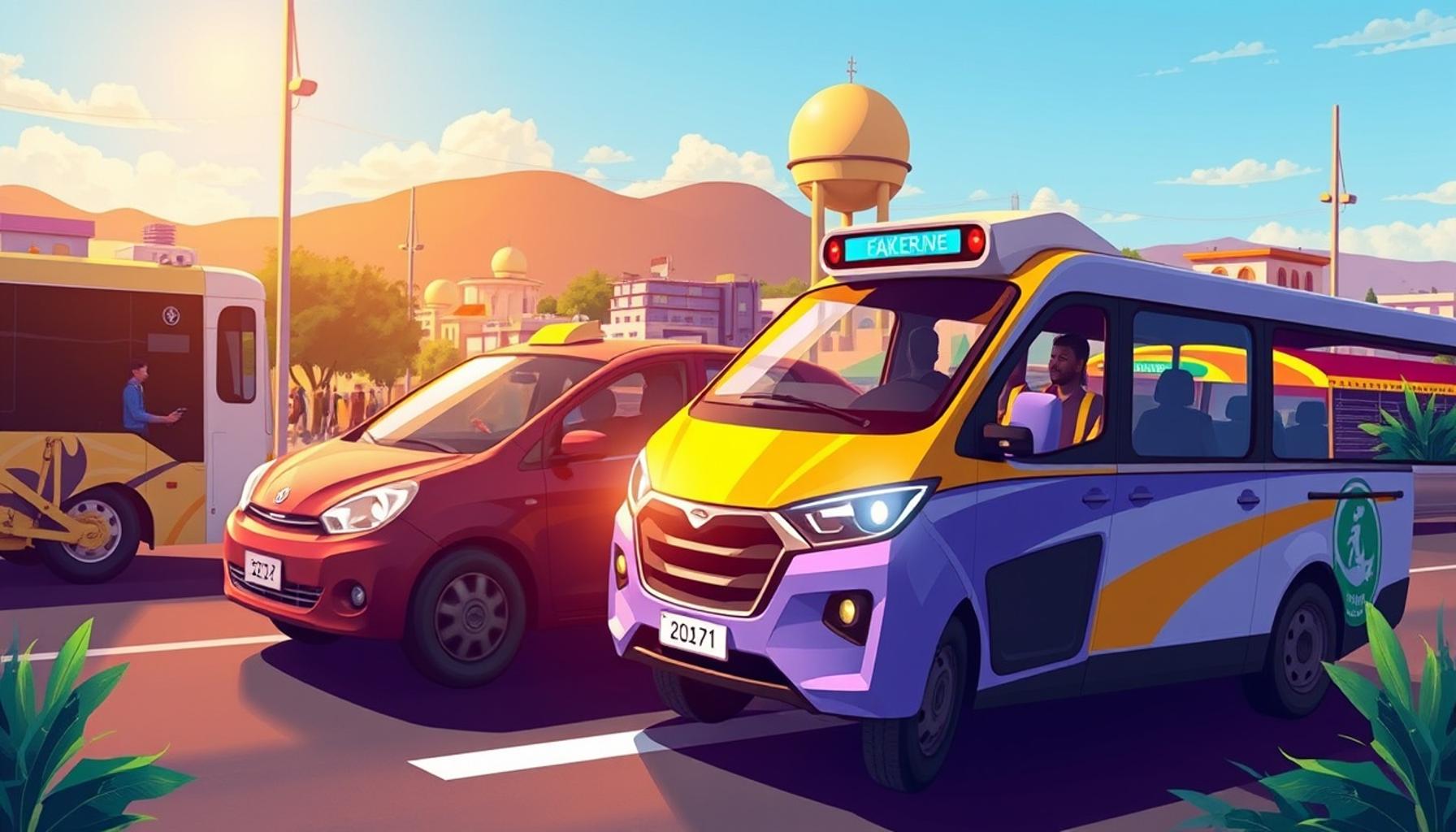
The Revolution of Smart Cities: How Technology Is Transforming Urban Infrastructure in South Africa

Understanding the Transformation of Urban Areas
Cities around the world, including those in South Africa, are undergoing significant changes. As urban populations grow rapidly, many cities are grappling with challenges such as overcrowded public transport, insufficient waste management systems, and escalating environmental issues. Smart cities aim to address these challenges through the innovative use of technology, creating a smarter, more efficient, and sustainable urban environment.
Key Features of Smart Cities
At the heart of smart city initiatives is the integration of digital technology. Several main characteristics define these urban spaces:
- Connected Infrastructure: This involves using sensors and Internet of Things (IoT) devices to collect real-time data on various aspects of city life. For instance, sensors can monitor traffic flow, helping to identify congestion and optimize stoplights, significantly improving the daily commute.
- Data-Driven Decision Making: By harnessing big data, city planners can make informed decisions regarding infrastructure developments and public services. For example, analyzing data on energy consumption can reveal trends and guide investments in renewable energy sources.
- Sustainable Solutions: Smart cities prioritize sustainability by incorporating renewable energy sources such as solar panels, promoting electric vehicles, and creating green spaces. These sustainable practices not only enhance the urban environment but also improve residents’ quality of life through cleaner air and accessible recreational areas.
Examples of Smart City Initiatives in South Africa
Across South Africa, various cities are leading the way in adopting smart technologies to tackle urban challenges:
- Johannesburg: The city’s Smart Johannesburg project exemplifies how technology can revolutionize municipal services. It aims to enhance communication channels between citizens and the government, ensuring that residents’ voices are heard and their needs met.
- Cape Town: In an effort to address waste management challenges, Cape Town is implementing smart waste collection systems. These systems utilize sensors in waste bins to signal when they need to be emptied, ensuring more efficient collection routes and promoting recycling efforts.
- Durban: To tackle traffic congestion, Durban has embraced smart traffic management solutions that use real-time data to adjust traffic light sequences based on current vehicle flows. This implementation not only saves time for commuters but also reduces harmful emissions by minimizing idling.
The Future of Urban Living
As South Africa continues to invest in the development of smart cities, the potential benefits extend far beyond mere efficiency. These initiatives will create urban areas that are responsive to the everyday challenges faced by residents. With the integration of technology into city planning, South Africa is not just transforming its urban landscapes but is also paving the way for a future where cities are designed with people at their core. Through advancements in smart technologies, we can look forward to more livable, accessible, and sustainable communities for all South Africans.
CHECK OUT: Click here to explore more
Enhancing Urban Efficiency through Technology
The foundation of smart city initiatives is built on the use of advanced technology to improve urban infrastructure. This transformation is not only about adopting new tools but also about rethinking how cities function, aiming to create a seamless integration of technology into everyday life. By enhancing operational efficiency, smart cities strive to improve the quality of life for their residents and foster sustainable development.
One of the primary areas where technology has a significant impact is in transportation systems. Traditionally, urban transport has been plagued with issues such as traffic congestion, long commute times, and inadequate public transport options. Smart cities tackle these challenges by implementing intelligent transportation systems (ITS) that utilize real-time data and efficient algorithms. For instance, cities like Johannesburg are beginning to implement smart traffic lights that adjust their timing based on live traffic conditions. This approach not only reduces congestion but also minimizes travel time for commuters, leading to less frustration and a more enjoyable daily experience.
Moreover, public transport services are also undergoing a substantial transformation. By incorporating mobile applications and GPS technology, cities can provide residents with real-time updates on bus and train schedules, making it easier to plan journeys. This shift encourages more people to use public transport, thus reducing the reliance on cars and lowering overall emissions. As seen with Cape Town’s MyCiTi bus service, users can access an app that tracks bus locations, promotes better route planning, and enhances user satisfaction.
Smart Utilities for a Sustainable Future
Another critical component of smart cities is improving utility services such as water and electricity. In South Africa, where resources can be scarce and mismanagement can lead to significant waste, technology-driven solutions are crucial. Smart meters, for example, allow consumers to monitor their water and energy consumption in real time. This enables residents to make informed decisions on their usage and encourages conservation practices, which are vital in a country facing water shortages.
Additionally, smart cities utilize technology to manage waste more effectively. By employing smart waste management systems, cities can collect data on waste levels in garbage bins, optimizing collection routes and schedules. This not only leads to significant cost savings but also decreases the carbon footprint associated with waste collection processes. Cape Town’s recent implementation of these systems is a prime example of how smart solutions can support sustainable urban living.
- Improved Transportation: Implementation of intelligent traffic systems and real-time public transport updates.
- Efficient Utility Services: Use of smart meters for monitoring water and electricity consumption.
- Effective Waste Management: Introduction of smart sensors to optimize waste collection processes.
As we explore the impact of smart cities in South Africa, it is clear that technology is not merely a trend but a vehicle for significant change. By addressing core urban challenges through intelligent urban infrastructure, South Africa is opening doors to a future where cities are not only modern but also sustainable and responsive to the needs of their inhabitants.
CHECK OUT: Click here to explore more
Integrating Citizen Engagement and Data-Driven Governance
As the foundation of smart cities continues to develop, the role of citizen engagement and participatory governance has become increasingly vital. Ensuring that residents have a voice in the decision-making process is essential for creating urban spaces that truly reflect their needs and priorities. In South Africa, innovative platforms and applications are being integrated into the governance framework to facilitate this interaction.
For example, cities like Tshwane have adopted the use of mobile platforms where residents can report service delivery issues directly to municipal authorities. These platforms allow citizens to submit complaints regarding water leaks, broken streetlights, or unsafe road conditions in real-time. The benefit here lies not only in addressing concerns promptly but also in empowering citizens to actively participate in their city’s management. This application of technology creates a sense of ownership among residents and encourages a collaborative approach to urban governance.
Furthermore, the influx of data generated by smart city initiatives allows municipal leaders to make data-driven decisions. Leveraging big data analytics, city officials can analyze patterns in traffic flow, public transport usage, water consumption, and waste generation. For instance, by analyzing data collected from smart meters and traffic sensors, urban planners in cities such as Durban can identify hotspots that require infrastructure improvements or additional public transport services. This capacity to scrutinize data ensures resource allocation is optimized, resulting in enhanced service delivery and responsiveness to resident needs.
Innovative Approaches to Public Safety and Security
Another area where technology is significantly enhancing urban infrastructure is in public safety and security. Smart cities in South Africa are increasingly deploying advanced surveillance systems and crime prevention technologies to ensure a safe environment for their residents. By implementing integrated CCTV networks with intelligent video analytics capabilities, cities like Johannesburg are able to monitor crime trends in real-time and respond to incidents more effectively.
Moreover, mobile applications designed specifically for community safety are gaining traction. Initiatives like the “Find My Police” app in certain regions allow residents to easily contact local law enforcement, report suspicious activities, and receive alerts about potential security threats. Such innovations not only promote public safety but also strengthen the relationship between law enforcement agencies and the communities they serve.
In addition, the integration of emergency response systems with smart city infrastructure is revolutionizing the way cities handle crises. By using data from various sources – including social media, citizen reports, and emergency contacts – municipalities can better coordinate responses to disasters such as floods or fires. This holistic approach to emergency management creates a more resilient urban environment where residents feel secure and supported.
- Citizen Engagement Platforms: Empowering residents to report issues and participate in governance.
- Data-Driven Decision Making: Utilizing analytics to optimize resources and improve service delivery.
- Public Safety Technologies: Implementing surveillance systems and community safety apps to enhance security.
The continual embrace of technology in South Africa’s urban centers paves the way for smarter, safer, and more engaged communities. By intertwining citizen participation, data insights, and innovative safety measures, smart cities are not just about improving infrastructure; they are transforming the very fabric of urban living. Through such advancements, South Africa is poised to redefine urban living and set a precedent for the cities of tomorrow.
SEE ALSO: Click here to read another article
Conclusion
In conclusion, the emergence of smart cities in South Africa represents a pivotal shift in how urban infrastructure is designed, managed, and experienced by residents. As cities like Johannesburg, Durban, and Tshwane harness the power of technology, they are not only improving operational efficiency but also fostering greater citizen engagement and participation in governance. The incorporation of mobile platforms enables residents to share their concerns and suggestions, helping to create communities that are responsive to their needs.
Moreover, the analytical capabilities brought forth by smart technologies enhance data-driven decision-making for city officials, ensuring that resources are allocated wisely and services are delivered more effectively. From monitoring traffic patterns to optimizing public transport, this data-centric approach allows urban planners to anticipate challenges and implement solutions that benefit all citizens.
Furthermore, the emphasis on public safety through advanced technologies illustrates a commitment to creating safe environments where residents can thrive. The deployment of intelligent surveillance systems and emergency response integrations ensure that cities are not only building infrastructure but also prioritizing the well-being of their inhabitants.
Ultimately, South Africa’s journey towards becoming a network of smart cities offers a promising blueprint for other urban areas worldwide. By embracing innovation, prioritizing citizen engagement, and utilizing data for informed decision-making, South Africa is not just adapting to urban challenges but is actively paving the way for a more sustainable and cohesive urban future. The revolution of smart cities has the potential to transform lives and redefine urban existence, making the dream of integrated, responsive, and resilient cities a tangible reality.

Linda Carter
Linda Carter is a writer and expert known for producing clear, engaging, and easy-to-understand content. With extensive experience in guiding people as they pursue their goals, she shares valuable insights and practical advice. Her mission is to help readers make informed choices and achieve meaningful progress.