Watering with Wisdom: How the Depth of Watering Influences Root Growth
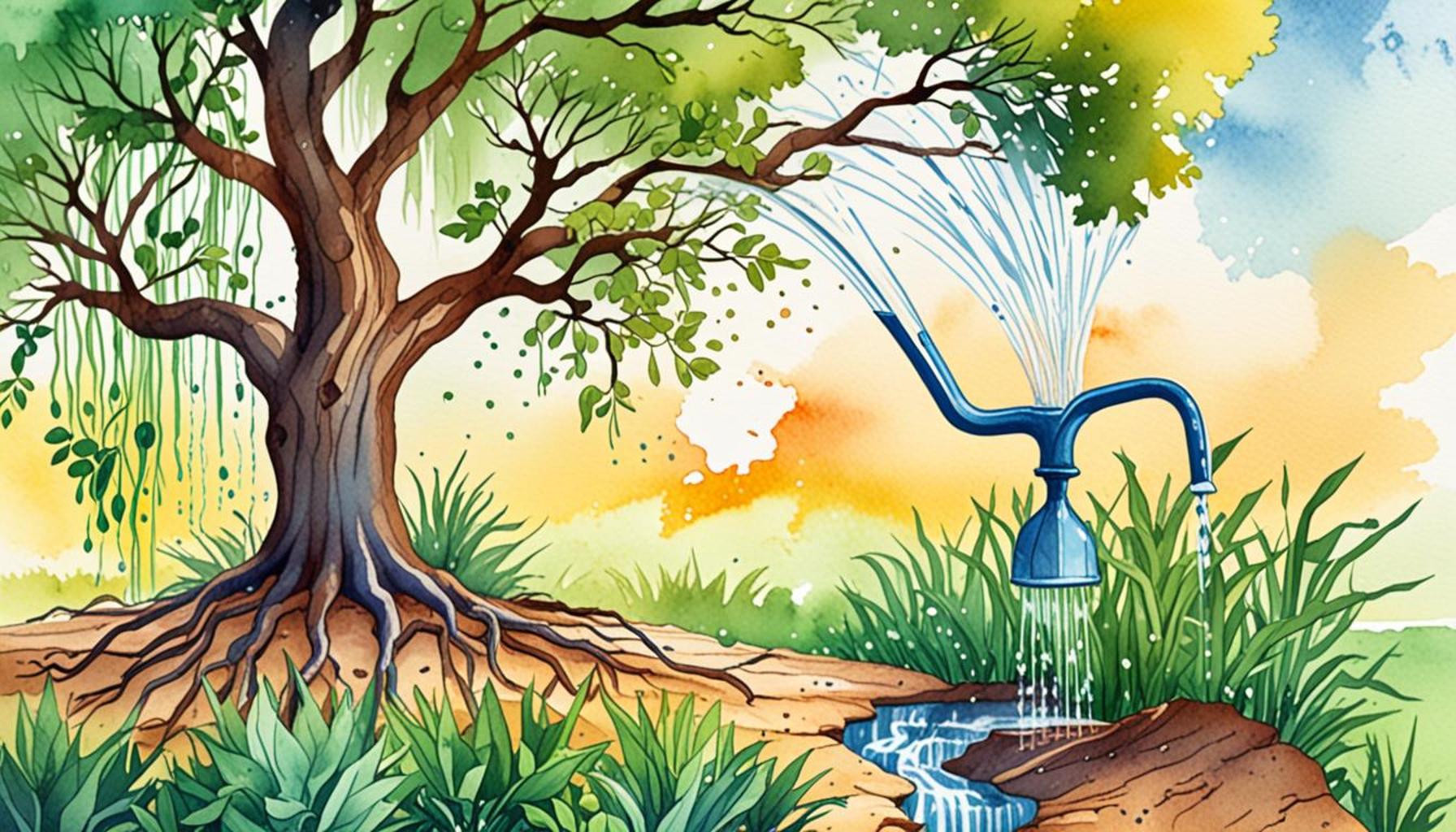
Unraveling the Mysteries of Root Growth
When it comes to nurturing plants, the depth of watering plays a pivotal role in determining their overall health. It’s not just about giving them water; it’s about providing it in a way that encourages robust root systems. Understanding this connection can lead to thriving gardens and productive landscapes, which many homeowners strive for in their backyards or community gardens.
Why Depth Matters
The depth at which you water can dramatically affect various factors essential for plant vitality:
- Root Stability: Deep watering promotes stronger root anchoring. As roots seek moisture, they grow deeper, creating a solid foundation. This stability is especially crucial for larger plants and trees that face wind or heavy rains, ensuring they remain upright and healthy.
- Nutrient Absorption: Deeper roots have access to essential nutrients that surface roots can’t reach. For instance, macro and micronutrients like potassium and magnesium are often found in lower soil layers, helping plants thrive. A classic example is the deep-rooted oak, which benefits from minerals buried far below the surface.
- Water Retention: Deeper soil layers retain moisture longer, which is particularly advantageous for plants during dry spells. In states like California and Texas, where drought conditions are common, ensuring that roots can access deeper moisture can make a significant difference in a plant’s survival.
Many gardeners overlook the delicate balance between moisture and soil depth. Innovations like drip irrigation and soaker hoses aim to address this issue effectively. These methods allow for targeted watering that reaches deeper layers without wasting water, thus promoting efficiency. Furthermore, understanding the specific needs of native versus ornamental plants can enhance water efficiency and growth potential; for example, native wildflowers are often adapted to local soil moisture conditions, requiring different watering strategies than exotic plants.
Exploring Techniques and Practices
Smart watering techniques can elevate your gardening game and ensure your plants flourish:
- Utilize moisture meters to gauge soil moisture levels accurately. This tool helps determine when to water, preventing over or underwatering, which can lead to root rot or other issues.
- Water during the early morning hours to minimize evaporation. This practice allows plants to absorb moisture before the heat of the day sets in, optimizing hydration.
- Incorporate mulching to preserve soil moisture and temperature. Organic materials such as wood chips or straw not only help retain water but also improve soil structure as they decompose.
Investigating the nuances of watering can transform your gardening methods. By understanding these practices, gardening enthusiasts can cultivate thriving plant life and enjoy rich harvests. Ultimately, this leads to creating a lush and sustainable environment that benefits both the gardener and the ecosystem. As climate challenges persist, embracing efficient watering practices becomes not just a gardening strategy but a vital contribution to environmental stewardship.

DISCOVER MORE: Click here to learn about integrated pest management
Unlocking the Secrets of Effective Watering
Understanding the intricate relationship between watering depth and root growth can be a game changer for gardeners looking to optimize plant health. When keeping plants hydrated, the action extends beyond simply pouring water. It involves a science that dictates how roots thrive beneath the soil surface. By adjusting watering practices and paying attention to the depth, gardeners can encourage a more resilient and productive root system.
Essential Factors Influenced by Water Depth
The influence of watering depth on root growth can be profound, impacting several key aspects that are crucial for sustaining plants:
- Soil Aeration: Watering deeply promotes better soil aeration. When water penetrates deeper layers, it creates spaces in the soil that allow for air exchange. This oxygen is vital for root respiration and overall plant health, especially for young seedlings and newly planted trees.
- Root Exploration: Deep watering encourages roots to stretch and explore deeper soil zones. This exploration not only supports access to moisture but also prompts the roots to search for a wider range of nutrients. Plants like tomatoes, which require a rich array of minerals, benefit substantially from deeper root systems.
- Reducing Pests and Diseases: Shallow watering often leads to puddling and moisture on the surface, creating an environment conducive to pests and diseases. By watering deeper, not only are plants less susceptible to issues such as crown rot, but the healthier root network can also fend off infestations more effectively.
Recent studies highlight that drought-resistant plants exhibit robust root systems extending several feet deep into the soil. For instance, many native grasses in the Midwest can develop roots extending up to 10 feet, allowing them to tap into scarce moisture reserves during dry spells. By mirroring these natural adaptations, gardeners can better prepare their landscapes for an evolving climate.
Integrating Technology for Optimal Growth
The advent of technology has paved the way for smarter watering practices. Tools such as drip irrigation systems and smart irrigation controllers have emerged as essential components in achieving effective watering depth. These systems deliver precise amounts of water directly to the roots, minimizing surface runoff and evaporation. For instance, a drip line installed around perennials can ensure that water seeps directly into the soil where it’s needed most, particularly during critical growth phases.
Moreover, understanding how various soil types retain water can significantly enhance your strategy. Clay soils, for example, hold moisture differently than sandy soils, which can dramatically alter how deeply water needs to penetrate to reach the roots. Adaptation to these conditions is crucial for successful gardening in areas with diverse soil compositions, such as the rich loam of the Midwest versus the sandy soils found in coastal regions.
Incorporating depth-conscious watering practices not only fosters healthier plants but also promotes sustainability by conserving water and enhancing soil health. As the gardening community increasingly embraces these innovative methods, the benefits extend beyond individual backyards and into broader environmental landscapes, ultimately shaping a greener future.
Understanding Root Development Through Effective Watering
When it comes to nurturing plants, the relationship between watering techniques and root health is truly remarkable. The decline of roots can often be traced back to improper watering practices. Watering depth plays a critical role in how effectively roots can absorb nutrients and moisture. Shallow watering encourages weak root systems that are unable to support the plant’s structure. Conversely, deeper watering fosters a robust network of roots that can access water from deeper layers of soil.The science of soil moisture retention highlights that deep watering promotes healthier growth by encouraging the roots to stretch downwards. This quest for water strengthens roots, making them resilient against environmental stressors such as drought or pests. Moreover, understanding the water infiltration rate of various soil types can inform appropriate watering techniques. For instance, sandy soils drain quickly, whereas clay soils retain moisture for longer periods. Therefore, gardeners and agriculturists alike should consider a regular deep watering schedule. This not only ensures adequate moisture levels but also enhances the overall fertility of the soil and plant structure. By applying targeted watering strategies, one can significantly influence the development of root systems, leading to more vigorous plants and bountiful harvests.In exploring different watering depths, it becomes apparent that the timing and frequency of watering should be adjusted based on climatic conditions and plant type. For instance, during hot summer spells, more frequent deep watering may be necessary to prevent stress-induced damage to the root systems. Such adaptability in practice can ensure that plants thrive under various environmental conditions, making it a critical aspect of sustainable gardening practices.
| Advantages | Influence of Watering Depth |
|---|---|
| Promotes Deep Root Growth | Encourages roots to explore deeper soils for nutrients. |
| Increases Drought Resistance | Stronger roots can access moisture during dry spells. |
DISCOVER MORE: Click here for expert tips on choosing the best plants for your space
From Surface to Subsoil: The Art of Deep Watering
While understanding the science behind watering depth is crucial, effective application is just as important. Achieving the right balance between quantity and frequency of watering can significantly affect the health of root systems. A deep watering regimen, performed at appropriate intervals, is essential for developing strong, resilient roots that can thrive in varying conditions.
The Ideal Frequency of Deep Watering
Determining how often to water deeply can vary greatly depending on factors such as plant type, climate, and soil composition. Most established plants benefit from a deep watering once a week, allowing the moisture to permeate deep into the soil. However, this frequency can be adjusted based on the environmental conditions. For instance, during a particularly hot spell, plants may require more frequent waterings, albeit still deep. Conversely, during cooler months or periods of rain, the watering schedule may be extended.
Utilizing the one-inch rule can serve as a helpful guideline for gardeners. This rule recommends that plants receive about one inch of water per week—whether through rainfall or additional watering. A deep watering approach ensures that this water reaches the root zone rather than evaporating from the surface, thus providing the full benefits of any watering done.
Benefits of Mulching in Watering Practices
Another essential component of optimizing watering depth is the use of mulch. Applying a layer of organic or inorganic mulch around your plants serves multiple purposes. Not only does it help retain moisture in the top layer of soil, reducing the frequency of watering, but it can also stabilize soil temperatures. Furthermore, mulch acts as a barrier against weeds, which can further diminish moisture levels in the soil.
Research has shown that mulching can reduce evaporation rates by up to 70%. This means that, with effective mulching, you can water less often while still ensuring the roots receive adequate moisture. The added benefit of reducing competition from weeds can further enhance the health and growth of your plants, making this an important practice for any gardener seeking to improve root growth.
Monitoring Soil Moisture Levels
To take deep watering practices to the next level, gardeners can invest in moisture sensors or utilize the simple technique of performing a soil test. These tools can help determine how deeply water is penetrating the soil and whether additional watering is necessary. For example, inserting a spade or trowel into the soil can be a valuable indicator—if it comes out dry several inches down, it’s time for a deep watering.
Moreover, advanced gardening technology offers the ability to automate watering schedules based on real-time moisture readings. Homeowners can take advantage of smart irrigation systems paired with moisture sensors to ensure plants receive targeted moisture exactly when needed, reducing water waste and maximizing root health.
As the increasing importance of water conservation looms larger in our global consciousness, practicing deep watering methods, supplemented with innovation, can yield a bounty of benefits. By nurturing robust root growth through wise watering practices, gardeners can cultivate resilient plants that flourish in an ever-changing climate.
DISCOVER MORE: Click here to learn about using essential oils in your garden
Conclusion: Cultivating Health through Depth
In the world of gardening, understanding the vital relationship between watering depth and root growth is a key component of fostering healthy plants. The integration of deep watering practices ensures that moisture reaches the critical root zone, promoting vigorous root systems that are essential for plant resilience. As we have explored, employing a weekly watering schedule, guided by the one-inch rule, and utilizing effective mulching strategies can greatly enhance the effectiveness of our efforts. These methods not only conserve water but also create the stable temperature conditions necessary for roots to thrive.
Moreover, the adoption of technology, such as moisture sensors, offers innovative ways to fine-tune watering regimens, further ensuring that our beloved plants receive exactly what they need. With water conservation becoming increasingly imperative, these savvy watering practices represent a blend of traditional wisdom and modern convenience that can lead to flourishing gardens—even amidst changing climates.
Ultimately, by mastering the art of deep watering, gardeners can pave the way for sustainable practices that yield not only flourishing landscapes but also contribute to broader environmental health. As you embark on your gardening journey, remember that watering with wisdom is the nurturing force behind vigorous growth; every drop counts toward the cultivation of a lush and resilient garden.