Use of Mulching to Reduce Watering Needs: Tips for Beginners
The Importance of Mulching in Sustainable Gardening
Mulching is an effective gardening technique that not only conserves moisture but also enhances soil health. As water scarcity becomes increasingly important, understanding how to use mulching to reduce watering needs can lead you to more sustainable gardening practices. This age-old practice offers multiple benefits, making it ideal for both new and experienced gardeners.
Benefits of Mulching
One of the standout advantages of mulching is its ability to improve water retention. When a layer of mulch is applied, it acts as a barrier, preventing sunlight from striking the soil surface and subsequently reducing evaporation. For instance, in a region like California, where drought conditions are a regular occurrence, using mulch can make a significant difference in how long your plants stay hydrated.
Another important benefit is weed suppression. A thick layer of mulch, typically around 2-4 inches, can effectively block light from reaching weed seeds, thereby hindering their growth. This is particularly useful in vegetable gardens where weeds compete for nutrients and water. For example, using straw or shredded leaves as mulch can create a thick mat that keeps unwanted plants at bay.
Moreover, soil temperature regulation is a crucial aspect of mulching. During hot summer months, mulch helps to keep the soil cooler, which can be vital for young plants and seedlings that are still developing. Conversely, in winter, mulch insulates the soil, maintaining warmth for root systems. This thermal stability encourages consistent growth throughout the seasons.
Choosing the Right Materials
Choosing the right materials is crucial for effective mulching. Depending on your garden’s needs, consider options such as:
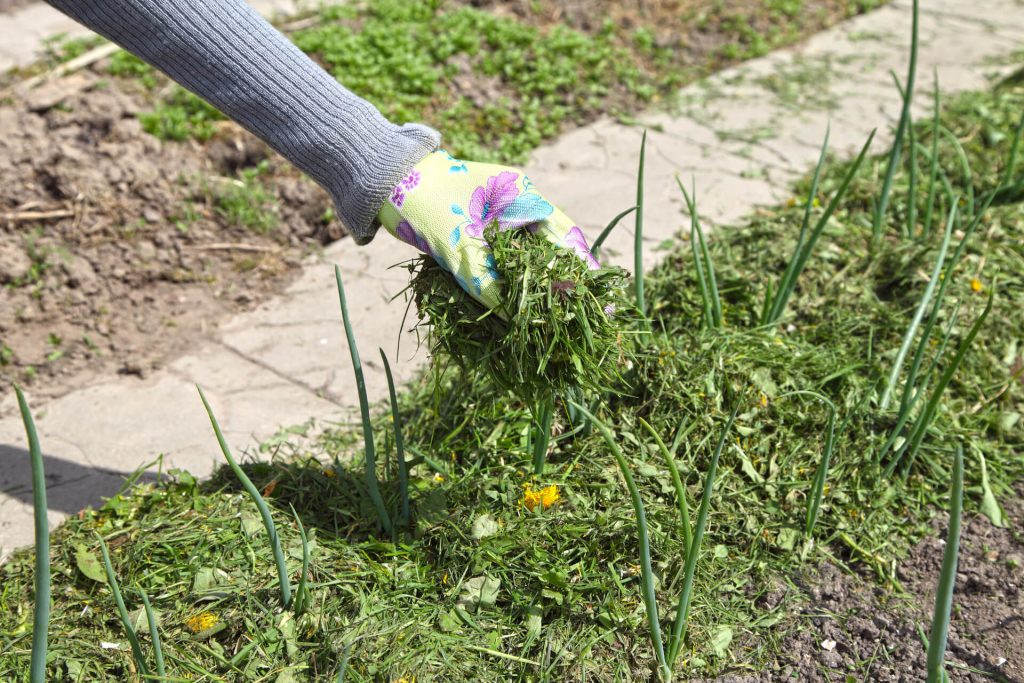
- Organic Mulch: Materials like grass clippings, wood chips, and straw not only serve their purpose as a covering but also enrich the soil as they decompose, adding organic matter and nutrients.
- Inorganic Mulch: Options like rocks, plastic sheeting, or landscape fabric provide durability, especially in arid climates where organic material might break down too quickly.
- Living Mulch: Ground covers such as clover or certain types of grass offer dual benefits of moisture retention and erosion control, while also providing habitats for beneficial insects.
Practical Tips for Successful Mulching
As you delve into the world of mulching, discovering the right techniques will transform your watering routine. Start by assessing your plants’ specific needs and your region’s climate. For beginners, applying mulch in early spring or late fall can maximize its benefits. Remember to monitor moisture levels regularly; even with mulch in place, some plants may require additional watering during particularly hot or dry spells.
In conclusion, mulching is not just a superficial practice; it is an essential component of a thriving garden ecosystem. By optimizing your garden’s moisture retention through informed mulching, you are taking a step toward not only conserving water but also enriching the soil for stronger, healthier plants. By adopting these practices, you may find yourself less reliant on frequent watering and more connected to the rhythms of nature.
DISCOVER MORE: Click here to learn about edible flowers
Understanding the Basics of Mulching
For beginners diving into the world of gardening, grasping the concept of mulching can be transformative. Mulching is more than just laying down materials; it’s a strategic practice that directly influences plant health and water conservation. By creating a protective layer on top of the soil, gardeners can maximize the benefits of natural resources, leading to a thriving, more resilient garden.
How Mulching Works
At its core, mulching works by creating a barrier between soil and the elements. This layer serves to limit moisture loss through evaporation and shields the soil from harsh winds and sunlight. In essence, it helps lock in the water that your plants so desperately need, making them less reliant on frequent watering. Interestingly, research shows that mulching can reduce the amount of water needed for plants by as much as 50%, a crucial factor for gardeners in regions prone to drought.
Types of Mulch and Their Benefits
When embarking on your mulching journey, familiarity with the various types of materials will empower you to make informed decisions. Here’s a breakdown of the most common mulching types:
- Organic Mulch: This type includes materials like straw, grass clippings, leaves, and wood chips. As they decompose, organic mulches enrich the soil with valuable nutrients, enhancing fertility.
- Inorganic Mulch: Consisting of materials such as gravel, stones, or landscape fabric, inorganic mulch is particularly useful for long-lasting coverage in arid regions. While it won’t break down like organic options, it remains effective for years.
- Recycled Mulch: Items like shredded newspaper, cardboard, or even rubber tires can serve as sustainable alternatives. They offer several benefits, including moisture retention and soil insulation.
Notably, the choice of mulch should be informed by the specific needs of your garden. For instance, while organic mulches may be better suited for vegetable patches that rapidly decompose, inorganic options might excel in flower beds where aesthetics are paramount.
Application Techniques for Beginners
Getting started with mulching requires a bit of technique. Here are some practical tips for applying mulch effectively:
- First, clear the area of weeds and debris before applying your mulch.
- Ensure that the layer of mulch is even, about 2-4 inches thick for most organic materials. Too thin may not provide the desired effects, while too thick could suffocate plant roots.
- Keep mulch at least a few inches away from the base of plants to prevent rot and discourage pests.
Mastering the art of mulching can lead to less frequent watering and healthier plants. Armed with this knowledge, beginners can strategically implement these tips for reducing watering needs while cultivating a beautiful garden. In the following sections, we will explore advanced strategies and address common pitfalls to help you get the most out of your gardening experience.
| Advantages of Mulching | Key Benefits |
|---|---|
| Soil Moisture Retention | Mulch acts as a protective layer, reducing evaporation and keeping the soil moist for longer periods. |
| Weed Suppression | A thick layer of mulch inhibits weed growth, allowing plants to absorb nutrients without competition. |
| Soil Temperature Regulation | Mulch helps maintain an even soil temperature, promoting better root growth and reducing stress on plants. |
| Enhancement of Soil Quality | Organic mulches decompose over time, enriching the soil with nutrients that improve fertility and health. |
Mulching is a simple yet powerful technique for maintaining healthy soil and conserving water in garden and landscape management. For beginners, understanding the specific types of mulch, such as organic materials like wood chips, leaves, and straw, can lead to a more efficient gardening experience. The choice of mulch plays a crucial role in achieving optimal results. Whether it’s reducing the frequency of watering or enhancing plant health, mulching provides a multitude of benefits that can transform your gardening practices. Additionally, it’s practical to consider the application of mulch throughout different seasons—this ensures that your garden remains well-protected against harsh weather conditions and continues to flourish with minimal water requirements. Using mulch effectively not only helps in reducing the frequency of watering but also contributes to a vibrant and healthy ecosystem right in your backyard. Explore the numerous varieties available, each providing unique advantages, and you’re sure to find the perfect fit for your garden needs.
LEARN MORE: Click here for essential tips on seasonal soil preparation
Maximizing the Benefits of Mulching
As you venture into the practice of mulching, it’s crucial to understand how to maximize its benefits for reduced watering needs. While choosing the right mulch and applying it correctly are essential steps, there are additional techniques and considerations that can enhance its effectiveness. For beginners, delving deeper into these aspects can create lasting impacts on garden health and water conservation.
Timing Your Mulch Application
The timing of your mulch application can significantly influence its benefits. In the United States, scheduling the application just before the hottest months of the year, particularly in locations with harsh summers, will help insulate the soil. This insulation minimizes temperature fluctuations and helps retain soil moisture. Conversely, in regions with milder climates, applying mulch in the spring can suppress early weed growth and maintain adequate moisture for seedlings.
Layering Techniques for Effective Moisture Retention
Another layer—literally—of sophistication in mulching involves utilizing multiple layers for moisture retention. For example, consider combining different types of organic mulch. Start with a base of coarser materials like straw or wood chunks to provide drainage. Follow this with a finer layer, such as grass clippings or shredded leaves, to enhance moisture retention. This strategic layering not only aids in keeping the soil moist but also gradually enriches it as the organic materials break down.
Regular Maintenance and Monitoring
Even with the best mulching practices, regular maintenance remains vital. Monitor the mulch layer throughout the growing season, replenishing it as necessary. Organic mulch will break down over time, losing its effectiveness. Typically, it should be replaced every year to maintain its moisture-retaining properties. Additionally, during dry spells, consider supplementing with deep watering techniques to ensure that moisture penetrates well below the surface, reaching the plant roots.
Incorporating Companion Planting
Companion planting can also supplement your mulching efforts to reduce watering needs. Certain plants, when grouped together, can create microclimates that protect each other from excessive heat and wind. For instance, planting taller species, such as sunflowers or corn, near shorter, more sensitive plants can provide them shade and limit their water loss. This practice, combined with mulch, increases moisture retention while promoting healthy growth.
Employing Drip Irrigation Systems
For those serious about conserving water in their gardens, integrating drip irrigation with your mulching strategy can yield remarkable results. Drip systems deliver water directly to the plant base, ensuring minimal evaporation and runoff. By using mulch in conjunction with drip irrigation, you create an efficient system that dramatically reduces overall water usage while keeping plants thriving. This combination is particularly beneficial for vegetable gardens where consistent moisture is essential for growth.
With these advanced tips, you can transform your garden into a water-efficient landscape. Embrace the ecosystem approach that mulching offers, coupled with your awareness of timing, layering, maintenance, and companion planting. Each technique reinforces the principle of maximizing natural resources, ultimately leading to a flourishing garden that requires less frequent watering. As you continue to learn and apply these practices, your gardening experience will not only enrich your space but also contribute positively to environmental conservation efforts.
DIVE DEEPER: Click here to discover more
Conclusion
In conclusion, embracing mulching as a gardening technique is a transformative experience for beginners looking to reduce watering needs and enhance their garden’s health. By implementing strategic timing, layer composition, and regular maintenance, you can harness the full potential of mulch to promote moisture retention and weed suppression. These methods not only contribute to lower water usage but also bolster soil health over time, creating a thriving ecosystem in your garden.
Furthermore, incorporating practices such as companion planting and integrating drip irrigation can further amplify the benefits of mulching, offering a holistic approach to water conservation. As you explore these additional avenues, you’ll find that each element contributes significantly to creating a more sustainable garden environment. Remember, as you venture on this gardening journey, patience and observation remain key to refining your techniques.
Ultimately, the benefits of mulching extend beyond just gardening; they resonate with wider environmental considerations, promoting more responsible water use and fostering biodiversity. By mastering these initial tips—adapting as you learn—you embark on a rewarding path of gardening that not only saves resources but also nurtures a connection to nature. So grab your tools, start mulching, and watch your garden flourish while advocating for a greener planet.