The Role of Native Plants in Seasonal Planting: Benefits for the Garden and Ecosystem

The Role of Native Plants in Sustainable Gardening
In today’s gardening landscape, the importance of native plants cannot be overstated. These plants, which have evolved over thousands of years in specific regions, are perfectly adapted to the local climate and soil conditions. This natural affinity not only makes them hardy and resilient but also enables them to thrive with minimal human intervention. They play a crucial role in enhancing biodiversity and fostering sustainable ecosystems, making their use in urban and rural gardening increasingly essential.
One of the primary benefits of incorporating native species into gardening practices is their low maintenance requirement. Unlike many non-native species that may need constant watering, fertilizers, or pesticides, native plants are naturally suited to their environment. For instance, the black-eyed Susan, a native wildflower found across many states, flourishes with little care, making it an ideal choice for busy gardeners. This low upkeep translates to reduced labor and costs, allowing gardeners to enjoy a thriving landscape without the burden of excessive maintenance.
Additionally, native plants serve as a vital wildlife habitat. They provide essential resources for local wildlife, including pollinators such as bees, butterflies, and birds. For example, planting milkweed attracts monarch butterflies, which rely on it for their lifecycle. By creating environments that support these species, we not only contribute to their survival but also promote a healthier ecosystem. The presence of such wildlife can significantly enhance the vitality of a garden, making it a lively and dynamic space.
Moreover, native plants bolster ecosystem resilience. They help stabilize local soils and enhance nutrient cycling, contributing to a balanced ecosystem. Plants such as indigo bush or switchgrass, which are native to many regions, protect against soil erosion and improve soil health. Their extensive root systems not only hold the soil in place but also promote water absorption and reduce runoff, making landscapes more sustainable and eco-friendly.
Beyond their ecological benefits, native plants can create stunning seasonal displays. For instance, in spring, vibrant wildflowers such as lupines and columbines bloom, attracting a range of pollinators while also adding color to gardens. As the seasons change, autumn foliage from native trees like oaks and maples transforms landscapes, creating breathtaking vistas. These seasonal transitions provide not just aesthetic enjoyment but also an opportunity to observe the cyclical nature of life in our gardens.
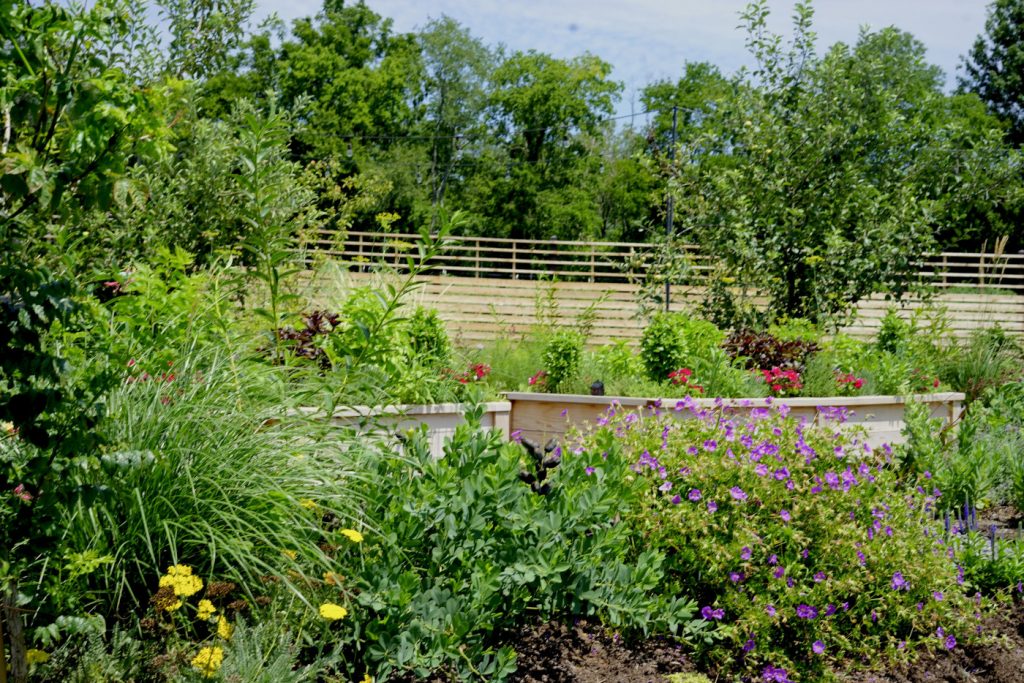
As we dive deeper into the benefits of native plants, it becomes clear that their role in gardening and the broader ecosystem is not merely advantageous—it is essential. By integrating these plants into our seasonal planting, we can create sustainable gardens that thrive with biodiversity and beauty. This practice not only revolutionizes our outdoor spaces but also contributes significantly to the health and balance of the environment around us. In exploring the variety of native plants available in your region, you may discover new favorites that will enhance both your gardening experience and the natural world. Discover the ways that these species can transform not just your backyard, but your community’s ecological footprint, and inspire a movement towards greener gardening practices.
EXPLORE MORE: Click here to discover aromatic plants for your garden</
Unlocking the Seasonal Potential of Native Species
Incorporating native plants into seasonal planting not only enhances a garden’s aesthetic appeal but also significantly contributes to the health of local ecosystems. By aligning gardening practices with native species, we support a symbiotic relationship between our cultivated spaces and the natural environment. This section delves into the multifaceted benefits that native plants bring to the table, proving that their role extends far beyond mere decoration.
One of the most compelling reasons to embrace native plants in seasonal gardens is their adaptability to local conditions. Unlike non-native species, which often require additional resources to survive, native plants are inherently suited to their environment. This adaptation results in a remarkable resilience to local pests, diseases, and climatic changes. For instance, the eastern red cedar, a native tree prevalent in the eastern United States, thrives in varying soil types and can withstand drought conditions, minimizing reliance on irrigation. Such characteristics not only make native plants easier to care for but also significantly lessen the environmental impact associated with traditional gardening practices.
Key Ecological Advantages of Seasonal Native Planting
The advantages of using native plants in gardens can be extensive. Here are some critical ecological benefits:
- Enhancing Biodiversity: By planting a variety of native species, gardeners can support a wider range of wildlife, contributing to a balanced ecosystem.
- Attracting Pollinators: Native flowers like coneflowers and bee balm are specifically designed to attract local pollinators, including bees and butterflies, which are essential for food production.
- Improving Soil Health: Established native roots enhance soil structure, allowing for better water absorption and nutrient retention, reducing the need for chemical fertilizers.
- Sequestering Carbon: Native plants play a role in carbon sequestration by capturing carbon dioxide from the atmosphere, contributing to efforts against climate change.
Integrating native plants into seasonal planting also promotes seasonal interest. With different species blooming at various times through the year, gardeners can experience a dynamic and ever-changing landscape. In spring, wildflowers such as bloodroot and violet emerge to create a colorful canvas. As the summer heat rolls in, varieties like black-eyed Susan and coreopsis take center stage, providing vibrant splashes of hue while inviting pollinators to their nectar-rich blooms. Finally, as fall approaches, the changing leaves of native shrubs and trees, such as sumac and dogwood, bring a fiery explosion of color, showcasing nature’s artistry.
Local communities also reap the rewards of embracing native plants. When neighborhoods collectively opt for native gardens, it leads to the establishment of wildlife corridors, aiding in species migration and promoting genetic diversity. A community focused on sustainability nurtures an ecosystem resilience that benefits every resident, both human and animal alike, creating a more harmonious coexistence.
In essence, the integration of native plants into seasonal gardening practices embodies a profound commitment to sustainability. As we continue to explore the vast realm of native flora and its applications, the benefits for both individual gardens and the larger ecosystem become not only clear but imperative. Adopting native plants opens up new avenues for ecological harmony and visual delight in our gardening endeavors.
| Category | Benefits |
|---|---|
| Biodiversity Enhancement | Native plants support a wide range of species, providing habitat and food for local wildlife, thus enhancing ecosystem resilience. |
| Soil Health Improvement | These plants have deep root systems that improve soil structure and prevent erosion, promoting long-term soil health and fertility. |
Native plants play a critical role in seasonal planting, yielding benefits that enrich both the garden and the broader ecosystem. For example, by choosing native species, gardeners can significantly contribute to the biodiversity of their area. Native flora attracts various pollinators, including bees and butterflies, that are crucial for pollination and maintaining the health of the ecosystem. Additionally, employing native plants supports local wildlife, forming a more balanced and sustainable environment.Moreover, the presence of native plants contributes to soil health—a fundamental aspect of any thriving garden. With their robust root systems, these plants help enhance the soil structure, allowing for better water retention and reducing runoff. This natural growth process prevents soil erosion and leads to improved fertility, creating a more sustainable gardening practice.As we delve deeper into the importance of native plants, it becomes increasingly clear that their benefits extend beyond aesthetic appeal. By incorporating them into our gardens, we can foster a healthier environment while simultaneously beautifying our spaces. Exploring the various native species available can reveal even more opportunities to enhance both personal gardens and the surrounding ecosystem.
DISCOVER MORE: Click here to learn about how weather affects pest activity
The Interconnected Web of Benefits: Native Plants and Soil Health
When we dive deeper into the advantages of using native plants in seasonal planting, one cannot overlook their significant contributions to soil health. Native plants not only serve as crucial components in the food web but also play an essential role in enhancing the biological diversity of soil organisms. Utilizing native species contributes to the creation of a rich and varied microbiome, which is vital for maintaining the overall health of soil. For example, plants like black-eyed Susan contribute organic matter to the soil as they shed leaves and flowers, nourishing beneficial microorganisms and helping to foster robust ecosystems.
Water Conservation and Erosion Control
Another compelling benefit of integrating native plants in gardening practices is their effectiveness in minimizing water usage. Native species are typically well-adapted to local rainfall patterns, making them resistant to drought and capable of thriving with minimal irrigation. This not only conserves precious water resources but also reduces the impact of runoff that can lead to erosion and the degradation of waterways. The deep roots of native perennials and shrubs, such as goldenrod or butterfly weed, stabilize soil and help retain moisture, unlike many non-native plants with shallow roots that can contribute to soil erosion. Furthermore, these native plants act as natural filters, reducing sediment and pollutants entering streams and rivers, which is crucial for maintaining water quality in surrounding ecosystems.
The Cultural Significance of Native Plants
Beyond ecological benefits, native plants hold immense cultural value for many communities across the United States. They often form the backbone of local traditions, showcasing the relationship between nature and culture. For Native American tribes, many indigenous plants serve important roles in medicine, nutrition, and spiritual practices, a heritage that fosters respect and awareness of biodiversity. By incorporating these plants into seasonal gardens, individuals can educate themselves and others about their cultural significance, ensuring that future generations appreciate both the flora and the stories they carry.
Additionally, seasonal gardening with native plants can empower local gardeners to cultivate a sense of identity and community. By participating in initiatives for native landscaping, individuals may find themselves engaged in local events promoting environmental awareness, such as native plant sales or community restoration projects. These collective efforts not only strengthen community bonds but also help raise awareness on how native species are vital to sustaining regional ecosystems.
Challenges and Considerations
<pWhile embracing native plants’ potential in seasonal planting presents numerous benefits, it is essential to approach this endeavor with a comprehensive understanding of its challenges. For instance, a common misconception is that native gardens require little maintenance; however, some native species may need occasional care to thrive, particularly during their establishment phase. Gardeners must also be conscientious about choosing native plants that are suitable for their specific environments and ensuring the use of appropriate planting techniques to maximize their success. Education around local plant varieties and their individual needs is crucial as well, allowing gardens to flourish while supporting ecosystems.
By recognizing the intricate connections between native plants, seasonal gardening, and overall ecosystem health, gardeners can actively contribute to a sustainable future. A garden teeming with native flora tells a larger story of resilience, cooperation, and the importance of preserving biodiversity, inviting all who engage with it to appreciate the beauty and complexity of our natural world.
DISCOVER MORE: Click here for effective pest control traps
Conclusion: Embracing Native Plants for a Sustainable Future
In conclusion, the role of native plants in seasonal planting extends far beyond aesthetic appeal and local heritage; it embodies a holistic approach to gardening that positively impacts both individual gardens and the overarching ecosystem. By integrating native species into our landscapes, we not only enhance biodiversity but also contribute to greater soil health, effective water conservation, and robust erosion control. These plants are adeptly suited to our local environments, requiring less maintenance and irrigation while providing essential habitat for wildlife.
Moreover, the cultural significance of native plants fosters a deeper connection with our natural surroundings. Engaging with local flora allows communities to celebrate and preserve their unique histories and traditions, ensuring future generations remain aware of the rich tapestry of biodiversity rooted in their backyards. The community-building aspect of native gardening, seen through collaborative events and educational initiatives, further strengthens local ties to the land and its resources.
As a call to action, it is essential for gardeners, landscapers, and communities to embrace the principles of native planting. The transformation of our gardens into sanctuaries for native plants will ultimately yield long-term benefits that extend to the ecosystem at large. By prioritizing native species, we can play a significant role in fostering resilience, sustainability, and harmony with nature. Dive deeper into the world of native plants, explore suitable varieties for your region, and join the collective effort to create vibrant, healthy landscapes that celebrate the essence of our local ecosystems.