The Importance of Soil Preparation for Beginner Gardeners: Essential Tips and Techniques
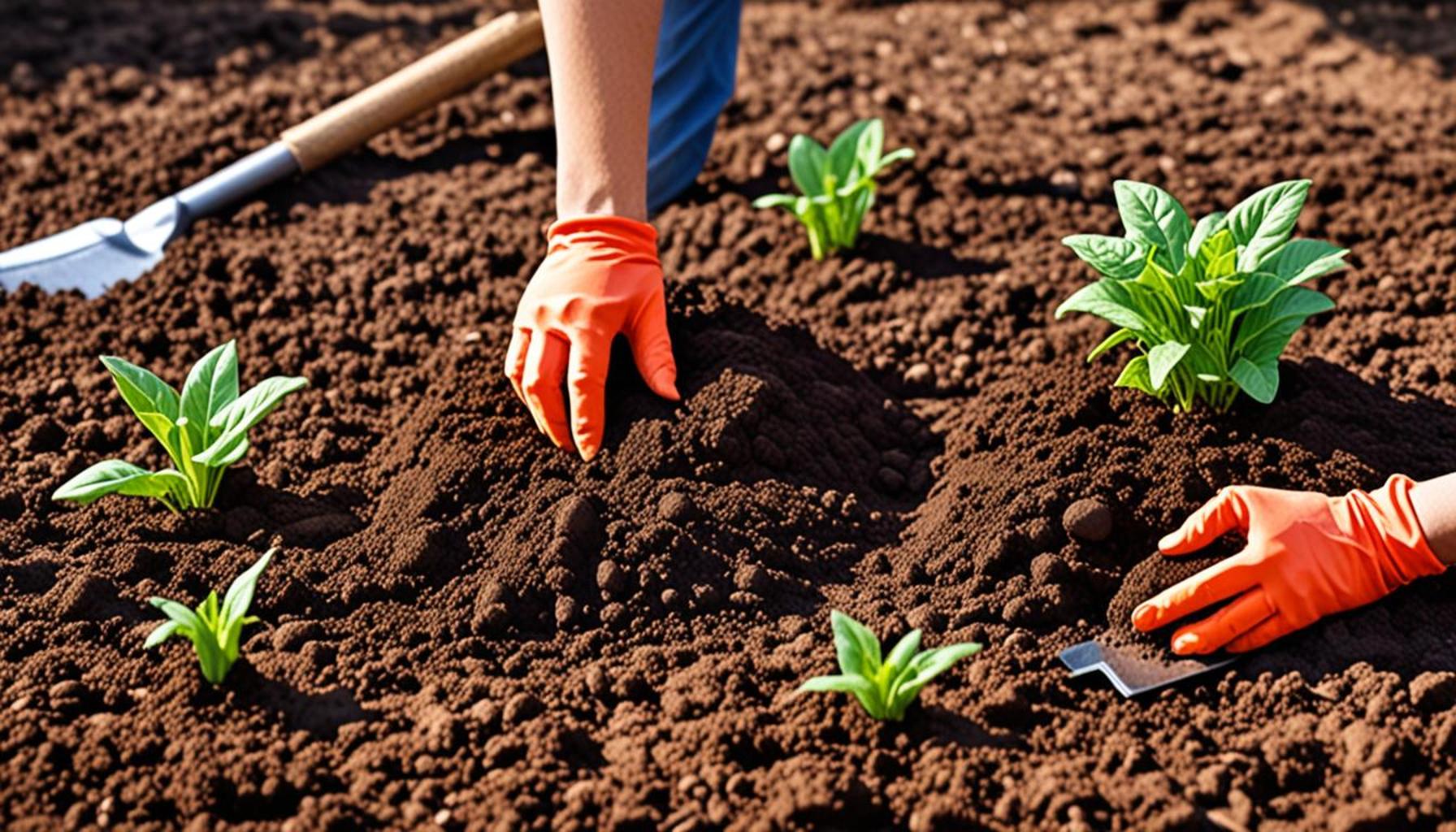
The Importance of Soil Preparation in Gardening
For beginner gardeners, the promise of cultivating a lush garden can be both exciting and daunting. The first step in this journey is soil preparation, a crucial element that can determine the success of your plants. Many novice gardeners overlook this fundamental practice, but it is the bedrock for thriving growth. Understanding the characteristics of your soil can greatly impact the outcome of your gardening efforts.
Soil serves as the foundation for your garden, providing essential nutrients, water retention, and support for plant roots. Proper preparation ensures that your plants will:
- Receive adequate nutrients for healthy growth, which are essential for photosynthesis and various metabolic processes.
- Have optimal drainage to prevent root rot, a common issue caused by waterlogged soil that suffocates plant roots.
- Establish a solid root system for stability, which is vital for the overall resilience of your plants against stressors such as wind or drought.
Engaging in thorough soil preparation not only enhances immediate growth but also builds a sustainable environment for future gardening endeavors. Essential tips for achieving the best soil condition include:
- Testing soil pH to determine nutrient levels, as different plants thrive in varying pH ranges. For instance, most vegetables prefer slightly acidic to neutral soil (pH 6.0–7.0), while blueberries thrive in more acidic conditions (pH 4.5–5.5).
- Adding organic matter like compost or well-rotted manure to enhance soil quality. Organic materials improve soil structure, increase nutrient availability, and enhance moisture retention.
- Tilling the soil to aerate and loosen it, allowing roots to penetrate easily and providing better access to oxygen.
In addition to these practices, it’s worth considering the climate and specific conditions of your region. For example, gardeners in the Southeastern states might need to address compacted clay soils, while those in the arid Southwest may focus on improving sandy soils’ ability to retain moisture.
As you embark on your gardening adventure, investing time in understanding soil preparation can yield long-term rewards. With the right techniques, you can transform your garden into a flourishing oasis, leading to a fruitful harvest. Remember that gardening is a journey that not only provides beautiful landscapes but also teaches valuable lessons about patience and the cycles of nature.
LEARN MORE: Click here to discover the benefits of mulching
Essential Tips for Soil Preparation
Soil preparation isn’t merely a chore; it is a vital investment in the thriving future of your garden. As a beginner gardener, it is important to understand the steps involved in creating the ideal soil environment for your plants. By following a systematic approach to soil preparation, you can ensure that your garden flourishes.
Understanding Your Soil Type
The first step in effective soil preparation is understanding the specific type of soil you are working with. Recognizing whether your soil is clay, sandy, silty, or loamy can inform your gardening strategy. For instance:
- Clay soil, while nutrient-rich, tends to retain water and can become compacted. Amending it with organic matter can help improve aeration.
- Sandy soil drains quickly but often lacks nutrients. Adding compost can boost its nutrient content and moisture retention.
- Silty soil is often considered ideal due to its balance of drainage and nutrient retention but may require regular tilling to avoid compaction.
- Loamy soil is a blend of clay, sand, and silt, making it suitable for most plants; however, it still benefits from organic amendments.
Conducting a Soil Test
To maximize plant health, conducting a soil test is essential. This process allows you to measure pH levels, nutrient concentrations, and the presence of any toxic elements. Various testing kits are available at garden centers or through local extension services, providing valuable information tailored to your specific region. For example, understanding whether your soil is acidic or alkaline can help you select plants that thrive under those conditions. Conducting a soil test every few years keeps you informed about any changes in your soil’s health.
Incorporating Organic Matter
One of the most beneficial practices in soil preparation is the incorporation of organic matter. Adding compost, leaf mold, or well-rotted manure not only improves soil structure but also enhances its nutrient profile. Organic matter contributes vital microorganisms that assist in breaking down nutrients, making them more accessible to plants. Furthermore, it improves soil aeration and moisture retention, creating a harmonious environment for root development.
Proper Tilling Techniques
Tilling the soil is another crucial step in preparation. By turning the soil, you are aerating it and ensuring that nutrients and moisture are evenly distributed. However, it is important to do this judiciously. Over-tilling can lead to soil erosion and the loss of beneficial soil structures. A good practice for beginners is to till the top 6 to 8 inches of soil and mix in compost or fertilizers gently to maintain a healthy soil ecosystem.
In conclusion, preparing soil is a foundational element of successful gardening. By understanding your soil type, conducting tests, enriching it with organic matter, and employing proper tilling methods, you set the stage for a vibrant garden. As you hone your gardening skills, remember that investing in soil health brings lasting results, leading to a more bountiful harvest and a satisfying gardening experience.
The Importance of Soil Preparation for Beginner Gardeners: Essential Tips and Techniques
Soil preparation is often underappreciated by novice gardeners, yet it is a crucial aspect of establishing a productive garden. Understanding the texture, nutrient content, and structure of the soil can significantly influence plant growth and overall garden health. As a beginner, it’s essential to arm yourself with a few key techniques that will serve as the foundation for your gardening success.
One of the primary techniques is testing your soil. Soil tests can reveal pH levels, nutrient deficiencies, and the presence of harmful contaminants. Many local agricultural extensions provide soil testing services that can help you understand what amendments may be needed. This step ensures that you start off on the right foot, giving your plants the best chance to thrive.
Another critical aspect is amending your soil. Based on your soil test results, you may need to add organic matter such as compost, well-rotted manure, or peat moss. These amendments not only enrich the soil with essential nutrients but also improve its texture, moisture retention, and microbial activity. This creates a thriving ecosystem for your plants, enhancing their growth potential dramatically.
Moreover, consider the method of tilling the soil. Tilling can help aerate compacted soil, allowing roots to penetrate deeper and access water and nutrients more effectively. However, be cautious about how deep you cultivate, as excessive tilling may disrupt the soil’s natural structure and harm beneficial organisms. Strike a balance to ensure the health of your soil ecosystem.
Lastly, learn the technique of layering your soil. Mulching with organic materials not only enriches the soil as it decomposes but also helps in retaining moisture and suppressing weeds. This protective layer provides a conducive environment for seeds to germinate while reducing the need for frequent watering.
By implementing these soil preparation techniques, beginner gardeners can lay a strong foundation for a flourishing garden. Remember, the health of your garden starts from the ground up!
| Soil Preparation Technique | Benefits |
|---|---|
| Soil Testing | Identifies pH levels and nutrient deficiencies for tailored soil amendments. |
| Soil Amending | Enhances nutrient content and improves soil texture for better plant health. |
| Tilling | Aerates compacted soil, promoting deeper root growth and access to nutrients. |
| Layering (Mulching) | Retains moisture, suppresses weeds, and enriches the soil over time. |
DIVE DEEPER: Click here to learn more about nurturing your houseplants
Advanced Techniques for Soil Preparation
As beginner gardeners gain confidence in their gardening journey, they may feel inclined to delve deeper into advanced soil preparation techniques. These methods can not only enhance their current garden’s productivity but also foster a sustainable growth environment for years to come. Below are essential advanced strategies that can elevate the soil preparation process.
Utilizing Cover Crops
Cover crops are an excellent strategy for improving soil health, particularly in off-seasons. Planting cover crops such as clover, vetch, or rye can prevent soil erosion, suppress weeds, and enhance soil structure. These crops add organic matter when tilled back into the soil, and some, like legumes, can fix nitrogen from the air, enriching the soil naturally. For beginner gardeners, this technique enhances nutrient availability and promotes a vibrant microbial ecosystem, making subsequent planting more fruitful.
Understanding Mulching and Its Benefits
Mulching is one of the most effective practices for maintaining soil health after it has been prepared. Applying organic materials, like straw, wood chips, or grass clippings, can help retain soil moisture, suppress weeds, and regulate soil temperature. This practice not only conserves water but also provides a slow release of nutrients into the soil as it decomposes. Beginner gardeners should consider mulching their garden beds after planting to promote healthy, ongoing soil conditions, which will ultimately support plant growth.
The Role of Drainage in Soil Preparation
Proper drainage is a critical factor in soil preparation, especially in areas prone to heavy rainfall. Waterlogged soil can suffocate plants and lead to root rot. Therefore, incorporating drainage solutions such as raised beds, installing drainage tiles, or creating mounds can facilitate better water flow and reduce the risk of plant distress. Beginners should be mindful of their garden’s topography and consider these options to enhance drainage effectively. This proactive approach helps create a stable environment conducive to plant development.
Implementing Crop Rotation
Crop rotation is not just a method for maintaining fertility over time; it is also crucial for managing soil diseases and pests. By alternating the types of crops planted, gardeners can mitigate the risk of nutrient depletion and the establishment of weeds or pests that thrive in certain conditions. For instance, following a heavy feeder, like tomatoes, with a nitrogen-fixing crop, such as beans, rejuvenates soil nutrients. This technique requires careful planning but pays off significantly in soil health and productivity.
Engaging in No-Till Gardening
The no-till gardening method is gaining traction among both novice and experienced gardeners as a means of preserving soil structure and health. Instead of turning the soil, gardeners maintain its composition while still adding organic matter directly to the surface. This technique minimizes soil disturbance, conserves moisture, and protects essential microbial life. For beginners, starting with no-till methods can seem daunting, but the long-term benefits of minimal intervention on soil ecology can lead to more resilient plant growth.
Embracing these advanced soil preparation techniques not only empowers beginner gardeners to cultivate healthier and more productive gardens but also fosters a deeper connection to the land. By understanding cover crops, mulching, drainage considerations, crop rotation, and no-till gardening, novice gardeners can enhance their gardening experience significantly while also contributing to a more sustainable ecosystem.
DISCOVER MORE: Click here for easy plant options
Conclusion: The Cornerstone of Successful Gardening
In conclusion, soil preparation is an indispensable foundation for successful gardening, particularly for beginners who are just embarking on their green-thumb journey. Understanding the nuances of soil composition, drainage, and nutrient management not only sets the stage for robust plant growth but also nurtures a sustainable ecosystem right in your backyard. As outlined in this article, essential techniques such as utilizing organic amendments, implementing mulching, and focusing on effective drainage can transform a novice gardener’s experience into a fruitful endeavor.
Moreover, as beginner gardeners grow more confident, exploring advanced practices like crop rotation and no-till gardening can yield even greater benefits for soil health and long-term productivity. These methods not only enhance the overall quality of the garden but contribute to greater biodiversity and reduced reliance on chemical inputs, aligning perfectly with today’s environmentally conscious gardening trends. The cumulative knowledge gained from mastering soil preparation will resonate through seasons, expanding one’s gardening skills while fostering a profound connection with nature.
As you step into your gardening journey, remember that the effort invested in soil preparation is a direct investment in your harvest and satisfaction as a gardener. Equipped with these essential tips and techniques, explore, experiment, and watch your garden flourish, creating a rewarding sanctuary that reflects your hard work and dedication. Dive deeper into the world of gardening and continue to uncover the rich tapestry of nature that awaits in every handful of prepared soil.