The Art of Watering: Essential Techniques for Gardening Beginners
The Role of Watering in Plant Health
Watering might seem like a simple task, but it plays a crucial role in a plant’s health and growth. For gardening beginners, mastering this essential aspect can make a significant difference between a blossoming garden and a lackluster one. To understand watering better, let’s explore some fundamental aspects that every novice gardener should consider.
Frequency of Watering
One of the first questions new gardeners often ponder is, how often should you water your plants? The answer largely depends on various factors including plant type, soil conditions, and climate. Most outdoor plants thrive on around one inch of water per week, but this can vary drastically. For instance, in regions like Florida, with its humid climate, plants may require less frequent watering compared to arid states like Arizona, where daily watering in summer might be necessary. Checking the soil’s moisture level is key; if the top inch feels dry, it might be time to water.
Timing is Everything
Another crucial consideration is when to water. Many experts suggest that watering in the early morning is ideal, as it minimizes evaporation and allows plants to absorb moisture throughout the day. Watering in the evening can also be effective, but be cautious as this can lead to fungal diseases due to prolonged moisture on the leaves overnight. Each season may provide different requirements depending on your area’s specific conditions, so remain adaptable.
Choosing the Right Method
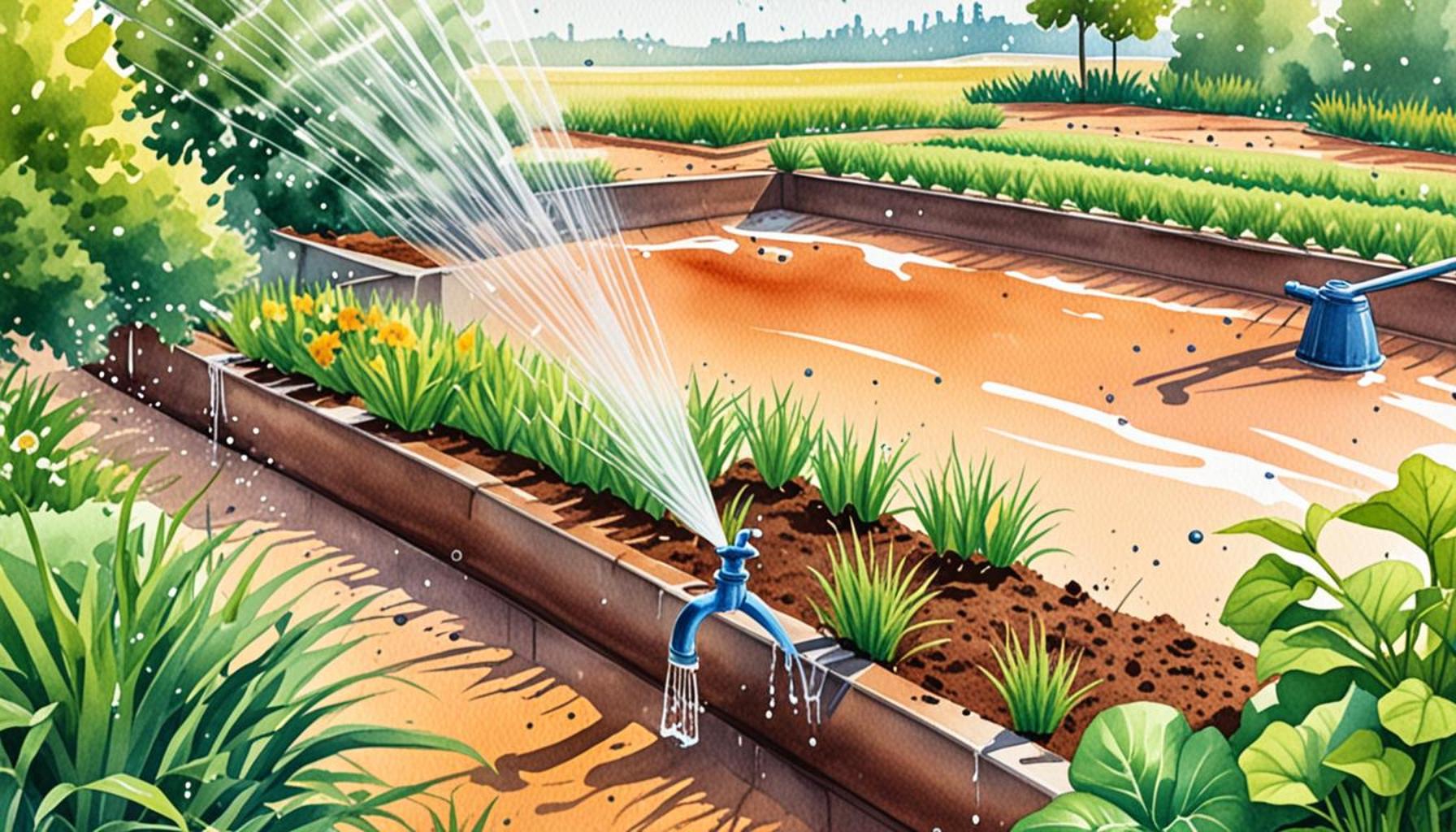
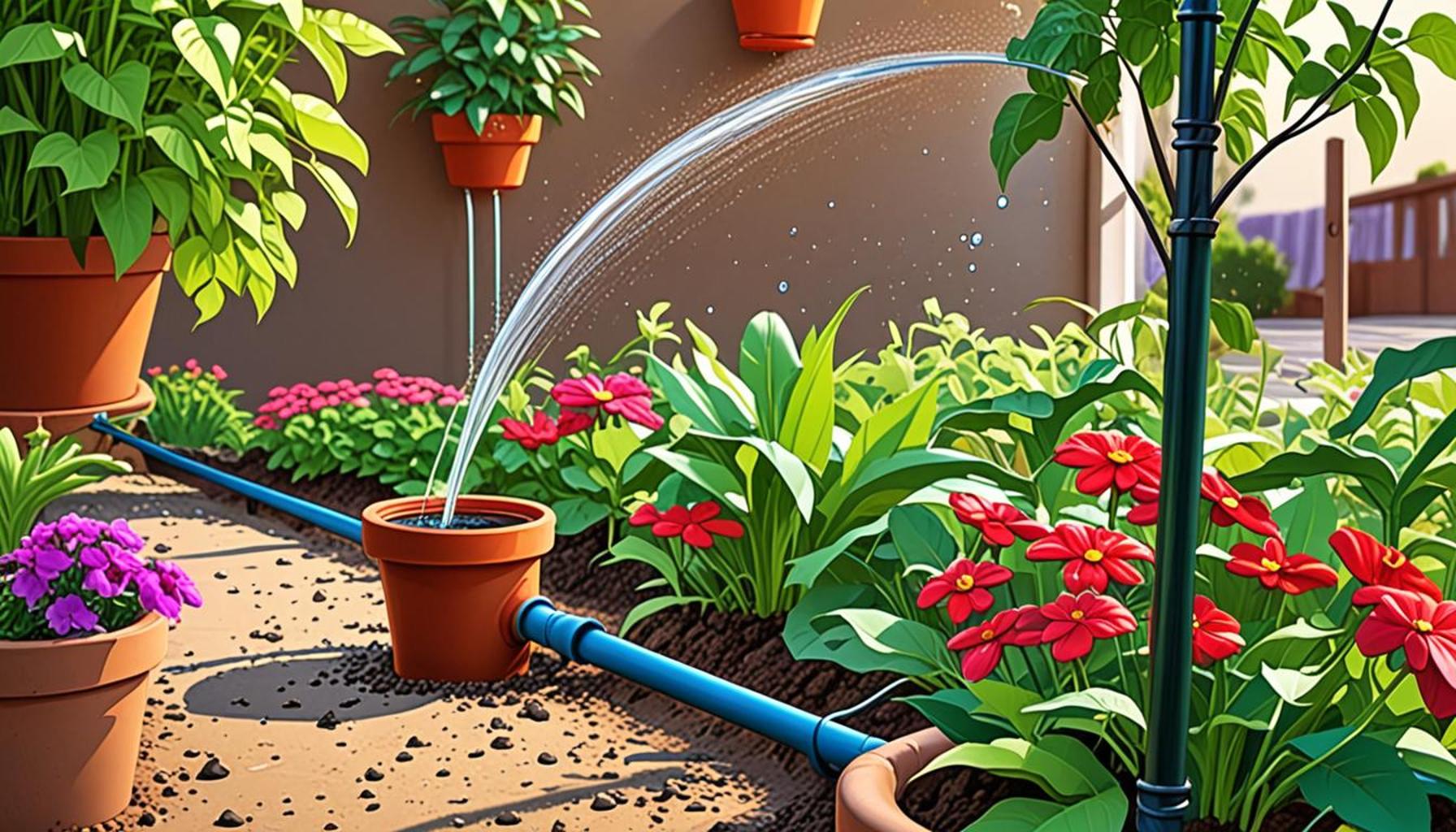
Choosing the right watering method is equally important. A watering can or hose may work well for smaller gardens, while larger plots might benefit from drip irrigation systems, which deliver water directly to the soil under each plant. This not only conserves water but also helps prevent diseases by keeping foliage dry. Furthermore, rain barrels can be a sustainable option, allowing gardeners to collect rainwater to nourish their plants, thus supporting environmental conservation.
Factors Influencing Watering Needs
Several factors can influence your watering strategy. For example, soil type impacts how quickly water drains. Sandy soils drain quickly but require more frequent watering, while clayey soils retain moisture but can lead to root rot if overwatered. Similarly, plant species must be taken into account — succulents and cacti thrive on minimal moisture, while ferns may require more consistent, higher humidity levels.
Weather conditions are another determining factor. On hot, windy days, increase the frequency of watering, as evaporation from the soil can lead to drought stress. Conversely, during cooler, cloudy times, plants will need less water, making it essential to adjust your watering schedule accordingly.
By embracing these techniques, beginners can cultivate not just plants, but also a genuine passion for gardening. As you embark on this journey, consider each aspect of proper watering as a building block for a vibrant and healthy garden. Stay tuned to discover the essential techniques that will transform your garden into a lush sanctuary, where every petal and leaf thrives. Your quest for knowledge in gardening will not only yield the fruits of your labor but also enrich your understanding of nature itself.
DISCOVER MORE: Click here to learn about companion planting
Understanding Soil Moisture
Before you turn on the hose or fill your watering can, it’s essential to understand the role of soil moisture in effective gardening. Soil acts as a reservoir for your plants, holding onto moisture that the roots will eventually absorb. Therefore, knowing how to assess soil moisture not only helps you determine when to water but also teaches you how to do so effectively. Every gardener should start by getting their hands dirty—literally. Digging into the soil with your fingers to check moisture levels provides vital feedback.
The Finger Test
A simple and reliable method for checking soil moisture is the finger test. Stick your index finger into the soil about an inch deep. If it feels dry at this depth, it’s time to water. If it still feels moist, check again in a couple of days. This technique is not only practical but also reinforces a tactile connection with your garden.
Water Absorption Rates
Understanding how quickly water is absorbed by your soil is another critical component of the watering process. Different soil types have different absorption rates, which can dramatically affect your plants’ health. Here are several common soil types and their characteristics:
- Sandy Soil: Drains quickly and requires frequent watering.
- Loamy Soil: Retains moisture well and is ideal for most plants.
- Clay Soil: Retains water but drains poorly, increasing the risk of root rot.
By identifying your soil type, you can tailor your watering method to suit your garden’s specific needs, ensuring that the plants receive just the right amount of hydration.
Mulching for Moisture Retention
If you want to optimize your watering practices, consider implementing a mulching strategy. Mulch helps to retain moisture in the soil, preventing rapid evaporation and creating a favorable microclimate for your plants. Organic mulches like bark chips, straw, or grass clippings not only conserve water but also improve soil health as they decompose. A layer of 2-3 inches is generally recommended, but be sure to leave some space around the plant stems to avoid fungal growth.
Observing Plant Symptoms
Lastly, your plants offer the best clues for their watering needs. Pay attention to the signs they display. Here are some common symptoms of under and over-watering:
- Under-watering: Wilting leaves, dry soil, and leaf curling.
- Over-watering: Yellowing leaves, mushy stems, and foul smell from the soil.
Learning to interpret these signals can guide your watering strategy effectively, allowing you to nurture your garden towards optimum health.
As you embrace these practices, you’ll find that the art of watering is as much about understanding your garden’s ecosystem as it is about the physical act itself. With every drop you provide, you will weave a stronger bond between yourself and the lush greenery surrounding you. Keep exploring these techniques to truly cultivate not just plants, but also a rewarding gardening journey.
The Art of Watering: Essential Techniques for Gardening Beginners
Understanding the essential techniques of watering is crucial for every gardening beginner. As you embark on your gardening journey, mastering this skill will dramatically enhance your plant care and garden productivity. Proper watering affects nutrient uptake, impacts plant growth, and can make the difference between a flourishing garden and a parched landscape.
One of the first things new gardeners should learn is the right timing for watering. Watering early in the morning allows plants to absorb moisture before the sun’s intense heat evaporates it. Evening watering can lead to damp foliage overnight, promoting disease, which is why mornings are best. Additionally, becoming attuned to seasonal changes will help you modify your watering frequency based on temperature and rainfall. Early preparations pay dividends!
| Category | Benefits |
|---|---|
| Soil Moisture Awareness | Prevents overwatering and underwatering, maintaining healthy roots. |
| Efficient Watering Techniques | Improves water usage, reduces waste, and promotes deeper root systems. |
Furthermore, beginners should familiarize themselves with various watering tools, such as watering cans, hoses, and drip irrigation systems. Each tool offers unique advantages and can cater to different types of plants and garden layouts. An efficient watering method not only conserves water but also enhances your plants’ growth potential by providing them with steady hydration.
Lastly, it’s crucial to observe your plants. Each species has distinct requirements, and factors like soil type and sun exposure can impact how much water they need. Keeping an eye on your garden will help you become a better gardener, adapting your watering practices to suit your plants’ changing needs.
DISCOVER MORE: Click here to start your gardening journey
Timing and Techniques for Effective Watering
Mastering the art of watering involves not just what you water but when and how you do it. Knowing the optimal timing and techniques can significantly enhance the health of your garden. Various methods cater to different garden types and specific plant needs, so understanding these can elevate your gardening game.
The Best Time to Water
Timing is crucial in maximizing water absorption and minimizing evaporation. The best times to water your plants are typically early morning or late afternoon. During these cooler parts of the day, the sun’s intensity is reduced, which helps retain moisture in the soil.
Watering in the early morning allows plants to absorb moisture before the heat of the day, whereas evening watering can lead to prolonged dampness, increasing the risk of fungal diseases. However, if you’re in a hot climate, consider using a soaker hose method which delivers water directly to the roots, minimizing evaporation while ensuring deep hydration.
Watering Techniques for Beginners
There are several effective techniques you can adopt to enhance your watering method:
- Drip Irrigation: This system delivers water directly at the root zone, making it extremely efficient and reducing water waste. Perfect for vegetable gardens and flower beds, this method allows for controlled watering and makes it easier to manage multiple plants.
- Soaker Hoses: Like drip irrigation, soaker hoses are designed to seep water slowly into the soil. They can be laid throughout your garden beds, producing a gentle, consistent moisture level. They not only save time but also provide the steady hydration plants crave.
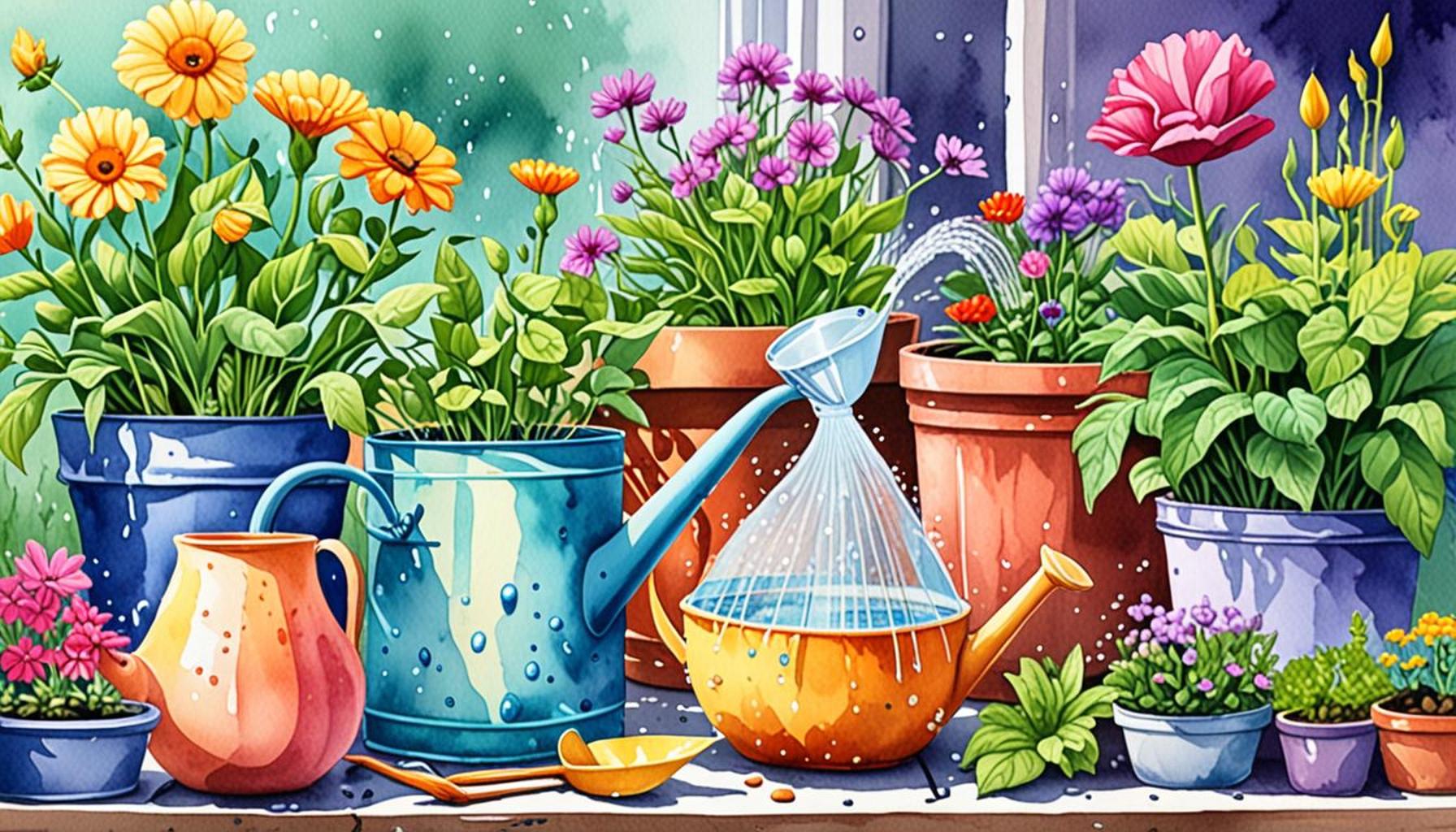
- Hand Watering: Using a watering can or hose gives you control over the amount and intensity of water applied to each plant. This method is especially effective for container gardens where individual attention is required. Aim to water deeply to encourage deep root growth.
Collecting Rainwater
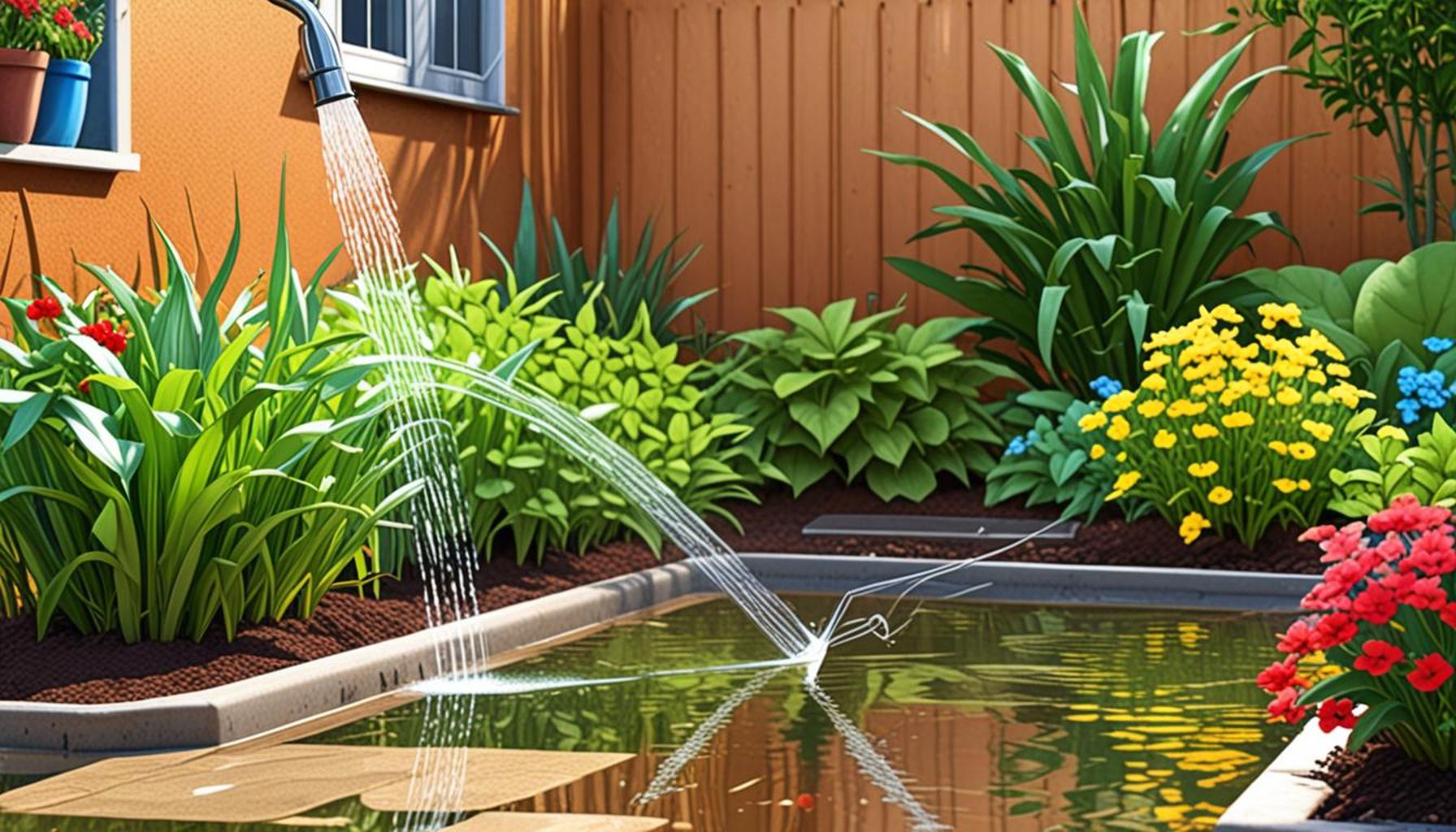
Another sustainable and cost-effective watering method is rainwater harvesting. Setting up collection barrels or tanks to gather rainwater allows you to utilize this natural resource for your garden. Not only is rainwater typically free from salts and chemicals found in tap water, but using it promotes environmentally friendly gardening practices.
Research has shown that watering with rainwater can lead to better plant growth, providing a vital resource during dry spells. If you live in a region where rain is plentiful, consider investing in a rain barrel, which can be placed under downspouts, ensuring you have enough water stored for when your plants need it most.
Watering Amounts and Frequency
Understanding how much water to give your plants is just as important as knowing when to water. As a general guideline, most vegetables and ornamental plants thrive on about 1 inch of water per week, whether from rainfall or irrigation. During dry or windy days, you may need to increase this a bit.
To determine how much water you are applying, try the catch-cup test: Place a few cups around your garden while watering and measure the total amount collected to get an idea of your watering rate. This practical method will guide you to maintain consistent watering practices suitable for your specific varieties of plants.
Practicing these watering methods enhances your gardening experience and supports the ecosystems around you. Adapt your techniques to your garden’s unique environment, and you’ll find that the simple art of watering can transform your approach to nurturing plants.
DISCOVER MORE: Click here for tips on creating a seasonal flower garden
Conclusion: Nurturing Your Garden with Water Wisely
In conclusion, mastering the art of watering is a foundational skill that every gardening beginner should embrace. By understanding the most effective techniques for watering as well as the best timing and methods, you can ensure the health and vitality of your plants. Remember, watering isn’t just about quenching thirst; it’s about creating a nurturing environment that promotes growth, resilience, and sustainability.
By practicing methods such as drip irrigation, utilizing soaker hoses, or even exploring the benefits of rainwater collection, you can foster an efficient watering routine that caters to your unique garden needs. Additionally, paying attention to seasonal variations, moisture levels, and your specific plant requirements will further enhance your watering strategy.
As you dive deeper into gardening, consider experimenting with the catch-cup test to fine-tune your watering amounts and frequency, ensuring that your garden receives just the right amount of moisture. As your confidence grows, so too will your connection with the earth and your botanical friends.
Ultimately, successful gardening is a journey of continual learning and adaptation. Embrace the art of watering as a critical element in this adventure, and watch as it transforms not only your garden but also the way you understand and interact with nature. Your green thumb awaits—let the practice of watering lead the way!