The Art of Irrigation: Essential Techniques for Gardening Beginners
Understanding the Importance of Irrigation Techniques
Mastering irrigation techniques is not merely a matter of convenience; it is fundamental to achieving a thriving garden. Each plant species has its unique water requirements, influenced by factors such as soil type, climate, and the plant’s growth stage. Therefore, a well-thought-out irrigation strategy can create a healthy environment for plants, significantly enhancing their growth, yield, and resilience against diseases.
Exploring Various Irrigation Methods
Let’s delve deeper into the key irrigation methods mentioned earlier, highlighting their benefits and applications.
- Drip Irrigation: This method is lauded for its efficiency. By delivering water directly to the roots of plants, drip irrigation minimizes water waste through evaporation and runoff. For instance, in California, where water scarcity is an ongoing concern, farmers frequently employ drip irrigation to maximize crop yields while conserving water resources. This technique is especially beneficial for crops like tomatoes and peppers, which thrive with consistent moisture at their root zones.
- Soaker Hoses: Ideal for small gardens or flower beds, soaker hoses can lay directly on the soil surface or be buried beneath mulch layers to deliver water slowly and evenly. This technique is especially useful during hot summer months, ensuring that water seeps into the soil rather than evaporating. Gardens featuring perennials or vegetables can significantly benefit from this method, as it provides a steady supply of moisture without waterlogging.
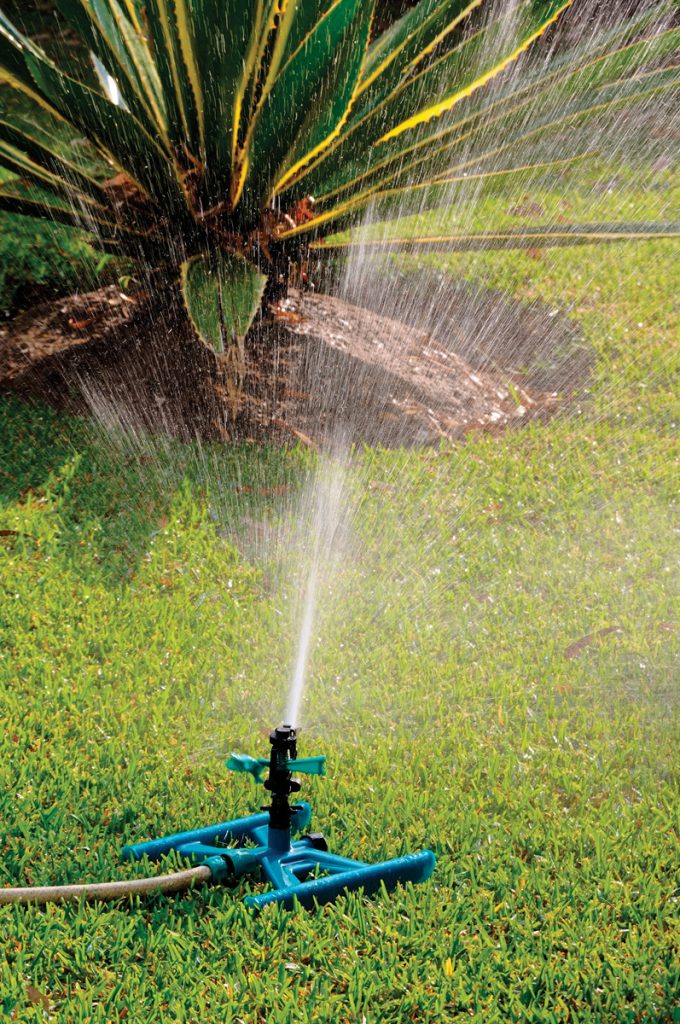
- Sprinkler Systems: These systems can cover large garden areas efficiently, making them a popular choice for lawns and extensive flower gardens. Automated timers can enhance their effectiveness by ensuring consistent watering schedules based on local weather conditions. However, it’s essential to adjust the sprinkler heads to prevent runoff and ensure water reaches the intended plants, not pavement or walkways.
- Hand Watering: While more labor-intensive, hand watering offers the advantage of personalized care. Gardeners can observe their plants closely, allowing for a more nuanced approach to watering based on the specific needs of each plant. This method is particularly useful for container gardens, where different pots may require varied watering frequencies.
Recognizing Plant Needs and Timing
The timing of irrigation plays an equally crucial role in plant health. For example, vegetables such as cucumbers and zucchini thrive with consistently moist soil, while others like sage and lavender prefer drier conditions. Understanding seasonal weather patterns and soil moisture levels can further refine your irrigation strategy. For instance, watering early in the morning can reduce evaporation and ensure that plants are hydrated before the midday heat.
Beyond ensuring plant survival, effective irrigation influences environmental sustainability. Good watering practices promote biodiversity by encouraging a diverse array of plants to thrive, which can attract beneficial insects and pollinators. As gardeners become more mindful of their watering choices, they contribute to healthier ecosystems and robust gardens.
In conclusion, whether you are a novice gardener or an experienced horticulturist, grasping the diverse irrigation techniques available can transform your gardening experience. With the right knowledge, you not only cultivate vibrant plants but also play an essential role in conserving natural resources, promoting sustainability, and enhancing the beauty of your outdoor space.
LEARN MORE: Click here to discover how to create a no-till garden bed for better soil health.
Navigating the Essentials of Irrigation for Your Garden
For beginner gardeners, understanding the basics of irrigation can seem daunting. Yet, the foundation of successful gardening lies in mastering the art and science of watering. Proper watering techniques not only fulfill the hydration needs of plants but also promote nutrient absorption, root development, and overall plant health. In this section, we will explore fundamental irrigation techniques that can help every novice gardener make informed decisions and foster a lush, thriving garden.
Key Principles of Effective Irrigation
Before diving into specific watering methods, it’s crucial to comprehend some basic principles that govern effective irrigation. Here are the key factors every gardener should consider:
- Soil Type: Different soils have varying water retention properties. Sandy soils drain quickly, while clay soils hold onto moisture for longer. Understanding your garden’s soil composition will help you determine how much and how often to water.
- Plant Selection: Each plant species has its own unique water needs. For instance, succulents require far less water than leafy greens. Grouping plants with similar requirements can optimize your watering efforts.
- Weather Patterns: Local climate conditions play a significant role in determining when and how much to water. Staying attuned to seasonal changes can help you adjust your irrigation approach accordingly to avoid under- or over-watering.
- Mulching: Applying a layer of mulch around your plants can significantly reduce evaporation, help maintain soil temperature, and prevent weed growth. Mulch can be composed of bark, straw, or even grass clippings, and serves as a vital tool in your irrigation arsenal.
To implement these principles effectively, beginners should consider establishing a regular watering schedule. Consistency is key. Early morning or late afternoon are often considered optimal times to water, as they allow plants to absorb moisture before the sun’s heat causes excessive evaporation. Keeping the soil evenly moist rather than overly saturated will encourage roots to grow deeper, fostering a strong and resilient plant.
Innovative Tools for Garden Irrigation
As technology advances, innovative tools have emerged to simplify the irrigation process, making life easier for gardening novices. Here are a few essential tools that can enhance your irrigation efforts:
- Water Timers: These automated devices can be programmed to water your garden at specific times of the day, ensuring optimal hydration without the risk of over-watering.
- Soil Moisture Meters: Utilizing a soil moisture meter can take the guesswork out of your irrigation routine. By measuring the moisture levels in the soil, gardeners can determine when their plants truly need a drink.
- Rain Barrels: Collecting rainwater to use in your garden is an eco-friendly and cost-efficient irrigation strategy. It not only conserves water but also provides a natural source of hydration for your plants.
Incorporating these tools seamlessly into your gardening practices can not only simplify your irrigation process but also support sustainable gardening efforts. With the right foundation in place, you can cultivate a garden that is as beautiful as it is bountiful.
| Irrigation Technique | Advantages |
|---|---|
| Drip Irrigation | Water efficiency is maximized by delivering water directly to the roots, reducing evaporation and runoff. |
| Soaker Hoses | Ease of use allows beginners to water their gardens without complicated setups, promoting a healthier garden. |
| Sprinkler Systems | Versatility in coverage areas makes them suitable for various garden sizes, ensuring even distribution of water. |
| Rainwater Harvesting | Eco-friendly practice that conserves water and reduces utility bills, encouraging sustainable gardening. |
When exploring the art of irrigation, beginners often encounter various techniques and each brings its own unique benefits. Drip irrigation stands out for its ability to deliver water exactly where plants need it, minimizing waste. Soaker hoses offer simplicity, making it easier for novices to keep their gardens hydrated without fuss. Meanwhile, sprinkler systems provide flexibility, catering to both small and expansive gardens. Additionally, integrating rainwater harvesting not only promotes sustainability but also enhances the overall health and vitality of your gardening ecosystem. Understanding these techniques will undoubtedly lead to more fruitful gardening experiences. Keep in mind that proper irrigation is essential for plant growth and effective resource management. Investigate these methods further to discover how they can transform your gardening practices.
FOR MORE TIPS: Click here
Watering Techniques for Diverse Garden Needs
With the fundamentals of irrigation established, it’s vital to delve into various watering techniques that cater to different types of gardens and conditions. Every gardener faces unique challenges, and understanding the right methods can significantly enhance plant health and yield. Below, we explore several effective watering techniques that beginners can easily adopt for their gardening endeavors.
Drip Irrigation: Precision at Its Best
One of the most efficient irrigation methods, drip irrigation, involves delivering water directly to the base of plants through a system of tubes and emitters. This technique minimizes water waste by ensuring that soil and roots are moistened without flooding the surrounding area. For novice gardeners, this method offers several advantages:
- Water Conservation: Drip irrigation uses up to 50% less water compared to conventional methods, making it an environmentally-friendly choice.
- Reduced Weed Growth: By directing water to the plants only, other areas remain dry, which discourages weed development and competition for resources.
- Less Fungal Disease: Water is applied at the root level, reducing the moisture around leaves and decreasing the risk of fungal diseases caused by wet foliage.
With kits readily available at garden centers, even beginners can set up an efficient drip irrigation system tailored to their garden layout.
Soaker Hoses: Ease and Versatility
Soaker hoses are another excellent option for beginner gardeners seeking watering techniques that require minimal effort. These porous hoses, when laid out on the soil, release water gently along their length, soaking the ground evenly. Benefits of using soaker hoses include:
- Time-Saving: Simply connect to a water source and let the hose do the work, allowing you to focus on other tasks without the constant attention needed for traditional watering.
- Adaptability: Soaker hoses can be maneuvered around established plants or laid under mulch to prevent evaporation, maximizing water efficiency.
Gardeners can also easily cut soaker hoses to fit specific garden layouts, making them a versatile choice for various planting arrangements.
Hand Watering: The Traditional Touch
While modern methods offer convenience, there is something deeply satisfying about traditional hand watering. For small gardens or container plants, using a watering can or hose with a spray nozzle allows for close inspection of plant health. Here are some reasons to embrace this method:
- Personal Observation: Hand watering gives gardeners a chance to examine plants closely, spotting pests or diseases that might be missed with automated systems.
- Flexibility: Adjusting water flow and pressure enables targeted watering for individual plants or specific areas of the garden, ensuring that each plant receives the right amount of water.
This method not only supports plant health but also fosters a deeper connection between gardener and garden, making it a favored technique for many.
Adapting to Seasonal Needs
As seasons change, so too should your watering practices. Seasonal irrigation adjustments are critical. For instance:
- Spring: With the arrival of warmer weather, plants start to awaken after winter dormancy. Gradually increasing your watering frequency can help support new growth.
- Summer: During peak heat, consider deep watering sessions that encourage roots to reach deeper for moisture, while monitoring for signs of heat stress.
- Fall: As temperatures cool, reduce the frequency of watering, allowing plants to prepare for dormancy. This can fortify them for the winter months ahead.
By becoming attuned to the changing irrigation requirements throughout the seasons, novice gardeners can ensure their plants thrive year-round. With these watering techniques at your disposal, you are well-equipped to handle the art of irrigation effectively.
DIVE DEEPER: Click here to discover more about pollinator-friendly plants</
Conclusion: Cultivating Your Irrigation Skills
In the realm of gardening, mastering irrigation techniques is an invaluable skill that can dramatically influence your plants’ growth and overall garden health. As we’ve explored, methods like drip irrigation, soaker hoses, and traditional hand watering each offer unique advantages that cater to diverse gardening needs. Whether you’re nurturing seedlings in containers or cultivating a lush outdoor garden, understanding how to adapt your watering strategies seasonally can significantly enhance your gardening experience.
Moreover, being mindful of your garden’s specific requirements encourages sustainability and efficiency, ultimately leading to healthier plants and blossoming results. By adopting these essential techniques, you not only conserve precious water resources but also become more attuned to the needs of your garden. It’s a journey of growth—not just for your plants, but for your skills as a gardener.
As you embark on this fulfilling venture, remember that experimentation is part of learning. Take the time to adjust your methods, observe the outcomes, and refine your approach. Equip yourself with knowledge about your local environment, understand your plants’ needs, and embrace the art of irrigation as a core component of your gardening journey. Ultimately, the greatest reward is the vibrant life that flourishes under your care.