Sustainable Irrigation Methods: How to Use Rainwater in Your Garden
The Benefits of Integrating Rainwater Harvesting Into Your Garden
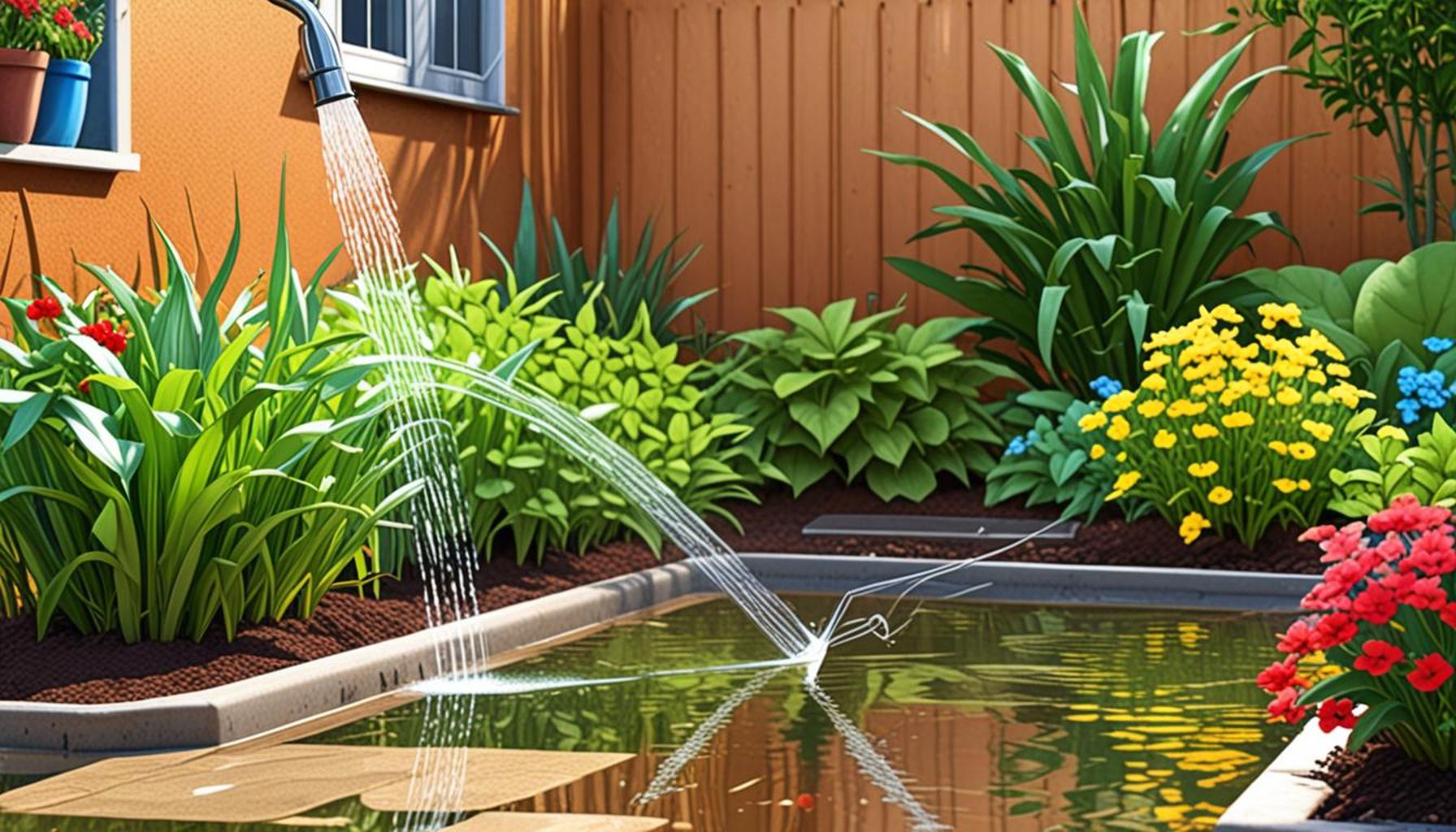
Water scarcity is becoming a pressing issue in many regions of the United States. As the demand for sustainable practices grows, using rainwater in your garden is an innovative solution that not only conserves resources but also benefits your plants. By adopting sustainable irrigation methods, gardeners can cultivate healthy, vibrant landscapes while minimizing their environmental footprint. Rainwater harvesting allows you to leverage a natural resource that is often overlooked, transforming how we approach gardening.
Why Choose Rainwater Harvesting?
Rainwater harvesting offers several advantages for homeowners and gardeners alike. Here are some key benefits:
- Cost-effective: Utilizing rainwater can significantly reduce your water bills, particularly in areas with high municipal water costs. For instance, in regions like California, where drought conditions have led to stricter water use regulations and higher water pricing, collecting rainwater can help homeowners save hundreds of dollars annually.
- Eco-friendly: By relying on rainwater, you decrease your dependence on municipal water systems, which can be resource-intensive to maintain. Furthermore, this practice helps to lower runoff that can lead to water pollution and erosion.
- Nutrient-rich: Collected rainwater is typically free of the chemicals and additives found in treated municipal water, making it an ideal choice for irrigation. This natural source is beneficial for your plants, promoting healthy growth without the risk of chemical exposure.
Implementing these methods can significantly enhance the resilience of your garden. Whether you have a small urban balcony or a sprawling backyard, there are various effective ways to incorporate rainwater into your irrigation strategy, fostering a more sustainable environment.
Explore Your Options
Curious about the best practices for rainwater usage? Here are some sustainable methods to consider:
- Rain barrels: These are perhaps the simplest way to start capturing rainwater. By placing a barrel under a downspout, you can collect stormwater that would otherwise be lost to drainage. Rain barrels can range in size and contribute to your garden’s needs throughout the dry months.
- In-ground cisterns: For those looking for a more extensive solution, in-ground cisterns store larger quantities of rainwater and can be connected to your irrigation system. While these systems require a more significant initial investment, they can provide a sustainable water source for larger gardens or homes in arid regions.
- Permeable landscaping: This technique involves designing your garden with porous surfaces that allow rainwater to seep into the ground. Using gravel instead of traditional pavement or planting native plants that thrive on rainfall can enhance your garden’s sustainability.
By embracing these techniques, you can contribute to sustainability while creating a flourishing garden that thrives on rainwater. Not only does rainwater harvesting present an opportunity for conservation, but it also fosters community engagement and awareness about the preciousness of our water resources. Join us as we explore the transformative world of sustainable irrigation and discover how these practices can benefit both you and the environment.

DISCOVER MORE: Click here to uncover the best shade-loving plants
Harnessing Rainwater: Techniques for Your Sustainable Garden
Rainwater harvesting is not only an environmentally conscious choice but also a practical strategy for any gardener aiming to thrive amidst growing water scarcity and rising utility costs. Utilizing sustainable irrigation methods to capture and use rainwater maximizes the natural resources already falling onto your property. With the right techniques, you can create a flourishing garden ecosystem that benefits both your plants and your wallet.
The Power of Rain Barrels
One of the simplest yet effective methods to start harnessing rainwater is through the use of rain barrels. These containers can easily be installed beneath downspouts to collect runoff from your roof. A typical rain barrel can hold anywhere from 50 to 100 gallons of water, which provides a substantial resource during dry spells. As an added bonus, many municipalities offer rebates to encourage homeowners to set up these systems, making it an economically savvy investment that reduces water costs.
When choosing a rain barrel, consider the following:
- Material: Plastic, wood, and metal are common materials. Look for models that are UV resistant to prolong durability.
- Installation: Ensure the barrel sits elevated to facilitate gravity flow when watering your garden.
- Safety: Invest in a barrel with a screened top to prevent mosquito breeding and debris accumulation.
In-Ground Cisterns: A Long-term Investment
For more robust water storage needs, especially in larger landscapes or drought-prone regions, consider an in-ground cistern. These underground storage tanks can hold thousands of gallons of rainwater and can be plumbed directly into your landscaping irrigation system. Though the installation cost is higher upfront, in-ground cisterns can significantly reduce your long-term water use and provide a reliable source of irrigation regardless of weather conditions.
In-ground cisterns are particularly beneficial in areas facing frequent droughts. According to the United States Geological Survey, regions like the Southwest are expected to experience decreased precipitation and increased evaporation in the coming years. A cistern provides a buffer against these changes in environmental conditions, ensuring your garden remains healthy and vibrant.
Permeable Landscaping: A Natural Approach
Another innovative method for utilizing rainwater is through permeable landscaping. This technique promotes water absorption into the soil rather than directing it away through traditional drainage systems. By incorporating gravel paths, permeable pavers, or rain gardens, you can allow rainwater to seep directly into the ground, nourishing plants and replenishing groundwater.
Some benefits of permeable landscaping include:
- Reduced runoff: Helps prevent erosion and diminishes water pollution.
- Improved soil health: Increased infiltration supports healthy root systems and encourages beneficial microorganisms.
- Water conservation: Minimizes the need for supplemental irrigation during dry periods.
Embracing these sustainable irrigation methods allows gardeners to tap into an abundant, natural resource. By capturing and utilizing rainwater, you not only promote healthier plant growth but also contribute to a more sustainable and resilient ecosystem in your community. Whether you opt for rain barrels, cisterns, or permeable landscaping, the opportunities for incorporating rainwater into your garden are plentiful and impactful.
Expanding on sustainable irrigation methods, utilizing rainwater harvesting offers a myriad of benefits for gardeners looking to embrace eco-friendly practices. Rainwater is a free, natural resource that can significantly reduce water bills and reliance on municipal supplies. By collecting rainwater from roofs and other surfaces, gardeners can create a self-sustaining irrigation system that reuses this vital resource, promoting conservation.
Moreover, rainwater typically contains fewer chemicals than tap water, making it an ideal option for various plants and vegetables in your garden. This natural water source can alleviate the concerns associated with chlorine or fluoride often found in municipal water supplies, leading to healthier plants and improved soil quality. Additionally, using rainwater can help prevent stormwater runoff, subsequently reducing pollution and improving local water quality.
Implementing a rainwater collection system is fairly simple, involving the installation of rain barrels or tanks at eaves of rooftops. These systems not only store water for dry spells but can also come equipped with filtration systems to ensure the water is clean and usable. As you move forward with your gardening, consider the best practices for rainwater collection, such as strategic placement of barrels, ensuring clean collection surfaces, and monitoring for contaminants.
By adopting these sustainable water practices, you contribute to environmental conservation while nurturing a flourishing garden. Explore various methods and tools available for rainwater harvesting and discover how you can implement this beneficial practice in your gardening routine.
| Category | Benefits |
|---|---|
| Cost Savings | Reducing municipal water usage leads to lower utility bills. |
| Healthier Plants | Rainwater is free of chlorine and other harmful chemicals. |
| Environmental Impact | Reduces stormwater runoff and saves natural water resources. |
DON’T MISS: Click here to uncover more about plant diversity and pest reduction
Innovative Techniques for Rainwater Utilization
As gardeners seek to embrace sustainable irrigation methods, the effective use of rainwater takes on new dimensions. Beyond rain barrels and cisterns, there are a multitude of other techniques that can enhance how you collect and utilize this precious resource, leading to greater efficiency and resilience in your garden.
Swales: Harnessing Nature’s Contours
One innovative technique for utilizing rainwater is the construction of swales. These shallow, wide channels are designed to follow the natural contours of your landscape, capturing rainwater runoff and directing it into soils where it can benefit plant roots. Swales can be strategically placed within your garden to maximize rainwater infiltration, providing a sustainable irrigation method that not only conserves water but also reduces soil erosion.
Benefits of swales include:
- Nutrient retention: As rainwater collects in the swale, it can hold and gradually release nutrients back into the surrounding soil.
- Fire prevention: In dry areas, swales can slow down the spread of wildfires by creating breaks in the landscape.
- Aesthetic appeal: Curved swales can enhance the visual interest of your garden while promoting a diverse range of plant life.
Rain Gardens: Aesthetic and Functional Ecosystems
Rain gardens offer a dual purpose by acting as both a picturesque landscape feature and a practical rainwater management solution. These specialized gardens are designed to collect and filter stormwater runoff, allowing rainwater to soak into the ground instead of overwhelming storm drains. By planting native plants that thrive in wet conditions, you can establish a sustainable ecosystem that attracts beneficial wildlife while keeping your garden hydrated.
To successfully create a rain garden, consider the following:
- Location: Position your rain garden at least 10 feet away from your home’s foundation to prevent water damage.
- Size: The garden should be roughly 10% of the area draining into it for optimal water absorption.
- Plant selection: Choose a mix of native plants that can tolerate both wet and dry periods, ensuring sustainability and minimal maintenance.
Drip Irrigation: Precision Watering
For those who desire efficiency within their gardens, drip irrigation systems serve as an ideal solution for delivering rainwater directly to the plant roots. This method employs a network of tubing, emitters, and connectors to ensure that water is applied precisely where needed, minimizing waste and evaporation. By combining a rainwater collection system with a drip irrigation setup, you create a holistic approach to sustainable gardening.
Advantages of drip irrigation include:
- Water efficiency: Drip systems can allow for up to 90% efficiency in water usage, compared to traditional methods.
- Reduced weed growth: Targeted watering discourages weed germination, granting your plants a competitive advantage.
- Soil preservation: Less erosion occurs due to regulated water application, which is vital for maintaining healthy soil structure.
These innovative techniques not only contribute to the effective use of rainwater but also promote a resilient garden ecosystem. By implementing methods such as swales, rain gardens, and drip irrigation, you can transform your gardening practices into a sustainable model that conserves valuable resources while enhancing your outdoor space. Engaging with these diverse strategies cultivates a deeper connection to our environment, reinforcing the importance of sustainable practices in tackling challenges posed by climate change and water scarcity.
DISCOVER MORE: Click here to enhance your home’s air quality
Conclusion: Embracing Sustainable Irrigation for a Greener Future
In an era of increasing environmental awareness, embracing sustainable irrigation methods by utilizing rainwater in your garden emerges as a powerful means to conserve vital resources and enhance biodiversity. Through innovative practices such as swales, rain gardens, and drip irrigation systems, gardeners can transform their landscape into a sustainable haven that thrives on nature’s abundant gifts.
The integration of these techniques not only optimizes the use of rainfall but also enriches the soil, supports local wildlife, and enhances the aesthetic appeal of your garden. As you customize your gardening approaches, consider the unique features of your landscape and select methods that align with your goals for both plant health and environmental stewardship.
Further engagement with these sustainable irrigation methods also allows you to join a growing community of responsible gardeners seeking to mitigate the impacts of climate change and water scarcity. Every effort made towards capturing and using rainwater not only nurtures your garden but can also inspire others to adopt similar practices, thereby forging a collective movement toward sustainability.
To explore more about rainwater harvesting techniques and their long-term benefits, delve deeper into gardening resources and perhaps even connect with local environmental groups. Your garden can be more than just a patch of greenery; it can be an integral part of a larger mission to protect our planet.