Selecting Plants for Raised Bed Gardening: Optimizing Growth in Elevated Spaces
The Advantages of Raised Bed Gardening
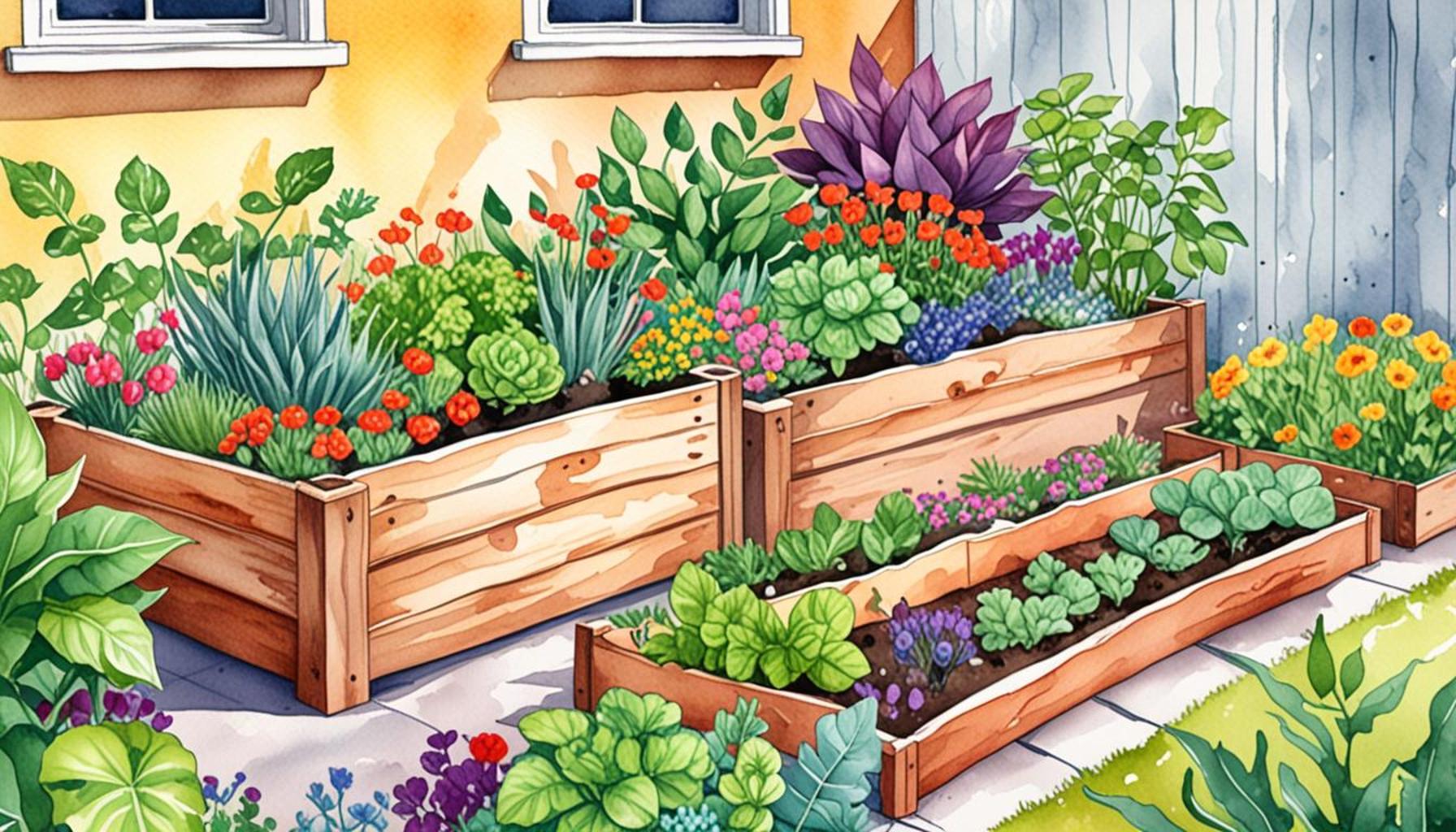
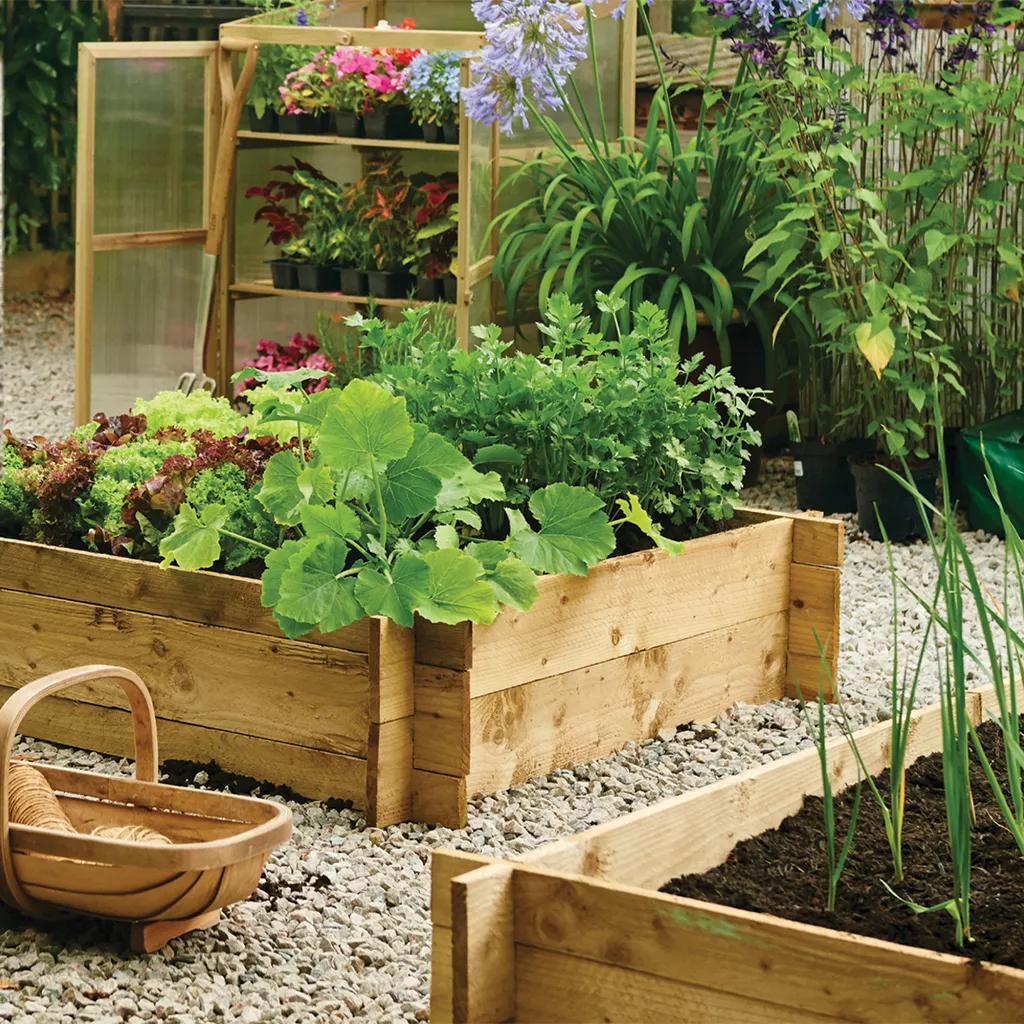
Gardening in raised beds has become increasingly popular among gardening enthusiasts for various reasons. Beyond the aesthetic appeal of neatly arranged plots, raised beds significantly enhance soil drainage, which is crucial for preventing waterlogged roots and promoting healthy plant growth. Additionally, these elevated structures provide easier access for gardeners, especially for those with limited mobility. Furthermore, raising the bed off the ground can deter certain pests and diseases that typically thrive in traditional garden beds close to the soil.
Key Factors in Plant Selection
When considering what to plant in your raised beds, it’s essential to take several factors into account to ensure a successful growing season.
- Climate: Understanding your local climate and the corresponding USDA Hardiness Zone can guide your plant choices effectively. For instance, if you reside in zone 7, opting for plants like rhubarb, blueberries, or zucchini can yield excellent results, as these species are well-suited to the temperature variations and growing conditions typical of that zone.
- Space: The size of your raised bed can significantly influence plant selection. A smaller bed may only accommodate a few crops, while a larger bed can support a wider variety and larger plants. For example, if you have a 4×4-foot raised bed, consider growing strawberries alongside spinach or myriad herbs, allowing for both vertical and horizontal expansion.
- Season: Maximizing your garden’s productivity involves cultivating both cool-season and warm-season crops. While peas, lettuce, and broccoli are excellent cool-season choices, you can follow them with warm-season plants like tomatoes, peppers, or cucumbers to extend your growing period effectively.
- Companion Planting: Some plants are natural allies and can thrive when grown together. For example, planting basil with tomatoes can enhance growth and flavor while simultaneously repelling harmful insects. Researching companion planting can lead to fruitful combinations that boost the overall health of your garden.
Popular Choices for Raised Bed Gardening in the U.S.
Across the United States, certain crops have proven to be favorites for raised bed gardeners. These selections are not only known for their tastes and culinary uses but also for their ease of cultivation in confined spaces. Some favorites include:
- Lettuce and Greens: Quick-growing and versatile, varieties like romaine and arugula can be sown successively for ongoing harvests.
- Tomatoes and Peppers: Trusty staples in the summer garden, both thrive in raised beds as long as they receive adequate sunlight and support structures.
- Herbs: Aromatic herbs such as basil, cilantro, and parsley flourish in the nutrient-rich confines of raised beds, offering fresh flavors to dishes.
- Root Vegetables: Carrots, radishes, and beets are well suited for raised beds, as their taproots benefit from the loose soil structure that is easier to manage in elevated plots.
As you delve deeper into the world of raised bed gardening, understanding the subtleties of plant selection will lead to bountiful yields. Exploring the fascinating possibilities of cultivating diverse plant varieties in compact, thoughtfully arranged spaces can transform your gardening experience, whether you’re a beginner or looking to deepen your expertise.
DISCOVER MORE: Click here to uncover beginner-friendly options
Understanding Plant Needs in Raised Beds
Choosing the right plants for your raised bed garden is pivotal, as different species have unique requirements regarding sunlight, water, soil, and nutrients. Before selection, it is vital to assess not only your available space but also the needs of the plants you wish to cultivate.
Sunlight Requirements
Most vegetables and herbs thrive in full sun, which is defined as receiving at least 6 to 8 hours of direct sunlight daily. However, some plants can tolerate partial shade. Understanding the light requirements specific to your selected plants ensures that they receive adequate energy for growth. For example, tomatoes and peppers flourish under full sun, while leafy greens like spinach and lettuce can succeed in less intense conditions. Therefore, it’s crucial to plan your garden layout accordingly, placing sun-loving varieties where they can bask in the light while providing shade for those that prefer cooler conditions.
Water Needs
The capacity of raised beds to drain efficiently promotes healthy root systems but also necessitates careful attention to watering practices. Different plants have varying water needs, making it essential to group those with similar requirements. For instance, zucchini and cucumbers require consistently moist soil, while herbs like rosemary prefer drier conditions. Implementing a moisture meter can facilitate monitoring soil humidity and help prevent overwatering, which is a common pitfall for many gardeners.
Soil Composition and Nutrients
The quality of soil in raised beds greatly influences plant health. A blend of high-quality topsoil, compost, and other organic materials aids in providing essential nutrients while enhancing soil structure. Incorporating organic fertilizers can also deliver necessary macronutrients such as nitrogen, phosphorus, and potassium, ensuring that your plants receive the nourishment they need for optimal growth. For example, the addition of blood meal can boost nitrogen, vital for leafy green growth, while bone meal supports root and flowering health in plants like carrots and beets.
Assessing Plant Size and Maturity
Raised bed gardens have limited space, making it important to consider the mature size of plants when planning your garden layout. Certain plants can grow considerably larger than their initial size indicates, thus requiring ample space to thrive. For example, while compact varieties of broccoli or eggplants may seem manageable, standard forms can overwhelm a small plot. Utilizing vertical gardening techniques, such as trellises for climbing plants like peas and beans, can maximize space while giving plants the room they need to flourish.
Overall, optimizing plant selection based on their specific needs not only enhances growth but fosters a more sustainable and productive gardening experience. Understanding light, water, soil, and spatial requirements ultimately transforms the way we approach raised bed gardening, setting the stage for fruitful harvests and satisfied gardeners.
When it comes to selecting plants for raised bed gardening, there are several factors to consider that can significantly enhance plant growth and yield. The elevated nature of raised beds allows for improved drainage and aeration, thereby preventing waterlogging and root rot. Additionally, the soil warms faster in raised beds, extending the growing season, especially in cooler climates. One of the most critical aspects of optimizing growth in your raised garden bed is understanding companion planting. This method involves placing plants together that can benefit one another, thereby maximizing productivity. For instance, planting tomatoes with basil not only improves the flavor of the tomatoes but also helps repel pests that commonly affect them. Meanwhile, the dynamic duo of peas and carrots utilizes space efficiently as the peas grow vertically and the carrots spread below.Another significant advantage of raised bed gardening is the ability to customize soil mixtures tailored to specific plant needs. By combining organic materials such as compost, peat moss, and perlite, you can create an ideal texture and nutrient profile that supports growth, which differs greatly from the native soil composition in your garden. Furthermore, you can control nutrient inputs, ensuring that plants receive the right macronutrients and micronutrients essential for healthy growth.As you choose plants, consider your local climate, sunlight exposure, and the overall growth habit of potential species. Opt for fast-growing varieties like spinach or lettuce for quick harvests, or choose perennial herbs that return year after year. By taking the time to research and plan your plant selection according to these criteria, you’ll cultivate a flourishing raised bed garden that maximizes both flavor and yield. Engaging with local gardening communities or utilizing extension services can further guide you in making informed choices tailored to your specific environment. Additionally, maintaining a garden journal allows you to track what works best in your raised beds, thus continually optimizing your growth strategy as the seasons change.
DISCOVER MORE: Click here to learn about the benefits of attracting predatory insects</p
Cultivating Diversity: Companion Planting and Crop Rotation
While understanding the individual needs of plants is fundamental, considering how these plants interact within your raised bed garden can lead to a symbiotic growing environment. Companion planting utilizes the natural relationships between plants to deter pests, maximize space, and enhance growth. For instance, planting marigolds alongside vegetables such as tomatoes and peppers can help repel nematodes and other pests. Meanwhile, the classic combination of corn, beans, and squash, also known as the “Three Sisters” in Native American agriculture, illustrates how diverse plants can support each other’s growth: the corn provides a natural trellis for the beans, the beans fix nitrogen into the soil, and the squash covers the ground to prevent weeds from emerging.
Understanding Plant Compatibility
To achieve an effective planting strategy, consider both beneficial and detrimental pairings. Some plants, such as cabbage, can attract pests that might devastate neighboring crops like broccoli or kale. Conversely, plants such as onions can inhibit the growth of peas. Keeping a well-researched planting guide can benefit your garden immensely, as it allows for optimal combinations based on compatibility, leading to an increase in plant health and yield.
The Importance of Crop Rotation
Another strategy to promote healthy raised bed gardening is through crop rotation. Rotating plants each season prevents nutrient depletion in the soil and disrupts the lifecycle of pests and diseases. For example, after harvesting a heavy feeder like tomatoes, follow up with a nitrogen-fixing crop such as peas or clover in the next planting season. This rotation will replenish the nitrogen levels in the soil and enhance its fertility, ultimately leading to increased productivity in subsequent grows.
Seasonal Timing and Planting Zones
The timing of planting is equally essential in selecting plants. The USDA Plant Hardiness Zone Map provides valuable information, categorizing regions based on their climate to inform gardeners about the best planting dates and varieties suited for their area. For instance, in zone 6, you may start seeds indoors in late winter for spring planting. Conversely, in warmer zones, such as zone 9, you can grow cool-season crops in the fall and winter months. By understanding your local climate and its seasonal variations, you can maximize plant growth and adaptability.
Choosing Varieties for Year-Round Gardening
Raised beds may support a wide variety of plants for extended growing seasons. Selecting heirloom varieties of vegetables can be particularly rewarding, as they tend to have unique flavors and resilience. Plants like Swiss chard, which can endure both heat and cold, offer a lengthy harvest period. Additionally, incorporating perennial herbs such as thyme and oregano into your raised bed can provide fresh flavorings throughout the year, creating a blend of aesthetics and functionality on your porch or yard.
With the right combinations and careful planning, your raised bed can become a diverse ecosystem that optimizes growth and health for your plants, allowing everyone from novice to experienced gardeners to enjoy bountiful harvests.
DISCOVER MORE: Click here to learn about how weather affects pests
Conclusion: Elevating Your Gardening Success
In the world of raised bed gardening, the art of selecting plants and understanding their interactions can transform your gardening experience into a thriving ecosystem. By embracing strategies such as companion planting and crop rotation, you can create a harmonious environment that encourages plant growth while warding off pests. Cultivating compatibility among your plants leads not only to a healthier garden but also enhances overall yield, allowing your plants to thrive in the unique conditions of elevated spaces.
Additionally, the importance of seasonal timing cannot be overstated. Understanding your region’s climate through resources like the USDA Plant Hardiness Zone Map enables you to select the right varieties for each season. This knowledge will ensure that you maximize growth, not only for edible crops but also for ornamental plants that beautify your garden. Furthermore, by incorporating heirloom varieties and perennial herbs into your raised beds, you enhance flavors and nutrition while enjoying a continuous harvest throughout the year.
Ultimately, selecting plants for raised bed gardening involves a combination of scientific understanding and artistic expression. By carefully choosing compatible varieties, planning for seasonal changes, and implementing biodiversity strategies, you set the stage for a flourishing garden. As you experiment and observe the intricacies of your plants’ interactions, you will undoubtedly discover new ways to optimize growth and elevate your gardening success, making every harvest a rewarding adventure. Dive into the world of raised bed gardening and watch your little patch of paradise flourish!