Night Watering Techniques: Advantages and Disadvantages for Your Garden
The Advantages and Disadvantages of Night Watering
As the sun dips below the horizon, the temperatures drop, creating a cooler atmosphere that many gardeners find advantageous for watering their plants. Night watering techniques have gained attention among horticulturists and gardening enthusiasts, not just for their potential benefits, but also for the concerns they raise. Understanding the implications of watering during the night can be critical to maximizing plant health and growth.
One of the most compelling reasons to consider watering at night is the reduced evaporation rates. During the heat of the day, a significant amount of water can be lost to evaporation, especially in states with hotter climates like Arizona or Texas. By watering at night when temperatures cool, gardeners can significantly enhance the water absorption rate, ensuring that moisture reaches the roots rather than dissipating into the air.
Another advantage of nighttime irrigation is the less competition from pests and weeds. At night, many pests that might otherwise buzz around during daylight hours are less active, allowing your plants to absorb both nutrients and moisture more freely. The lower night temperatures can also deter weed growth, providing plants with a more favorable environment to thrive without competing for the same precious resources.
Moreover, watering at night promotes deep root growth. By encouraging plants to seek out moisture below the surface, gardeners can foster healthier plants with robust root systems capable of withstanding drought conditions. This strategy is particularly beneficial for plants like tomatoes and deep-rooted perennials, which rely on extensive root systems for nutrient uptake.
Weighing the Risks
Despite these potential benefits, there are notable disadvantages to nighttime watering that must be taken into account. One critical concern is the risk of fungal diseases. Excess moisture sitting on foliage overnight in cool temperatures can create an environment ripe for mold and mildew, especially for tender plants susceptible to diseases such as powdery mildew.
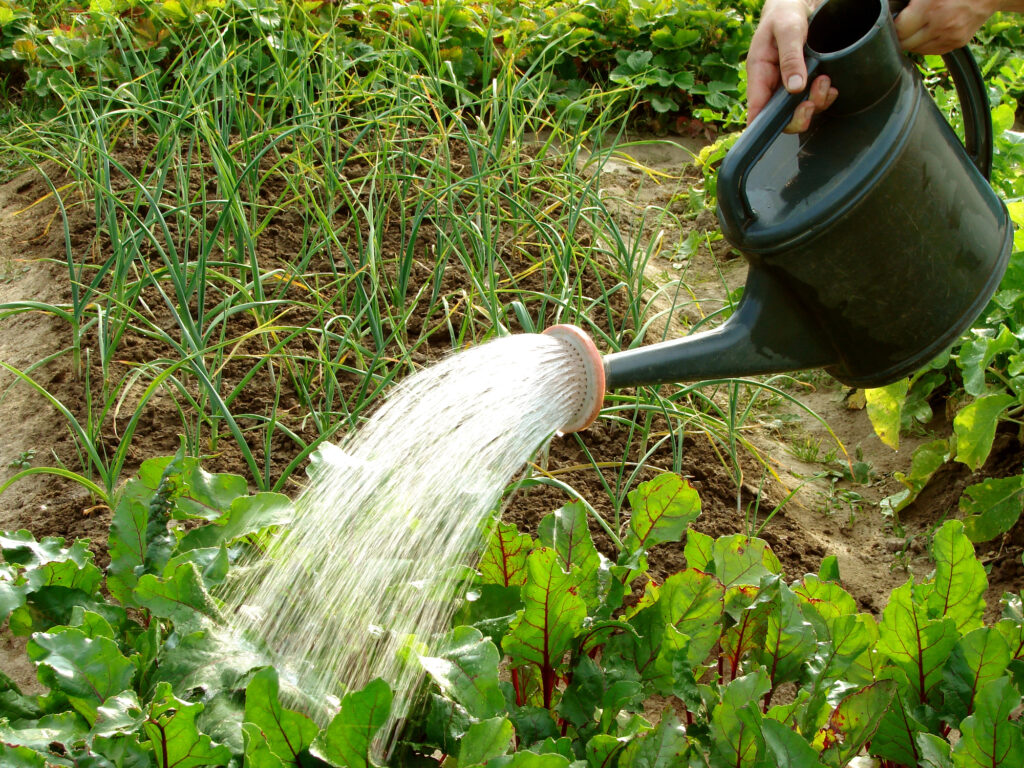
Additionally, timing is of the essence; watering too late at night could lead to overly saturated soil by morning, creating conditions that discourage root growth and promote issues such as root rot. It’s vital to establish a watering schedule that allows for the proper absorption of water before cooler nighttime temperatures set in.
Moreover, adjusting to new watering habits can disrupt established routines. Gardeners might find themselves neglecting other essential maintenance tasks while focusing on this new method, potentially leading to a chaotic gardening experience.
In conclusion, understanding both sides of night watering techniques is essential for every gardener looking to optimize their growing conditions. Whether you choose to water by moonlight or prefer the sunlit hours, assessing the unique needs of your garden can lead to informed decisions that promote plant health. Stay tuned as we continue to explore the myriad effects of watering practices and discover what works best for your gardening endeavors.
DIVE DEEPER: Click here to uncover the best herbs for your kitchen garden
Insights into Night Watering Techniques
The appeal of night watering techniques extends beyond mere practicality; it taps into the broader principles of effective gardening. As dusk settles, many gardeners reflect on how this unique time can transform their watering routines and, ultimately, the health of their gardens. To make an informed decision about this method, it’s essential to explore the systems and practices that encapsulate night watering.
At its core, nighttime irrigation can be broadly categorized into two main techniques: drip irrigation and sprinkler systems. Each has distinct implications for efficiency and plant health, particularly when deployed in the cool, serene hours of the night.
Drip Irrigation: Targeted Hydration
Drip irrigation is highly regarded among professional horticulturists for its targeted approach. This method delivers water directly to the plant roots through a network of tubing and emitters, significantly minimizing water waste. For nighttime applications, drip systems can be set up to function automatically, allowing for optimal hydration without the need for human intervention.
The benefits of drip irrigation during the night include:
- Enhanced moisture retention: By watering deep into the soil, drip irrigation helps maintain moisture levels, thereby reducing the frequency of watering required.
- Low evaporation rates: Less water is lost to evaporation compared to surface watering, ensuring more water reaches the plants.
- Precision: Water is delivered exactly where it is needed, reducing the likelihood of wet foliage that can foster diseases.
Sprinkler Systems: Broad Coverage
On the other end of the spectrum lies the sprinkler system, which offers a more traditional approach for covering large areas. This method can be effective, particularly for lawns or expansive beds where drip lines may not reach. When utilizing sprinklers for nighttime watering, however, there are notable factors to consider.
Sprinkler systems can be beneficial due to:
- Quick and easy setup: Many gardeners appreciate the convenience of sprinklers, which can be adjusted quickly to meet the needs of different garden spaces.
- Covers large areas: Ideal for larger lawns, sprinklers can evenly distribute water across broad expanses.
- Automated timers: Modern sprinkler systems can be programmed to operate during the night, ensuring your garden gets watered without additional efforts.
However, sprayers are not without their drawbacks. For instance, they can water the foliage as well, which as previously mentioned, poses a risk for fungal infections if proper attention isn’t given to timing and water volume.
Overall, understanding the intricacies of night watering techniques—whether through drip irrigation or sprinkler systems—can position you to make choices that align with your gardening goals. As with any gardening methodology, weighing the advantages against the potential disadvantages is crucial for nurturing a vibrant and flourishing garden.
Exploring the Disadvantages
While the advantages of night watering techniques are compelling, it is equally important to acknowledge some potential drawbacks associated with this practice. One significant concern is the possibility of promoting fungal diseases. Water that sits on plant leaves overnight creates a damp environment that is conducive to fungal growth, which can adversely affect the health of your garden. It is crucial to monitor your plants for any signs of disease, which may emerge from excessive moisture retention. Another disadvantage to consider is the potential for uneven water distribution. Nighttime watering often relies on traditional irrigation systems that might not cover all areas equally, creating dry spots or overly saturated patches in your garden. To counter this, employing proper planning and methodical irrigation practices can help ensure every plant receives adequate water, regardless of the time of day.Lastly, there is an energy implication with using pumps or automated systems for night watering. Operating these systems at night can lead to increased energy costs depending on your local utility rates. Though many gardeners embrace the environmental benefits of watering at night, assessing your energy expenditure and finding budget-friendly solutions is crucial.In conclusion, weighing the pros and cons of night watering techniques can help you make an informed decision for your garden. As with any agricultural strategy, knowledge is key; understanding the environment and adapting your practices can lead to a fruitful and thriving garden.
| Advantages | Description |
|---|---|
| Reduced Evaporation | Watering at night minimizes evaporation rates, allowing plants to absorb more moisture. |
| Enhanced Water Absorption | Soil retains water longer at night, promoting better hydration for roots. |
DISCOVER MORE: Click here to learn effective trapping techniques
Assessing the Drawbacks and Considerations of Night Watering
While the allure of night watering techniques continues to capture the interest of gardeners, it is imperative to also consider the potential disadvantages and challenges associated with this practice. A balanced understanding of both benefits and drawbacks can help gardeners make the most informed decisions for their specific contexts.
The Risks of Night Watering
One key concern surrounding night watering, especially with sprinkler systems, involves the risk of increased dampness on plant foliage. When plants remain wet for extended periods due to evening watering, there is a heightened likelihood of fungal diseases developing. Conditions such as powdery mildew or leaf spot thrive in the cool, moist environments typically found during the night. Notably, this is particularly concerning for plant varieties sensitive to excessive moisture.
Additionally, it’s vital for gardeners to consider temperature fluctuations. What works perfectly under warmer summer nights may not be ideal during the cooler nights of early spring or late fall. Watering during chilly nights can slow root development and could even lead to issues such as root rot when combined with overly saturated soil. Consequently, monitoring environmental conditions and adjusting watering schedules accordingly is advised.
Restrictions on Soil and Water Type
Another factor to weigh is the type of soil in your garden. Soil types can greatly influence how water is absorbed. For example, sandy soils tend to drain quickly, which may necessitate more frequent watering sessions at night, while clay soils may retain moisture for extended periods, potentially leading to waterlogging if overwatered. Knowing your garden’s soil characteristics can guide you in optimizing your watering strategy and prevent unintended consequences.
Moreover, using municipal water sources might introduce challenges when watering at night. Many places experience fluctuations in water pressure during off-peak hours, which can compromise the effectiveness of both drip irrigation and sprinkler systems. Low water pressure may result in uneven watering and stress the plants, making it imperative to test the water pressure at the chosen time of watering.
Potential for Pests
In addition to fungal diseases, another concern to consider is the potential for attracting pests. Nighttime watering can provide insects like mosquitoes an ideal breeding ground. Standing water, whether from excess wetting or slow drainage, can pose a serious risk. To mitigate this, gardeners need to be vigilant about assessing drainage patterns and maintaining cleanliness around and in their gardens.
Finding the Right Balance
Overall, the effectiveness of night watering techniques hinges on understanding the nuanced dynamics that come with the land you cultivate. The implications of watering at night can be significant, and success often lies in the ability to strike a balance between the benefits of water conservation and the particular demands of your garden’s plants. By staying attuned to the various environmental factors and being prepared to adjust your techniques accordingly, you can harness the advantages while minimizing the drawbacks associated with nighttime irrigation.
EXPLORE MORE: Click here to discover aromatic plants
Conclusion: Navigating the Complexities of Night Watering Techniques
In the realm of gardening, the choice to implement night watering techniques warrants a thorough evaluation of both their advantages and disadvantages. As discussed, the potential benefits, such as reduced evaporation and efficient water use during warmer months, can significantly enhance your garden’s health and yield. However, these advantages must be weighed against the risks of increased fungal disease, temperature sensitivity, soil type dynamics, and the possibility of attracting pests when watering at night.
Deciding whether to adopt night watering is ultimately about understanding the specific needs of your garden, including climate conditions, plant sensitivities, and soil characteristics. By being attentive to these variables and forecasting the impact of nighttime irrigation on plant health, you can navigate the complexities more effectively. Moreover, maintaining a flexible approach allows you to adjust watering schedules according to changing environmental factors, thereby maximizing water efficiency while minimizing potential downsides.
In conclusion, while night watering can offer numerous advantages, the decision to employ it should be multifaceted and carefully considered. As every garden is unique, it may take some trial and error to discover the perfect balance for your specific situation. Embracing flexibility and vigilance in your watering practices can lead to a flourishing and resilient garden, granting you both the beauty and bounty you seek.