Irrigation Techniques Adapted to the Climate: How to Adjust Your Irrigation in Different Seasons
The critical nature of optimizing irrigation techniques cannot be overstated, especially as farmers and landscapers strive for sustainability and efficiency in their practices. With shifting climate patterns leading to increasingly unpredictable weather, adapting irrigation systems to suit seasonal variations is becoming essential for effective agriculture and landscaping. Each season presents its own set of challenges and opportunities, and understanding these can contribute significantly to improved yields and water conservation.
Key Factors to Consider
- Soil Moisture Levels: Soil is dynamic and its ability to retain moisture varies significantly with seasonal changes. In spring, for instance, as snow melts and rains arrive, soils may become overly saturated, making it crucial to monitor moisture levels to prevent root rot and other issues. In contrast, summer months can deplete soil moisture quickly, necessitating more frequent irrigation interventions.
- Weather Patterns: The impact of local weather patterns cannot be underestimated. Regions in the southern United States, for example, may experience intense rainfall followed by heat waves. Thus, adapting irrigation schedules based on weather forecasts—and adjusting for humidity and temperature fluctuations—can help conserve resources while ensuring plants receive the necessary hydration.
- Crop Types: Different crops imbibe water at varying rates based on their physiological needs and the season. For instance, leafy greens like lettuce require more water in the hotter months to maintain their crispness, while root vegetables like carrots may fare better with less frequent irrigation as they mature in cooler conditions. Understanding these requirements can lead to strategic water management.
By considering these factors, gardeners and farmers can significantly enhance both water conservation efforts and plant health. Employing techniques such as drip irrigation in the heat of summer allows water to reach plant roots directly, immensely reducing evaporation losses. In the fall and winter, being mindful of rainfall and adjusting irrigation schedules accordingly can lead to minimal water waste and a healthier ecosystem.
Adaptation is Key
The implementation of seasonal adjustments is pivotal not only for plant health but also for fostering agricultural sustainability. Adopting practices like rainwater harvesting can significantly reduce dependency on conventional water supply during dry months. Additionally, utilizing smart irrigation technologies such as moisture sensors can automate and optimize watering schedules according to real-time soil conditions.
As the agriculture landscape continues to evolve, acknowledging the importance of adapting to nature’s rhythms can unlock new efficiencies. Exploring crop rotation methods, cover cropping, and soil amendment techniques can lead to lower irrigation demands while enhancing soil health. From giant cornfields in Iowa to home gardens in California, understanding how to navigate the seasons through sound irrigation practices serves as a vital component in cultivating a sustainable future.
DISCOVER MORE: Click here for essential tips
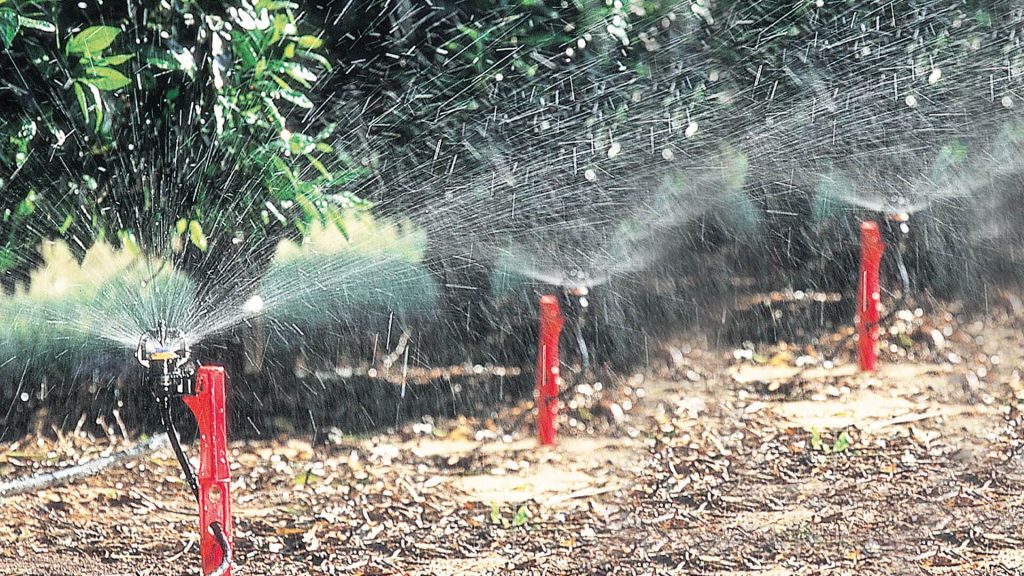
Understanding Seasonal Irrigation Needs
As seasons cycle through, the demands for water among crops and landscape elements vary, making it imperative to adjust irrigation methods accordingly. The question is, how can farmers and gardeners effectively adapt their strategies to accommodate these changes? By focusing on key seasonal characteristics, one can effectively tailor irrigation practices for optimal efficiency and plant vitality.
Spring: The Awakening
In many regions of the United States, spring is marked by unpredictable weather patterns, including late frosts and abundant rain. As temperatures begin to rise and snow melts, soil moisture levels can swing from overly saturated to just right, necessitating careful monitoring. Incorporating techniques such as soil moisture sensors can provide real-time data, helping to reduce the risk of overwatering during this time.
Summer: The Heat of the Moment
When summer arrives, so do higher temperatures and increased evaporation rates. This is the season when crops require the most water, particularly those that thrive in hotter climates, like tomatoes and peppers. Understanding the intricate balance between water consumption and plant health will dictate irrigation frequency and methods. Employing techniques such as drip irrigation allows for precise application at the root zone, minimizing waste and targeting essential hydration right where it’s needed. Other strategies, like mulching, can also help retain soil moisture during these scorching months.
Fall: Transitioning Towards Dormancy
As summer ends and fall begins, crops begin to wind down, and irrigation needs shift dramatically. Edible plants such as squash and pumpkins are typically harvested in early fall, making water applications less critical. However, it’s essential to monitor late-season crops, as some, like brussels sprouts, continue to grow and may still require hydration. During this period, adjusting irrigation schedules based on anticipated rainfall can conserve water and prevent runoff, allowing for a healthier landscape and environment.
Winter: The Season of Resilience
In winter, many gardeners may feel tempted to halt irrigation entirely, yet this can prove detrimental. With perennials and dormant crops relying on some moisture to survive, a careful balance is necessary. Techniques such as deep watering before the ground freezes can help saturate the root zone, ensuring plants remain resilient through cold temperatures. Additionally, implementing systems for capturing melting snow or rainwater during this season can enhance irrigation resources when the growing season returns.
Taking into account the unique climatic challenges each season presents not only leads to healthier plants but also optimizes water usage. By developing a deeper understanding of the distinct watering strategies required during spring, summer, fall, and winter, farmers and gardeners can make informed decisions and foster a more sustainable agricultural framework.
| Category | Details |
|---|---|
| Water Efficiency | Employing techniques tailored to seasonal variations significantly conserves water. |
| Environmental Adaptation | Adjusting irrigation not only supports plant health but also enhances soil quality across seasons. |
| Cost Savings | Seasonal adjustments lead to reduced utility bills and optimized resource allocation. |
| Crop Yield Improvement | Proper irrigation techniques promote better crop yields by matching moisture levels with plant needs. |
Understanding the interconnectedness of irrigation techniques and climate patterns can radically transform your agricultural approach. As the seasons change, so too do the water requirements of your crops. Emphasizing the importance of adjusting your practices can help mitigate water waste and optimize growth conditions.For instance, during the hot summer months, employing techniques such as drip irrigation can deliver precise amounts of water directly to the roots, while in cooler seasons, rainwater harvesting proves beneficial. Adapting your irrigation strategies to reflect seasonal changes not only maximizes efficiency but also fortifies plants against stress caused by erratic weather patterns. To discover innovative methods that align irrigation systems with seasonal demands, delve deeper into this vital topic.
LEARN MORE: Click here for essential tips
Tailoring Techniques for Seasonal Success
Having established the importance of adjusting irrigation practices to align with seasonal changes, the next crucial step involves identifying specific techniques that best address these periods. With each season presenting unique challenges and opportunities, implementing tailored irrigation strategies can enhance plant health while conserving valuable water resources.
Irrigation Innovations: Smart Solutions for Smart Watering
As technology becomes increasingly integrated into agriculture, innovative irrigation systems are gaining traction among farmers and gardeners. Automated irrigation systems, which include smart controllers and weather-based systems, use real-time data to determine optimal watering times and amounts based on current weather conditions and crop needs. Such systems can automatically adjust irrigation schedules based on local forecast rain data, thus preventing unnecessary watering during rainy spells.
Water-Conserving Practices: Sustainable Choices
Employing water-conserving practices is essential to adapting irrigation methods effectively. In the summer months, incorporating rain barrels and cisterns to capture and store rainwater unveils a sustainable approach to irrigation. This not only reduces reliance on municipal water systems but also nurtures a circular water use ecosystem. Moreover, using soil amendments such as compost improves soil structure, increasing its ability to retain moisture and reducing the frequency of irrigation needed.
Additionally, crop rotation can be an effective strategy to manage seasonal irrigation needs. For instance, transitioning from water-intensive crops like rice to less demanding alternatives like corn can decrease overall water consumption, especially during peak usage months.
Seasonal Strategic Planning: The Importance of Contingencies
Preparation is key when it comes to seasonal irrigation adaptation. Farmers and gardeners must develop comprehensive seasonal plans that outline potential contingencies for unexpected weather events. For example, the use of cover crops during dormant seasons can help safeguard soil moisture levels while preventing erosion. These cover crops can later be turned into the soil to enhance organic matter, creating a healthier growing environment come spring.
- Cover Crops: Planting clover or rye during the off-season protects soil and improves fertility.
- Soil Testing: Regular soil testing helps inform adjustments necessary for proper nutrient availability and moisture retention.
- Hybrid Approaches: Combining drip and spray irrigation systems can cater to diverse plant needs within the same garden or field.
Adopting Local Knowledge and Practices
Another vital aspect of adapting irrigation techniques is harnessing the wisdom inherent in local practices. Regions across the United States exhibit distinct climatic conditions that demand different watering strategies. For example, the arid Southwest may favor xeriscaping to adapt to low humidity and high temperatures, while the Midwest may employ traditional splash irrigation appropriate for the region’s rainfall patterns. Engaging with local agricultural extension services can provide valuable insights into proven methods that have thrived in similar conditions.
Embracing these various techniques not only highlights the importance of understanding unique regional climates but also broadens the horizons for sustainable water management. As we delve deeper into the seasons, the role of adaptive irrigation stands out as a linchpin of agricultural resilience, giving gardeners and farmers alike the tools they need to flourish in a changing environment.
DIVE DEEPER: Click here to discover efficient irrigation techniques
Conclusion: Cultivating a Future of Resilient Irrigation
In a world increasingly shaped by climate variability, adapting irrigation techniques to suit seasonal changes is vital for sustainable agriculture and gardening. The integration of innovative irrigation systems, such as automated smart controllers and weather-based solutions, enables precise water management that not only caters to plant needs but also conserves precious resources. As demonstrated by practices like using rain barrels and cover crops, sustainable choices empower growers to contribute to an efficient water cycle while enhancing soil health.
Moreover, adopting local knowledge is paramount. By leveraging the expertise of local agricultural specialists and engaging with traditional methods suited to specific climates, farmers and gardeners can cultivate resilience in their watering strategies. Understanding regional distinctions—from xeriscaping in arid areas to diversified irrigation mixtures in temperate zones—helps optimize water use while promoting flourishing ecosystems.
Ultimately, the interplay between technology, sustainable practices, and local wisdom illuminates the path toward effective irrigation strategies that can withstand seasonal fluctuations. As climate patterns evolve, the call to action resounds louder than ever: embrace adaptive irrigation now, not only to thrive in the present but to secure a vibrant future for generations to come. In this quest for efficiency and sustainability, every effort counts, making each season an opportunity for growth and learning.