How to Use Seasonal Composting to Enrich Your Soil and Improve Plant Health
Understanding Seasonal Composting
Nurturing your soil is essential for cultivating vibrant, healthy plants. Seasonal composting stands out as an innovative and sustainable approach to enhancing soil quality and overall garden productivity. This method encourages gardeners to transform their organic waste—kitchen scraps, yard debris, and various other organic materials—into nutrient-rich compost that can rejuvenate the soil. By employing seasonal composting, gardeners can create a thriving ecosystem that not only supports plant growth but also fosters a healthier environment.
Why Seasonal Composting Matters
The benefits of seasonal composting are multifaceted. Firstly, it leads to improved soil structure. As compost breaks down, it forms aggregates that enhance soil aeration and drainage, allowing roots to penetrate easily and reach vital nutrients. With this improved structure, the soil is less prone to erosion and compaction.
Secondly, composting enhances nutrient availability. Organic matter in compost breaks down into essential nutrients such as nitrogen, phosphorus, and potassium that plants need. This not only nourishes your plants but also reduces the need for synthetic fertilizers, which can be harmful to the environment.
Moreover, compost significantly increases water retention. Healthy, organic-rich soil can retain moisture more effectively, which is crucial during dry spells or hot summer months. Less water runoff and improved infiltration promote a robust root system, ultimately leading to more resilient plants.
Additionally, composting encourages the formation of beneficial microorganisms in the soil. These microorganisms play a vital role in the decomposition process and contribute to nutrient cycling, which supports plant health and growth. The microbial community in composting can outcompete harmful pathogens, creating a natural defense system for your plants.
Leveraging Seasonal Changes
Understanding how to utilize seasonal materials effectively can enhance your composting efforts. Different seasons provide varied organic resources, each offering distinct benefits.
- Spring: As nature awakens, add grass clippings, vegetable scraps, and vibrant blossoms to your compost pile. These fresh greens are rich in nitrogen, which helps kickstart the composting process.
- Summer: Embrace the bountiful harvest season by adding leaves from your garden, kitchen scraps from your meals, and even coffee grounds, which are a great nitrogen source while also enhancing soil acidity.
- Fall: The arrival of fall signals the perfect time to gather raked leaves, ideal for carbon, as well as fruit peels and garden debris. Adding these materials can create a balanced compost that’s rich in nutrients.
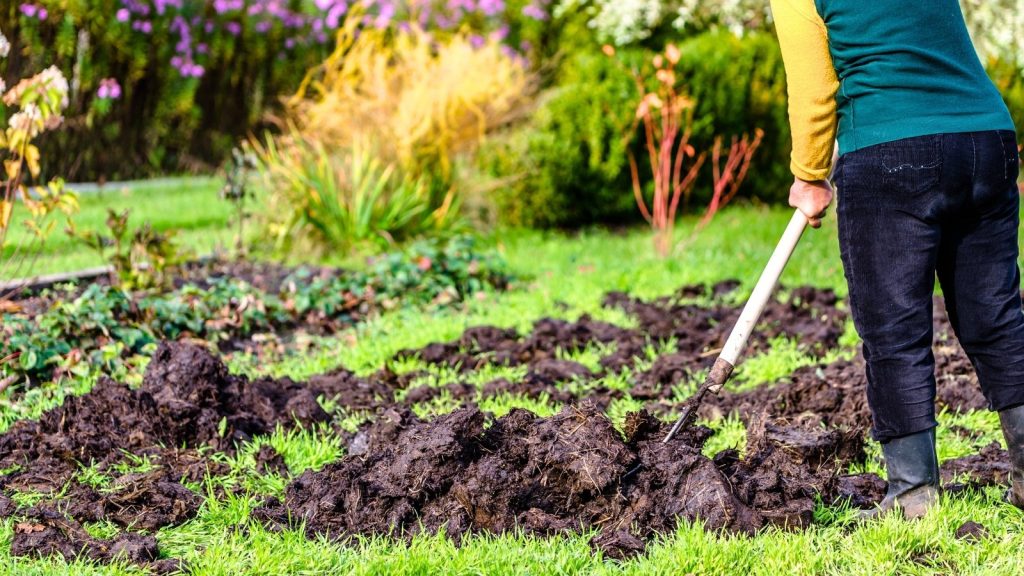
- Winter: Use well-cured compost, wood ashes from your fireplace (in moderation), and manure to maintain your compost throughout the cold months, enriching the soil with vital nutrients as you prepare for the spring planting season.
In conclusion, mastering seasonal composting can profoundly transform your gardening experience. By aligning your composting efforts with the changing seasons, you not only give back to the earth but also ensure that your garden flourishes like never before. Join us in embracing this sustainable practice and watch your plants thrive in a richly nourished ecosystem.
DISCOVER MORE: Click here to learn about innovative pest barriers
The Role of Organic Matter in Seasonal Composting
To fully appreciate the impact of seasonal composting, it’s essential to understand the role of organic matter in soil health. Organic matter is not just a bulk addition to your garden; it is a dynamic component that contributes to the biological, physical, and chemical properties of the soil. By incorporating organic matter into your compost pile during different seasons, you are effectively enriching the soil ecosystem.
One of the key benefits of adding organic matter through compost is the enhancement of microbial activity. A thriving community of microorganisms is crucial for breaking down organic materials and facilitating nutrient absorption. These beneficial microbes include bacteria, fungi, and other microorganisms which decompose complex organic compounds into simpler, more accessible forms for plants. Consequently, this process not only improves nutrient cycling but also boosts plant health.
Additionally, organic matter aids in pH regulation. Most garden plants thrive in a slightly acidic to neutral pH range. By utilizing compost made from seasonal materials, you can help stabilize soil pH, creating a balanced environment that supports various flora. For instance, adding coffee grounds in the summer, a common compost ingredient, can naturally lower soil pH, benefiting acid-loving plants such as blueberries and azaleas.
Maximizing Nutrient Content
Another critical aspect of seasonal composting is the ability to maximize nutrient content based on seasonal inputs. Different organic materials contribute unique nutrients, which means understanding what to compost in each season is vital for creating a well-rounded organic fertilizer.
- Spring: The arrival of longer days and warmer temperatures encourages the growth of fast-growing plants. Adding fresh greens like grass clippings and young weeds will provide a nitrogen boost that helps balance the carbon-to-nitrogen ratio in your compost. This ratio is crucial, as it dictates the speed of decomposition and nutrient availability.
- Summer: As your garden yields an abundance of produce, it’s the perfect time to add vegetable peels, fruit scraps, and herbs. This not only utilizes waste effectively but also enriches the compost with vital nutrients that can be returned to the soil.
- Fall: With foliage falling and winter approaching, utilizing dried leaves becomes essential. These carbon-rich materials are perfect for balancing nitrogen sources and will create a nutrient-dense compost. Incorporating pumpkin remnants and other autumn plants also offers additional nutrients as they break down.
- Winter: While composting may slow down in colder months, adding manure from livestock can provide both nitrogen and beneficial microbes to your pile. Additionally, ensure you are turning your compost regularly, even in winter, to maintain microbial activity.
In a nutshell, understanding the contributions of seasonal materials is essential for optimizing your composting efforts. By leveraging these seasonal offerings, you not only improve nutrient content but engage in an enriching practice that benefits your entire gardening ecosystem. With this knowledge, you can cultivate a garden that not only thrives but also enhances the soil for seasons to come.
| Advantage | Description |
|---|---|
| Improved Soil Structure | Seasonal composting enriches soil by creating a balanced structure that allows for optimal water retention and drainage. |
| Enhanced Nutrient Availability | Adding compost enriches soil with essential nutrients, fostering healthy plant growth by improving nutrient absorption. |
| Pest and Disease Resistance | Well-composted soil promotes beneficial microorganisms that naturally combat pests and diseases. |
| Environmental Sustainability | Seasonal composting practices reduce waste and enhance organic gardening methods, supporting ecological balance. |
As you delve deeper into the topic of seasonal composting, it becomes evident that embracing this method can lead to transformative results not just for your garden, but for the environment overall. This ancient practice offers a sustainable solution for garden enthusiasts, allowing for the efficient recycling of organic materials, which, in turn, yields healthier, more resilient plants. Consider the remarkable impact that seasonal compost contributes to the overall biodiversity within your soil ecosystem. The incorporation of compost fosters the development of a rich microflora, creating a habitat where beneficial organisms thrive. This can particularly be beneficial during seasonal transitions, enabling plants to adapt and thrive in changing conditions.Furthermore, the timing of compost application aligns seamlessly with planting schedules, ensuring that your crops benefit from maximum nutrient availability throughout their growing stages. Such strategic composting techniques not only improve plant health but also reduce the need for chemical fertilizers, aligning your gardening practices with a more organic and eco-conscious approach. Exploring various compost materials—ranging from kitchen scraps to fallen leaves—offers infinite possibilities to tailor your compost to suit the seasonal demands of your garden. Embarking on this journey into seasonal composting not only uplifts the soil but, foremost, elevates your connection with nature and your understanding of sustainable gardening.
LEARN MORE: Click here to discover the impact of plant stress on pests
Balancing Green and Brown Materials
One crucial principle in the practice of seasonal composting is the balance of green and brown materials. Green materials are nitrogen-rich and include fresh plant clippings, kitchen scraps, and leftover fruit and vegetable peels. In contrast, brown materials are carbon-rich and consist of dry leaves, straw, wood chips, and paper products. Achieving the right ratio, typically around 30 parts carbon to 1 part nitrogen or roughly three parts brown materials to one part green materials, is essential to creating ideal compost conditions.
Understanding when to cycle these materials based on seasonal availability can significantly impact the effectiveness of your compost. For instance, in the spring, as plants rapidly grow, the abundance of green materials can provide the much-needed nitrogen to kickstart decomposition in your compost pile. Conversely, as summer transitions into fall, brown materials become accessible due to leaf drop. Incorporating these during the cooler months prepares your compost for the active growth of your plants in the spring.
Composting with Seasonal Variability
Seasonal composting is not just about the materials you add but also about understanding microbial dynamics and composting temperatures. Composting is a biological process that thrives on heat, which is generated by microbial activity. During warmer months, decomposition occurs rapidly, reducing the amount of time needed for the compost to turn into nutrient-rich soil. Utilizing seasonal materials can elevate temperatures enough to allow for quicker breakdown, especially with the addition of moist green matter in summer.
In winter, however, the decomposing action slows down. Understanding this is key to winter composting routines, where maintaining microbial activity through methods such as insulating the compost pile or regularly turning it is crucial. One engaging technique for winter composting is to use a compost bin with an insulated cover or to build a “hot” compost pile using extra greens and coffee grounds to retain heat and stimulate microbial activity even in chillier months.
Additionally, composting in specific seasons allows for experimentation with different materials. For example, during the summer, you might consider composting spent plants like tomato vines or bean stalks that can decompose rapidly, while winter months allow for the use of kitchen scraps that are typically high in nitrogen but less desirable in warmer seasons due to odor. Creating a journal of materials you compost in various seasons can help tailor your composting strategy, contributing valuable insights into what works best for your local climate and soil conditions.
Enhancing Soil Structure with Seasonal Inputs
The use of seasonal composting positively influences soil structure, which in turn affects plant health. Incorporating compost into your soil each season creates a soil microbiome capable of retaining moisture, improving drainage, and enhancing nutrient exchange. This is especially important in regions with fluctuating climates, where the soil can either become overly compacted or too loose. By modifying your compost inputs seasonally, you help build a resilient soil structure that can withstand temperature extremes and varying moisture levels.
Furthermore, certain seasonal composting techniques, such as lasagna gardening during the fall and winter months, layer different materials to build rich, organic soil. This method offers a unique opportunity to utilize seasonal materials creatively and allows different layers to decompose at varying rates, enriching the soil with a diverse range of nutrients.
Ultimately, mastering the art of seasonal composting enables gardeners to create a sustainable practice that enhances soil health and boosts plant vitality, regardless of the season. Understanding the dynamic interplay of green and brown materials, microbial activity, and soil structure adjustments positions you on a path to successful gardening throughout the year.
DISCOVER MORE: Click here to learn about how weather affects seasonal planting
Final Thoughts on Seasonal Composting
In conclusion, seasonal composting stands out as an effective, environmentally-friendly method to enrich soil and improve plant health year-round. By mastering the balance of green and brown materials, we can create an optimal compost environment, essential for nurturing the beneficial microbial life that sustains soil vitality. Understanding the unique challenges and opportunities presented by each season allows gardeners to leverage naturally occurring materials, ensuring a continuous cycle of nutrient-rich compost that corresponds to plant needs throughout the year.
The principles of timely composting—such as maximizing the heat generated by microbial decomposition in warmer months and utilizing innovative techniques for winter composting—enable us to maintain an efficient and effective composting routine. Furthermore, by engaging with seasonal variability, gardeners gain valuable insights into local climate conditions and can adapt their practices accordingly, which ultimately benefits their garden’s ecosystem.
As we embrace seasonal composting, we not only enhance the soil structure and promote healthy plant growth, but we also contribute to sustainability by reducing waste and fostering a deeper connection to the cycles of nature. Taking the time to observe and journal materials used in different seasons can lead to a more personalized composting strategy, ensuring success in each gardening endeavor. For anyone looking to enrich their soil and cultivate thriving plants, seasonal composting is an invaluable practice worthy of exploration and implementation.