How to Plan a Seasonal Planting Garden: Tips for Beginners
Understanding Your Gardening Journey
Starting a seasonal planting garden can be a thrilling venture for anyone eager to dive into gardening. With the right planning, you can enjoy a vibrant array of plants blooming in your yard or balcony throughout the year. To set the stage for success, it’s essential to understand a few key principles.
Here are some useful tips for beginners:
- Know Your Growing Zone: Understanding your USDA hardiness zone is the cornerstone of successful gardening. The USDA hardiness zones range from 1 to 13 and indicate which plants are most likely to thrive in your climate. For example, if you live in Zone 7, you can grow a variety of vegetables, flowers, and shrubs that might not survive in colder zones. Check your local extension service or gardening resources to pinpoint your exact zone and make informed plant selections.
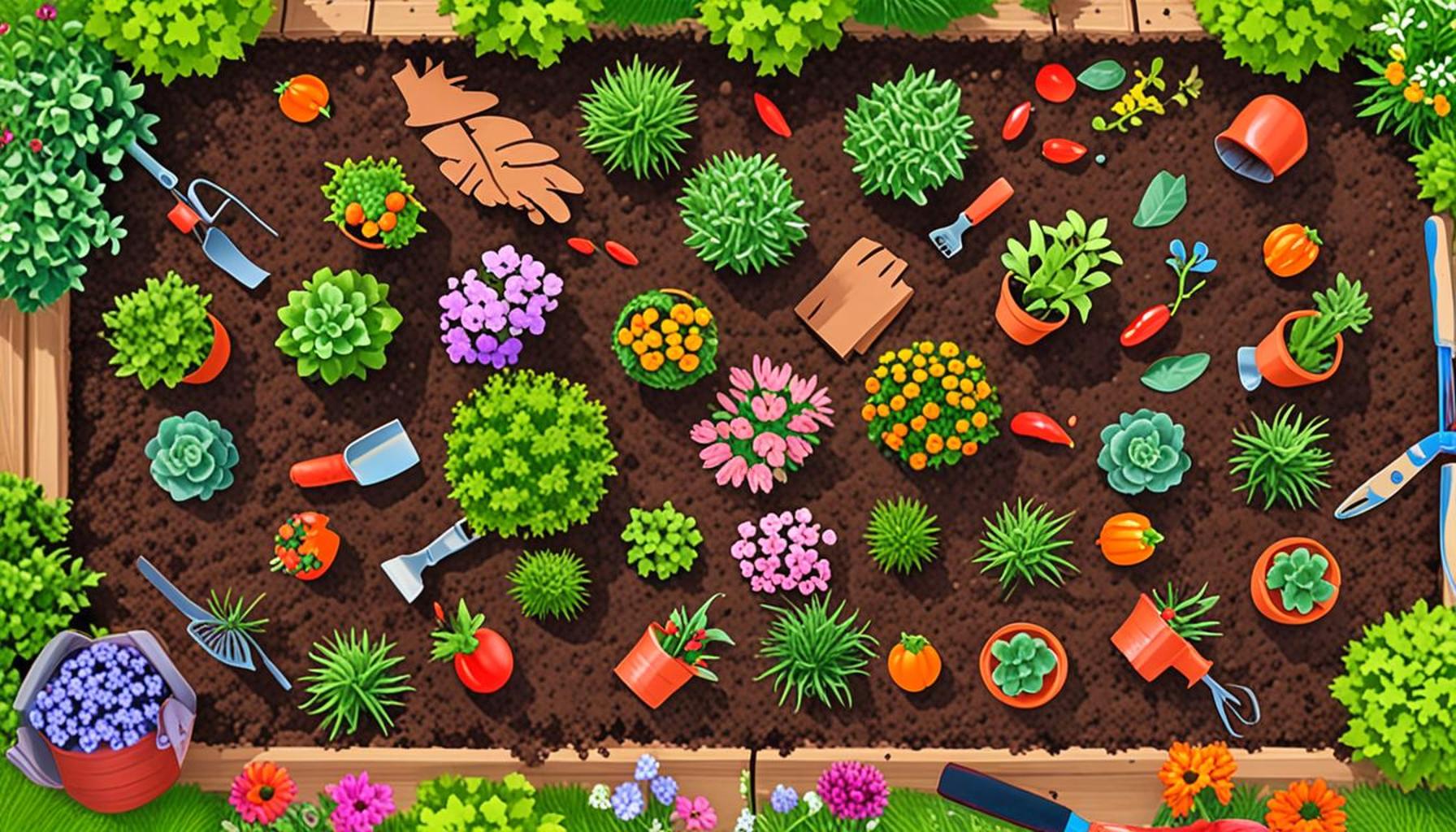
- Plan Your Layout: A well-planned garden layout maximizes space and sunlight for each plant. Consider the size and height of plants, as taller varieties should be placed behind shorter ones to avoid shading. Raised beds, for instance, are a popular choice in smaller gardens as they provide better drainage and are easier on the back. A garden plan can include companion planting, where certain plants help each other grow, like tomatoes and basil, which can enhance flavor and deter pests.
- Seasonal Timing: Learning when to plant different seeds for optimal growth ensures that you can reap the benefits of a diverse garden throughout the year. Early spring is ideal for cool-season crops like peas and lettuce, while summer is perfect for heat-loving plants like cucumbers and tomatoes. The fall can be utilized for planting garlic and certain perennials, and even some regions can grow winter crops like kale and spinach. A planting calendar tailored for your zone can be a great asset.
Gardening offers more than just beautiful plants; it has the potential to enhance biodiversity, improve the environment, and provide fresh produce right from your backyard. Native plants, for example, support local wildlife and pollinators like bees and butterflies. This relationship not only strengthens ecological systems but also enriches your gardening experience.
As you embark on this journey, consider these tips to navigate the challenges and celebrate the rewards of growing your seasonal garden. By actively exploring resources like local gardening clubs or online forums, you can gain valuable insights and connect with fellow gardeners.
Utilizing the knowledge of suitable plants and seasonal changes, you can cultivate a thriving garden that reflects nature’s cycles. This article will guide you through essential techniques and insights that every beginner should embrace on their seasonal gardening path, allowing you to cultivate a space filled with life and color year-round.
DISCOVER MORE: Click here to learn about cover crops
Getting Started with Seasonal Planting
As a budding gardener, the first task on your agenda should be understanding the types of plants suitable for seasonal planting. Successfully choosing and cultivating the right variety allows you to maximize the beauty of your garden over time. With each season featuring special plant characteristics and needs, knowing what to plant when can make all the difference in your gardening journey.
Each season brings a unique opportunity for various plants to thrive, from spring’s vibrant blooms to the hearty vegetables of winter. Here’s a guide to help you navigate your seasonal planting:
- Spring: This season welcomes new beginnings in the garden. Cool-weather crops such as lettuce, peas, and radishes can be planted as early as March in many regions. Additionally, vibrant flowering annuals like pansies and snapdragons can add color. As the temperatures warm up towards late spring, consider planting tender vegetables like tomatoes, peppers, and zucchini.
- Summer: The heat of summer is ideal for high-yield plants. This season can be devoted to growing a plethora of produce, including corn, cucumbers, and beans. Daring gardeners might try succession planting; after harvesting an early crop like radishes, re-seed that area with a heat-loving plant like basil or squash to continue productive growth.
- Fall: As temperatures begin to cool down, it’s time to transition your gardening focus. Fall is perfect for planting perennials that will bloom the following year, such as asters and chrysanthemums. Additionally, this is the best time to plant garlic and onions, giving them the winter months to establish an extensive root system.
- Winter: Disconnecting from the soil doesn’t mean the gardening journey has to end. Instead, use the winter as a time to plan your upcoming spring garden. Some areas allow for winter gardening with frost-resistant crops like kale and spinach, which can sustain growth even in colder climates.
Understanding the natural cycle of planting and harvesting not only enhances your garden’s longevity but also eases the maintenance process. Research indicates that well-timed planting can lead to healthier plants and more robust yields, allowing you to fully enjoy the fruits (and vegetables) of your labor.
Beyond knowing what and when to plant, consider your garden’s ecosystem. Using native plants supports local wildlife and helps maintain a balanced environment. Furthermore, these plants are usually easier to care for, requiring less water and adaptation. The relationship between plants, pollinators, and the environment forms the foundation of a thriving garden.
As you embark on this exciting gardening adventure, keeping a detailed garden journal can help you track which plants thrive in your specific conditions. Armed with knowledge about seasonal planting and local flora, you can cultivate a remarkable garden that continually evolves and delights, season after season.
Understanding Your Planting Zone
Planning a seasonal planting garden starts with understanding your specific planting zone. The USDA Plant Hardiness Zone Map is an invaluable tool for any gardener, as it lays out areas based on temperature and climate. By knowing your zone, you can select the most suitable plants that are likely to thrive in your region. For instance, warm-season crops such as tomatoes and peppers flourish in warmer climates, while cool-season crops like broccoli and lettuce prefer milder temperatures. Selecting the right plants for your zone not only enhances your garden’s success but also enables you to enjoy seasonal blooms and harvests.
Soil Preparation and Enhancement
The foundation of any thriving garden lies in its soil. Whether you’re working with sandy, clay, or loamy soil, enhancing its quality is crucial. Begin by conducting a soil test to understand its pH and nutrient levels. Add organic matter like compost or well-rotted manure to improve fertility and structure. Incorporating materials such as peat moss can also enhance moisture retention, which is essential for plant growth. Well-prepared soil not only supports healthy plants but also encourages beneficial microorganisms that can fight off diseases and pests.
Seasonal Planting Schedule
Creating a seasonal planting schedule is essential for synchronizing your garden’s growth cycles. Understanding the last frost date in spring and the first frost date in fall can help determine when to plant specific seeds. Many gardening calendars are available to guide beginners on when to sow seeds indoors or directly in the garden based on your region. Additionally, staggered planting—sowing a new crop every few weeks—can yield continuous produce throughout the growing season. Stay organized by tracking your plantings in a garden journal, making adjustments as necessary based on weather conditions and plant performance.
Pest Management Strategies
Effective pest management is part and parcel of planning a successful seasonal garden. Familiarize yourself with common pests that may threaten your plants and learn to spot early signs of infestation. Utilizing integrated pest management (IPM) techniques can effectively minimize pesticide use. Consider introducing beneficial insects, such as ladybugs and lacewings, which can act as natural predators to harmful pests. Companion planting—growing certain plants together that can repel pests—can also contribute to a healthy garden environment. Through careful monitoring and preventive measures, you can protect your plants while minimizing environmental impacts.
| Category | Advantages |
|---|---|
| Soil Quality | Enhances plant growth and yields stronger crops. |
| Pest Management | Reduces crop loss through natural methods. |
Exploring these strategies will help any beginner feel more confident in their ability to cultivate a vibrant and productive seasonal garden. By combining knowledge of the planting zone, proper soil preparation, a well-structured planting schedule, and efficient pest management practices, you can lay the groundwork for a flourishing garden that thrives through the seasons.
DIVE DEEPER: Click here to discover more about soil microbiology
Essential Tips for Cultivating Your Seasonal Garden
Now that you have a solid understanding of what to plant in each season, it’s crucial to delve into practical strategies that will help you care for your garden effectively. Initiating a seasonal planting garden involves planning and preparation beyond just choosing the right seeds. Here are some essential tips for beginners looking to cultivate their seasonal garden:
1. Soil Preparation
The foundation of a thriving garden lies in healthy soil. Before you plant, test your soil pH and nutrient levels using simple at-home kits available at garden centers. Depending on the results, you may need to amend the soil with organic materials such as compost, aged manure, or peat moss. Aim for well-draining soil with a balanced texture to support robust plant growth during all seasons.
2. Planning Your Layout
A well-thought-out garden layout can enhance both aesthetics and functionality. Utilize the companion planting technique—grouping plants that benefit each other in terms of growth and pest control. For example, planting basil near tomatoes can help improve flavor and repel pests. Draw a simple diagram of your garden, noting where you’ll place sun-loving plants versus those that thrive in partial shade.
3. Watering Wisely
Water management is key to a flourishing garden. Understanding the water needs of your chosen plants is vital. During the hotter summer months, a deep soak is often preferable to frequent shallow watering, encouraging roots to grow deeper into the soil. Utilize drip irrigation or soaker hoses for efficient water distribution while minimizing evaporation loss.
4. Pest Control
As your garden begins to flourish, you may encounter pests looking to feast on your hard work. Embrace an organic approach to pest control by incorporating beneficial insects such as ladybugs and lacewings, which naturally combat aphids and other harmful bugs. Additionally, companion planting can create a natural barrier, as strong fragrances from herbs like mint and rosemary deter unwanted visitors.
5. Seasonal Transitions
As seasons shift, so will the demands of your garden. Planning for these transitions is crucial for success. For instance, as you harvest your summer crops, consider planting a fall cover crop like clover or vetch to improve soil health while preventing erosion. This practice not only enhances your soil but offers a natural habitat for beneficial organisms.
6. Documentation and Reflection
Consider keeping a detailed garden journal, where you can log planting dates, growth progress, and harvest dates for each plant. Such documentation serves dual purposes: it provides crucial insights for future seasons and can reveal patterns in your garden’s behavior over time. Additionally, note any challenges faced and how you overcame them to refine your gardening practice.
The process of planning and maintaining a seasonal planting garden is one of continual learning. By implementing these tips—focusing on soil health, effective watering, pest management, and seasonal adjustments—you arm yourself with the knowledge needed to create a resilient and fruitful garden. As you observe your garden transformation from season to season, you’ll find that patience and a methodical approach pay off in rewarding ways.
DISCOVER MORE: Click here to learn about optimizing plant selection
Conclusion: Your Journey to a Flourishing Seasonal Garden
Embarking on the journey of creating a seasonal planting garden can be an incredibly rewarding and fulfilling experience. As a beginner, the knowledge you have gained about soil health, plant selection, and pest management is essential to building a thriving ecosystem right in your backyard. Always remember that gardening is not just about cultivating plants; it’s about nurturing life—learning to adapt to the changing seasons, and understanding the delicate balance of nature.
Incorporating techniques such as companion planting can maximize your garden’s potential while keeping pests at bay, offering a holistic approach to your gardening efforts. As you transition from one season to the next, reflect on your progress and document your successes and challenges; this valuable insight can guide you in future endeavors, helping you refine your methods for even greater yields.
Moreover, don’t hesitate to explore local resources such as gardening clubs or online forums where you can share experiences and gather tips from seasoned gardeners. Engaging with a community opens the door to a wealth of knowledge and inspiration that can help you overcome obstacles and celebrate your triumphs.
So get ready to dig in, plant those seeds, and watch your garden flourish! With patience and dedication, each season brings new opportunities for growth and discovery. Your journey has just begun, and the fruits of your labor are waiting just around the corner.