How to Create a Seasonal Flower Garden: Tips for Beginners
The Beauty of Gardening
Establishing a flower garden in your outdoor space not only enhances its aesthetic appeal, but it also elevates your mood and creates a serene environment. Gardens are a great way to express oneself, and they often flourish as a reflection of one’s personality and creativity. They can become sanctuaries of tranquility amid the hustle and bustle of daily life, providing a peaceful escape right in your backyard.
Seasonal Planning
Seasonal Planning is crucial for maintaining vibrant blooms throughout the year. Understanding the blooming cycles of different flowers allows you to select plants that will flower in succession. For instance, early spring bulbs like tulips and daffodils can be paired with summer favorites such as coneflowers and sunflowers. In the fall, you can incorporate chrysanthemums, known for their rich colors and hardiness, which can last until the first frost. When planning your garden layout, consider grouping flowers by their blooming times to ensure a continuous display of color.
Flower Selection
Choosing the right flowers is another fundamental aspect of creating a successful garden. It’s beneficial to opt for a mix of annuals and perennials. Annuals, such as marigolds and zinnias, provide immediate color and can be replaced seasonally to update the garden’s look. In contrast, perennials like daylilies and peonies come back year after year, creating a lasting foundation for your garden. Additionally, consider your local climate when selecting flowers; varieties that thrive in the southeastern U.S., such as hibiscus, may struggle in the more temperate zones. Take time to research what grows best in your region to make informed selections.
Soil Preparation
The groundwork of any flower garden lies in soil preparation. Testing your soil’s pH and nutrient levels is important, as it informs you about its readiness for planting. You can purchase a soil testing kit from garden centers or send samples to local agricultural extensions for analysis. Once you understand your soil’s needs, amend it with organic material like compost or well-rotted manure to enhance fertility and improve drainage. Healthy soil not only supports robust plant growth but also fosters beneficial organisms, further enriching your gardening experience.
Embrace the Journey
Beyond the basics of garden establishment, diving into this activity enriches your life in unexpected ways. It encourages creativity as you explore various flower combinations, and provides subtle lessons about local ecosystems and sustainability. Consider planting native flowers, which are adapted to your local environment and support local wildlife, particularly pollinators such as bees and butterflies.
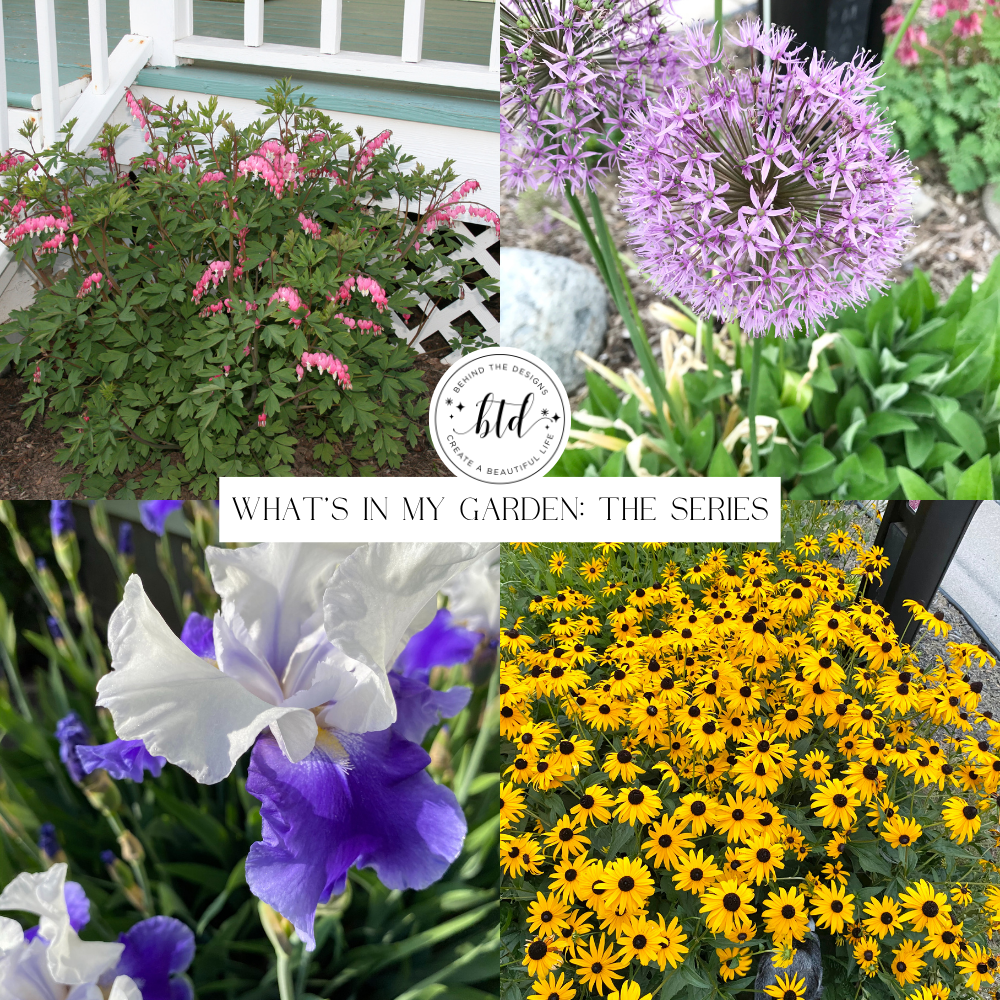
In conclusion, embarking on your flower gardening journey promises not only the visual rewards of vibrant blooms but also a deeper connection to nature and your community. By following these tips tailored for beginners and embracing the hands-on experience, you can cultivate a garden that not only flourishes with each season but becomes a treasured asset in your life. So grab your gardening tools, roll up your sleeves, and let the magic of flowers begin to bloom in your life!
DISCOVER MORE: Click here for expert tips on attracting pollinators</p
Understanding Your Garden Environment
Before diving into the exciting process of planting, it’s essential for beginners to get acquainted with the unique characteristics of their gardening environment. Different locations possess distinct soil types, sunlight exposure, and microclimates that significantly influence which flowers will thrive. Start by observing how much sunlight your garden area receives throughout the day. Most flowering plants prefer full sun, which means at least six hours of direct sunlight daily. However, some varieties excel in partial shade, making it crucial to select flowers appropriate for your specific conditions.
Soil Types and Preparation
Understanding the type of soil you have is another vital step. Soil can range from sandy, clay-like, or loamy textures, each having its benefits and drawbacks. Sandy soil drains quickly and is great for root growth but often lacks nutrients. Clay soil retains moisture but can be dense, creating barriers for roots. Loamy soil strikes a balance between drainage and fertility, making it the most favorable for flower gardens.
To assess your soil’s quality, consider performing a simple stretch test. Take a handful of soil, dampen it slightly, and try to form it into a ball. If it holds together well without crumbling, it’s likely clay. If it crumbles too easily, you might have sandy soil. If it forms a nice ball yet remains pliable, you probably have loamy soil. Regardless of your findings, you can improve any soil type with organic matter such as compost, which enhances nutrition and structure.
Watering Needs
Establishing a watering routine is essential to ensure your blooms remain vibrant throughout their seasonal cycles. While every flower has its own watering requirements, a general guideline is to water deeply and less frequently to encourage deep root growth. Watering early in the morning is ideal, as it allows moisture to reach the roots before the sun evaporates it, reducing the chances of fungal diseases.
Choosing Seasonal Flowers
Once you have a grasp of your garden environment, it’s time to select the flowers that will shape your seasonal display. Here’s a handy list of popular flowers categorized by season:
- Spring: Daffodils, Tulips, Hyacinths
- Summer: Lavender, Sunflowers, Zinnias
- Fall: Asters, Mums, Sedums
- Winter: Camellias, Hellebores, Winter Jasmine
By mixing flowers that bloom during different seasons, you can create a diverse and ever-changing canvas in your garden. Ensure that you consider the flowering time of each plant, allowing you to transition smoothly from one burst of color to the next.
As you embark on your floral journey, remember that patience is key. Watching your garden evolve with the seasons will be a rewarding experience that not only beautifies your surroundings but also fosters a deeper connection with nature. By focusing on the right soil, watering practices, and flower selection, you’re well on your way to cultivating a stunning seasonal flower garden.
Creating a seasonal flower garden is an exciting yet rewarding journey for beginners. It provides an opportunity to connect with nature, improve the aesthetics of your yard, and even promote biodiversity. Here are crucial aspects that can enhance your experience and ensure your garden flourishes throughout the year.
Understanding Seasons and Flower Choices
The foundation of a successful seasonal flower garden lies in understanding the seasons. Annual flowers, like marigolds and petunias, bloom for one season, adding vibrant color. In contrast, perennials, such as daisies and peonies, return year after year, providing a stable backdrop. Choose a mix based on your climate and the seasonality of blooms.
Soil Preparation and Planting Techniques
Effective soil preparation is critical for your garden’s health. Composting can enhance soil quality, providing nutrients that are vital for flower growth. Additionally, proper planting techniques, such as the right spacing and depth, allow each plant to thrive and avoid competition for resources.
Maintenance and Care
The work does not end once you plant your flowers. Regular watering, weeding, and deadheading (removing spent blooms) optimize growth and prolong flowering. Incorporating organic fertilizers can also give your garden a boost, supporting vibrant, healthy plants.
Designing for Aesthetic Appeal
A successful seasonal flower garden is not only about the plants but also about design. Consider using elements such as color combinations, height variation, and layering to add visual interest. Grouping flowers by their bloom period can provide continuous color throughout the seasons, appealing to the eyes and the senses.
Encouraging Wildlife
Creating a habitat for beneficial insects like bees and butterflies enhances the productivity of your garden. By including native plants and avoiding pesticides, you can foster a thriving ecosystem that will not only beautify your garden but also contribute to local biodiversity.
| Category | Advantages |
|---|---|
| Seasonal Variety | Offers diverse blooms throughout the year. |
| Wildlife Attraction | Supports local ecosystems by attracting pollinators. |
By embracing these tips and continuously learning about seasonal flowers, you will cultivate a beautiful garden that evolves with the seasons while enriching your outdoor space.
DISCOVER MORE: Click here to enhance your gardening skills
Creating Structure with Garden Design
Once you’ve chosen your seasonal flowers, it’s time to get creative with their arrangement. A well-planned garden design adds both beauty and function. Consider creating layers in your garden; place taller plants like Sunflowers in the back and shorter blooms such as Zinnias in the front to create a visually appealing depth. Additionally, utilizing raised beds can facilitate drainage and prevent soil compaction, as well as provide easy access for watering and maintenance.
Incorporating Perennials for Longevity
While annual flowers provide vibrant colors for a season, incorporating perennials can add longevity to your garden. These plants return year after year, often growing larger and more robust with each season. Popular perennial choices like Daylilies, Peonies, and Black-eyed Susans bloom in various seasons, and when paired with seasonal annuals, they create a fuller, more dynamic garden. Pay attention to the bloom cycle of perennials to ensure they complement your seasonal selections.
Utilizing Companion Planting
Companion planting is a beneficial technique that involves positioning plants together that can help each other grow and deter pests. For instance, planting marigolds alongside vegetables and flowers can repel aphids and beetles. Additionally, certain flowers, such as Cosmos, can attract pollinators to your garden, which will ultimately help your flowering plants thrive. Understanding which plants benefit from each other can enhance the health and productivity of your garden.
Maintenance and Care Techniques
To keep your seasonal flower garden thriving, consistent maintenance is key. Regular deadheading—removing spent blooms—can promote further flowering and maintain the plant’s appearance. Furthermore, implementing a regular fertilization schedule tailored to your plants’ needs will provide them with the necessary nutrients for optimal growth. Organic options such as compost tea or balanced granular fertilizers can be used to enhance soil health without the risk of chemical burn.
- Deadheading: Remove the faded flowers to encourage new growth.
- Fertilizing: Apply organic fertilizers to boost nutrient levels.
- Pest Control: Monitor for pests and diseases regularly and apply organic treatments as needed.
Seasonal Adjustments and Planning Ahead
As you complete your first growing season, consider using a gardening journal to document your experiences. Record which varieties thrived, how your garden evolved throughout the seasons, and any challenges you faced. This information will prove invaluable for future planting. Begin planning for the next season as soon as the previous one ends; consider rotating your annuals and preparing the soil in the fall for spring planting. Such preparations will allow you to successfully create more intricate designs and consistently enjoy a vibrant, changing landscape.
Engaging fully in your flower gardening journey lays the groundwork for not just a beautiful garden, but an expanding knowledge base. As you learn and adapt, your skills will flourish in tandem with your seasonal blooms. Embrace the process, cultivate curiosity, and discover the many colorful possibilities that seasonal flower gardening has to offer.
DISCOVER MORE: Click here to enhance your garden with aromatic plants</p
Conclusion: Embracing the Joy of Seasonal Flower Gardening
Creating a seasonal flower garden is not just about planting seeds; it’s an enriching process that encourages creativity, patience, and a deeper connection to nature. As we’ve explored throughout this article, from understanding seasonal flower selection to strategically integrating perennials, every aspect contributes to a thriving garden. The key lies in establishing a thoughtful design, utilizing companion planting, and implementing consistent maintenance techniques. Excelling in these areas will lead to a vibrant, colorful display that changes with the seasons.
Moreover, the importance of planning ahead cannot be understated. Maintaining a gardening journal will empower you to track your successes and challenges, providing valuable insights that you can leverage in future planting cycles. As you continuously adapt and learn, your confidence will blossom alongside the flowers you cultivate.
Ultimately, seasonal flower gardening offers not just a visual feast, but also a fulfilling hobby that varies with nature’s rhythm. Whether you are transforming a small balcony into a blooming oasis or nurturing a spacious backyard garden, the possibilities are endless. So, roll up your sleeves, dig into the soil, and let your garden reflect the seasons of your life. Embrace this journey, and who knows? You may inspire others to join you in this blossoming adventure.