How to Choose the Best Watering Equipment for Your Home Garden
Maintaining a lush and vibrant home garden requires more than just a green thumb. Choosing the right watering equipment can make all the difference in ensuring your plants thrive. Here’s what you need to consider:
Understanding Your Garden’s Needs
Before investing in gardening tools, it’s essential to assess your garden’s specific requirements. Various factors play a crucial role in this decision:
- Garden Size: The size of your garden significantly influences your watering options. Larger gardens often necessitate more robust solutions, such as automatic sprinkler systems, which can efficiently cover expansive areas without the physical strain of manual watering. In contrast, smaller spaces may benefit from handheld tools like watering cans or small hoses, allowing homeowners to focus on individual plants or beds with precision.
- Plant Types: Different plants have unique watering needs. For example, succulents and cacti thrive in drier conditions and can be overwatered, damaging their root systems. On the other hand, tropical plants like ferns or peace lilies prefer consistently moist soil. Understanding your plants’ needs will help you choose the most suitable watering equipment and set the appropriate watering schedule.
- Soil Types: The type of soil in your garden plays a significant role in watering frequency and technique. Sandy soil drains quickly, requiring more frequent watering sessions to keep plants hydrated. In contrast, clay soil retains moisture longer, meaning that water can become stagnant if overwatered. Testing your soil type will guide your watering practices and help you select the right tools.
Types of Watering Equipment
Once you’ve assessed your garden’s needs, it’s crucial to explore the variety of available watering tools and their unique features:
- Hoses: Versatile and flexible, garden hoses are essential for larger gardens. They come in various lengths and diameters, allowing you to reach every corner of your garden. Consider investing in a hose reel or holder to keep your hoses organized and tangle-free.
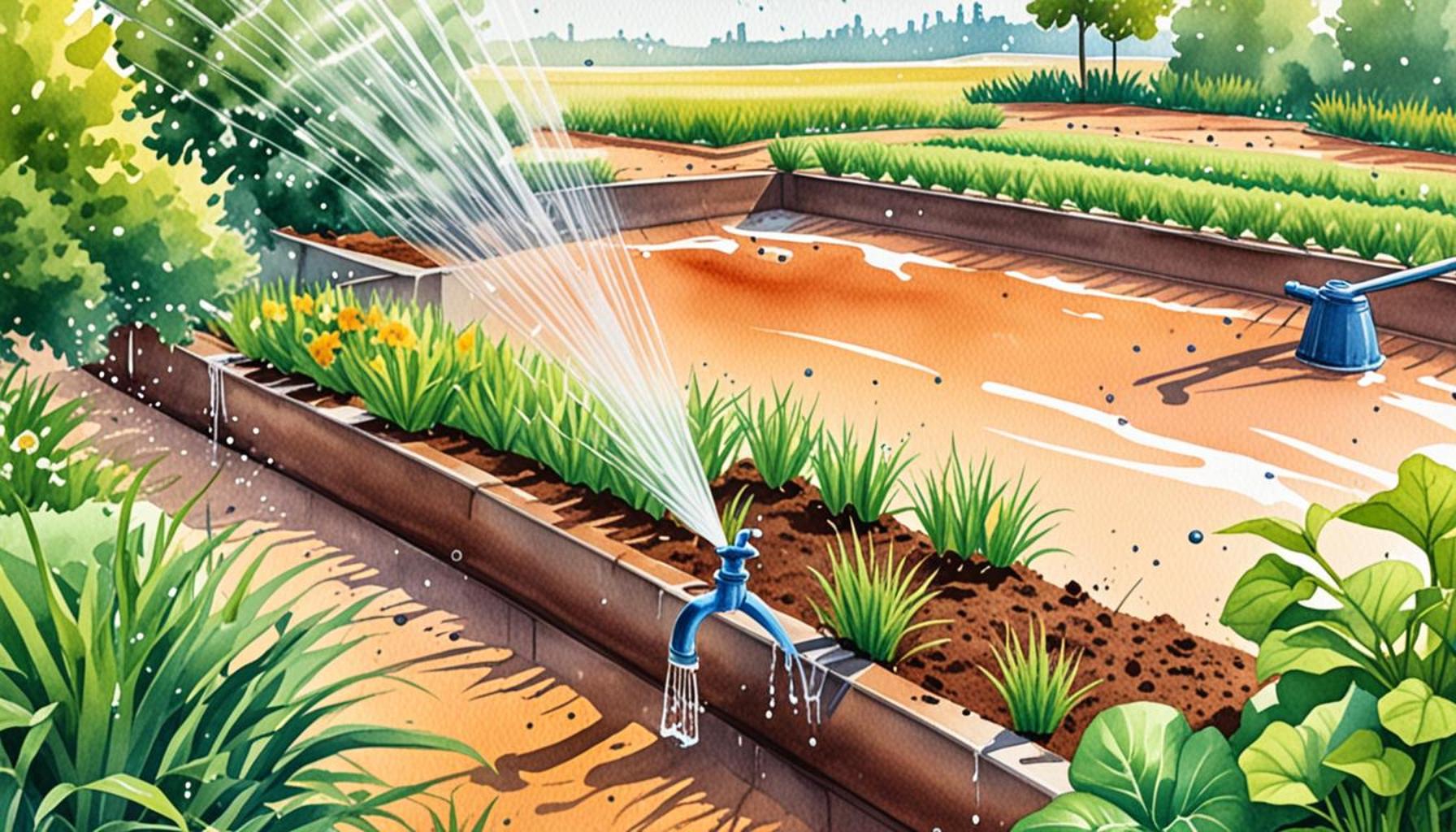
- Drip Irrigation Systems: Drip irrigation systems are ideal for conserving water and delivering moisture directly to plant roots. These systems are especially beneficial for vegetable gardens or flower beds, where precision watering can prevent over-saturation and promote healthier plants. Many homeowners find that these systems save time and reduce water waste through efficient placement of hoses and emitters.
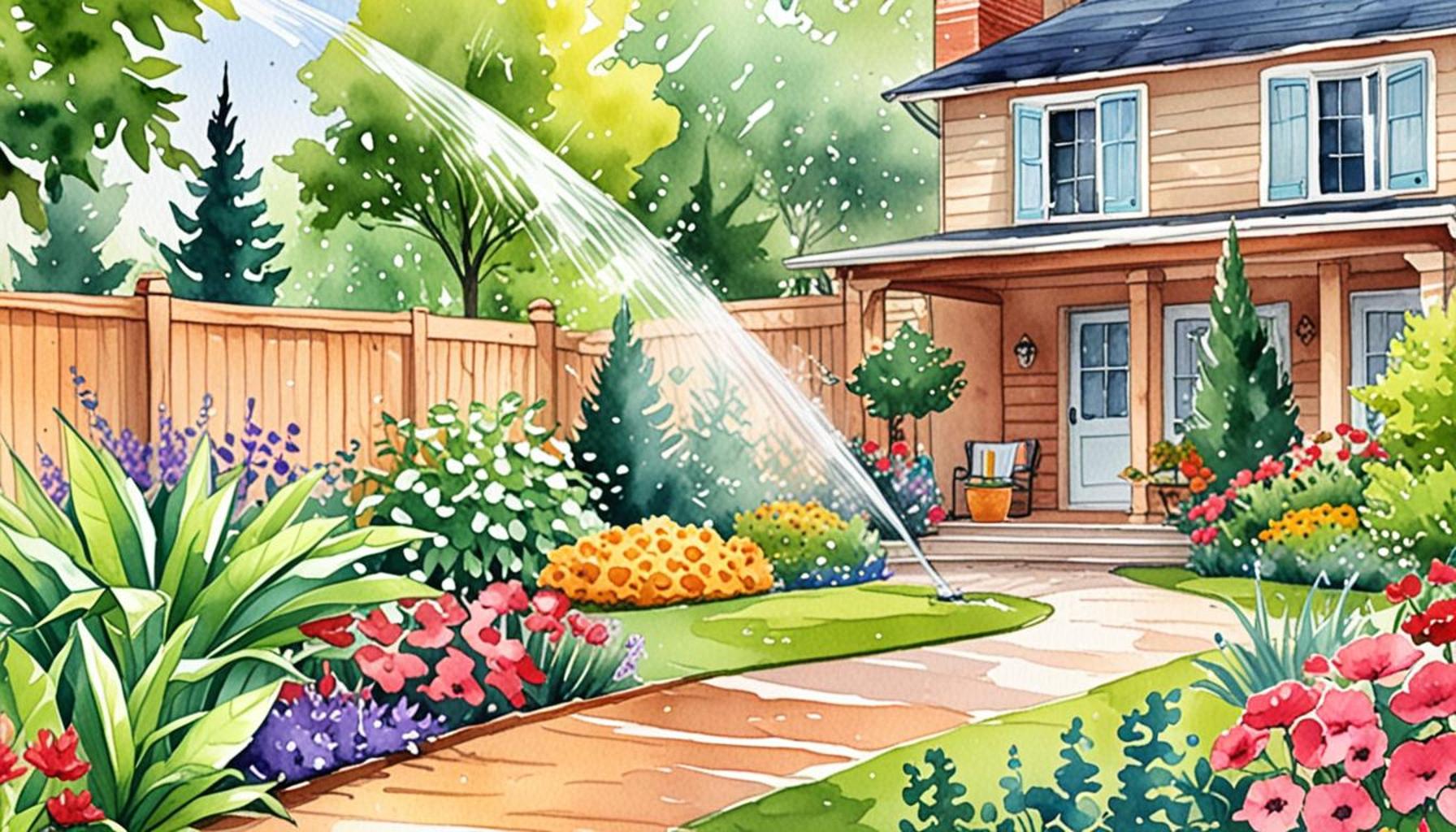
- Sprinklers: Great for covering large areas, sprinklers come in various types, including stationary, oscillating, and rotating models. They provide an even distribution of water, making them perfect for lawns and flower beds alike. Some modern sprinklers even feature timers and smart technology that adapt to local weather conditions, ensuring your garden receives just the right amount of water.
Equipped with this information, you can make informed decisions about the best watering equipment for your home garden. This thoughtful selection ultimately leads to a flourishing green space that adds beauty and value to your home. Stay tuned as we delve deeper into the various options and their benefits, enabling you to cultivate an even more spectacular garden experience!
DON’T MISS OUT: Click here to learn about seasonal pest management
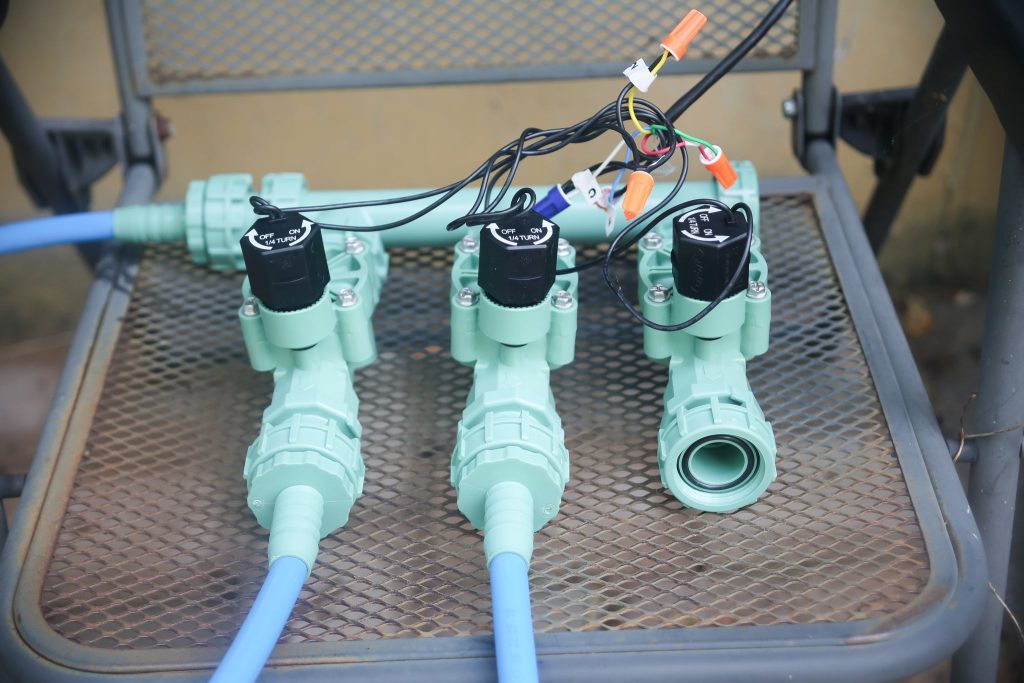
Assessing Your Watering Options
When diving into the world of gardening, the array of watering equipment available may initially feel overwhelming. However, understanding the various options—and aligning them with your garden’s needs—can make the selection process much simpler and more effective. Here, we will break down the important considerations that can guide your choices.
Watering Frequency
One of the first factors to consider is how often you will need to water your garden. This can vary based on several elements, including the weather, the season, and the specific needs of your plants. For example, during the hot summer months, you may find yourself watering your garden more frequently, necessitating time-saving options like sprinklers or drip irrigation systems. Conversely, during milder, wetter seasons, you may rely on handheld options like watering cans or hoses.
Water Pressure and Availability
Another critical aspect to evaluate is your water pressure. Not all watering equipment performs well under low pressure, which is common in many residential settings. Tools such as handheld sprayers and watering wands can offer adjustable spray patterns that provide flexibility and efficiency, especially if your water pressure isn’t optimal. Meanwhile, some drip irrigation systems are designed specifically to function well even when water pressure is lower, making them ideal for gardens with varying water supply.
Portability and Storage
Take a moment to reflect on your available space and how easily you can store your watering equipment. Portable tools like handheld sprayers and small hoses are easier to manage and store, making them ideal for smaller gardens or urban spaces where storage is at a premium. On the other hand, if you have a larger garden, investing in a wheel-mounted hose cart or a permanent irrigation setup might be the optimal solution. Consider how often you might need to move your tools and your storage capabilities as you make your selection.
Using Technology to Your Advantage
In today’s gardening landscape, technology offers innovative solutions that can transform your watering routine. By incorporating smart watering systems, you can automate your garden’s watering schedule and even monitor moisture levels in the soil. These systems can adjust according to local weather conditions, significantly conserving water while ensuring your plants receive adequate moisture. For example, if rain is expected, a smart irrigation system will postpone watering, helping you save water and time.
When considering technology, think about your own comfort level with using such systems. While some homeowners appreciate the efficiency and convenience, others may prefer more straightforward methods. Regardless of your preference, there are a multitude of options available that can enhance your watering experience and contribute to a thriving garden.
As you delve into the world of watering equipment, it’s essential to weigh these factors thoughtfully. With the right tools at your disposal, you’ll unlock the potential for a vibrant and flourishing garden that enhances your home’s beauty while providing a sanctuary for relaxation and creativity.
Understanding Your Garden’s Needs
Choosing the right watering equipment for your home garden requires a thorough understanding of your garden’s specific needs. Different plants have varying water requirements, which can depend on factors such as their species, local climate, and soil type. For instance, a vegetable garden may require more frequent and consistent watering compared to drought-resistant plants like succulents or xerophytes.Furthermore, considering the size of your garden is crucial. Smaller gardens may benefit from handheld watering cans or simple hoses, while larger landscapes could require more advanced irrigation systems, such as drip irrigation or soaker hoses. These systems can efficiently deliver water directly to the root zone, minimizing wastage and promoting healthier plant growth.
Exploring Different Types of Watering Equipment
There are several types of watering equipment available, each offering distinct advantages. Below is a comparison of two popular categories of watering equipment that can help you make an informed decision:
| Category | Benefits |
|---|---|
| Drip Irrigation | Efficient water usage directly to roots minimizes evaporation and run-off. |
| Soaker Hoses | Time-saving as they work effectively over larger areas with proven moisture retention. |
Both drip irrigation and soaker hoses can dramatically enhance the efficiency of your watering routine, thus promoting sustainable gardening practices in your home landscape. Understanding each option’s efficiency and ease of use can help you preserve water resources while keeping your plants healthy and thriving.The type of water source available can also influence your choice, as some methods may be better suited for rain collection systems or municipal water supply. Researching your options and understanding their implications is vital for making the best decision for your garden’s watering needs.
DISCOVER MORE: Click here to uncover the best selections
Considerations for Plant Types and Garden Size
Different plants have varying water needs, making it essential to choose watering equipment that suits the specific flora of your garden. For example, flowering plants and vegetables often require more consistent moisture than drought-tolerant plants, such as succulents or cacti. Understanding the water requirements of each plant will help you determine the best approach to watering. A simple way to categorize your plants is by grouping them based on their moisture needs and sun exposure, which can aid in your watering strategy.
Size Matters
Your garden size plays a pivotal role in the decision-making process regarding watering equipment. If you have a small garden or a few potted plants, a handheld watering can or a short garden hose may provide sufficient coverage. Conversely, larger gardens with expansive flower beds and rows of vegetables may require more elaborate systems, such as soaker hoses or sprinkler systems. For extensive gardens, spot watering with a handheld device might not be practical, making an automated system a worthy investment.
Climate Considerations
The climate in your region significantly impacts your watering needs. In arid areas or regions characterized by hot summers, such as parts of California or Texas, using a drip irrigation system can be particularly effective. This system delivers water directly to the roots, minimizing evaporation and ensuring efficient water use. In contrast, if you live in a humid climate with frequent rains, such as in the Southeastern U.S., you might focus more on adjustable sprinklers that can accommodate varying rainfall. Always consider your local climate and its influence on your watering requirements.
Exploring Advanced Irrigation Techniques
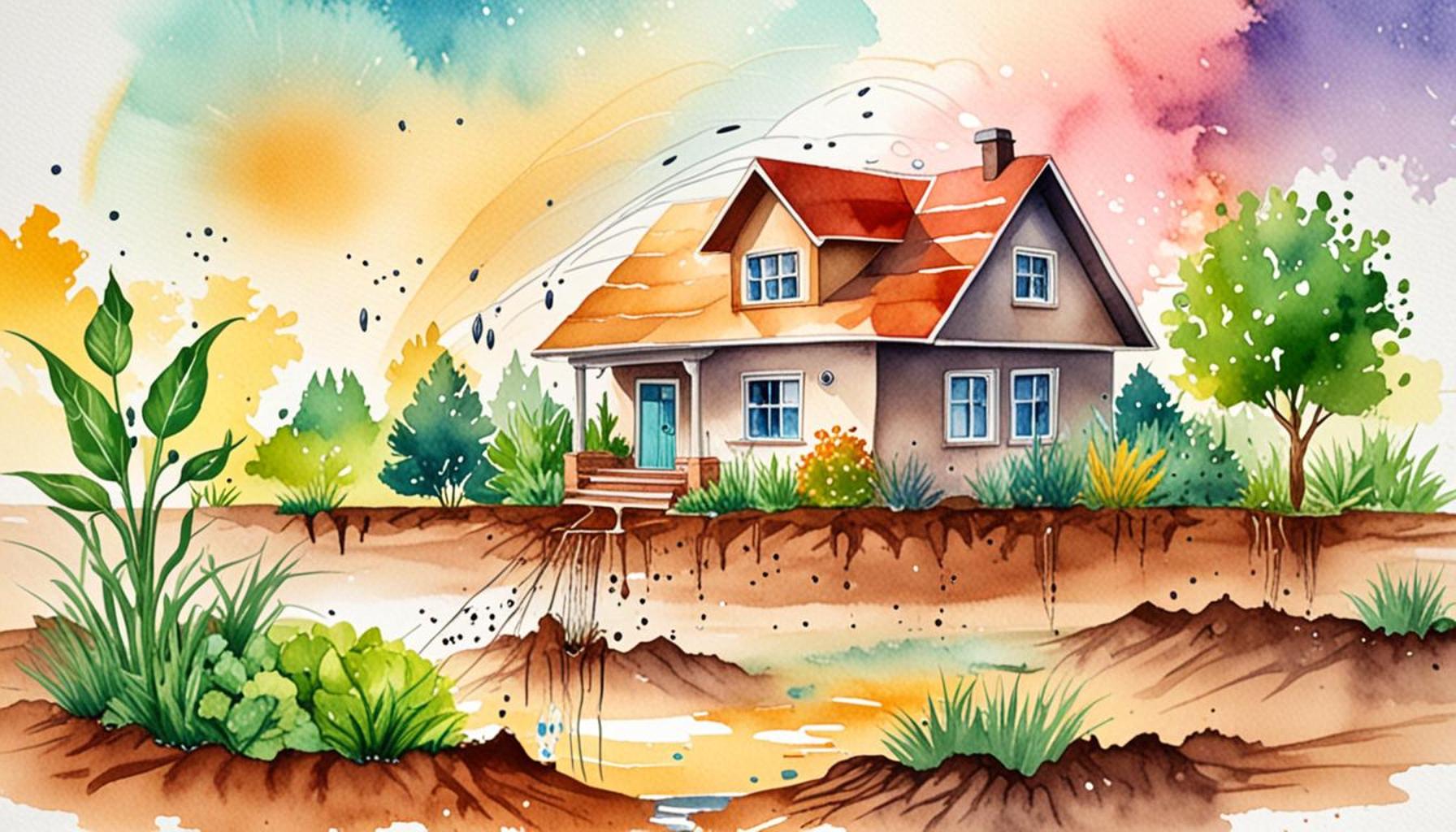
As you explore your options, consider advanced irrigation techniques that can optimize water usage and enhance plant health. One noteworthy method is subsurface irrigation, where a network of pipes and tubes is laid beneath the soil’s surface, providing moisture directly to the plant roots while minimizing water loss through evaporation. This technique can be particularly beneficial in regions with water scarcity, contributing to a sustainable gardening practice.
Moreover, rainwater harvesting systems can be an environmentally friendly alternative. Collecting rainwater through barrels or large cisterns reduces dependency on municipal water supplies and takes advantage of natural rain patterns. Many systems come with filters or separate attachments that allow for easy access and application to your garden. This not only conserves water but also reduces your utility bills, making it an economically sound choice over time.
Practical Tips for Maintaining Watering Equipment
<pOnce you’ve selected the appropriate watering equipment for your home garden, it’s essential to maintain it properly to ensure longevity and efficiency. Regularly check hoses for leaks or blockages, and clean filters in irrigation systems to prevent algae and debris buildup. Additionally, when using sprinklers, ensure they are directed to water your plants effectively rather than the concrete, which helps with water conservation.
Ultimately, the right watering equipment is crucial for achieving a lush and vibrant garden. By carefully considering factors like plant water needs, climate, and garden size, homeowners can set themselves up for successful gardening endeavors that yield bountiful results.
DIVE DEEPER: Click here to learn about the benefits of composting
Conclusion: Making Informed Choices for a Flourishing Garden
In summary, selecting the best watering equipment for your home garden is a multifaceted decision that hinges on several key factors, including plant types, garden size, and climate conditions. By understanding your plants’ unique water needs and adjusting your approach accordingly, you can ensure optimal growth and vitality in your garden. Whether you opt for a simple handheld watering can for smaller spaces or invest in sophisticated drip irrigation systems for expansive gardens, the right tools will empower you to create a lush outdoor sanctuary.
Additionally, exploring advanced techniques like rainwater harvesting can contribute not only to a sustainable gardening practice but also to significant water savings, which is increasingly vital in today’s world. Remember, effective maintenance of your watering equipment is equally crucial; regular checks and updates will keep your systems running efficiently and prolong their lifespan.
Moreover, taking the time to research and understand the best watering practices in your specific region can open up even more opportunities for improvement. As you delve deeper into these considerations, you’ll find that a well-watered garden is not just a dream, but an achievable reality. Continue to explore, learn, and adapt, and you’ll witness how the fruits of your labor blossom abundantly.