Foliage Plants for Beginners: Choosing Lush Greenery to Enhance Indoor Spaces
Bringing Nature Indoors
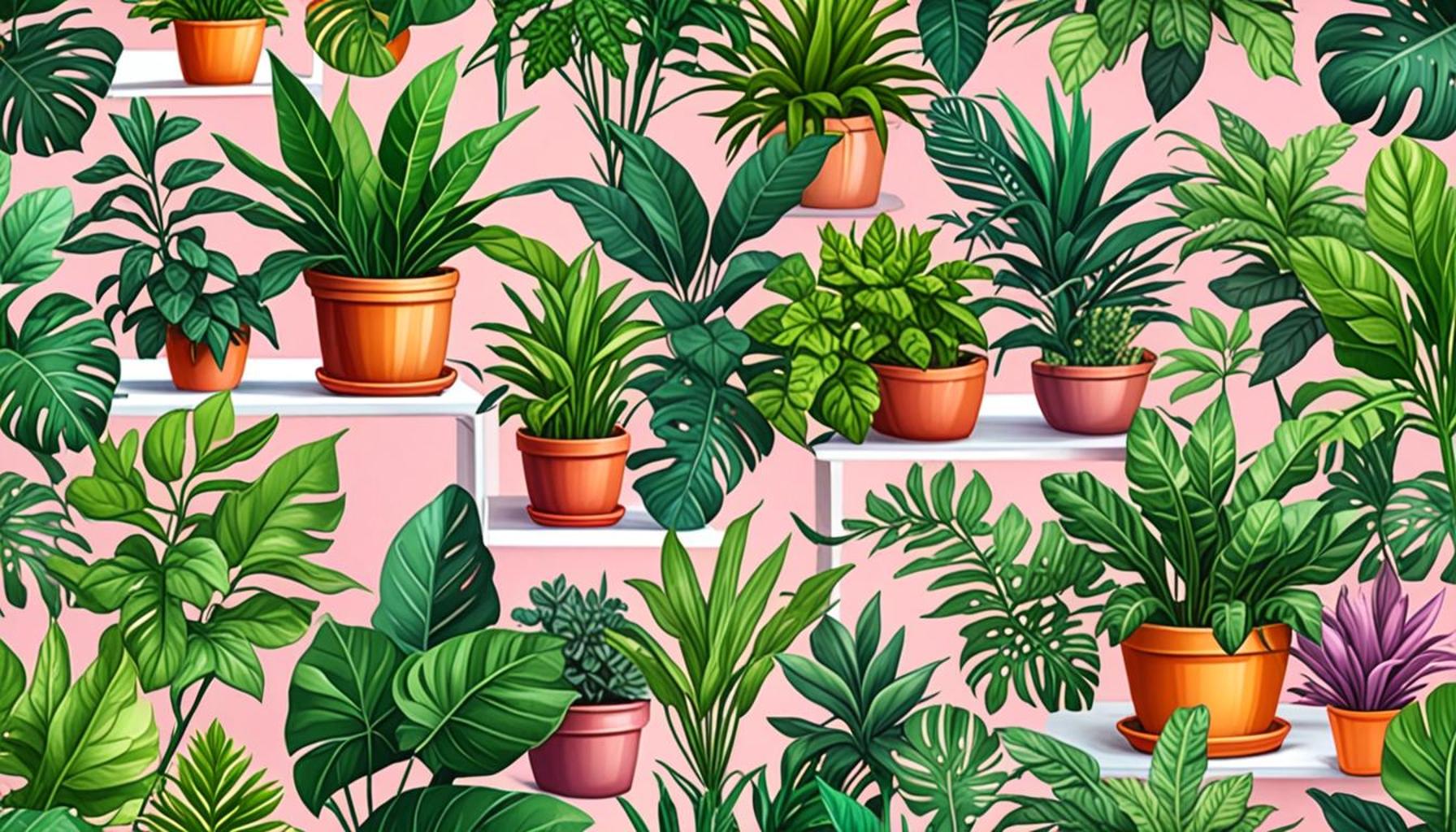
Indoor spaces often lack the vibrancy of nature, but incorporating foliage plants can transform your environment dramatically. These plants not only add aesthetic appeal but also promote well-being and creativity. With countless varieties available, selecting the right ones can feel overwhelming for those just starting their plant journey. Indoor gardening has surged in popularity, especially in urban settings where natural green spaces are limited. This trend not only enhances the beauty of one’s home but also contributes positively to mental health.
Why Choose Foliage Plants?
Foliage plants are celebrated for their lush green leaves and low maintenance needs, making them perfect for beginners. Here are some compelling reasons to choose them:
- Air Quality Improvement: Many foliage plants can purify indoor air by removing toxins. For instance, the Common Spider Plant (Chlorophytum comosum) is known to filter formaldehyde and xylene from the air, creating a healthier environment for you and your family.
- Low Maintenance: Most require minimal watering and care, ideal for busy lifestyles. For example, the ZZ plant (Zamioculcas zamiifolia) can thrive on neglect, needing water only every few weeks, making it an excellent choice for those new to plant care.
- Versatile Décor: Their beautiful greenery complements various interior styles, from modern to rustic. Whether you choose a minimalist snake plant standing tall in a sleek pot or a cascading pothos enhancing a cozy reading nook, foliage plants can effortlessly fit into and elevate any design aesthetic.
Popular Foliage Plant Choices
Several foliage plants stand out as beginner-friendly options. Consider these favorites:
- Pothos: Known for its trailing vines and easy care, pothos can thrive in a range of lighting conditions, making it perfect for beginners. They can be styled in hanging baskets or trained to climb, bringing dynamic beauty to any wall.
- Snake Plant: Nearly indestructible, the snake plant (Sansevieria) can thrive in low light and requires infrequent watering. Its upright, sword-like leaves add architectural interest, making it an excellent choice for office spaces or homes.
- ZZ Plant: A tough plant that tolerates neglect beautifully, the ZZ plant’s glossy leaves reflect light and enhance indoor brightness. It has gained popularity not just for its resilience but also for its ability to thrive in low light environments, making it ideal for apartments with limited sunlight.
As you explore the world of foliage plants, consider how these remarkable greens can enhance your indoor spaces, making them more inviting and lively. The experience of nurturing these plants extends beyond aesthetics; it offers a sense of accomplishment and connection to nature. So, whether you’re a seasoned plant parent or just beginning, the lush world of foliage plants awaits you with open leaves!
DIVE DEEPER: Click here to learn more
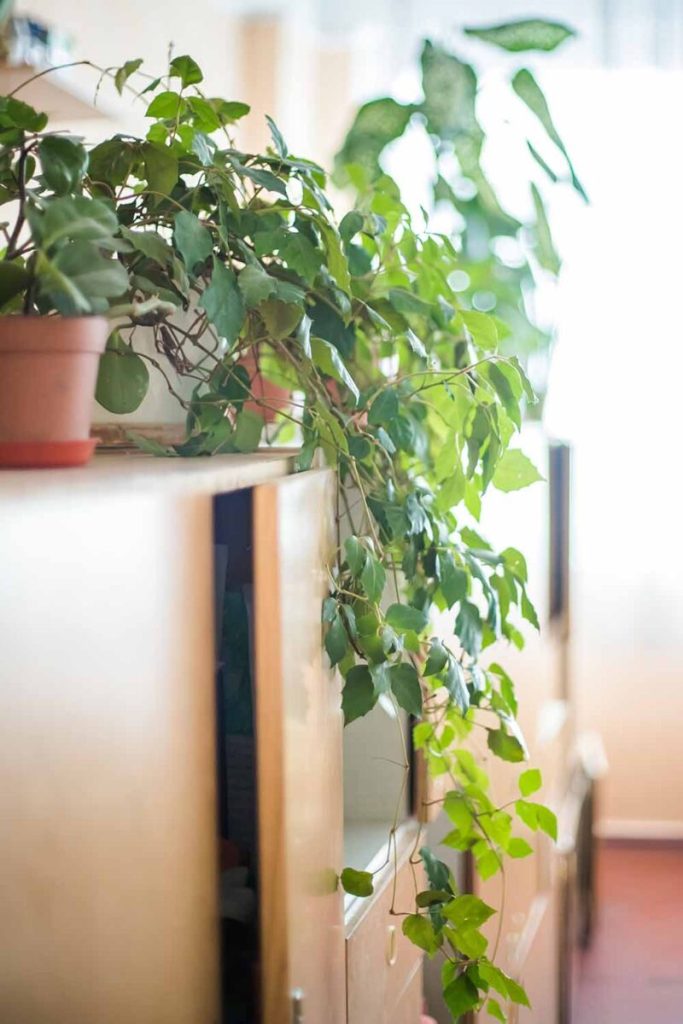
Getting Started with Foliage Plants
For many beginners, the world of foliage plants can feel like an intriguing yet daunting adventure. However, diving in doesn’t have to be overwhelming. Understanding the basics of plant care and the specific needs of different species can help transform your indoor space into a lush oasis. Begin your plant journey by educating yourself on water, light, temperature, and humidity—factors that can significantly impact your plant’s health and growth.
Essential Care Tips for Foliage Plants
After selecting your desired foliage plants, keeping them thriving requires some foundational knowledge. Here are some essential care tips for beginners:
- Light Requirements: Different plants thrive under varying light conditions. While the snake plant can handle low light, pothos prefers bright, indirect sunlight. Assess your room’s lighting situation and choose plants accordingly; this step can prevent frustrating withering and yellowing leaves.
- Watering Wisely: Overwatering is a common mistake made by novice plant owners. Remember that less is often more when it comes to watering foliage plants. It’s crucial to check the top inch of soil; if it feels dry, it’s time to water! Conversely, for plants like the ZZ plant, allowing the soil to dry out completely between waterings is the way to go.
- Humidity Considerations: Many foliage plants thrive in humidity, particularly those native to tropical climates. If you notice brown tips on leaves, it may indicate your environment is too dry. Simple solutions include misting plants or placing a humidity tray below the pots to create a microclimate that keeps them happy.
- Fertilizing Plant Food: While foliage plants are often forgiving, they do appreciate a little nourishment during their growing seasons. A diluted, balanced liquid fertilizer can provide necessary nutrients. Feed your plants every 4-6 weeks during spring and summer for optimal growth.
Choosing the Right Potting Soil
Another critical choice for beginners is selecting the appropriate potting soil. The right soil can make all the difference in your plant’s success. Look for soil blends that provide good drainage while retaining moisture. A peat-based mix with added perlite is often a solid choice for most foliage plants. Additionally, ensure that the pots you choose have proper drainage holes to prevent water retention, which can lead to root rot.
By taking the time to learn about these essential care tips and choosing the right environment for your chosen foliage plants, you will set yourself up for a rewarding plant ownership experience. The journey into indoor gardening opens up a world of vitality and beauty, encouraging you to explore more about your plant companions’ needs and preferences as they flourish in your home.
Understanding the Benefits of Foliage Plants
Foliage plants do more than simply beautify indoor spaces; they offer a plethora of benefits that both novice and seasoned plant enthusiasts can appreciate. One of the key aspects to consider is how these lush greens can significantly enhance your home’s ambiance and create a tranquil environment. The soothing presence of greenery can reduce stress and promote a sense of well-being. Additionally, many foliage plants improve air quality by filtering toxins and boosting oxygen levels, making them not just aesthetic additions, but also practical choices for healthier living. For beginners, selecting plants that are easy to care for is crucial. Varieties such as the Snake Plant or Pothos thrive in various light conditions and require minimal maintenance. When choosing foliage plants, it’s essential to consider factors such as light exposure and humidity levels in your indoor spaces. Armed with this knowledge, you can create a thriving collection of plants that will elevate your surroundings.
The Connection Between Indoor Greenery and Creativity
Recent studies have shown that the presence of indoor plants can enhance creativity and productivity. In spaces where individuals spend significant amounts of time, like home offices or study areas, including foliage plants can lead to an increase in focus and a boost in overall mood. The calming effect of green hues allows for a more serene workspace, fostering a conducive environment for brainstorming and innovation. Moreover, plants are an excellent way to personalize your space. From vibrant leaves to unique textures, each plant brings its distinctive character, which can inspire visitors and occupants alike. By integrating foliage plants into your indoor décor, you can create thematic interiors that reflect your personal tastes while promoting relaxation and creativity.To explore more about selecting the right plants and maximizing their potential in your living spaces, consider various resources and plant care communities that can guide you on this green journey. Discovering the right foliage plants for beginners is just the first step towards cultivating a lush interior environment.
DISCOVER MORE: Click here to learn about companion planting
Creating the Ideal Environment for Your Foliage Plants
Once you’ve equipped yourself with knowledge about plant care basics, the next step involves creating an ideal environment that caters to your chosen foliage plants. Consider factors such as temperature, positioning within your living space, and complementary plant pairings to ensure a vibrant indoor garden.
Understanding Temperature Preferences
Temperature plays a significant role in the health of your indoor plants. Most foliage plants thrive in temperatures between 65°F to 75°F (18°C to 24°C). Extreme fluctuations can stress your plants, so be mindful of placing them near heating vents, air conditioners, or windows that experience drafts. For example, the rubber plant, a popular choice among beginners, prefers a stable environment and will show signs of distress in temperatures outside its comfort zone.
Optimal Placement Strategies
Placement is key to your plants’ growth and vitality. Ensure that you are considering not just light and humidity but also the layout of your space. Grouping plants together can create a mini-ecosystem that helps boost humidity levels while also aesthetically enhancing your home. For instance, pothos and spider plants when positioned together not only thrive side by side, but their trailing vines can form an eye-catching green cascade, adding visual interest to any corner.
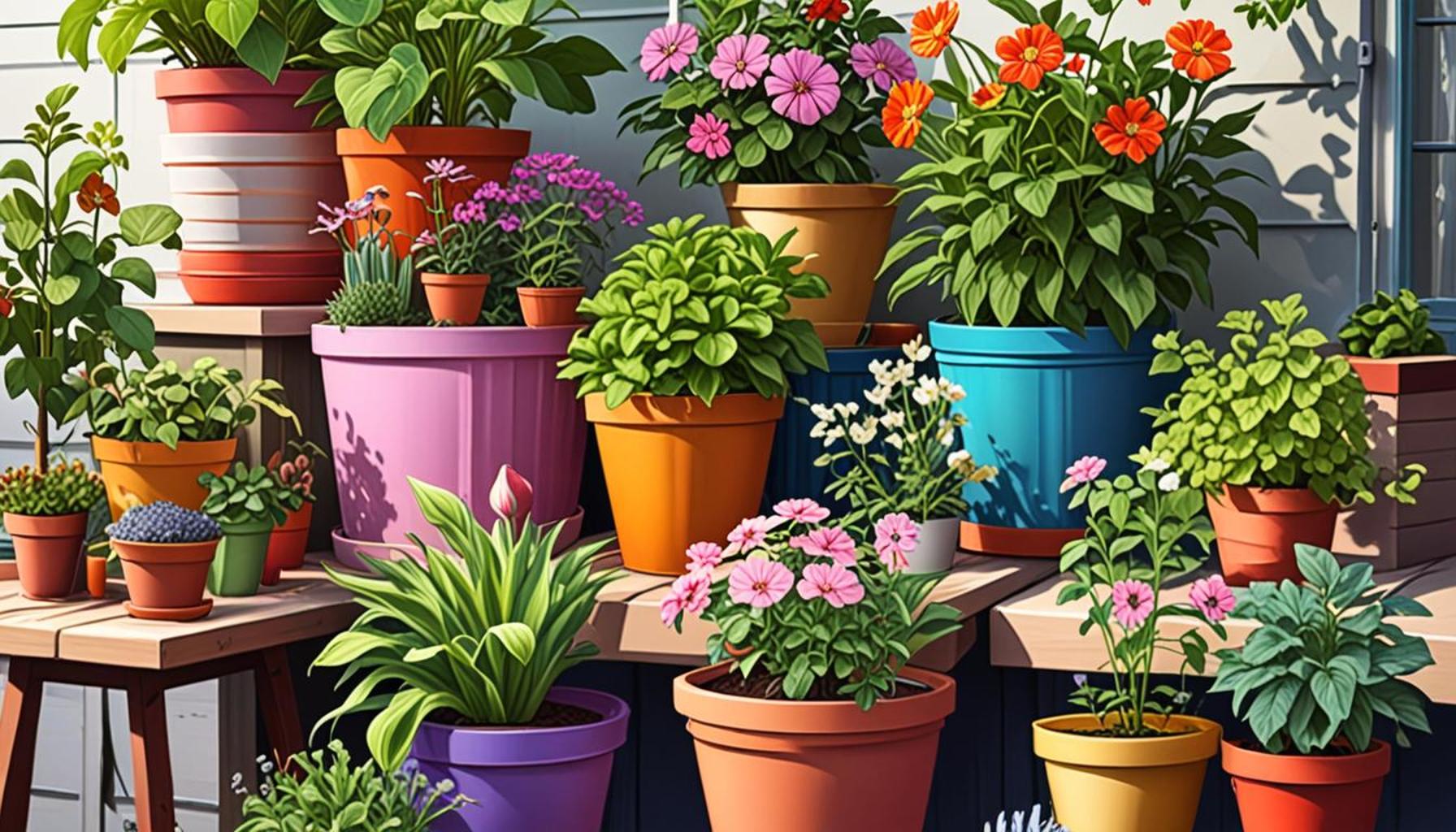
Additionally, consider the use of shelves or plant stands to showcase your foliage plants at various heights. This vertical story adds dimension to your decor and allows light to reach all leaves more efficiently, creating a rich tapestry of greens. Strategically using decorative planters can also enhance the visual appeal; the right pot with an understated design or vibrant color can make your foliage plants stand out as they transform your space.
Companion Planting for Beginners
Choosing to incorporate various foliage plants in your indoor garden can lead to a harmonious ecosystem that benefits each plant. This practice, known as companion planting, allows plants to coexist and support one another’s growth. For example, pairing a peace lily and a philodendron can create a lush ensemble, since the peace lily helps to maintain humidity that the philodendron craves. Additionally, the color contrast between their leaves can enhance the aesthetic while potentially deterring pests that threaten both plants.
As you experiment with different combinations, pay attention to their light and watering needs. Observing which plant pairings flourish together can provide insight into beneficial relationships between various species. Moreover, sharing tips and experiences with fellow plant enthusiasts through community groups or online forums can increase your understanding of the best companion plants.
Keeping an Eye on Pest Management
Regardless of how well you care for your foliage plants, pests can become a hindrance in your indoor garden journey. Aphids, spider mites, and mealybugs are common invaders that can quickly wreak havoc if left unchecked. The key is early detection and management. Regularly inspect your plants for signs of distress, such as discolored leaves or visible pests. A gentle spray of water often removes pests without the need for harsh chemicals.
For a more in-depth solution, consider introducing natural pest deterrents like neem oil or insecticidal soap to your care routine. Not only do these options provide an effective pest management strategy, but they also align with an organic approach to indoor gardening, which resonates with many beginners looking for sustainable methods.
By creating the right environment, understanding temperature preferences, and selecting suitable companions, you can curate a thriving indoor jungle that enhances both your living space and your plant knowledge. Your journey into the world of foliage plants is only just beginning, and there’s much to explore as you cultivate a diverse and vibrant indoor green space.
DISCOVER MORE: Click here to learn about companion planting
Conclusion: Cultivating Your Indoor Oasis
Embarking on the journey of nurturing foliage plants not only enriches your living environment but also fosters a rewarding connection with nature. As we explored throughout this article, successfully enhancing indoor spaces with lush greenery begins with a solid understanding of your plants’ unique needs and preferences. From temperature ranges that keep your plants thriving to strategic placement that maximizes aesthetics and health, every consideration you make plays a vital role in the overall success of your indoor garden.
Furthermore, the concept of companion planting opens the door to creative possibilities. By pairing plants that complement one another, you’ll not only beautify your home but also create a harmonious ecosystem that promotes growth. Remember, regular monitoring for pests and being proactive in their management can safeguard your leafy companions, ensuring they remain vibrant contributors to your space.
Whether you’re a novice or just beginning to experiment with your green thumb, remember that patience and observation are key. Each plant presents a unique journey of growth, with challenges and rewards that teach invaluable lessons along the way. Engaging with fellow enthusiasts, whether online or in local plant communities, can enhance your knowledge, inspire new ideas, and cultivate a sense of camaraderie with fellow plant lovers.
In a world increasingly dominated by technology, the act of tending to live plants brings a refreshing touch of tranquility. As you piece together your collection of foliage plants, relish the fact that you’re not just beautifying your home but nurturing a little slice of nature that contributes to a healthier indoor environment. So, dive into the world of indoors greenery, explore the variety at your fingertips, and watch as your space transforms into a vibrant haven of life and color.