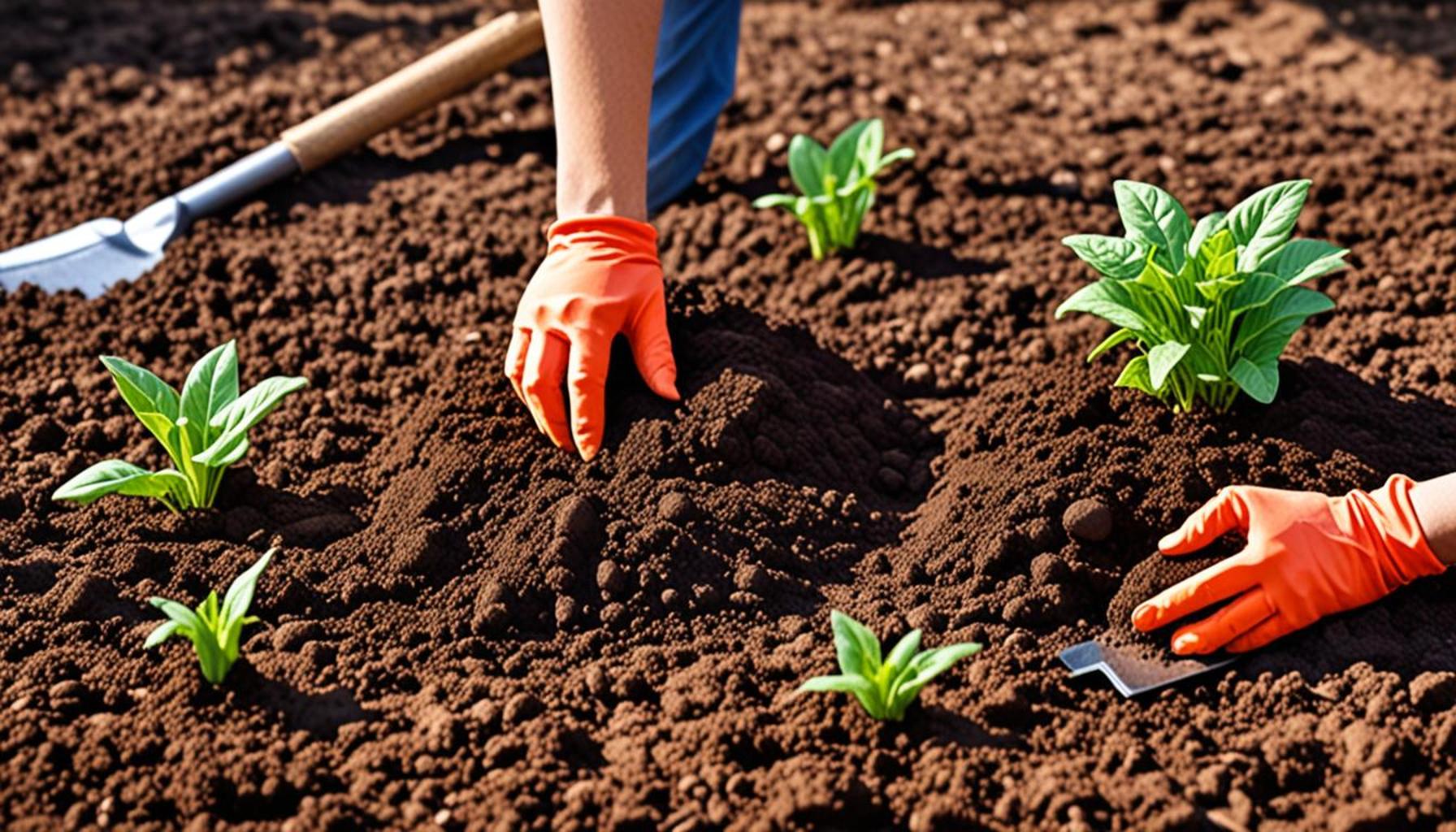
Exploring Soil Microbiology: The Hidden Helpers in Your Garden
The Invisible Guardians of Your Garden
As you stroll through your garden, surrounded by blooming flowers and flourishing vegetables, you might visualize it as a picturesque landscape. However, beneath the surface lies a bustling ecosystem comprised of soil microorganisms that tirelessly support this vibrant environment. These microscopic allies are not just passive inhabitants; they are essential players that contribute to plant health, soil fertility, and overall ecosystem balance.
Soil microbiology, a field often overlooked by gardeners and nature enthusiasts alike, reveals an intricate web of life that holds the key to sustainable gardening. Let’s delve deeper into the various microbial inhabitants that play critical roles in this subterranean community:
- Bacteria: Representing the most abundant type of microorganism in the soil, bacteria are the foundational decomposers. They break down organic matter, such as dead plants and animal remains, recycling nutrients back into the soil. For instance, nitrogen-fixing bacteria, like those found in the genus Rhizobium, convert atmospheric nitrogen into forms usable by plants, thus enriching the soil.
- Fungi: More than just decay agents, fungi are vital partners of plants. They form mycorrhizal associations with plant roots, enhancing nutrient and water absorption. This symbiosis allows plants to access phosphorus and other minerals that would otherwise be unavailable. A fascinating example is the common truffle, which forms a mutually beneficial connection with tree roots, showcasing the important intertwining of fungal and plant life below ground.
- Protozoa: These single-celled organisms play a crucial role in controlling bacterial populations and contributing to nutrient cycling. By preying on bacteria, protozoa help regulate their numbers and release nutrients in a form that plants can absorb. Their activity is essential in maintaining a balanced soil ecology, preventing harmful bacterial overgrowth.
Understanding the function of these microorganisms offers multiple advantages for gardeners. Healthy soil microbiology leads to improved soil structure, increased water retention, and enhanced nutrient availability. For instance, incorporating organic matter like compost can dramatically boost microbial life, fostering a vibrant, self-sustaining ecosystem in your garden.
Moreover, fostering this microbial diversity has significant implications for sustainable gardening practices. By avoiding chemical fertilizers and pesticides, which can harm beneficial microbes, gardeners can promote a resilient soil ecosystem capable of thriving with minimal human intervention. Are you intrigued by the potential of these unseen allies? Join us in exploring the captivating world of soil microbiology and learn how nurturing these tiny organisms can transform your gardening experience into one of resilience, abundance, and harmony with nature.
DIVE DEEPER: Click here to uncover the perfect soil recipe for your plants
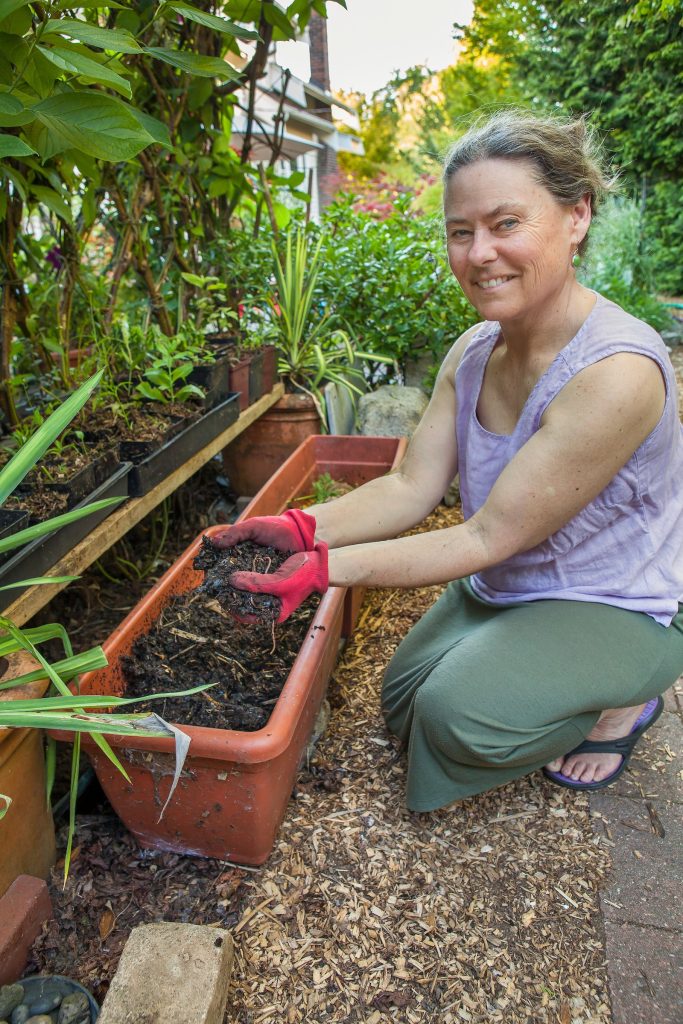
Understanding the Diverse Microbial Community in Soil
The health of your garden largely depends on the unseen world beneath your feet. Soil is not merely dirt; it teems with life, particularly an array of microorganisms that play crucial roles in maintaining soil vitality. Each of these organisms contributes uniquely to the ecosystem, ensuring that plants receive the nutrients they need to thrive. Grasping their specific functions unveils the importance of a robust microbial community.
- Actinomycetes: Frequently misidentified as fungi due to their filamentous nature, actinomycetes are vital in the decomposition of resistant organic materials, such as cellulose and chitin. These bacteria-like organisms excel in breaking down complex compounds, recycling essential nutrients back into the soil. For example, in a compost pile, actinomycetes assist in creating a rich humus that improves soil structure, enhances water retention, and fosters an environment conducive to plant growth.
- Mycorrhizae: This remarkable group of fungi forms symbiotic relationships with plant roots, significantly extending the root system’s capacity to absorb water and nutrients. This alliance is particularly important in nutrient-poor soils, where mycorrhizal fungi can connect to the roots of multiple plants, facilitating nutrient exchange among them. Studies show that crops such as tomatoes and corn exhibit improved yields and resilience when associated with mycorrhizal fungi, underscoring their value in sustainable gardening practices.
- Soil Nematodes: Often labeled as garden pests, nematodes hold a more nuanced role in soil ecosystems. Various beneficial nematode species contribute to soil health by preying on certain bacteria and fungi, keeping their populations in check. This predatory behavior helps maintain balance in the microbial community, illustrating their contribution to nutrient cycling. Research indicates that gardens with active nematode populations showcase improved soil structure and fertility, highlighting their significance in a healthy soil ecosystem.
- Beneficial Fungi: Beyond mycorrhizal associations, many fungi actively support soil health in other ways. For instance, certain fungi produce natural antibiotics that can defend plants against diseases, thereby promoting growth. Fungi such as Trichoderma not only protect plants but also stimulate root growth and enhance nutrient uptake, further demonstrating the symbiotic relationships flourishing within the soil.
Understanding the significance of these microorganisms is crucial for achieving gardening success. A healthy soil microbiome contributes to improved soil fertility, bolstered resistance against disease, and heightened biodiversity. These benefits extend beyond individual gardens, positively affecting the broader ecosystem by promoting nutrient cycling and fostering healthy plant growth, which in turn supports a myriad of wildlife.
To cultivate such a thriving environment rich in microbial life, practices like composting are extremely beneficial. Organic compost not only serves as a nutrient-dense food source for microorganisms but also creates a living soil environment. Additionally, incorporating cover crops can further enhance microbial diversity by enriching the soil with organic matter, thus improving soil structure and facilitating nutrient movement. For example, planting clover as a cover crop can enhance nitrogen levels in the soil while improving overall soil health.
By embracing these natural strategies and deepening our understanding of soil microorganisms, gardeners can unlock the potential of their plots, creating ecosystems that are resilient and sustainable. The hidden helpers beneath the surface carry the weight of a successful garden, teaching us that the healthiest soils are the foundation of flourishing plant life.
Understanding Soil Microbiology: The Importance of Microbes
Soil microbiology plays a pivotal role in maintaining the health and productivity of our gardens. The intricate community of microorganisms, including bacteria, fungi, protozoa, and nematodes, acts as a complex web of interactions that supports plant growth and nutrient cycling. These hidden helpers are not just passive inhabitants of the soil; they actively engage in processes that are essential for our gardens’ vitality.For instance, beneficial bacteria are often responsible for the decomposition of organic matter, breaking down complex compounds into simpler forms that plants can easily absorb. This process not only enriches the soil but also enhances the availability of critical nutrients such as nitrogen, phosphorus, and potassium. Meanwhile, mycorrhizal fungi form symbiotic relationships with plant roots, greatly expanding their reach to access water and nutrients, ultimately leading to improved plant resilience against environmental stressors.Additionally, soil microorganisms are instrumental in suppressing plant diseases. They compete with harmful pathogens for space and resources, helping to keep these potential threats at bay. The presence of a diverse microbial community can significantly enhance the overall health of your garden, leading to a thriving ecosystem that fosters vigorous plant growth.Recent studies have highlighted the importance of maintaining soil biodiversity to enhance microbial activity. This introduces an exciting opportunity for gardeners to explore practices that promote a healthy soil microbiome, such as crop rotation, organic amendments, and minimal tillage. By understanding the roles these microorganisms play, gardeners can make informed decisions to foster healthy soil and, consequently, a flourishing garden.
Exploring Further: The Connection Between Soil Health and Gardening Success
As interest in sustainable gardening grows, understanding soil microbiology becomes increasingly important. By harnessing the power of these unseen allies, gardeners can unlock new methods of cultivation that minimize chemical inputs and maximize natural growth processes. Investing time to learn about the diverse microorganisms in your soil can offer solutions to common gardening challenges and lead to bountiful harvests.To delve deeper into this fascinating subject, consider researching local soil microbiology research centers or community workshops that focus on sustainable gardening practices. By connecting with experts and leveraging the latest scientific findings, you can turn your garden into a thriving ecosystem filled with healthy plants and vibrant soil diversity.
| Category | Key Advantages |
|---|---|
| Soil Health | Microbes decompose organic matter, enriching soil nutrients. |
| Disease Suppression | Beneficial microorganisms combat harmful pathogens, enhancing plant resilience. |
DISCOVER MORE: Click here to learn about the advantages of crop rotation
The Essential Functions of Soil Microorganisms
The complex interactions among soil microorganisms not only foster plant health but also maintain ecological balance. Within the vast underground network, microbial communities adapt to their surroundings and provide essential services that are pivotal for enriching soil and facilitating growth. Let’s delve deeper into some of these critical functions provided by soil microorganisms.
- Nutrient Cycling: Nutrient cycling is fundamental to a sustainable garden ecosystem. Soil microorganisms, including bacteria and fungi, decompose organic matter and convert nutrients into forms that plants can readily absorb. For instance, nitrogen-fixing bacteria, such as Rhizobium, establish symbiotic relationships with the roots of legumes. By converting atmospheric nitrogen into inorganic forms, these bacteria not only enrich the soil but also help reduce the need for synthetic fertilizers, promoting a more eco-friendly gardening approach.
- Soil Structure and Stability: Microorganisms play a vital role in enhancing soil structure and stability. Fungi, particularly mycorrhizae, produce mycelium that binds soil particles together, creating aggregates that improve aeration and water retention. This structure prevents soil erosion and supports a more resilient gardening environment. Healthy soil aggregates also facilitate the movement of water and air, ensuring that plants can access essential resources for growth.
- Bioremediation: The capacity of certain soil microbes to degrade pollutants positions them as natural agents of bioremediation. Research has shown that specific bacteria can metabolize harmful substances such as heavy metals and pesticides, thereby detoxifying soil. For instance, Dehalococcoides species have been identified for their ability to break down hazardous chlorinated compounds. By employing bioremediating microorganisms, gardens can be restored from chemical damage, allowing for a healthier growing environment.
- Soil Health and Disease Suppression: The balance of beneficial microbes in the soil serves as a natural line of defense against plant pathogens. Certain bacteria and fungi produce antibiotics and other compounds that inhibit the growth of harmful microbes, effectively keeping diseases at bay. The presence of a rich diversity of microorganisms can reduce the incidence of root rot and other fungal diseases, allowing plants to flourish. For example, the introduction of the beneficial bacterium Bacillus subtilis has been shown to promote plant health by suppressing fungi like Rhizoctonia solani, which causes root rot.
These essential functions highlight the indispensable role of microorganisms in creating a vibrant garden ecosystem. By nurturing microbial life, gardeners can establish a self-sustaining environment that enhances plant health and resilience. Promoting diversity in the microbial community will not only contribute to more productive gardens but also safeguard the broader environment, exemplifying the interconnectedness of soil health and ecosystem vitality.
Encouraging a Thriving Microbial Community
To cultivate the myriad benefits that soil microorganisms offer, particular practices can be adopted. Minimal tillage allows the microbial community to thrive by preserving their habitat while avoiding soil disruption that could harm fragile communities. Additionally, applying organic fertilizers, such as compost tea or worm castings, can supply essential nutrients while enhancing microbial activity. Permaculture techniques and biodiversity strategies, such as polycultures and intercropping, have also been shown to support a varied microbial ecosystem. These practices lead to healthier soil, ensuring that your garden can flourish.
Finally, the journey of exploring soil microbiology invites all gardeners to become stewards of their soil. With the knowledge of these hidden helpers, you can take significant steps toward creating a productive and sustainable garden that supports both plant life and the broader ecosystem.
LEARN MORE: Click here to dive deeper
Conclusion: The Power of Soil Microbiology in Your Garden
Exploring soil microbiology reveals a fascinating world of unseen allies nurturing our gardens. These tiny, vibrant organisms not only play a crucial role in nutrient cycling but also enhance soil structure, support plant health, and facilitate natural bioremediation processes. Their diverse functionalities foster a balanced ecosystem, ultimately resulting in stronger, more resilient plants that contribute to a sustainable gardening practice.
As gardeners, our understanding of these hidden helpers paves the way for innovative and eco-friendly horticultural techniques. By implementing beneficial practices like minimal tillage, organic amendments, and biodiversity strategies, we can promote a thriving microbial community that enhances soil quality and encourages optimal plant growth. This not only leads to a more bountiful harvest but also forms an essential relationship with the larger ecosystem, where healthier soils contribute to environmental sustainability.
The journey of recognizing and nurturing soil microorganisms invites a deeper appreciation of the intricate life beneath our feet. As we embrace their vital contributions, we become stewards of healthier gardens and, ultimately, a more sustainable future. Let this exploration of soil microbiology inspire you to dig deeper into the soil, cultivate diversity, and witness the remarkable transformation of your garden into a thriving, harmonious ecosystem.