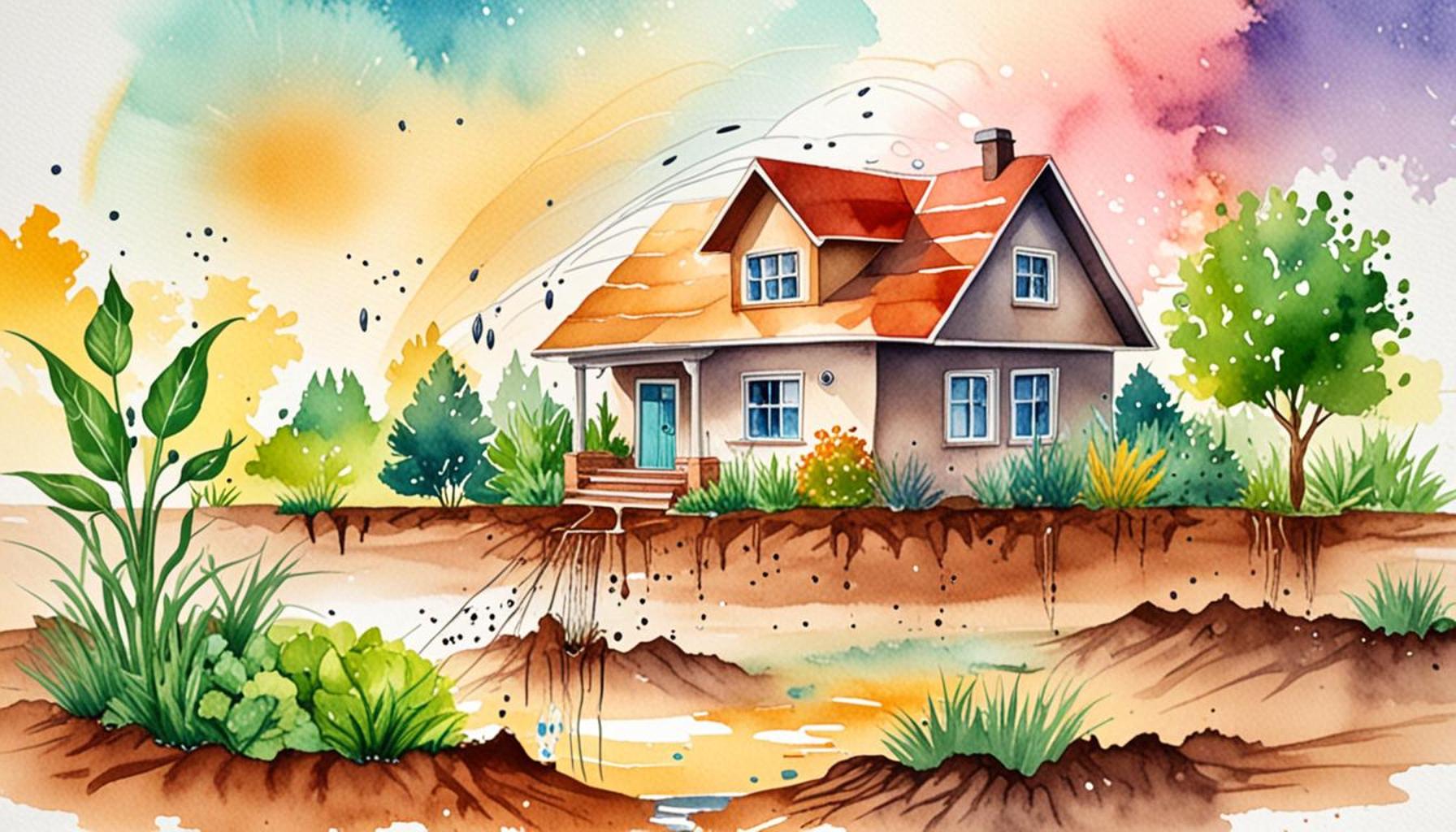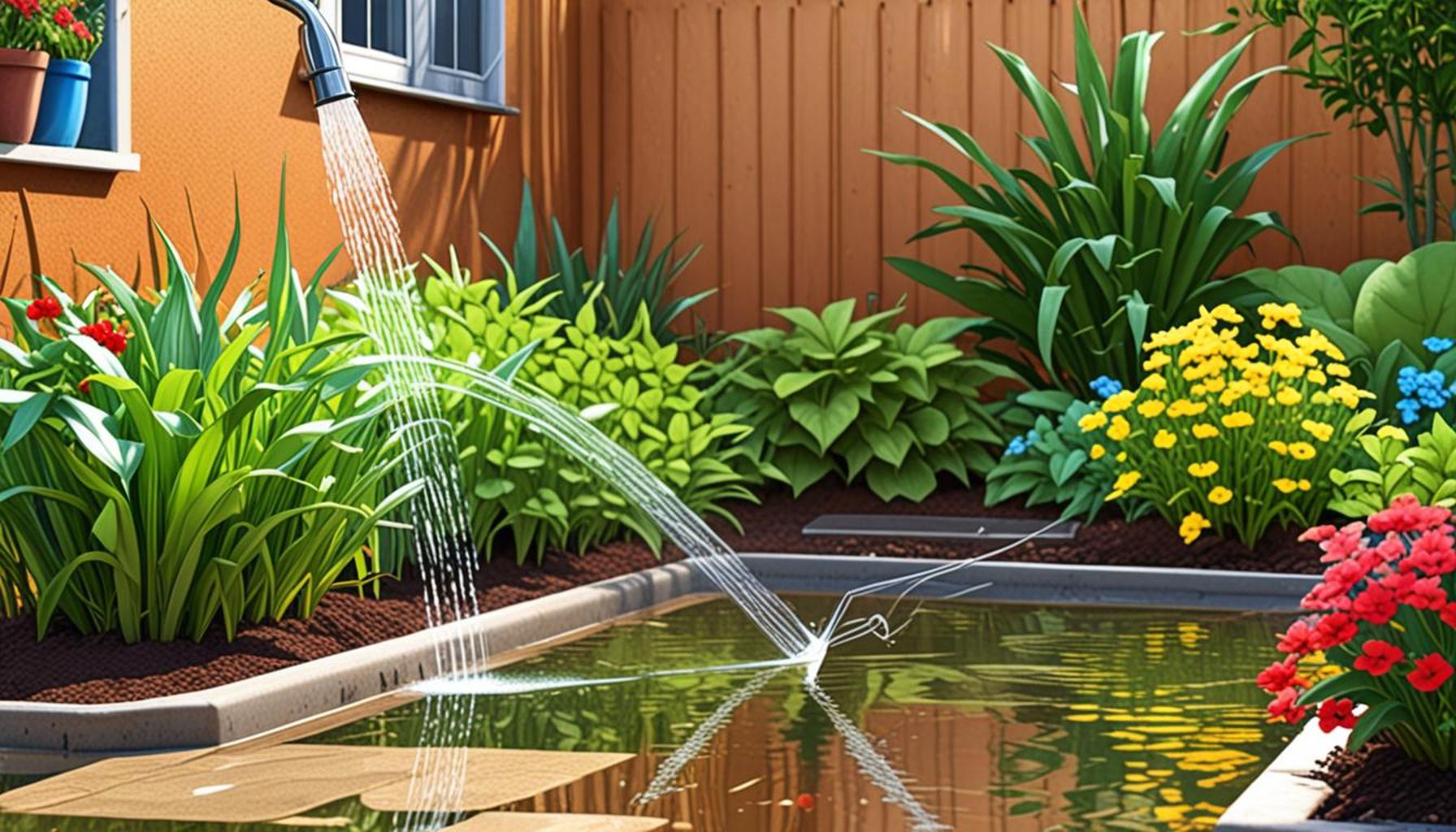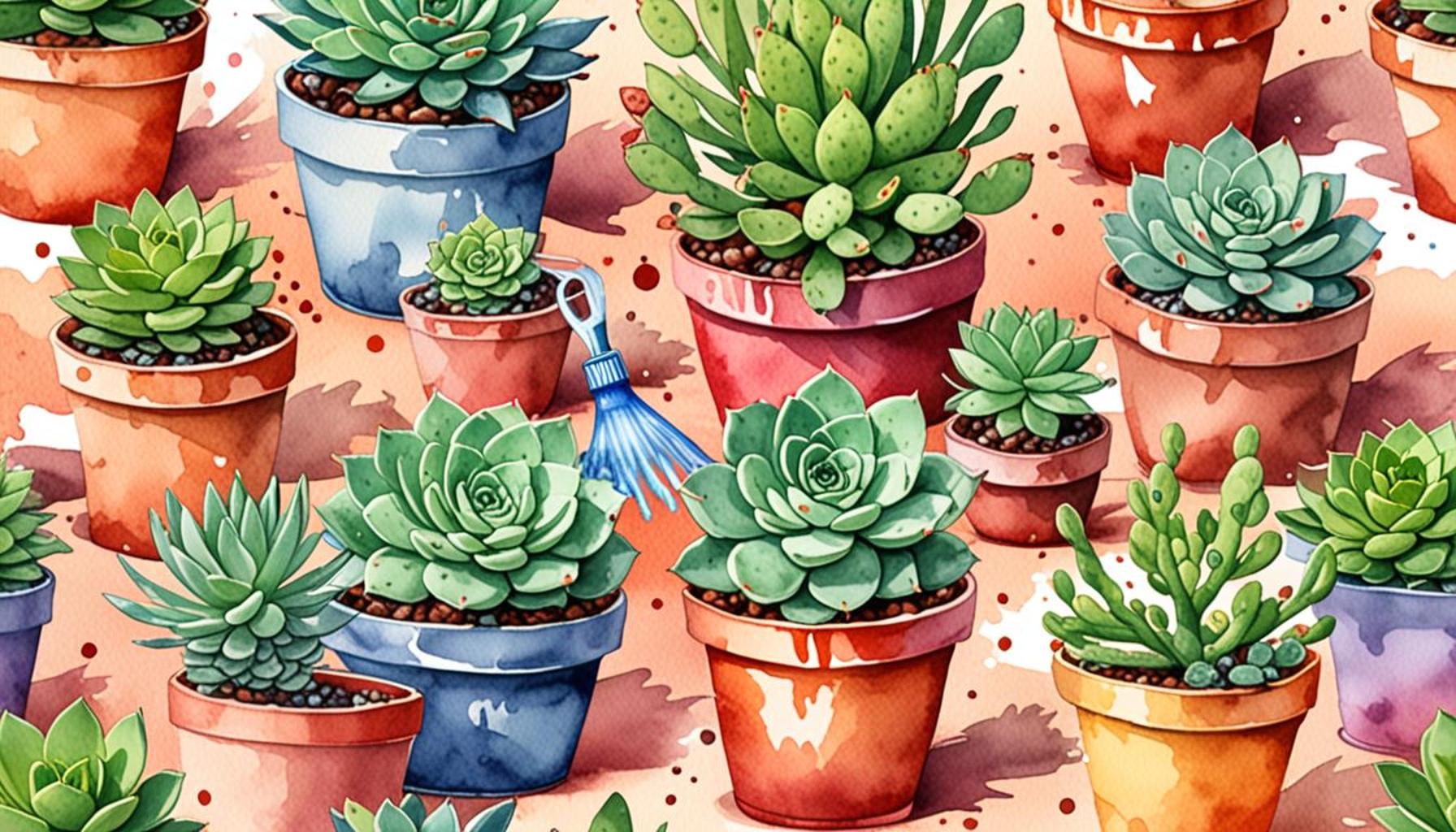
Drainage and Moisture: Irrigation Strategies for Different Soil Types
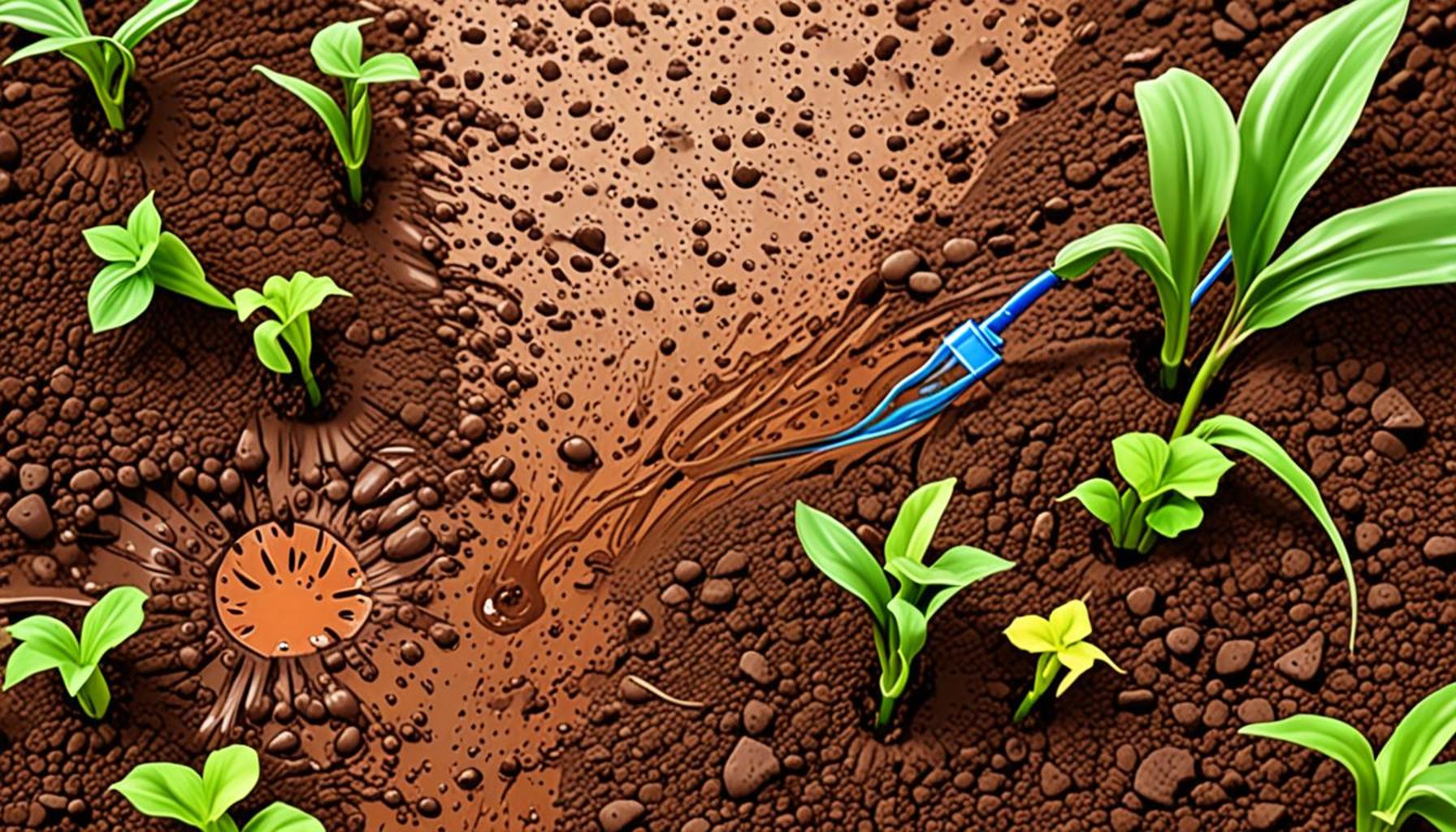
The Importance of Soil and Water Management in Agriculture
The intricate relationship between soil types and their influence on drainage and moisture retention plays a crucial role in agricultural productivity and the overall health of landscapes. In the United States, where diverse agricultural practices thrive, understanding the unique characteristics of various soil types can markedly improve outcomes for both farmers and the environment. Agricultural production hinges on effective water management practices tailored to specific soil types, ultimately leading to enhanced crop yields and sustainable land use.
Different soil characteristics such as texture, structure, and water-holding capacity dictate how well the soil interacts with moisture. Here, we explore some key soil types that farmers frequently encounter:
- Clay Soil: This type of soil, composed of tiny particles, has a high water retention capacity. However, its dense structure often leads to inadequate drainage, resulting in potential waterlogging issues. Farmers in areas with clay soils must monitor water levels closely to prevent root diseases.
- Sandy Soil: Recognized for its excellent drainage properties, sandy soil facilitates quick water movement. While this can be beneficial in preventing oversaturation, it also results in low moisture retention, necessitating more frequent irrigation, especially in hot climates.
- Silty Soil: A happy medium, silty soil balances both moisture retention and drainage. Its fine texture allows for good nutrient availability, making it suitable for many crops, particularly vegetables like carrots and lettuce that thrive in balanced conditions.
- Loamy Soil: Often hailed as the gold standard, loamy soil features a mix of sand, silt, and clay, providing optimal conditions for crop growth. It retains nutrients and moisture effectively, making it a preferred choice for diverse farming practices across the United States.
To make the most of these varied soil characteristics, farmers must implement tailored irrigation strategies. Here are some irrigation methods aligned with specific soil types:
- Drip Irrigation: This system is particularly beneficial for sandy soils, where precise water application can minimize losses through drainage. It delivers water directly to the plant’s root zone, ensuring efficient use of both water and nutrients.
- Surface Irrigation: Commonly used in fields with clay soils, this method relies on gravity to distribute water across surfaces. While effective, it requires careful management to avoid runoff, especially during heavy rainfall.
- Subsurface Irrigation: Ideal for silty soils, this practice involves placing water delivery systems below the soil surface. This method effectively reduces evaporation loss, helping maintain moisture levels even during dry periods.
By deeply understanding the interactions between drainage and moisture, farmers and gardeners can optimize their practices. Effective soil and water management not only enhances crop yields but also supports broader sustainable land management efforts. Such strategies are increasingly important as the agricultural sector faces challenges from climate change and population growth. Exploring advanced irrigation technologies, crop selection, and soil amendments can pave the way for a resilient future in agriculture across the United States.
DISCOVER MORE: Click here for shade-loving plant options
Optimizing Water Management: Tailoring Irrigation Strategies to Soil Types
Understanding the distinct drainage characteristics of various soil types is essential for farmers to enhance crop health and maximize agricultural yield. By selecting the appropriate irrigation strategies, producers can effectively manage moisture levels and create a conducive growing environment. Let’s delve deeper into the irrigation methods best suited for different soil types and their unique requirements.
Clay Soil: Managing Waterlogged Conditions
Farmers dealing with clay soil face the challenge of high water retention coupled with poor drainage. As density creates a formidable barrier to water movement, farmers must be vigilant to prevent situations where excess moisture can lead to rotting roots and diseases. Incorporating practices such as controlled drainage can help manage the water levels more effectively. Additionally, tile drainage systems can be employed to remove excess water and improve crop health. Moreover, crop rotation and the use of cover crops can enhance soil structure, thereby increasing its drainage capacity.
Sandy Soil: Keeping Moisture in Check
In contrast, sandy soils offer excellent drainage properties, allowing water to move swiftly percolating downwards. However, this can be a double-edged sword, as the soil often struggles to retain moisture. To combat this, farmers can rely on drip irrigation systems that allow water to drip directly at the root zone, minimizing evaporation and optimizing moisture use. Additionally, the use of mulching can decrease surface evaporation, offering protection against heat and aridity. Farmers are also encouraged to integrate soil amendments such as organic matter to enhance water retention capabilities, making sandy soils more productive.
Silty Soil: The Balanced Choice
Silty soil offers the best of both worlds, boasting good drainage while maintaining sufficient moisture levels. Its texture facilitates nutrient availability, crucial for supporting healthy crops. Farmers can utilize subsurface irrigation techniques, driving water delivery systems underground to sustain moisture levels without excess evaporation. Additionally, embracing precision agriculture can allow for tailored irrigation applications based on soil moisture readings, ensuring optimal moisture levels are maintained.
Loamy Soil: The Ideal Combination
Loamy soil, often considered the ideal farming medium, encompasses a blend of sand, silt, and clay, providing balanced drainage and moisture retention capabilities. With its rich nutrient content, it supports a variety of crops. Farmers can adopt a combination of surface irrigation and drip irrigation based on crop needs and climate conditions, ensuring efficient water usage. Integrating cover crops and organic amendments can enhance the soil’s structure and water-holding capacity, leading to resilient cropping systems.
Adopting the right irrigation strategy based on soil type not only promotes healthier crops but also advances sustainable agricultural practices. By refining water management techniques, farmers can significantly contribute to ecological balance while addressing the pressing challenges posed by climate change and diminishing water resources in the United States.
| Advantages | Description |
|---|---|
| Optimal Water Use | Efficient irrigation strategies help in applying the right amount of water based on specific soil types, promoting healthy crop growth. |
| Enhanced Soil Health | Implementing targeted drainage systems can significantly improve soil structure and nutrient availability, allowing for better crop yield. |
| Adaptability | Different soil types require customized irrigation plans, enabling farmers to adapt their practices to climatic variations and preferences. |
| Cost Efficiency | By optimizing moisture levels, farmers can reduce water costs and overall operational expenses, enhancing profitability. |
Understanding these advantages will empower farmers, gardeners, and landowners to make informed decisions about their irrigation practices. With this knowledge, you can delve deeper into the best strategies for managing drainage and moisture according to various soil types. Each aspect—be it optimal water use or enhanced soil health—plays a critical role in sustainable agriculture. The ability to tailor your approach to specific soil conditions will not only enhance yield but also contribute positively to environmental sustainability. Explore more to find effective ways to implement these strategies and witness exceptional growth in your agricultural practices.
DISCOVER MORE: Click here to learn about pollinator-friendly plants
Advanced Irrigation Techniques: Enhancing Efficiency Across Soil Types
The complexity of soil types necessitates the integration of advanced irrigation techniques to effectively manage moisture levels. As agricultural challenges grow more pronounced, understanding the specific needs of each soil type will enable farmers to employ more efficient and sustainable practices. Here, we explore innovative irrigation strategies that cater to different soil characteristics and climate conditions.
Compacted Soil: Breaking Barriers
Compacted soils, often found in heavily trafficked agricultural fields, can create significant challenges in both drainage and moisture retention. When soil particles are densely packed, water movement is restricted, leading to waterlogging or poor moisture absorption. To address this, farmers can employ techniques like subsoiling, which involves breaking up the densely packed layer and improving aeration and drainage. Implementing rain gardens and utilizing bio-retention basins can also promote effective water absorption and management in compacted areas.
Saline Soil: A Unique Challenge
Saline soils present their own set of difficulties, particularly in regions where irrigation can alter soil salinity levels. High salt concentration can adversely affect crop health, making it crucial for farmers to monitor soil salinity regularly. Employing leaching practices—in which excess water is applied to drive salts below the root zone—can mitigate salinity issues. In addition, using salt-tolerant crop varieties in saline-affected areas can enable better productivity without compromising soil health. Farmers are also encouraged to explore drainage strategies tailored to flush out salts effectively, thereby maintaining a balanced soil environment.
Organic Soil: Nurturing High-Quality Crops
Organic soils, characterized by a high concentration of decomposed plant material, are rich in nutrients but can also suffer from drainage issues due to their moisture-holding capacity. For optimal irrigation, farmers may benefit from alternating methods such as surface irrigation and sprinkler systems to provide adequate moisture without over-saturating the soil. The use of permaculture techniques can also be beneficial, promoting a sustainable approach that enhances soil structure and retains moisture. Integrating perennial crops helps reduce water demands over time while maintaining soil health.
The Role of Technology: Precision Agriculture and Data Analysis
As technology continues to evolve, the role of precision agriculture is vital in enhancing irrigation efficiency across diverse soil types. Employing soil moisture sensors allows farmers to monitor real-time moisture levels and adjust irrigation practices accordingly. This data-driven approach not only conserves water but also ensures that crops receive optimal moisture at different growth stages. Utilizing satellite imagery and drone technology can further assist in identifying moisture deficiencies in specific areas of a field, enabling targeted irrigation interventions.
Embracing modern irrigation methods and technologies represents a proactive step towards addressing the increasingly complex challenges faced in agriculture today. By maintaining a keen understanding of their specific soil requirements and utilizing innovative solutions, farmers can effectively enhance moisture management and promote sustainable agricultural practices throughout their regions.
DIVE DEEPER: Click here to learn more about natural fertilizers
Conclusion: Navigating the Intersection of Drainage and Irrigation
In the realm of agriculture, understanding the intricate relationship between drainage and moisture management is paramount for cultivating healthy crops across varying soil types. The adaptability of irrigation strategies to specific soil characteristics can significantly enhance water use efficiency and crop yield. Through the adoption of advanced techniques like precision agriculture, farmers can tailor their irrigation practices to meet the distinct needs of compacted, saline, and organic soils.
The challenges posed by different soil types require innovative solutions. From employing subsoiling on compacted soils to mitigate drainage issues, to implementing leaching practices for saline soils, and utilizing permaculture techniques in organic soils, each method plays a vital role in optimizing moisture retention and crop health. As we integrate technology such as soil moisture sensors and drones, farmers gain valuable insights that can lead to more informed decisions and ultimately drive sustainable practices.
As we look to the future of agriculture, a commitment to understanding the unique dynamics of various soil types alongside the strategic application of irrigation methods will be essential. The ongoing evolution in water management not only addresses immediate agricultural challenges but also paves the way for resilience in farming systems amidst changing environmental conditions. By embracing these innovative approaches, farmers can secure not just their yields but also contribute to sustainable agricultural practices that benefit both the economy and the environment.