Menu

The Role of Air Humidity in Irrigation: How to Influence Watering in Indoor Environments

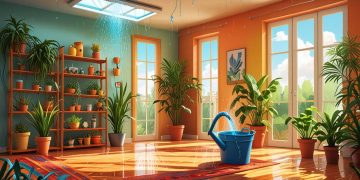
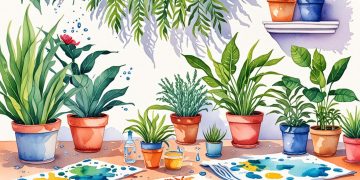
Understanding air humidity is crucial for successful indoor gardening. It directly affects irrigation practices, influencing water absorption and plant growth. By monitoring humidity levels and adjusting watering techniques accordingly, gardeners can create optimal environments, enhancing plant health and ensuring vibrant, flourishing indoor spaces.

Drip Irrigation: The Efficient Solution for Small Space Gardens

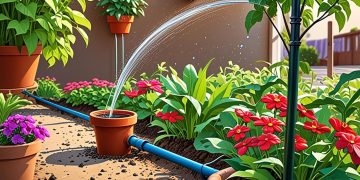
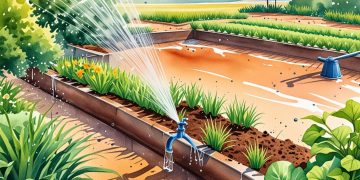
Drip irrigation revolutionizes small space gardens by delivering water directly to plant roots, enhancing efficiency, conserving water, and minimizing weed growth. This adaptable method supports healthy plant growth, reduces disease risk, and integrates easily into urban settings, making it an essential tool for sustainable gardening practices.

Wicking Irrigation: An Innovative Technique for Indoor Gardens

Indoor gardening is on the rise as enthusiasts seek efficient solutions for plant care. Wicking irrigation, leveraging capillary action, provides consistent moisture while conserving water and reducing maintenance efforts. This innovative technique is ideal for various plant species, making indoor gardening both accessible and flourishing.

The Impact of Temperature on Watering: How to Protect Your Plants on Hot Days

Learn how rising temperatures impact watering and plant care. Discover effective strategies to protect your garden on hot days, including optimal watering times, moisture retention techniques, and innovative technology. Ensure your plants thrive throughout the summer heat by understanding their unique hydration needs and implementing smart watering practices.

How to Identify When Your Plants Need Water: Signs and Symptoms for Beginners

Learn to recognize key signs and symptoms of plant hydration needs, such as wilting leaves, soil texture, and leaf color changes. By observing these indicators, beginners can master the art of watering their plants effectively, ensuring healthy growth and vibrant gardens. Understanding plant water requirements is essential for successful gardening.

How Subsurface Irrigation Can Benefit Your Home Garden

Subsurface irrigation offers an efficient and eco-friendly solution for home gardens by delivering water directly to plant roots. This method conserves water, promotes healthy plant growth, reduces weed competition, and enhances soil health. Adopting subsurface systems not only boosts garden productivity but also supports sustainable gardening practices.

Irrigation Techniques Adapted to the Climate: How to Adjust Your Irrigation in Different Seasons

Optimizing irrigation techniques is essential for adapting to seasonal climate changes. This article explores tailored strategies, such as soil moisture monitoring and smart irrigation systems, to enhance water efficiency, improve crop yields, and promote sustainability, ensuring effective agricultural practices in response to varying weather patterns.

How to Create an Efficient Watering Schedule for Indoor Plants

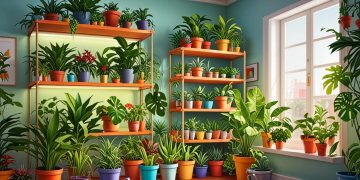
Efficient watering schedules are vital for healthy indoor plants, preventing overwatering and under-watering. Understanding individual plant needs, seasonal changes, and environmental factors enhances hydration strategies. Regular monitoring and customized routines foster lush growth, ensuring a thriving indoor garden filled with vibrant greenery.

How to Choose the Best Watering Equipment for Your Home Garden

Selecting the ideal watering equipment for your home garden enhances plant health and vitality. Assess your garden’s specific needs, including size, plant types, and climate. Explore options like hoses, drip irrigation systems, and advanced techniques like rainwater harvesting for efficient watering. Proper maintenance ensures optimal performance and sustainability.

The Importance of Crop Rotation in Seasonal Planting for Beginners

Crop rotation is crucial for beginners in seasonal planting, enhancing soil health, managing pests, and maximizing yields. By alternating crop types, gardeners can prevent nutrient depletion and disease buildup, creating a sustainable ecosystem. This practice fosters biodiversity and improves gardening success for a flourishing harvest.