Low-Maintenance Plants for Beginners: Easy Selections for a Thriving Garden
Discovering the Joy of Gardening
Starting a garden can be an exciting adventure, but for beginners, it can often feel overwhelming. It’s easy to be intimidated by the multitude of choices and the specific requirements of various plants. However, the key to success lies in selecting the right plants—those that thrive without requiring constant attention. Low-maintenance plants offer the perfect solution, enabling you to enjoy a flourishing garden with minimal effort and stress.
Why Choose Low-Maintenance Plants?
Low-maintenance plants are a gardener’s best friend for several compelling reasons that resonate deeply with both novice and seasoned gardeners alike. Here are some key advantages:
- Time-Saving: Low-maintenance plants require less frequent watering, pruning, and deadheading. Imagine spending your weekends sipping coffee on your porch rather than battling weeds or trimming hedges. For those with busy lifestyles or families, this can be a game changer.
- Cost-Effective: With fewer resources spent on tools, fertilizers, and constant plant replacements, creating your garden becomes budget-friendly. For example, a well-chosen selection of perennials can return year after year without additional costs.
- Resilient Varieties: Many low-maintenance plants are well-adapted to local climates, making them naturally resistant to pests and diseases. This resilience minimizes the need for chemical treatments and enhances the sustainability of your gardening practices.
Essential Choices for Beginners
Whether you have a sprawling yard or a compact balcony, numerous plants are suited for diverse spaces. Consider integrating these beginner-friendly options into your garden designs:
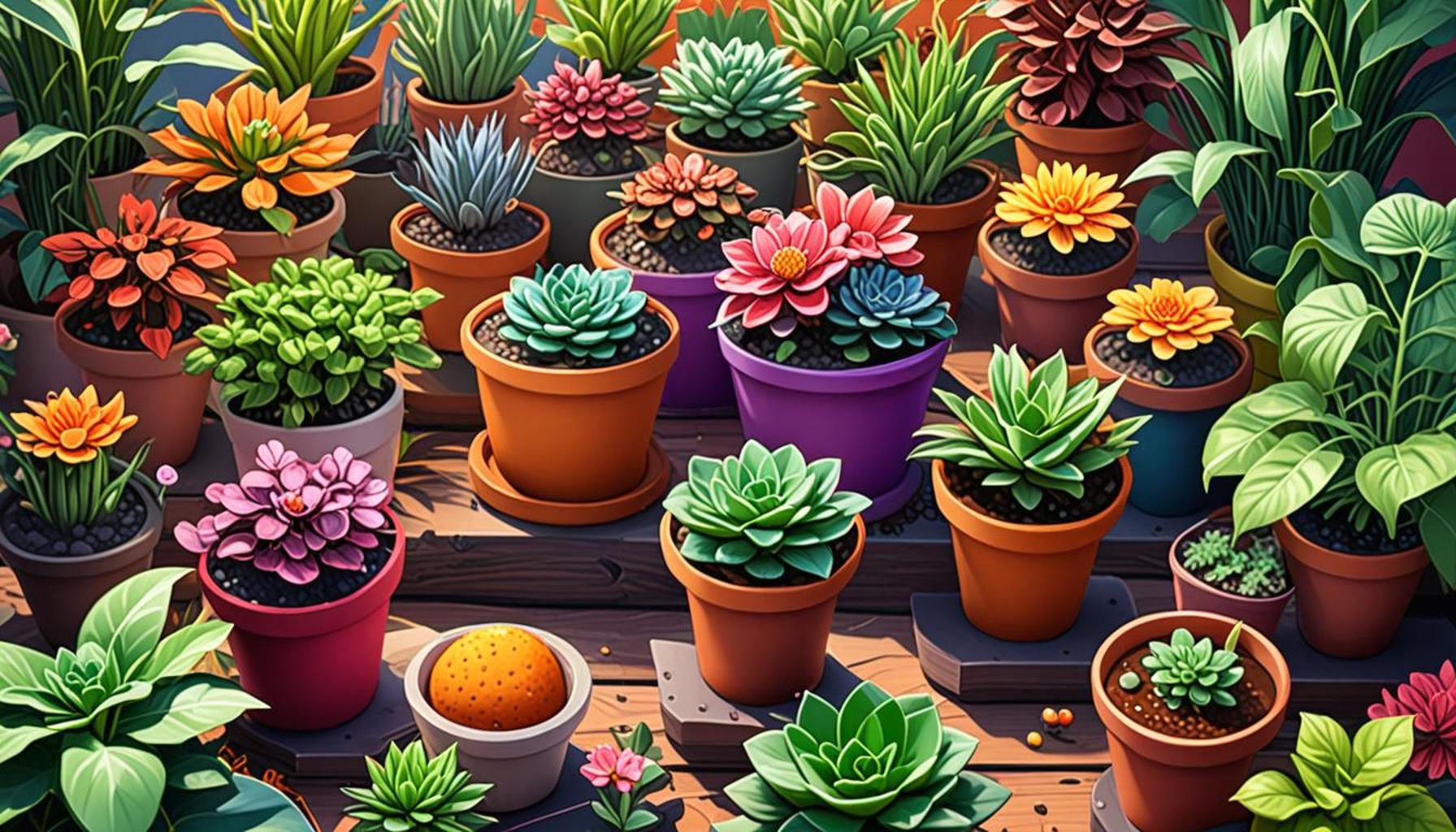
- Succulents: These hardy plants flourish in warm, sunny spaces and require infrequent watering—ideal for the forgetful gardener. Varieties like Hens and Chicks can also thrive in containers, making them versatile and decorative.
- Lavender: Not only does this fragrant herb thrive with little attention, but it also attracts pollinators such as bees and butterflies, enhancing your garden’s biodiversity. Additionally, it can be harvested for culinary uses or to make calming sachets.
- Hostas: Perfect for shady areas, these perennials exhibit lush foliage and often require minimal care. With an array of colors and shapes, Hostas can add visual interest to even the quietest corners of your garden.
By thoughtfully selecting the right low-maintenance plants, you can create a vibrant and thriving garden that provides a perfect escape from the hustle of daily life. Embrace the beauty of nature without the stress associated with intensive gardening tasks. Explore further into the world of plant choices to discover how to cultivate your ideal floral sanctuary, and experience the satisfaction of nurturing your little slice of paradise.
DISCOVER MORE: Click here to learn how to maximize rainwater in your garden
Choosing the Right Plants for Your Space
When embarking on your gardening journey, understanding the types of low-maintenance plants that suit your specific space and climate is essential. Selecting plants that not only meet your aesthetic preferences but also harmonize with your environment can set the stage for an enjoyable gardening experience. Here are some crucial factors to consider when choosing your plants:
Assessing Your Garden’s Environment
Before diving into plant selection, take some time to evaluate your garden area. Recognizing the sunlight, soil type, and moisture levels can significantly influence plant health and growth. Here’s how to assess your environment effectively:
- Sunlight Exposure: Identify the amount of sunlight your garden receives throughout the day. Most low-maintenance plants thrive in full sun (6+ hours), partial shade (3-6 hours), or full shade (less than 3 hours). Plants like Daylilies do well in full sun, while Ferns prefer shaded areas.
- Soil Quality: Determine if your soil is sandy, clay, or loamy. This will affect drainage and how well plants can access nutrients. Test your soil’s pH levels; many low-maintenance plants, like Black-Eyed Susans, are adaptable to various soil conditions.
- Moisture Levels: Observe how quickly your soil dries out after rain. Select plants that can tolerate your garden’s natural moisture levels. For instance, Sedums are drought-tolerant, making them an excellent choice for drier conditions.
Easy Plant Selections to Consider
Now that you’re equipped with knowledge about your garden environment, let’s explore some easy selections of low-maintenance plants. Incorporating these plants will not only enhance your garden’s beauty but also require the least amount of time and effort:
- Perennials: These sturdy plants return year after year, making them a smart investment for your garden. Consider Coneflowers, known for their vibrant colors and drought resistance.
- Ornamental Grasses: Grasses like Pampas Grass or Blue Fescue add texture to your garden and require minimal maintenance. They’re adaptable and can thrive in various conditions, making them ideal for novice gardeners.
- Marigolds: Bright and cheerful, marigolds are annuals that bloom abundantly. They deter pests naturally while bringing a splash of color to your garden, and they demand little more than occasional watering.
By carefully matching your plant choices to your garden’s unique conditions, you can lay a solid foundation for a thriving oasis with significantly reduced upkeep. Don’t shy away from researching the specific varieties that resonate with your vision. Embrace the opportunity to cultivate your space, and soon you’ll discover that gardening can bring immense joy and satisfaction, even as a beginner.
Choosing the Right Low-Maintenance Plants
When starting your gardening journey, it’s essential to select plants that not only suit your environment but also require minimal upkeep. Low-maintenance plants are perfect for beginners, allowing them to cultivate a beautiful garden without the stress associated with more demanding varieties. Here, we introduce some top contenders that promise a thriving garden with minimal effort.
Succulents
Succulents are incredibly resilient and come in a variety of captivating shapes and colors. Their ability to store water means they thrive in dry conditions, making them perfect for beginners who might forget to water their plants regularly. Additionally, these plants can be easily propagated, allowing you to expand your collection with ease.
Lavender
This aromatic herb not only lends a lovely fragrance to your garden but is also drought-resistant. Lavender thrives in well-drained soil and full sun, requiring minimal watering once established. Its beautiful purple blooms attract pollinators, further enhancing your garden’s ecosystem.
Lady’s Mantle (Alchemilla mollis)
With its stunning foliage and delicate yellow-green flower clusters, Lady’s Mantle is ideal for beginners. It adapts well to various soil conditions and retains moisture, reducing the need for frequent watering. This hardy plant can flourish in partial shade, making it versatile for different garden spots.
Snake Plant (Sansevieria)
One of the hardiest indoor plants, the Snake Plant can thrive in low light and requires infrequent watering. Known for its air-purifying capabilities, this plant makes a great addition to any indoor garden. The Snake Plant’s striking upright leaves add an architectural element to your space.
Ornamental Grasses
Ornamental grasses, such as Blue Fescue or Fountain Grass, provide texture and movement in the garden. They require little maintenance, tolerate drought, and come in various heights and colors. Their seasonal changes offer visual interest throughout the year, captivating any onlooker.
Creating an Optimal Environment
Before planting, consider your garden’s specific conditions. Analyze factors such as sunlight, soil type, and climate to choose plants that thrive in your unique setup. By understanding your garden’s environment, you’ll maximize the potential for success with your low-maintenance selections. To assist you further, we’ve created a helpful table that outlines the various categories of low-maintenance plants along with their respective benefits. Take a look at the following information to find the best options for your gardening needs.
| Category | Advantages |
|---|---|
| Succulents | Resilient and drought-tolerant, perfect for forgetful waterers. |
| Lavender | Fragrant and drought-resistant, attracts pollinators. |
| Lady’s Mantle | Low-maintenance and thrives in various soil conditions. |
| Snake Plant | Hardy indoor plant that requires infrequent watering. |
| Ornamental Grasses | Adds texture, drought-tolerant, and visually appealing. |
These selections not only simplify the gardening process but also culminate in a lush, inviting space. As you venture into your gardening journey, exploring these low-maintenance options can lead to a flourishing, stress-free experience. Dive deeper into each plant’s unique characteristics and discover how they can transform your outdoor sanctuary.
DISCOVER MORE: Click here for beginner-friendly succulent options
Creating a Harmony in Plant Combinations
Once you have identified suitable low-maintenance plants for your space, the next thrilling step is to create harmonious combinations that bring your garden to life. Understanding how different plant species can complement one another not only enhances visual appeal but also encourages growth and health across your garden. Here are some essential considerations for pairing your plants:
Understanding Plant Companionship
Some plants thrive better together due to their compatibility in terms of nutrients, growth habits, and pest resistance. By integrating plants that bolster one another, you can create a flourishing ecosystem right in your backyard. Here are a few suggestions:
- Complementary Height: Pair taller plants, such as Sunflowers, with shorter flowering species like Coreopsis. This design promotes visibility while ensuring that shorter plants receive ample sunlight.
- Color Coordination: Choose plants that bloom in a spectrum of colors to create a vibrant look. For instance, combining Lavender with Salvia can add a beautiful wash of purples and blues, while attracting pollinators.
- Seasonal Interest: Select plants that bloom in different seasons to ensure year-round beauty. For example, starting your garden in spring with Peonies and transitioning into summer with Rudbeckia ensures that there’s always something in bloom.
Native Plants: A Beginner’s Best Friend
Exploring native plants can significantly simplify your gardening journey. Native species are adapted to your local climate and soil conditions, requiring less water and fertilizer compared to non-native varieties. Additionally, they attract local wildlife, providing a natural balance to your garden. Consider these notable native plants:
- Black-Eyed Susans: These cheerful yellow flowers bloom in the late summer and are drought-tolerant, making them an easy choice.
- Butterfly Bush: This perennial shrub not only offers stunning purple blooms but is also irresistible to butterflies, enhancing the biodiversity of your garden.
- Prairie Dropseed: An ornamental grass native to North America that offers lovely texture with minimal maintenance, ideal for beginner landscapes.
Incorporating Edible Options
For those looking to add a productive twist to their low-maintenance gardens, consider edible plants that require little effort. Many herbs and vegetables thrive happily with basic care. Here are some great options:
- Herbs like Rosemary and Thyme: Hardy and drought-resistant, these herbs can be grown in pots or directly in the ground, offering fragrance and flavor to your dishes.
- Cherry Tomatoes: Compact and yielding fruit, cherry tomatoes are perfect for beginners, ideally suited for sunny spots and producing bountifully with minimal care.
- Radishes: Fast-growing and low-maintenance, radishes are a fantastic vegetable for beginners—ready to harvest in just a few weeks!
By thoughtfully selecting combinations of plants that flourish together, integrating native options that thrive in your environment, and adding easy-care edibles, you can create a stunning and productive space that requires minimal upkeep. A little planning can lead to a thriving garden that’s not only visually appealing but also immensely satisfying for novices and seasoned gardeners alike.
DISCOVER MORE: Click here to learn how organic mulches can enhance your garden
Conclusion
In the realm of gardening, beginner-friendly doesn’t have to mean boring. By embracing low-maintenance plants, new gardeners can cultivate a vibrant and thriving space without overwhelming demands. The key to success lies in understanding the unique characteristics of your plants and their specific needs, as well as the environmental conditions of your garden. For instance, opting for native plants can not only reduce the amount of water and care required but also support local wildlife and pollinators, creating a harmonious ecosystem in your backyard.
Consider plants like coneflowers or black-eyed Susans, which are not only visually appealing but also incredibly resilient. These perennials thrive in various soil types and bloom throughout the summer, offering a splash of color without demanding excessive attention. Alternatively, if you’re looking to reap edible rewards, compact fruit plants like strawberries or herbs such as basil or rosemary can flourish with minimal effort, providing delicious additions to your kitchen.
The art of gardening is fundamentally about achieving balance and beauty through thoughtful combinations and meticulous planning. Utilizing the principles of plant companionship can enhance your garden’s aesthetics and health. For example, planting marigolds alongside your vegetables can serve as a natural pest deterrent, protecting your crops while introducing cheerful bursts of orange and yellow. Moreover, incorporating native plants simplifies care while promoting biodiversity in your garden.
For those just beginning their green journey, remember that gardening should be an engaging and fulfilling experience. With a wealth of resources available online and at local gardening centers, you can access expert advice and tips tailored to your specific region in the United States. Do not hesitate to engage with community gardening groups or local extension services for support and inspiration. Dive into this adventure, and you’ll discover that maintaining your own lush retreat can be both manageable and immensely satisfying. Start designing your low-maintenance garden today—your thriving oasis awaits, bursting with life and color!

Linda Carter
Linda Carter is a gardening writer and home-growing specialist who helps beginners cultivate thriving home gardens. With extensive experience guiding new gardeners through plant selection and sustainable growing techniques, she shares practical gardening strategies on our platform. Her goal is to empower readers with actionable advice and step-by-step strategies to successfully grow their own food and create beautiful, productive gardens at home.