Natural Pest Control Methods for Beginners in Home Gardening
The Importance of Natural Pest Control in Gardening
Home gardening offers a unique opportunity to engage with nature and cultivate fresh produce right in your backyard. However, it also comes with challenges, chief among them being pests that can threaten your plants and diminish your hard-earned harvest. Thankfully, there are numerous natural pest control methods that not only protect your garden but also respect the environment. These eco-friendly strategies are particularly advantageous for novice gardeners, providing simple solutions that yield impressive results.
Embracing Beneficial Insects
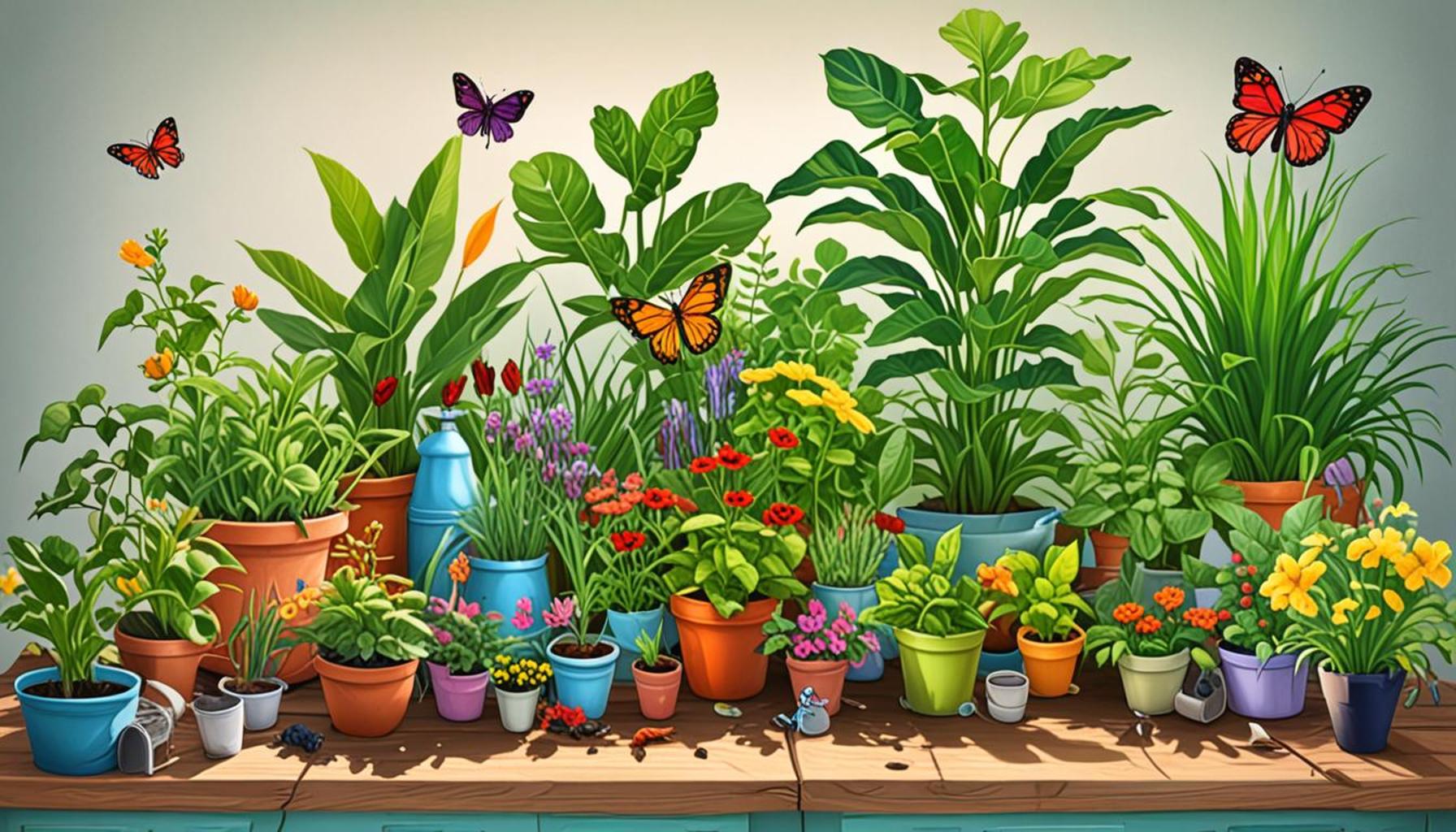
One of the most effective natural pest control methods involves attracting beneficial insects to your garden. For example, ladybugs are renowned for their appetite for aphids, tiny insects that can cause significant damage by sucking sap from plants. A single ladybug can consume over 5,000 aphids in its lifetime, making them invaluable allies. Similarly, lacewings enjoy a diet of aphids and other pests, lending further protection to your crops. To attract these helpful creatures, consider planting flowers such as marigolds or daisies, which are known to serve as natural lures.
DIY Homemade Sprays
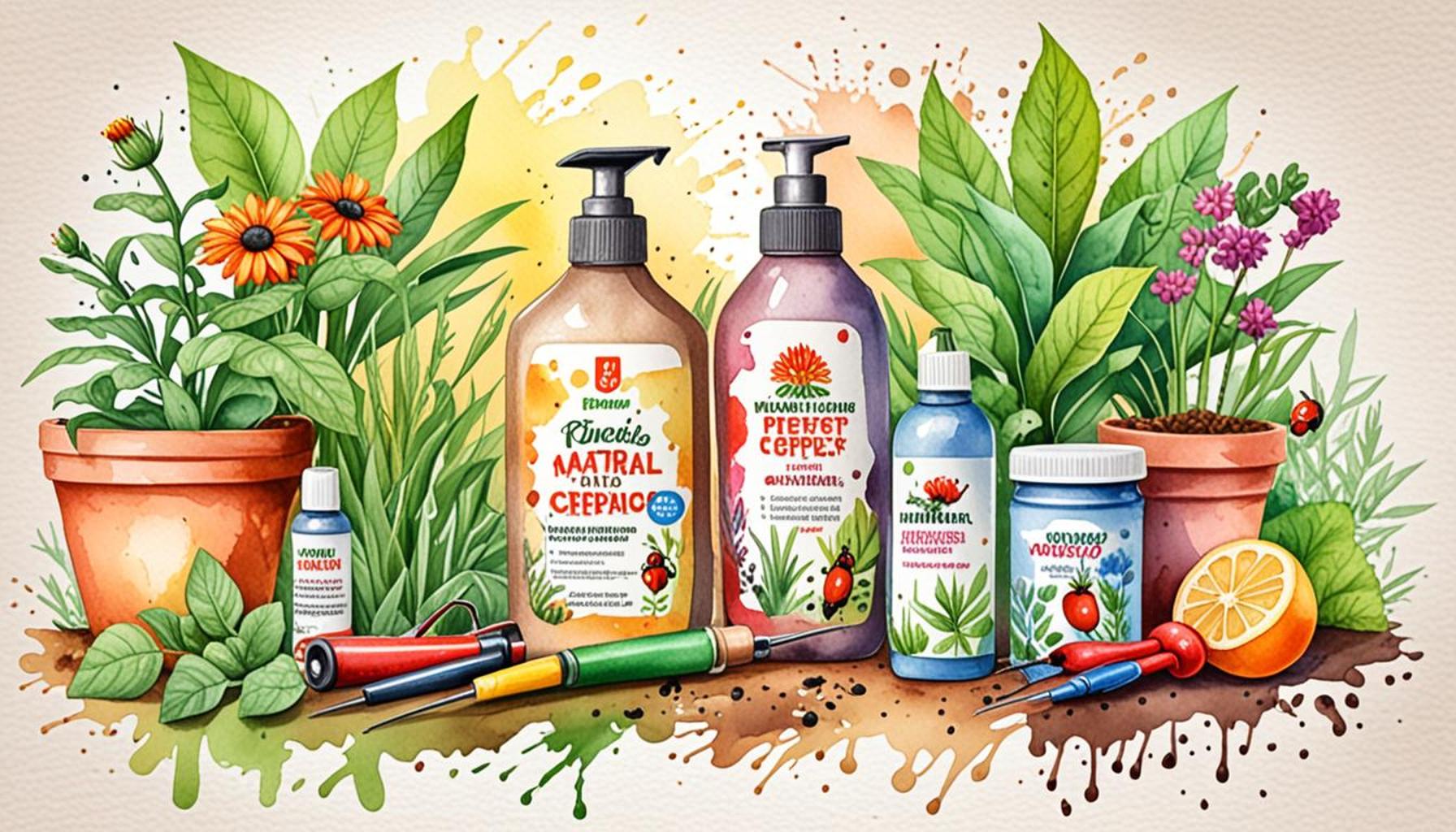
Another cost-effective and safe strategy involves creating homemade pest deterrents. Blending garlic, liquid soap, and hot pepper into a spray can repel a variety of unwanted visitors. The strong scent of garlic acts as a natural repellent, while the capsaicin in hot peppers irritates pests, discouraging them from invading your garden. Simply mix a few cloves of crushed garlic and a tablespoon of hot pepper flakes with water, let it steep for a day, and strain it before using it in your garden.
The Benefits of Companion Planting
Companion planting is a fascinating technique that involves placing certain plants next to one another for mutual benefit. Certain flowers, like nasturtiums, naturally repel aphids and can be interplanted with vulnerable crops such as cabbage or tomatoes. Additionally, planting marigolds alongside your vegetables can deter nematodes and other pests. This strategy not only keeps your plants safe but also enhances biodiversity, contributing to a balanced ecosystem.
Conclusion: A Harmonious Gardening Experience
Integrating natural pest control strategies into your gardening practices provides numerous advantages. Not only do these techniques safeguard your plants from pests, but they also foster a thriving environment where beneficial insects and plants can coexist. Many gardeners report that these methods not only improve the health of their gardens but also deepen their connection to nature.
As you delve into your gardening journey, take the time to explore these natural approaches. Each method comes with unique benefits that can lead to a thriving, healthy garden. Embrace the wonders of nature, and you may find that the solutions to pest management are often right in your backyard! With a bit of effort and creativity, you can create a flourishing sanctuary that benefits both you and the environment.
DIVE DEEPER: Click here for essential watering tips
Exploring Natural Pest Control Techniques
As a beginner in home gardening, understanding natural pest control methods can significantly enhance your gardening experience while contributing to a healthier environment. These techniques not only offer a sustainable way to manage pests but also provide a more rewarding relationship with your plants. Below are some effective strategies that are easy to implement and can help you cultivate a flourishing garden without the use of harmful chemicals.
Soap and Water Solutions
Utilizing a simple soap and water solution can be an effective first-line defense against many garden pests. A mixture of mild liquid soap (not detergent) and water can work wonders in combating soft-bodied insects like aphids, spider mites, and whiteflies. To create this solution:
- Mix 1-2 tablespoons of liquid soap into a quart of water.
- Transfer the solution to a spray bottle for easy application.
- Gently spray affected plants, ensuring to coat the undersides of leaves, where pests often hide.
This method is particularly appealing to beginners because it is not only cost-effective but also demonstrates the principles of organic gardening without the use of synthetic pesticides.
Neem Oil: A Powerful Ally
Neem oil is another excellent natural pesticide that can be beneficial for home gardeners. Derived from the seeds of the neem tree, this oil has been used for centuries in different cultures for its pest-repelling properties. It works by disrupting the life cycle of pests, making it particularly effective against insects like aphids, mealybugs, and thrips. To use neem oil:
- Mix 1-2 teaspoons of neem oil with a quart of water.
- Add a few drops of natural dish soap to help the oil emulsify.
- Spray on infested plants every 7-14 days until the pest population is under control.
Besides its ability to control pests, neem oil is safe for beneficial insects once it dries, making it a sustainable choice for your garden.
Maintaining Garden Hygiene
Another fundamental yet often overlooked aspect of natural pest control is maintaining good garden hygiene. Regularly cleaning up debris, dead plants, and fallen fruit not only makes your garden look neater but also deprives pests of their breeding grounds. Here are some tips for effective garden hygiene:
- Remove any rotting fruits or vegetables promptly.
- Keep pathways clear of weeds and debris that can harbor pests.
- Rotate crops annually to disrupt pest life cycles.
By implementing these routine practices, you can significantly reduce the likelihood of pest infestations and create an environment conducive to healthy plant growth.
Conclusion: Building a Strong Foundation
By familiarizing yourself with these natural pest control methods, you set a foundation for a successful and sustainable home gardening journey. Incorporating these techniques not only enriches your gardening experience but also nurtures the soil, plants, and ecosystem around you. Each method encourages interaction with your garden on a deeper level, paving the way for learning and growth. As your gardening knowledge expands, you’ll discover even more ways to cultivate a pest-free paradise.
| Advantage | Description |
|---|---|
| Eco-Friendly Approach | Utilizing natural pest control methods reduces chemical usage, benefiting the environment and reducing pesticide residues in your garden produce. |
| Cost-Effective Solutions | Implementing homemade remedies such as soap sprays or neem oil can significantly lower costs associated with purchasing commercial pest control products. |
Natural pest control methods empower beginners in home gardening to cultivate a thriving ecosystem. For instance, integrating companion planting can enhance plant health and attract beneficial insects. Knowledge of pest behavior enables gardeners to implement strategies that do not harm pollinators. Furthermore, employing natural barriers such as row covers can provide protection without chemicals. It is essential to understand that patience is crucial in natural pest control; it may take time to observe significant results. Leveraging resources such as local gardening clubs or online forums can also provide valuable insights into effective natural pest control practices. Furthermore, keeping a pest journal can help monitor pest populations and evaluate the success of chosen methods over time. Beginners can gain confidence and knowledge, leading to a more sustainable gardening experience.
DISCOVER MORE: Click here for seasonal pest management tips
Integrating Companion Planting into Your Garden
Companion planting is a timeless strategy that can enhance your natural pest control efforts while boosting plant health. This method involves pairing specific plants together that benefit one another, either by repelling pests, attracting beneficial insects, or improving nutrient availability. For beginners, understanding the basics of companion planting can transform your garden into a thriving ecosystem. Here are some ideal combinations:
- Basil and Tomatoes: Planting basil near tomato plants not only enhances the flavor of the tomatoes but also deters pests like aphids and hornworms.
- Marigolds and Vegetables: Marigolds are known for their ability to repel nematodes and certain beetles. Plant them alongside your vegetable crops for extra protection.
- Beans and Corn: Beans fix nitrogen in the soil, which can benefit corn. Moreover, the beans grow up the stalks of the corn, utilizing space effectively and creating a natural trellis.
By incorporating companion planting into your home gardening practices, you not only create a more diverse and balanced ecosystem but also reduce your reliance on chemical pesticides.
Creating Physical Barriers
Physical barriers can serve as a straightforward yet compelling method of natural pest control. These barriers prevent pests from accessing your plants while allowing light and moisture to reach them. There are several options available, and each can be tailored to fit your garden’s needs:
- Row Covers: Lightweight fabric row covers can effectively shield young plants from pests like cabbage worms and flea beetles. They also protect seedlings from frost.
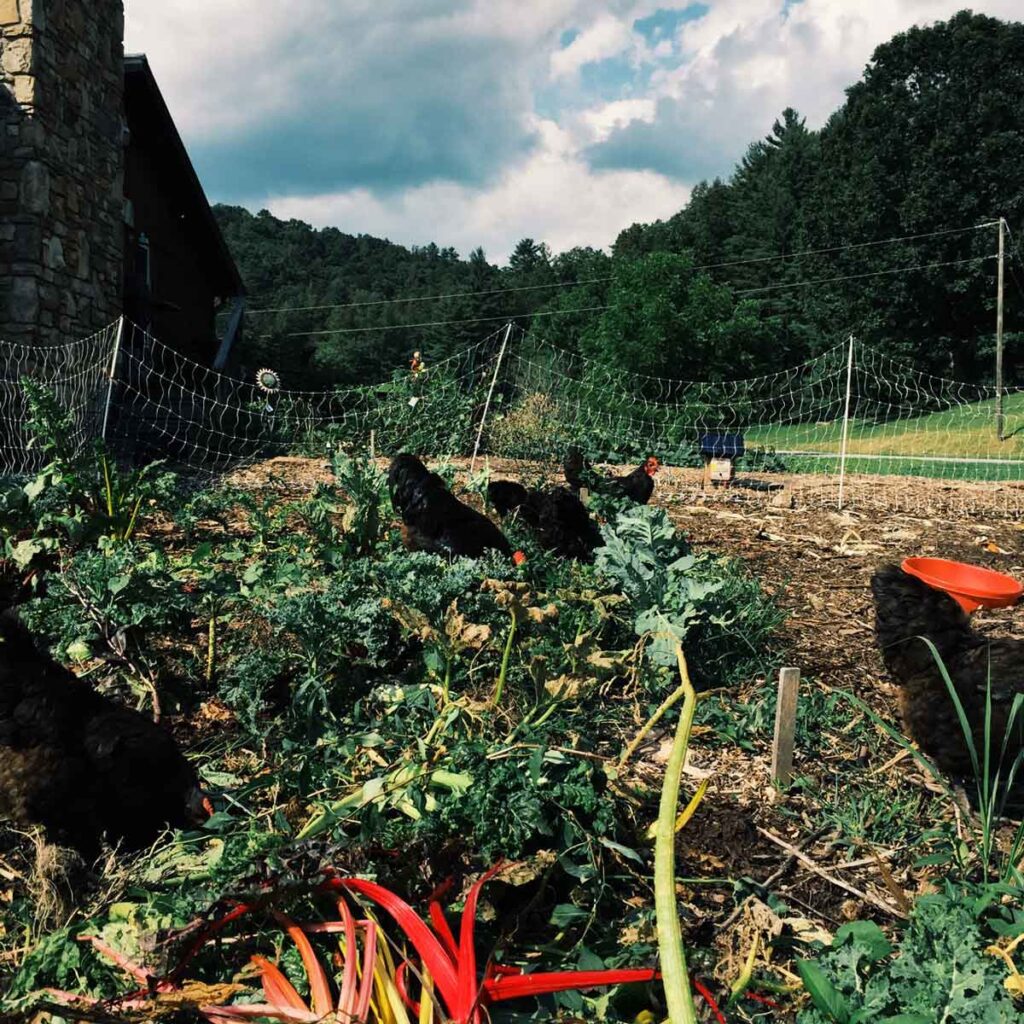
- Companion Fencing: Erect fences or nets to deter larger animals like rabbits or deer from munching on your prized vegetables. This is particularly useful in suburban areas where wildlife may straddle your garden.
- Sticky Traps: These traps catch flying pests such as whiteflies and fungus gnats. Place them near plants that are prone to infestation for maximum effect.
By taking these preventative measures, you can proactively address potential pest issues before they escalate.
Attracting Beneficial Insects
Encouraging beneficial insects in your garden can greatly improve your pest control efforts naturally. Ladybugs, lacewings, and predatory wasps are effective at reducing pest populations by preying on harmful insects. Here’s how you can attract these beneficial allies:
- Plant Diversity: Incorporating a mix of flowering plants, herbs, and vegetables will create a diverse habitat that attracts beneficial insects. Flowers like dill, fennel, and yarrow are particularly effective.
- Provide Water Sources: A small dish filled with water and stones can offer a hydration station for beneficial insects and other wildlife that can help control pests.
- Avoid Pesticides: Refraining from chemical pesticides allows these beneficial insects to thrive, as they are often killed by conventional sprays.
By fostering a welcoming environment for beneficial insects, you create an ecosystem where natural pest control can flourish, making your home garden not only productive but also sustainable.
DISCOVER MORE: Click here to enhance your soil knowledge
Conclusion: Embracing Natural Pest Control in Your Home Garden
Utilizing natural pest control methods in home gardening not only promotes plant health but also supports a balanced ecosystem within your garden. By incorporating strategies such as companion planting, creating physical barriers, and attracting beneficial insects, beginners can effectively manage pests without the harmful effects of chemical pesticides. These techniques not only help safeguard your crops but also enhance the biodiversity and sustainability of your gardening environment.
As you venture into the realm of natural pest control, remember that gardening is a learning process. Embrace trial and error, and observe how your plants and their companion species interact. By fostering a diverse planting scheme, providing safe havens for beneficial insects, and employing physical deterrents, your garden will not only flourish but will become a sanctuary for nature as well. Moreover, the knowledge gained through these methods can inspire further exploration into more advanced organic gardening practices.
In conclusion, the journey of a gardener is enriched by attentive observation and thoughtful application of these natural pest control methods. As you grow your home garden, you will witness the profound impact of these practices; a thriving garden not only produces tasty harvests but also contributes to a healthier planet. So dig in, sow your seeds of knowledge, and cultivate a space that nurtures both you and the environment.

Linda Carter
Linda Carter is a gardening writer and home-growing specialist who helps beginners cultivate thriving home gardens. With extensive experience guiding new gardeners through plant selection and sustainable growing techniques, she shares practical gardening strategies on our platform. Her goal is to empower readers with actionable advice and step-by-step strategies to successfully grow their own food and create beautiful, productive gardens at home.