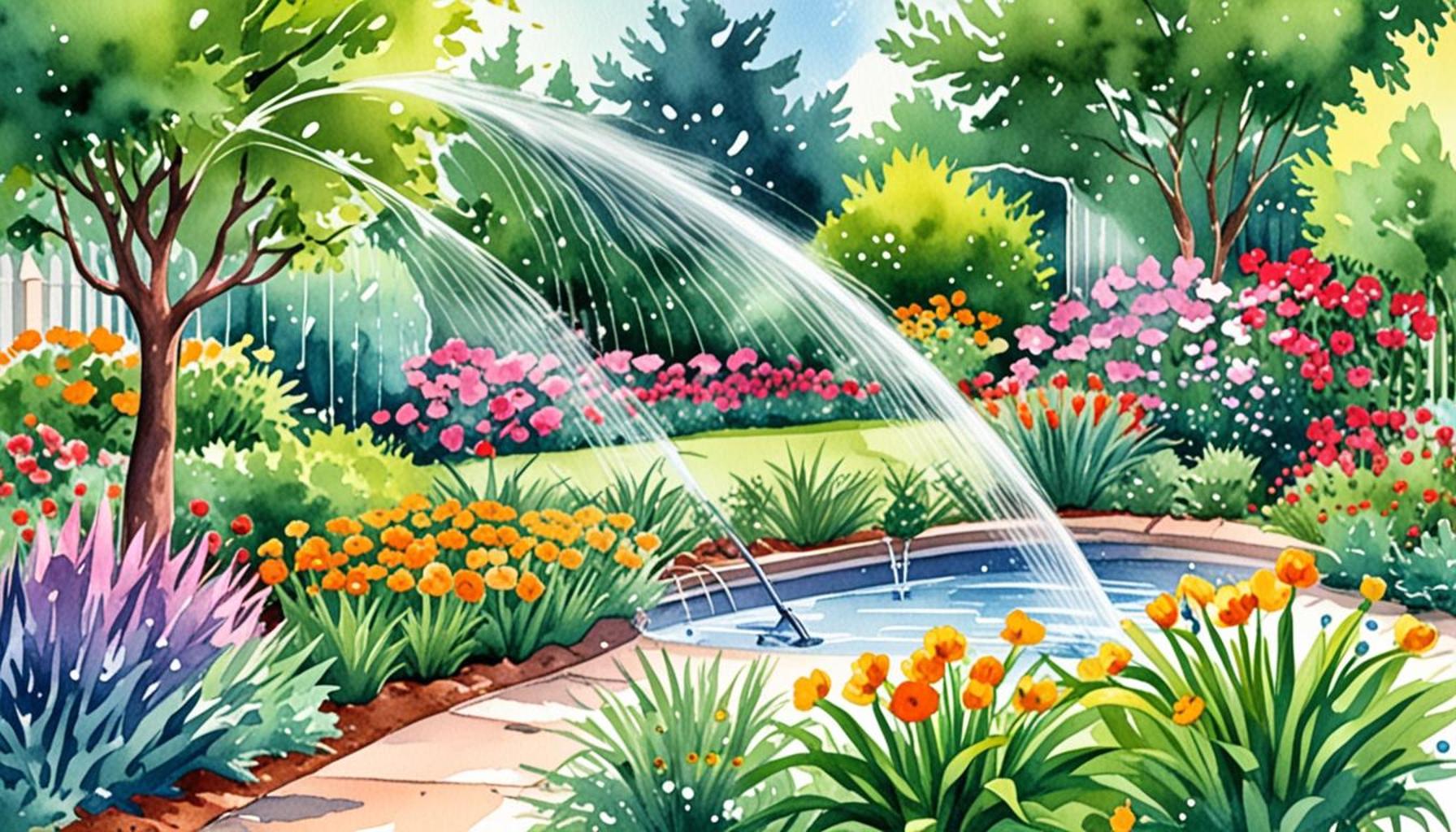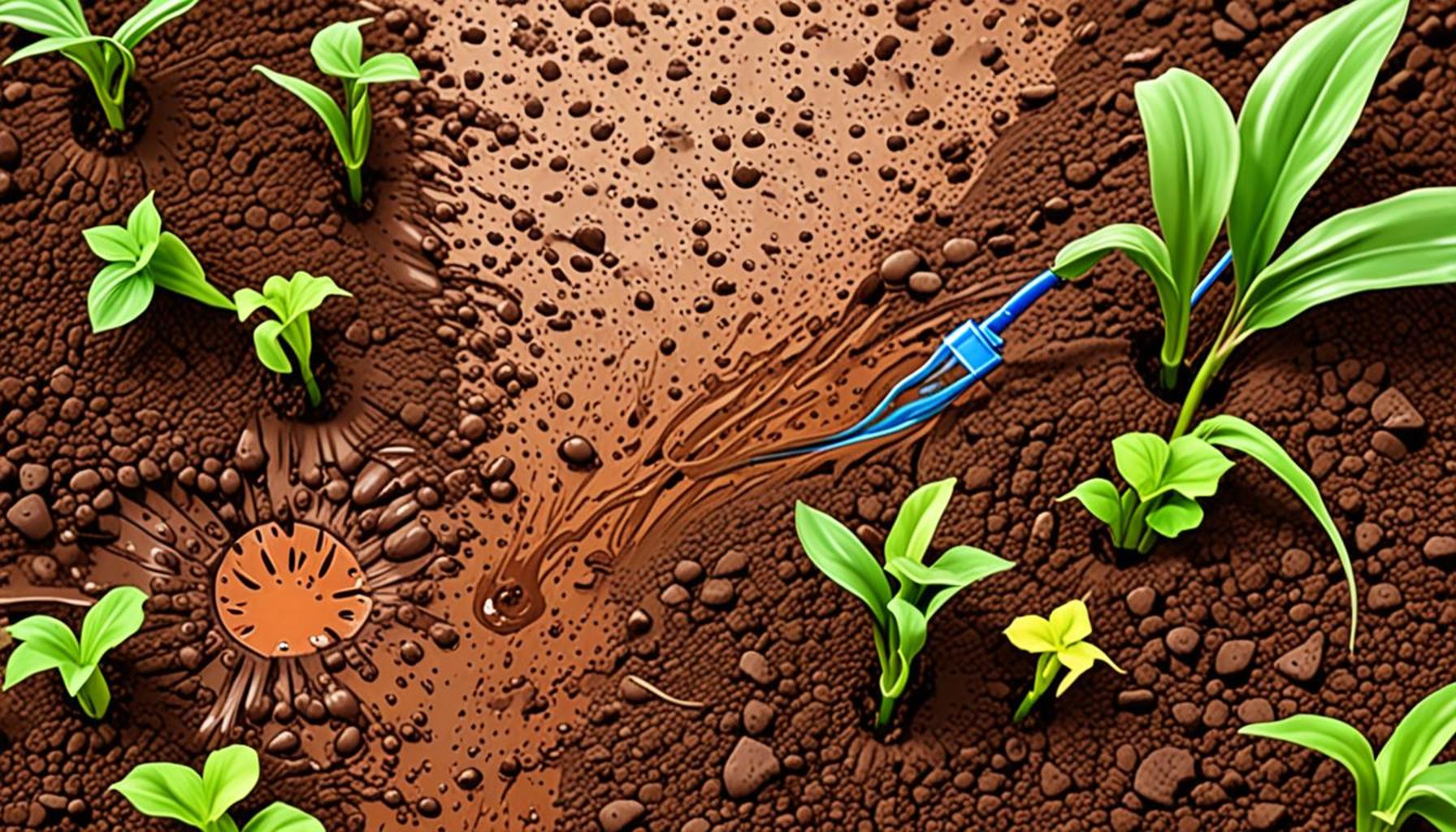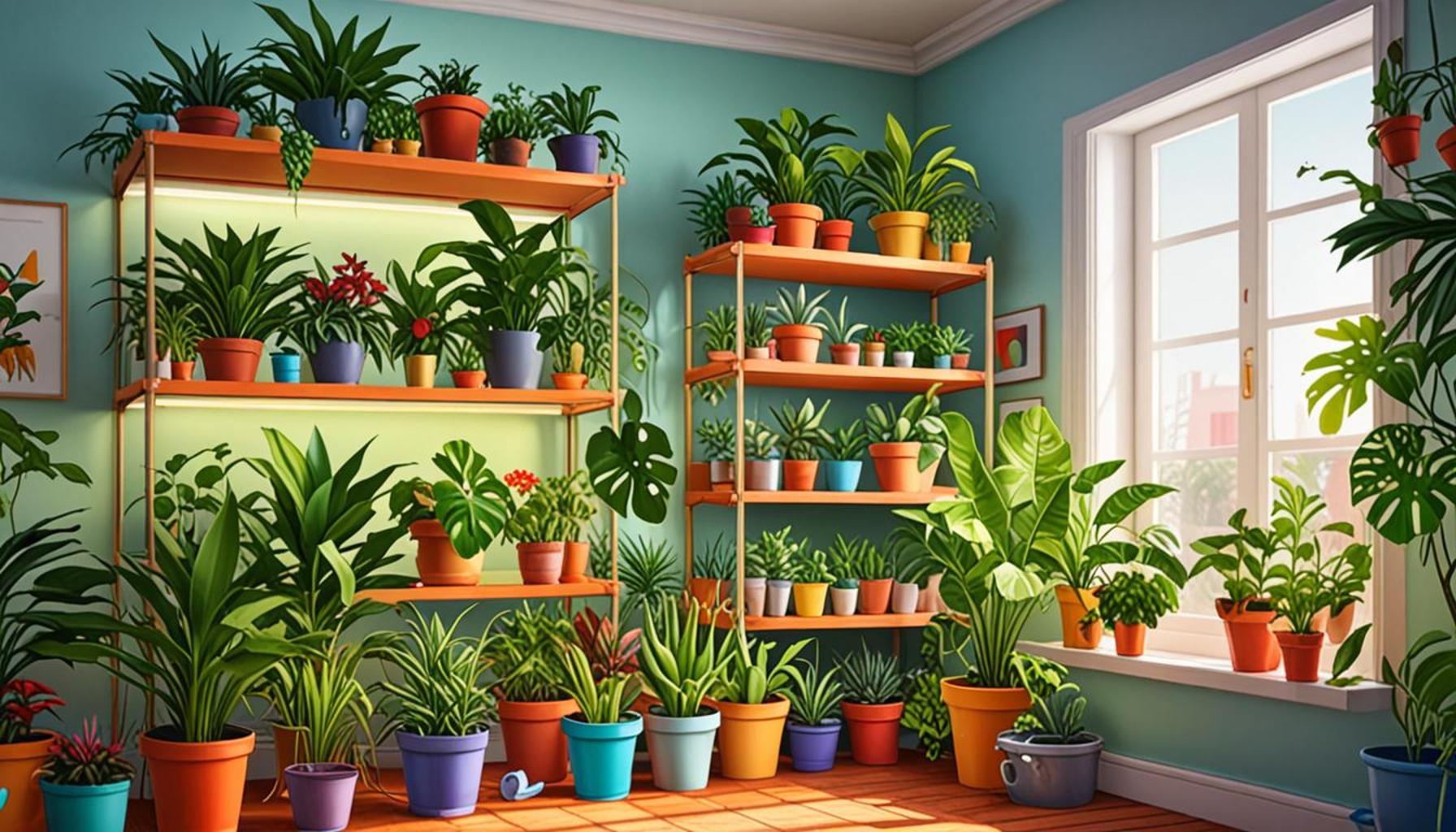
Irrigation Techniques with Distilled Water: Advantages for Sensitive Plants
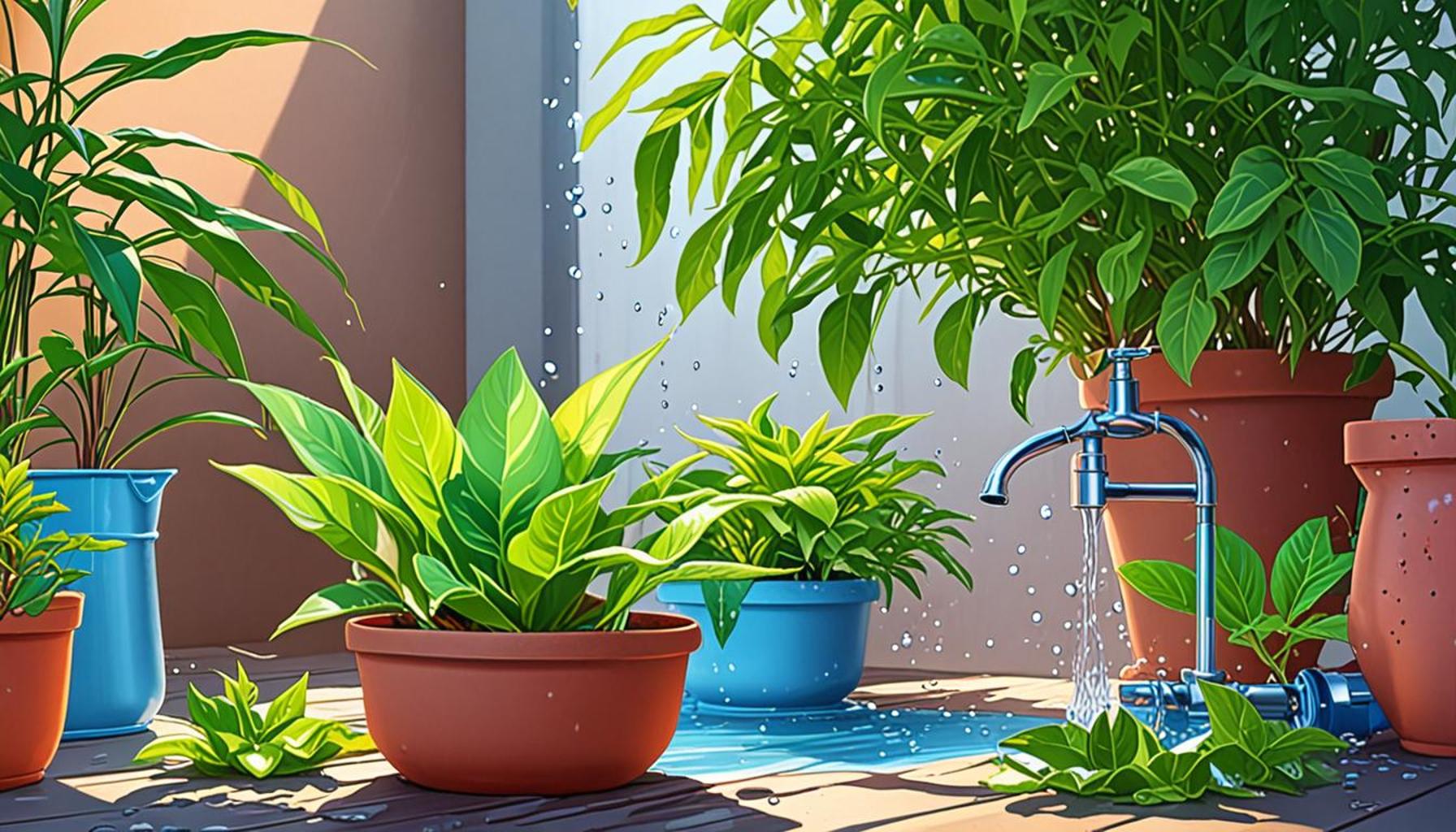
Understanding Distilled Water in Irrigation
Water quality plays a significant role in plant health, especially for sensitive plants that require precise environmental conditions. Using distilled water in irrigation can offer remarkable benefits, ensuring that plants receive the purest form of hydration.
Why Choose Distilled Water?
Many gardeners and horticulturists are turning to distilled water for several compelling reasons:
- Purity: Distilled water undergoes a rigorous process of purification, removing dissolved salts, minerals, and chemicals commonly found in tap water. This purity is crucial for plants that may be sensitive to these elements, particularly when looking to cultivate varieties such as orchids, carnivorous plants, or specialized seedlings that thrive in a barren soil environment.
- pH Balance: Maintaining a stable pH level in the soil is essential for optimal nutrient absorption. Distilled water generally has a neutral pH of around 7, which can help prevent fluctuations that might lead to nutrient lockout in the soil. Such stability is beneficial when growing hydroponic systems or when nurturing plants like blueberries and azaleas that demand specific acidity levels.
- Reduced Risk of Disease: The absence of pathogens minimizes the chances of soil-borne illnesses, which can devastate crops. For instance, using distilled water may help prevent fungal infections that can arise from using water laced with contaminants, thus safeguarding sensitive species.
This method not only caters to the needs of delicate plants but also enhances the overall effectiveness of irrigation techniques. Moreover, distilled water supports environments with minimal pollutants, allowing sensitive species to thrive in conditions they are best suited for. For example, indoor plants, which often face stress from air conditioning and artificial lighting, can show remarkable vitality when watered with distilled water.
Potential Applications and Considerations
While the benefits are significant, it’s essential to weigh practical considerations:
- Cost Implications: The price of purchasing distilled water can add up, especially for large-scale gardening. Gardeners might consider producing their own distilled water at home using a distillation unit to mitigate costs.
- Availability and Accessibility: For large-scale gardening, the convenience of obtaining distilled water can be a challenge. It’s vital to assess local suppliers or consider alternatives like rainwater collection, which can be an economical and eco-friendly solution.
- Alternative Options: Systems for filtering tap water, such as reverse osmosis, can yield similarly pure water, but may still fall short in terms of pH neutrality compared to distilled water. Exploring these alternatives could provide viable paths for those looking to maintain quality without the commitment of distilled water.
Understanding the intricate dynamics of how distilled water impacts sensitive plants opens a pathway to successful cultivation practices. By combining knowledge about irrigation techniques with the use of distilled water, gardeners can unlock new possibilities for nurturing their green companions. As you delve into optimizing your plant care regimen, consider the unique needs of each species and the water conditions they flourish under to achieve a thriving garden.
DISCOVER MORE: Click here to learn about seasonal plants
Effective Irrigation Techniques for Sensitive Plants
When it comes to irrigating sensitive plants, the choice of water can have a profound impact on their growth and development. Utilizing distilled water allows gardeners to harness a pure and controlled hydration method that nurtures fragile species. This section will explore various irrigation techniques that benefit from the use of distilled water, elucidating how these methods can optimize plant health.
Drip Irrigation: A Targeted Approach
One of the most effective irrigation techniques for delivering distilled water to sensitive plants is drip irrigation. This method involves a network of tubing and emitters that supply water directly to the plant roots, minimizing water waste and ensuring that sensitive plants receive moisture exactly where they need it. The precision of drip irrigation allows for:
- Controlled Moisture Levels: With the capacity to adjust flow rates, gardeners can provide just the right amount of distilled water without risking over-saturation, which can be detrimental for delicate root systems.
- Reduced Evaporation: Since drip irrigation delivers water directly to the soil, it reduces the risk of evaporation, which is particularly beneficial in dry climates where moisture retention is crucial for sensitive plants.
- Minimized Disease Spread: By applying water at the root zone rather than on the foliage, this technique decreases the incidence of fungal infections and other diseases, preserving the health of sensitive species.
Hydroponic Systems: A Cutting-Edge Method
In the world of modern horticulture, hydroponic systems have gained immense popularity, particularly for growing sensitive plants. This soil-less cultivation method can greatly benefit from using distilled water, further enhancing its advantages:
- Optimized Nutrient Solutions: Distilled water allows for precise control over nutrient concentrations without the interference of added minerals from tap water, creating an ideal environment for nutrient absorption.
- Stability in Water Quality: Maintaining the quality of the water in hydroponic systems is paramount. Using distilled water helps to prevent fluctuations that can otherwise lead to nutrient lockout, ensuring stable growth for sensitive crops.
- Clean Environment: The controlled nature of hydroponics, combined with the purity of distilled water, provides a conducive atmosphere for sensitive plants by reducing the likelihood of pest infestations and disease prevalence.
Employing such irrigation techniques with distilled water not only fosters healthy growth of sensitive plants but creates an overall more resilient gardening environment. It is essential for gardeners to understand which methods align best with their cultivation goals, ensuring that each species receives the attention it deserves. As you consider integrating distilled water into your irrigation practices, an exploration of these advanced techniques can position you for success in nurturing your plants.
Irrigation Techniques with Distilled Water: Advantages for Sensitive Plants
In the quest for nurturing sensitive plants, particularly those prone to stress from contaminants, utilizing distilled water presents a revolutionary approach. This method not only addresses the specific needs of delicate flora but also enhances overall plant health by mitigating the risk of mineral buildup.
One noteworthy advantage of employing distilled water is its purity. Unlike tap water, which often contains chlorine and other chemicals, distilled water offers a clean alternative. This purity is essential for sensitive plants that thrive in low-saline environments, as it promotes optimal growth conditions without imposing additional stress. Furthermore, avoiding harmful substances allows for better nutrient uptake, ultimately leading to vibrant and robust plants.
Moreover, the controlled pH levels of distilled water make it ideal for irrigation, as many sensitive plants suffer from pH imbalances. By maintaining a neutral to slightly acidic level, distilled water creates a favorable environment for the roots, promoting healthier growth cycles. This consistency provides a solid foundation for growth, robust root systems, and vibrant foliage.
Additionally, using distilled water can significantly reduce the frequency of irrigation techniques required for proper moisture levels. Unlike harder water sources, which may lead to a higher evaporation rate, distilled water helps retain moisture, ensuring that plants receive adequate hydration over extended periods. This feature is particularly beneficial for gardeners who may not be able to attend to their plants daily, ensuring they remain nourished and healthy regardless of the outside conditions.
To discover more about effective irrigation techniques and how distilled water can enhance your garden, consider experimenting with various methods of application such as drip irrigation or soaker hoses. These techniques will not only support the delicate balance required for sensitive plants but also capitalize on the benefits of distilled water.
| Category | Advantages |
|---|---|
| Purity | Enhances growth by eliminating chemicals. |
| pH Balance | Promotes optimal nutrient uptake. |
| Moisture Retention | Reduces irrigation frequency, providing consistent hydration. |
By utilizing these techniques, gardeners can not only safeguard their sensitive plants but also unlock new levels of growth and vitality. Experimenting with distilled water may just be the key to cultivating a flourishing garden full of treasured botanicals.
DISCOVER MORE: Click here to learn about pollinator-friendly plants
Advanced Irrigation Systems: Harnessing Technology
As gardening and horticulture continue to evolve, the integration of technology has revolutionized the way sensitive plants are irrigated. Utilizing automated irrigation systems with distilled water can significantly enhance growth outcomes for delicate plants. This section delves into innovative techniques that use automation and smart technology to optimize hydration practices.
Smart Irrigation Controllers: Precision at Your Fingertips
One of the most exciting advancements in irrigation technology is the use of smart irrigation controllers. These devices connect to weather data and soil moisture sensors to adjust water delivery automatically. Here’s how smart controllers benefit the irrigation of sensitive plants with distilled water:
- Real-Time Data Utilization: By constantly monitoring environmental conditions, smart controllers can determine the optimal times to irrigate sensitive plants, ensuring they receive adequate distilled water without overwatering.
- Water Conservation: With precise scheduling and monitoring, these systems help minimize water waste, which is particularly important when using distilled water, a resource that can be costly to produce.
- Customizable Settings: Gardeners can program their smart controllers to cater to the specific needs of individual plant species, allowing for tailored hydration strategies that enhance growth and health.
Aeroponics: Growing Without Soil
An innovative offshoot of hydroponics is aeroponics, a method wherein plant roots are suspended in air and misted with nutrient-rich distilled water. This cutting-edge technique demonstrates several advantages for sensitive plants:
- Enhanced Oxygenation: The exposure of roots to air increases oxygen availability, which boosts nutrient uptake and supports healthier growth patterns in sensitive species.
- Minimal Water Use: Aeroponic systems utilize significantly less water compared to traditional soil-based methods. By harnessing the purity of distilled water, gardeners can keep their irrigation efficient and sustainable.
- Disease Control: Similar to hydroponics, aeroponics minimizes the risk of soil-borne diseases, allowing sensitive plants to thrive in a cleaner growing environment.
Subsurface Irrigation: Investing in Plant Health
Subsurface irrigation involves placing drip lines below the soil surface, providing distilled water directly to the root zone while keeping the upper soil layer drier. This method offers multiple benefits, especially for heat-sensitive plants:
- Reduced Weed Growth: By preventing moisture on the surface, subsurface irrigation can hinder the growth of competing weeds, allowing sensitive plants to access more resources.
- Increased Nutrient Efficiency: Delivering water directly to the roots minimizes runoff and maximizes nutrient absorption, leading to improved plant vigor.
- Thermal Stability: Since this method maintains a better temperature balance in the soil, sensitive plants are less vulnerable to heat stress, particularly in warmer regions of the United States.
The application of advanced irrigation systems with distilled water presents a myriad of options for gardeners looking to nurture sensitive plants effectively. By embracing technological innovations and specific methods geared toward distinct plant needs, gardeners can significantly refine their approaches, ensuring robust plant health and sustainable gardening practices.
LEARN MORE: Click here for insights on garden pests
Conclusion: A New Era in Sensitivity and Precision
As we’ve explored, utilizing distilled water in combination with advanced irrigation techniques can create a nurturing environment for sensitive plants that are often susceptible to various stresses. From harnessing the power of smart irrigation controllers that provide real-time data for precision watering, to innovative methods like aeroponics that promote healthier growth through optimal oxygenation, the options available are both diverse and effective. Furthermore, the adoption of subsurface irrigation presents a strategic advantage by minimizing water waste and enhancing nutrient absorption, making it an excellent choice especially for heat-sensitive species.
In the face of changing climates and increasing demand for sustainable gardening practices, these irrigation techniques not only facilitate the healthy growth of delicate plants but also reflect a more responsible approach to water management. By integrating technology and focusing on the unique requirements of sensitive species, gardeners in the United States can preserve resources while fostering vibrant plant life.
Ultimately, the benefits of using distilled water in irrigation systems extend beyond just hydration; they encompass a holistic view of plant health and environmental stewardship. As more gardeners become aware of these advanced irrigation strategies, it opens the door for innovative practices that can truly transform the future of horticulture. Embracing these methods may just be the key to mastering the art of caring for sensitive plants in an ever-evolving agricultural landscape.

Linda Carter
Linda Carter is a gardening writer and home-growing specialist who helps beginners cultivate thriving home gardens. With extensive experience guiding new gardeners through plant selection and sustainable growing techniques, she shares practical gardening strategies on our platform. Her goal is to empower readers with actionable advice and step-by-step strategies to successfully grow their own food and create beautiful, productive gardens at home.