Watering Techniques for Potted Plants: Tips to Avoid Overwatering
Understanding the Balance of Watering
Watering potted plants can be a delicate balancing act. Providing the right amount of moisture is essential for healthy growth, yet overwatering can lead to root rot and other issues that may jeopardize your plants’ vitality. Understanding the nuances of watering techniques is crucial for any plant enthusiast. With varying climate conditions and different soil types found across regions in the United States, effective watering strategies can vary widely based on local environmental factors.
Common Issues with Overwatering
- Root Rot: Excess water can suffocate roots, preventing them from absorbing essential nutrients and oxygen. In heavy clay soils commonly found in the southeastern states, water retention is higher, exacerbating this issue and leading to quicker onset of root rot.
- Pest Infestations: Damp soil provides a fertile ground for pest problems, such as fungus gnats and aphids, which thrive in overly moist conditions. Understanding the climate of your region, whether arid or humid, can help anticipate pest issues before they escalate.
- Nutrient Leaching: Overwatering can flush away vital nutrients, particularly in sandy soils prevalent in coastal areas. This leaching can lead plants to suffer from nutrient deficiencies, impacting their overall health, especially during the growing season.
The challenge lies in identifying when and how much to water. The key is to be observant and informed about your plants’ unique needs. For instance, succulents, which thrive in arid conditions, require significantly less water compared to ferns that prefer moisture-rich environments. Therefore, understanding your plant species is paramount; it helps in tailoring your watering practices effectively.
Effective Watering Techniques
- Check Soil Moisture: Use your finger to gauge soil dryness up to an inch deep. If the soil feels dry, it may be time to water. For those who prefer a high-tech approach, moisture meters available at local nurseries can provide precise readings.
- Water at the Right Time: Early mornings are ideal for watering as it allows the plants to absorb moisture before the sun creates excessive evaporation. This practice is especially vital in the hot summer months prevalent in southern states.
- Choose the Right Tools: A watering can with a narrow spout enables precision. Additionally, considering self-watering pots can help maintain optimal moisture levels without the risk of overwatering.
By mastering watering techniques, you can promote robust growth in your potted plants while steering clear of the pitfalls of overwatering. Furthermore, factors such as plant size, pot type, and seasonal changes should also influence your watering schedule. In the sections that follow, we will delve deeper into these practices, offering insights that will enhance your gardening experience and contribute to the vitality of your potted plants.
DISCOVER MORE: Click here to enhance your planting strategies
Mastering Watering Techniques for Your Potted Plants
To successfully cultivate potted plants, it is imperative to develop a keen understanding of watering techniques. Watering should not be viewed as a one-size-fits-all approach, as different plants exhibit unique moisture requirements. Consider factors such as plant size, type, and local environment when determining your watering practices. The balance of ensuring sufficient hydration without leading to overwatering is a skill that evolves with observation and experience.
Understanding Plant-Specific Water Needs
Different plants have distinctly varied water requirements, influenced by their native habitats. For example, cacti and succulents thrive in arid conditions, necessitating watering only when their soil is bone dry, while ferns and other tropical plants may demand consistently moist soil. Researching your specific plant species can aid in implementing tailored watering techniques that prevent overwatering.
Furthermore, the size of your container plays a vital role in moisture retention. Smaller pots dry out quicker than larger ones, meaning they require more frequent checks for soil moisture. Conversely, larger pots can retain moisture for longer periods, making it essential to adjust your watering routine accordingly. Ensure that each plant’s watering needs align with its container size to reduce the likelihood of overwatering.
Adapting to Environmental Conditions
Your local climate can significantly impact how often and how much you should water your potted plants. In regions with high humidity, such as areas along the Gulf Coast, evaporation rates may be lower, allowing the soil to retain moisture for extended periods. Conversely, in arid regions like the Southwest, plants may require more frequent watering due to increased evaporation and soil dryness. Observing seasonal changes and adjusting your watering schedule accordingly can prove beneficial.
Tips for Monitoring and Adjusting Your Watering Routine
- Soil Type Consideration: Different soil types, such as sandy, loamy, or clayey, retain moisture at varying rates. Sandy soils dry out quickly and may necessitate more frequent watering, while clay soils retain moisture longer and may require less frequent irrigation.
- Watch for Visual Cues: Leaves can often indicate a plant’s need for water. Yellowing leaves may signify excess water, while drooping leaves may indicate thirst. Regularly check for these signs to adjust your watering practices.
- Implement a Watering Schedule: Keeping a consistent schedule can help you establish a routine. However, always be flexible based on the observed conditions of your plants and environmental factors.
By implementing these strategies, you empower yourself to create a healthier environment for your potted plants. The practice of adapting your watering techniques based on individual plant needs and environmental conditions will not only enhance their vitality but also give you a deeper appreciation and understanding of your gardening experience.
| Watering Techniques | Benefits |
|---|---|
| Soil Moisture Monitoring | Allows you to gauge the specific needs of your plants, preventing overwatering and promoting healthy root growth. |
| Using the Finger Test | A simple and effective method that helps you check the moisture level, ensuring your plants receive the right amount of water. |
| Watering Schedule Adjustment | Tailoring your watering practices to the climate and plant type reduces the risk of overwatering, enhancing the plant’s resilience. |
| Proper Drainage | Ensures excess water escapes, which is critical for preventing root rot and supports overall plant health. |
Potted plants thrive when provided with the right amount of moisture. Soil moisture monitoring is a key technique that offers insight into their specific watering needs. With this approach, you can become attuned to your plants’ unique requirements, ensuring they are never overwatered. Another practical method is the finger test, where you insert your finger into the soil to check its moisture level. This straightforward technique empowers you to make immediate adjustments in your watering routine, fostering healthier growth.Additionally, adjusting your watering schedule based on seasonal changes and specific plant types plays a vital role. Each plant has unique hydration needs, and recognizing these variations will significantly enhance your plants’ resilience against diseases.Lastly, focusing on proper drainage in your potted plants is essential. By ensuring that excess water can escape, you protect your plants from the dreaded root rot, contributing to their long-term health and vitality.
DIVE DEEPER: Click here to learn about the benefits of crop rotation
Techniques to Perfect Your Watering Game
The journey to achieving the ideal watering practice for your potted plants doesn’t stop at understanding their basic needs. A few innovative techniques can help refine your approach and ultimately safeguard your plants from the dangers of overwatering. Employing the right tools and methods is essential and can transform your gardening experience from stressful to harmonious.
Incorporate Moisture Meters
One of the most effective tools for potted plant care is a moisture meter. This simple yet powerful device allows you to measure the moisture content in the soil accurately. By inserting a moisture meter into the soil, you can avoid the guesswork associated with watering. A reading indicating damp soil suggests postponing watering, whereas dry readings highlight the need for moisture. This tool is especially beneficial for novice gardeners who may struggle with deciphering visual cues from their plants.
Leverage the Technique of Bottom Watering
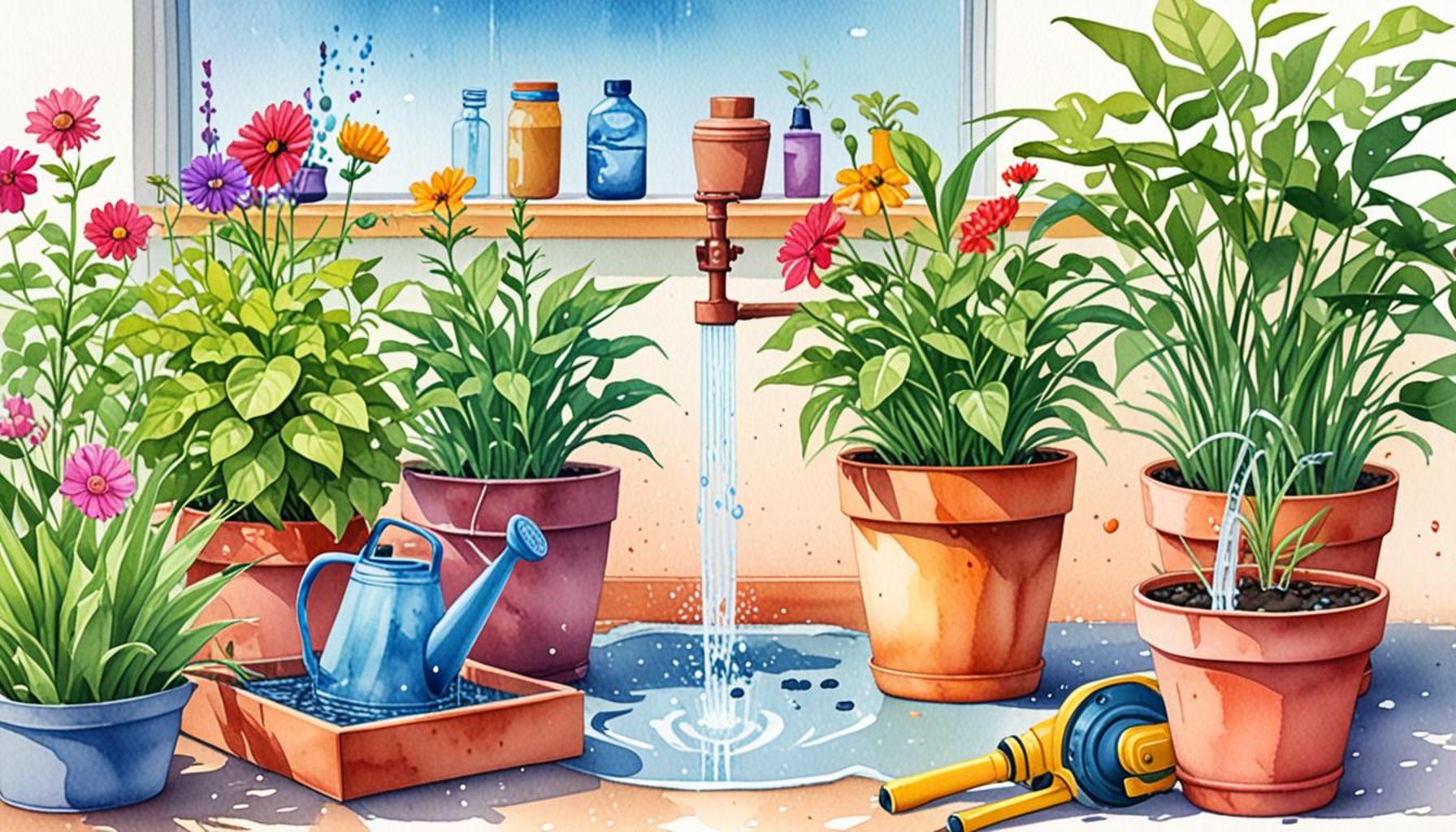
Introducing a watering method known as bottom watering can significantly reduce the risk of overwatering. This technique involves placing your potted plant in a shallow tray of water, allowing the plant’s roots to absorb moisture from below. The soil will draw up water through capillary action while preventing saturation on the surface, thus enhancing root development. Bottom watering can be an ideal approach for those with busy schedules, enabling you to water multiple plants at once without the risk of over-saturation.
Use Watering Cans with Narrow Spouts
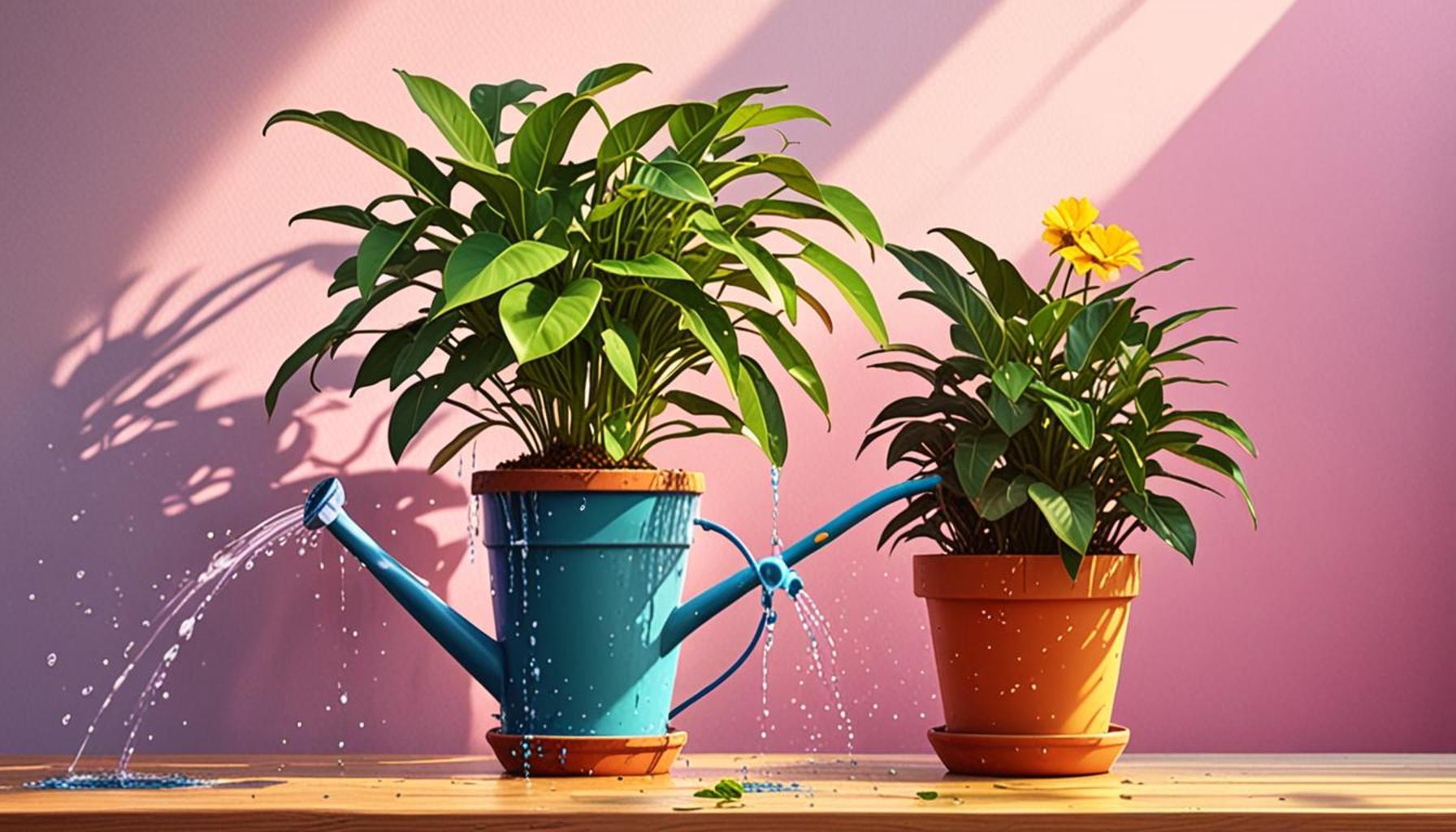
The choice of watering equipment can greatly influence your plant’s health. Utilizing a watering can equipped with a narrow spout enables greater precision in application, allowing you to direct water exactly where it’s needed—at the base of the plant. This method not only minimizes the chance of water pooling in the docker but also allows for better soil penetration. Furthermore, a slow pour lessens the risk of soil erosion or disturbance, which is critical for maintaining a stable root environment.
Explore Self-Watering Containers
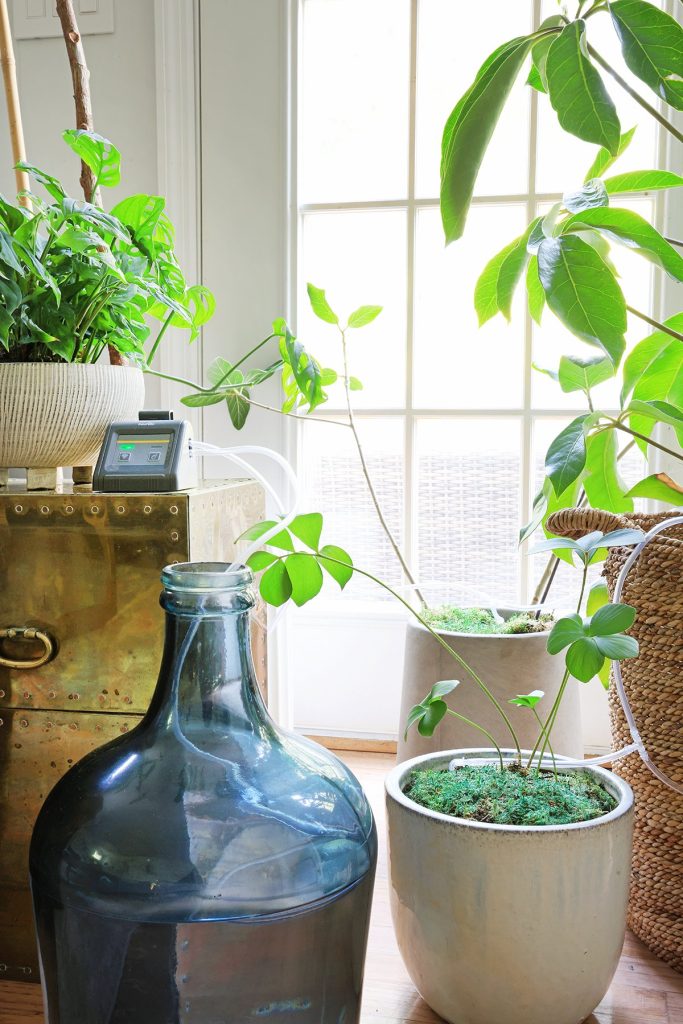
Self-watering containers are another innovative solution worth considering, especially for those prone to overwatering. These pots are designed with a reservoir at the bottom that provides a steady moisture supply without the constant need for watering. They allow plants to absorb the water they need as the soil dries out, maintaining an optimal balance between moist and dry conditions. Available in various styles, a self-watering container can be an attractive and practical addition to any indoor or outdoor garden setup.
Understanding the Water Cycle
Equipping yourself with knowledge about the water cycle and how it interacts with your indoor climate can be a game-changer. Factors such as sunlight exposure, humidity levels, and temperature fluctuations all contribute to water evaporation rates. For instance, if your plants are within a sunny spot that experiences higher temperatures, they will require more frequent watering compared to those in shaded areas. Keeping a gardening journal to track these changing conditions can help you adapt your routine, leading to increasingly healthier plants over time.
Encouraging a mindful approach to watering reinforces the importance of tailoring techniques to your potted plants’ specific needs. By integrating these insightful techniques, you’ll not only protect your plants against overwatering but also foster a thriving green sanctuary right in your home.
DISCOVER MORE: Click here to gain tips on creating a pest-resistant garden
Conclusion: Embrace Smart Watering Practices
In conclusion, mastering the art of watering potted plants is crucial for any gardener looking to cultivate lush greenery without the risk of overwatering. By adopting various watering techniques and utilizing helpful tools like moisture meters, you can take the guesswork out of your routine, ensuring your plants receive the right amount of moisture. Techniques such as bottom watering and the use of self-watering containers not only promote healthy root growth but also make it easier to manage your time effectively.
Furthermore, incorporating precision tools like watering cans with narrow spouts allows for targeted watering, while understanding the dynamics of your indoor climate aids in tailoring the water cycle to suit your plants’ needs. Keeping a gardening journal will enhance your awareness of changing conditions, empowering you to adapt your approach accordingly. By embracing these smart watering practices, you are not only ensuring the vitality of your potted plants but also transforming your indoor space into an inviting green sanctuary.
Ultimately, it’s about fostering a harmonious relationship with your plants—one based on observation, learning, and growth. So, whether you are a seasoned gardener or a beginner, these tips can serve as a foundation for a flourishing indoor garden, paving the way for new adventures in horticulture. Let your journey towards better watering techniques begin today!

Linda Carter
Linda Carter is a gardening writer and home-growing specialist who helps beginners cultivate thriving home gardens. With extensive experience guiding new gardeners through plant selection and sustainable growing techniques, she shares practical gardening strategies on our platform. Her goal is to empower readers with actionable advice and step-by-step strategies to successfully grow their own food and create beautiful, productive gardens at home.