
Resilient Plants: Species that Thrive in Seasonal Changes

Nature continually surprises us with its ability to adapt, often in ways that can astonish even the most seasoned botanists. Among the myriad of life forms, resilient plants stand out as extraordinary examples of survival and adaptability. These plants not only withstand harsh environmental conditions, but they also thrive and reproduce, contributing significantly to the ecosystems they inhabit.
So, what are the distinctive characteristics that enable these tough plants to endure such adversity? When dissecting their resilience, we can identify several key features:
- Resistance to temperature variations: Resilient plants possess unique adaptations allowing them to endure extreme temperature fluctuations. For example, the Eastern Red Cedar can tolerate temperatures as low as -20 degrees Fahrenheit and as high as 100 degrees Fahrenheit, showcasing its remarkable hardiness across different climates.
- Water efficiency: Water scarcity is a significant challenge for many plants, yet resilient species have developed various mechanisms to conserve water. Cacti, for instance, utilize water-storing tissues, allowing them to survive long periods without rainfall. Many native grasses, such as buffalo grass, have deep root systems that tap into groundwater sources during droughts.
- Adaptability to soil conditions: Some plants can thrive in environments with poor or depleted soils, often enriched through their own biological processes. The California Poppy flourishes in nutrient-poor sandy soils, using its deep roots to access moisture while simultaneously enriching the soil with its decaying leaves.
Across the United States, we find a diverse array of resilient plant species, each embodying the spirit of endurance. The Black-eyed Susan, for example, is not only a beloved garden staple with its vibrant yellow petals but also a hardy addition to prairies, adapting easily to varying light and soil conditions. It provides essential nectar to pollinators such as bees and butterflies, further highlighting its ecological importance.
The stories of these plants are not merely tales of survival; they are lessons in resilience that can inspire us. Understanding how resilient flora adapts to environmental challenges allows us to appreciate their role in maintaining ecological balance. Moreover, as climate change brings about more frequent environmental shifts, studying these plants can provide insights into how ecosystems may adapt in the future. By looking closer at these extraordinary species, we deepen our comprehension of nature’s wonder—and our responsibility to protect these resilient beings that enhance our natural world.
DIVE DEEPER: Click here to discover pollinator-friendly plants
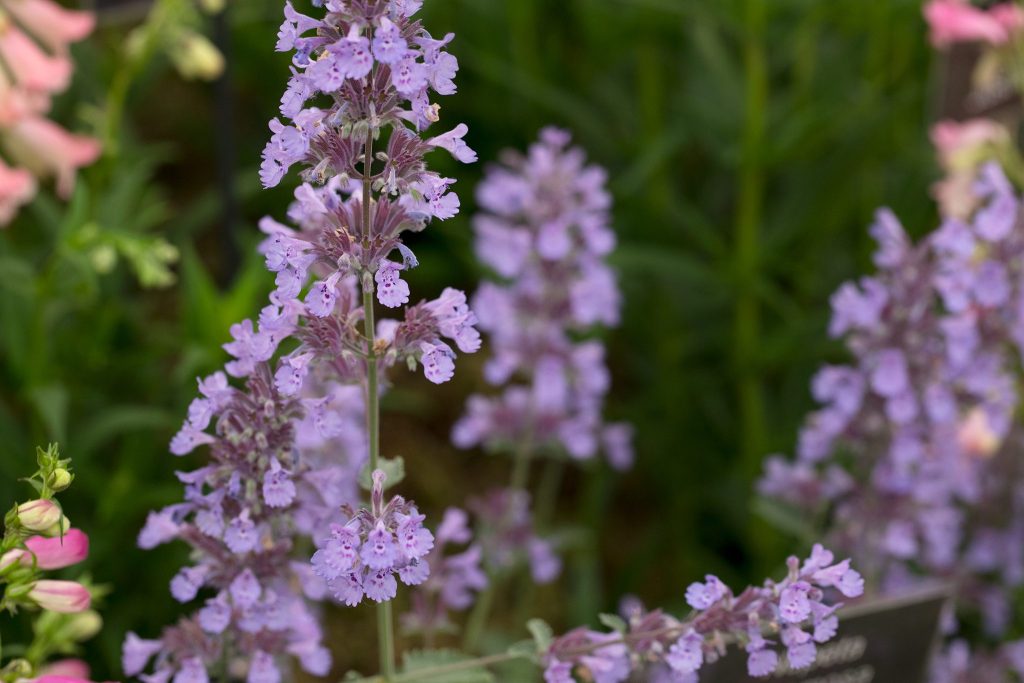
The Secrets of Resilient Plants
In the face of ever-changing seasons, some plants display remarkable tenacity that allows them not only to survive but to flourish. Their ability to thrive amid adversity is a testament to nature’s ingenuity. A closer examination of these resilient plants reveals the various strategies they employ to adapt to seasonal changes.
1. Seasonal Adaptation Mechanisms
Resilient plants exhibit a range of adaptations that assist them in managing seasonal fluctuations. Understanding these mechanisms is crucial for both appreciating biodiversity and implementing effective conservation strategies. Here are a few notable adaptations:
- Deciduous Behavior: Some plants, like the Maple Tree, shed their leaves during the autumn months to reduce water loss and conserve energy during winter. This seasonal dormancy prepares them to rebound vigorously when conditions improve in spring.
- Growth Patterns: Many resilient species, such as the Perennial Wildflower, have adapted by altering their growth patterns. They may enter a vegetative state during less favorable conditions, only to burst into a vibrant display of blooms when the temperatures rise and moisture returns.
- Color Adaptation: Some plants, including numerous species of Succulents, develop protective pigments that shield them from intense sunlight during the summer months. This adaptation not only protects them from sunburn but also helps in photosynthesis, optimizing energy capture for growth.
2. Importance of Resilient Species in Local Ecosystems
Resilient plants are a cornerstone of healthy ecosystems. Their ability to adapt to seasonal changes enhances biodiversity, supports local wildlife, and fosters ecological resilience. The Goldenrod, for instance, provides a vital source of nectar for pollinators late into the fall when other flowers have withered. Such plants play an essential role in sustaining food webs and ensuring the survival of various animal species.
The presence of resilient plants in any given environment often acts as a bellwether for climate health, indicating the ability of ecosystems to withstand and adapt to shifts brought about by factors such as climate change. For example, the widespread Black-eyed Susan can thrive in a range of conditions and is a key component in pollinator habitats, underscoring the interconnectedness of plant resilience and ecological stability.
By exploring and understanding the unique traits of these resilient species, we gain valuable insights into our own interactions with the natural world. As we face increasing environmental challenges, learning from these remarkable plants can guide conservation efforts and inspire sustainable practices that recognize the importance of maintaining robust ecosystems.
Resilient Plants: Species that Thrive in Seasonal Changes
The resilience of certain plant species truly captures the essence of survival amidst fluctuating environmental conditions. These exceptional plants not only endure challenges brought about by seasonal changes, but they also exemplify adaptability, showcasing nature’s ingenuity. Understanding these resilient plants enhances our appreciation for biodiversity and highlights the importance of conservation efforts. Below is a table that outlines the advantages of exploring resilient plant species:
| Category | Benefits |
|---|---|
| Drought Resistance | Many resilient plants have developed deep root systems, allowing them to access water during dry periods. |
| Seasonal Adaptability | These species can adjust their growth patterns in response to seasonal variations, transforming challenges into growth opportunities. |
| Ecosystem Support | They provide crucial habitat and food sources for wildlife, supporting diverse ecosystems even in extreme climates. |
| Aesthetic Appeal | Many resilient plants also possess beautiful features, enriching landscapes while requiring less maintenance. |
By delving into the unique adaptations and advantages of these resilient plants, we can foster a better understanding of their role in our ecosystems. Their ability to thrive under various conditions not only serves ecological purposes but also inspires innovative approaches to gardening and landscaping in changing climates.
DIVE DEEPER: Click here to discover aromatic plants for your garden</
Strategies for Survival and Adaptation
As seasons shift, resilient plants have developed fascinating survival strategies that safeguard their existence through fluctuating environmental conditions. The intricate design of these survival mechanisms not only ensures their own continuity but also emphasizes their role in supporting widespread ecological networks.
3. Water Conservation Techniques
Water availability often fluctuates drastically with the seasons, and resilient plants have evolved a plethora of water conservation techniques to manage these changes effectively. Take, for instance, the Desert Sage, a native shrub known for its ability to withstand prolonged droughts. It possesses a deep root system that anchors it firmly into the ground, allowing it to tap into underground water sources. Furthermore, its thin leaves have a waxy coating that minimizes transpiration, ensuring that moisture is retained for longer periods.
Similarly, the Pine Tree employs needle-like leaves that reduce surface area, significantly lowering the amount of water lost through evaporation. This adaptation proves advantageous in regions with drastic seasonal changes, as these trees can thrive in arid conditions while still maintaining growth during more favorable seasons.
4. Pollinator Attraction and Reproductive Strategies
Beyond their survival adaptations, resilient plants also exhibit remarkable pollinator attraction strategies. During seasonal transitions, many flowers release unique scents or produce vibrant colors to attract essential pollinators. The Butterfly Bush, for instance, is known for its late-blooming flowers that provide a critical nectar source when few other plants are in bloom. This strategic timing ensures that pollinators have sustenance throughout varying climatic conditions.
Moreover, certain species, such as the Common Milkweed, have developed complex relationships with specific pollinators, such as monarch butterflies, showcasing an interdependent lifecycle that thrives on seasonal changes. By understanding these relationships, we enhance our insight into maintaining pollinator populations, crucial for healthy ecosystems and food production.
5. Resilience through Seed Dispersal Mechanisms
A vital aspect of a plant’s resilience lies in its reproductive strategies, particularly seed dispersal mechanisms. Many resilient species have adapted their seeds to survive harsh conditions. For example, the Black Locust tree produces seeds that can remain dormant in the soil for several years, germinating only when conditions become favorable. This dormancy is crucial for surviving seasons of limited resources.
Additionally, plants like Dandelions utilize wind dispersal to ensure their seeds travel long distances, increasing the likelihood of finding hospitable environments for establishment. These dispersal strategies are essential in allowing resilient plants to colonize new areas that may emerge in the wake of seasonal changes, contributing to biodiversity and ecosystem restoration.
In the intricate dance of nature, resilient plants embody the adaptability required to face seasonal transitions head-on. Their innovative strategies—from water conservation to specialized reproduction—encapsulate a profound survival instinct that not only enables their thriving but also enhances the health of the environments they inhabit.
DISCOVER MORE: Click here to learn about pollinator-friendly plants
Conclusion
In summary, the world of resilient plants offers a compelling glimpse into the extraordinary adaptations that enable certain species to flourish amidst the ever-changing seasonal dynamics. Through targeted strategies such as efficient water conservation, adept pollinator attraction, and innovative seed dispersal mechanisms, these remarkable organisms not only sustain themselves but also play a pivotal role in maintaining ecological balance. The resilience observed in plants like the Desert Sage and Pine Tree, alongside dynamic partnerships with pollinators like the Butterfly Bush and Common Milkweed, speaks volumes about the interconnectedness of life in various ecosystems.
Furthermore, as climate patterns evolve and environmental challenges intensify, studying these resilient species opens the door to understanding how they can inform agricultural practices and conservation efforts. Recognizing the value of such plants encourages us to consider their integration into urban gardening and landscape designs, promoting biodiversity whilst addressing climate resiliency.
As we delve deeper into the adaptations and survival strategies of resilient plants, we discover a treasure trove of insights that not only enlighten our appreciation for nature’s ingenuity but also empower us to foster healthier ecosystems. The lesson is clear: by championing these remarkable species, we bolster our own resilience in the face of ecological shifts, ensuring that both flora and fauna can thrive for generations to come.

Linda Carter
Linda Carter is a gardening writer and home-growing specialist who helps beginners cultivate thriving home gardens. With extensive experience guiding new gardeners through plant selection and sustainable growing techniques, she shares practical gardening strategies on our platform. Her goal is to empower readers with actionable advice and step-by-step strategies to successfully grow their own food and create beautiful, productive gardens at home.