
Selecting Plants for Vertical Gardening: Maximizing Space with Climbing and Trailing Varieties

The Allure of Vertical Gardening
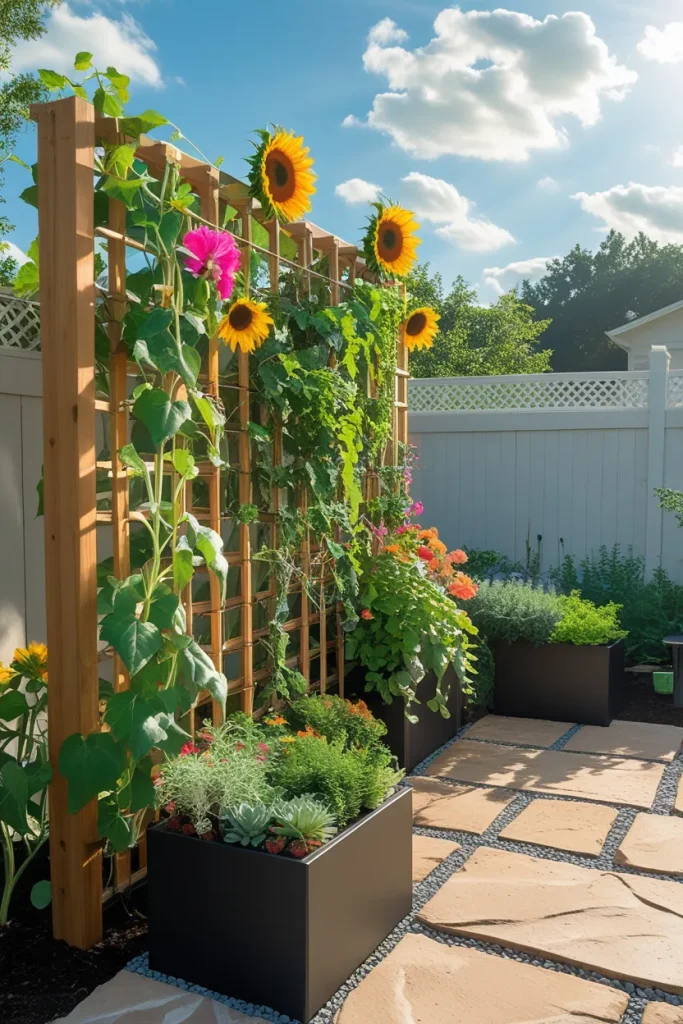
In an era where urban dwellers often face limited outdoor space, vertical gardening has emerged as a revolutionary approach to cultivating greenery. Utilizing climbing and trailing varieties, this innovative gardening style allows even the tiniest balcony or backyard to flourish into a vibrant oasis. Vertical gardens not only serve as a visual delight but also come with numerous practical benefits. For instance, they can improve air quality, reduce urban heat, and provide a habitat for beneficial wildlife.
When curating a vertical garden, making informed choices about plant selections is crucial. A few essential factors stand out:
- Growth Habit: Choose plants that have a natural inclination to climb, like grapevines or ivy, or trailing varieties that gracefully drape downwards, such as fuchsia or trailing rosemary. These plants are perfect for vertical trellises, walls, or hanging pots.
- Climate Adaptability: Each plant has unique environmental requirements, making it essential to select varieties that thrive in your specific USDA hardiness zone. For example, in warmer regions, consider jasmines for their stunning fragrance.
- Sunlight Requirements: Assess the sunlight exposure of your space. For shadier spots, you might choose shade-friendly plants like ferns or hostas, while brighter areas could boast sun-loving petunias and portulaca.
Some delightful choices for climbing plants include:
- Wisteria: Not only does this enchanting climber produce cascading clusters of beautiful blue or purple blossoms, but its rapid growth can quickly cover a trellis or pergola.
- Clematis: Renowned for its seasonally blooming flowers in various shades, clematis is a versatile perennial that can be trained to climb fences or walls.
- Hops: While traditionally grown for beer production, hops also contribute unique foliage and height, making them a fabulous addition to vertical gardens.
In contrast, for those who prefer trailing varieties, consider the following:
- String Beans: An edible option that not only adds beauty to your garden as they hang but also provide a delicious harvest in the summer.
- Sweet Potato Vine: With its striking green and purple foliage, this vigorous plant can add a dramatic flair to hanging baskets.
- Petunias: These colorful flowers are a staple of hanging baskets. Their vibrant hues attract pollinators, enhancing your garden’s biodiversity.
By thoughtfully selecting the right plants, vertical gardening can elevate your outdoor aesthetics while serving practical purposes. Imagine stepping out onto your balcony to a cascade of blooms or the sight of homegrown vegetables climbing toward the sky. As you venture into the world of vertical gardening, the possibilities are endless, inviting you to explore how you can transform your green space into a dynamic extension of your living environment.
LEARN MORE: Click here to discover effective pest management strategies
Understanding Climbing and Trailing Plants
When it comes to vertical gardening, selecting the right plants is paramount for achieving an aesthetically pleasing and functional garden. The primary categories of plants that excel in vertical spaces are climbing and trailing varieties. Each type brings unique characteristics and benefits, making them suitable for a range of gardening styles and space limitations.
Climbing Plants: The Vertical Climbers
Climbing plants are characterized by their natural tendency to scale heights by using tendrils, twining stems, or supporting foliage. These plants typically cling to structures, making them ideal for creating vertical layers in gardens. Here are some popular climbing plants to consider:
- Pole Beans: This edible option grows rapidly and rewards gardeners with a bountiful harvest. Their slender vines are perfect for trellises or decorative garden poles.
- Morning Glory: Known for their trumpet-shaped flowers in various colors, morning glories can cover fences and trellises with ease, attracting butterflies and other pollinators.
- Passionflower: With exotic blooms and vibrant foliage, this vine not only provides visual interest but also produces delicious fruit, making it a dual-purpose plant for those with a taste for adventure.
Choosing the right climbing plants can create enchanting vertical landscapes, drawing the eye upward and adding dimension to your garden space. Consider their growth patterns and the necessary support systems when planning your garden layout.
Trailing Plants: The Cascading Beauties
Trailing plants, on the other hand, derive their charm from elegant draping or cascading over the edges of containers and vertical structures. These plants are excellent for hanging baskets or the top tier of a tiered garden setup. Here are some enticing trailing varieties to explore:
- Calibrachoa: Often resembling miniature petunias, calibrachoa is available in a stunning spectrum of colors. Their prostrate growth habit makes them perfect for hanging pots and adding a pop of color at different heights.
- Trailing Petunias: These classic favorites bloom continuously, providing long-lasting floral displays. Their ability to spill gracefully over containers makes them ideal for maximizing visual impact.
- Boston Fern: Known for its lush, feathery foliage, the Boston fern thrives in shadier conditions and adds a touch of greenery to vertical gardens, softening any hard lines with its graceful trails.
Incorporating trailing plants helps to create an immersive experience of cascading beauty in your vertical space, providing a sense of abundance and softness that complements climbing varieties.
By understanding the distinct characteristics of climbing and trailing plants, gardeners can make informed choices that enhance both the visual appeal and productivity of vertical gardens. Combining these two types can lead to a thriving ecosystem that benefits not just the gardener, but the surrounding urban environment as well.
When it comes to vertical gardening, selecting the right plants is crucial for maximizing your space and creating a thriving green environment. Utilizing climbing and trailing varieties not only beautifies your space but also enhances productivity, especially in small urban areas. Here are key examples and insights on plant selection:
| Plant Type | Benefits |
|---|---|
| Climbing Beans | Rich in nutrients and perfect for trellises, they efficiently use vertical space. |
| Trailing Petunias | Excellent for hanging baskets; they provide vibrant color and require minimal maintenance. |
| Cucumbers | Ideal for vertical gardening, they produce a high yield without taking up much ground space. |
| Trailing Herbs (e.g., Thyme, Oregano) | These aromatic trails can be amazing companion plants while also offering culinary benefits. |
When selecting plants for your vertical garden, consider factors such as light requirements, growth habit, and how they will interact with each other. Utilizing vertical structures like trellises, arches, or wall pockets can significantly enhance the aesthetics and functionality of your garden. Discovering plant pairings that thrive together can also increase your harvest while ensuring minimal space wastage. Delve into the world of vertical gardening and explore the myriad of possibilities that await!
DISCOVER MORE: Click here to learn about cover crops
Maximizing the Benefits of Plant Selection
As you curate your vertical garden with climbing and trailing plants, it’s essential to not only consider aesthetics but also the unique growing requirements and benefits that different species provide. Achieving harmony among plant traits can lead to a flourishing vertical space that is both productive and visually stunning. Below, we explore key aspects such as light requirements, companion planting, and seasonal considerations that could enhance your vertical gardening experience.
Light Requirements: Finding the Perfect Spot
Light exposure plays a crucial role in the success of climbing and trailing plants. While most climbing plants like cucumbers and hops thrive in full sun, certain trailing plants, such as fuchsia and variegated creeping thyme, prefer partial shade. Understanding the light requirements is vital for ensuring healthy growth and vibrant blooms. For example, if your vertical garden is positioned against a south-facing wall, it can absorb ample sunlight, making it well-suited for sun-loving climbers like kiwi vines and grapevines.
On the other hand, if you have limited direct sunlight, you may want to focus on shade-tolerant trailing plants or incorporate climbing species that can thrive in less intense light conditions, such as epipremnum aureum, also known as pothos. This adaptability allows for greater diversity in plant selection and can contribute to a lush, green environment even in tricky lighting scenarios.
Companion Planting: Creating Synergistic Relationships
Another strategy to maximize space and productivity in your vertical garden is through companion planting. This technique involves pairing plants that support each other’s growth, deter pests, or improve yields. For instance, growing climbing plants like peas alongside trailing plants such as nasturtiums not only maximizes vertical space but also attracts beneficial insects that can help with pollination. Furthermore, nasturtiums can deter aphids, protecting the pea crop while providing a burst of color with their vibrant flowers.
Another illuminating pairing involves trailing strawberries with climbing beans. As the beans reach for the vertical height, they will cast light shade on the strawberries, potentially extending their yield during hotter months, while the strawberries’ ground coverage may help suppress weeds. Such relationships can significantly enhance the ecological benefits of your vertical garden.
Seasonal Considerations: Planning Your Garden for Year-Round Interest
When selecting plants for a vertical garden, consider their seasonal changes and blossoming times. For instance, a mix of early bloomers such as snapdragons can be paired with mid-season favorites like climbing roses and late bloomers like clematis. This layering of flowering times not only ensures continuous color and interest throughout the seasons but also maximizes the space effectively.
Furthermore, incorporating perennial climbers and trailing plants can yield rewards for years, reducing the need for replanting with each growing season. This sustainable approach allows for long-term planning and allows gardeners to focus their energy on creating a thriving ecosystem that adapts to seasonal changes.
By carefully considering the light needs, companion planting strategies, and seasonal plans, vertical gardeners can transform limited space into an abundant, functional landscape. The right plant selection ultimately allows for maximizing both space and beauty, setting the stage for a vibrant vertical sanctuary.
DON’T MISS: Click here to discover how biochar can enhance your soil preparation
Conclusion: Cultivating a Lush Vertical Paradise
In the realm of vertical gardening, selecting the right climbing and trailing plants is fundamental to achieving a harmonious and thriving environment. By taking into account the specific light requirements, engaging in thoughtful companion planting, and planning for seasonal diversity, you can develop a space that is not only visually appealing but also productive and sustainable. Optimizing your vertical garden with plants suited to your unique conditions can dramatically enhance both its aesthetic and functional qualities.
Exploring various species can lead to surprising discoveries—like combining ornamental vines with edible crops, thus maximizing your limited growing area. Furthermore, embracing the interplay between seasons through strategic plant choices ensures that your vertical space remains dynamic and intriguing all year round. This long-term approach to gardening nurtures a vibrant ecosystem that not only beautifies your surroundings but also provides a source of fresh produce.
Ultimately, vertical gardening presents a fantastic opportunity to maximize space and creativity. Whether you are a seasoned gardener or a beginner, the combination of careful plant selection and innovative techniques can transform underutilized spaces into flourishing vertical sanctuaries. As you embark on this gardening adventure, remember that each choice contributes to a sustainable and ecologically balanced landscape, making your vertical garden a testament to both nature’s beauty and ingenuity.

Linda Carter
Linda Carter is a gardening writer and home-growing specialist who helps beginners cultivate thriving home gardens. With extensive experience guiding new gardeners through plant selection and sustainable growing techniques, she shares practical gardening strategies on our platform. Her goal is to empower readers with actionable advice and step-by-step strategies to successfully grow their own food and create beautiful, productive gardens at home.