Understanding Soil Structure: The Foundation for Healthy Gardening
The Vital Role of Soil in Gardening Success
Soil is often called the lifeblood of gardening, yet many gardeners overlook its crucial role. A thorough understanding of soil structure can dramatically affect plant health and growth. It serves as the unseen foundation that supports your flourishing ecosystem. When you consider that healthy soil can contain billions of microorganisms, it becomes clear how significant its role is in fostering a vibrant garden.
Components of Soil Structure
What makes up the structure of soil? Here are some key components:
- Particles: Soil is composed of three main particle sizes: sand, silt, and clay. Sand particles are large and provide excellent drainage, making them ideal for plants that prefer drier conditions. Silt particles are medium-sized and retain moisture better, while clay particles are fine and compact, holding water but draining poorly. A balanced combination of these particles creates what is known as loamy soil, which is ideal for most gardening applications.
- Air Pockets: Proper aeration is vital for root development and microbial activity. Air pockets in the soil allow essential gases like oxygen to circulate, which is crucial for the respiration of plant roots and beneficial microorganisms that enrich the soil. Compact soil can hinder root growth and reduce nutrient absorption, leading to poor plant health.
- Organic Matter: Comprising decomposed plants and materials, organic matter is a powerhouse for soil health. It not only improves soil structure by enhancing moisture retention and aeration but also provides a continuous source of nutrients as it breaks down. Adding compost or mulched leaves can significantly increase the organic content of your soil.
Benefits of Understanding Soil Balance
Recognizing the components of soil structure helps in achieving a balanced environment for your plants, which is essential for numerous aspects of gardening. Here are some key benefits:
- Better Moisture Retention: Ideal soil structure prevents excessive drying and supports hydration, ensuring plants have access to the necessary water supply throughout their growing season. This can be particularly important in areas experiencing drought.
- Nutrient Availability: Healthy soils ensure that plants receive essential nutrients. For instance, a soil rich in organic matter can release nutrients slowly over time rather than in one dramatic burst, fostering sustained plant growth.
- Root Growth: A well-structured soil allows roots to expand freely and access both water and nutrients. Plants with robust root systems are more resilient against diseases and environmental stresses, leading to healthier, more productive gardens.
Practical Approaches to Enhancing Soil Structure
As you delve deeper into gardening, discovering how to improve and maintain soil structure will equip you with invaluable tools for successful gardening. Practices such as crop rotation, cover cropping, and regular addition of organic amendments can transform depleted soils into fertile ground. Understanding the unique soil profiles in your area—whether it’s the clay-heavy soils of the Midwest or sandy soils in coastal regions—can also inform your gardening strategies.
With the right approaches and ongoing education, you can cultivate thriving plants and vibrant gardens that flourish year after year. Embrace the importance of soil, and you’ll unlock the potential of your green space, leading to a more fruitful and enjoyable gardening experience.
LEARN MORE: Click here for essential tips on soil erosion control
Diving Deeper into Soil Composition
To truly appreciate the importance of soil structure, it’s essential to explore its composition further. Each component of soil plays a pivotal role, acting in synergy to create a thriving environment for plants. As you dig deeper into understanding these elements, you’ll discover a wealth of knowledge that can transform your gardening practices.
The Soil Triangle: A Visual Guide
The soil triangle is a useful tool for visualizing the composition of soil. It categorizes soil based on the proportions of sand, silt, and clay. By understanding where your soil falls in this triangle, you can better assess its drainage capabilities, nutrient-holding capacity, and overall fertility. For instance, sandy soils, often found in coastal regions, tend to drain quickly, making them suitable for drought-resistant plants, while clay-rich soils, prevalent in many Midwest areas, can present challenges like poor drainage but excellent nutrient retention.
When aiming for the ideal loamy soil, gardeners should target a balance of these particles. While achieving balance may seem daunting, practicing a few simple techniques can greatly improve your chances of success.
Indicators of Soil Health
Soil health can be observed through various indicators that signal whether your gardening endeavors are on the right track. Here are several key signs to look for:
- Earthworms: The presence of earthworms in your soil is often a sign of healthy structure and vitality. These creatures aerate the soil, improve drainage, and provide nutrient-rich castings that support plant growth.
- Soil Texture: The feel of the soil can tell you a lot about its health. Loamy soil feels crumbly and holds together without becoming compacted, whereas overly clayey or sandy soils display noticeably poorer textures.
- Color: Darker soils typically indicate higher organic matter content, suggesting better fertility. Conversely, pale or gray soils may lack nutrients necessary for optimal plant growth.
Testing Your Soil
An essential step in understanding soil structure is conducting a soil test. This analytical approach provides insights into pH levels, nutrient composition, and organic matter. Soil test kits are widely available at garden centers and online, making them an accessible option for anyone serious about gardening. Armed with this information, gardeners can tailor their soil amendments precisely, such as applying lime to raise pH or adding sulfur to lower it, thus creating a more hospitable environment for plants.
By investing time in understanding and improving your soil structure, you pave the way for a flourishing garden. Recognizing the key components and indicators of soil health equips you with the knowledge needed to cultivate a thriving ecosystem, leading to greater gardening satisfaction and success.
| Advantage | Description |
|---|---|
| Enhanced Nutrient Retention | Soil with a well-developed structure can hold nutrients more effectively, which is vital for healthy plant growth. |
| Improved Water Infiltration | A good soil structure allows water to infiltrate quickly, reducing waterlogging and ensuring that plants receive the moisture they need. |
| Promotes Healthy Microbial Activity | Healthy soil structure fosters a thriving ecosystem of beneficial microbes, which aids in breaking down organic matter and improving soil fertility. |
| Prevents Soil Erosion | Properly structured soil can resist erosion, thereby safeguarding the soil layer that nurtures plant roots and supports healthy gardens. |
Understanding the dynamics of soil structure can transform your gardening experience. By enhancing nutrient retention, you set the stage for your plants to truly thrive. When water infiltrates more effectively, the risk of diseases associated with excess moisture is minimized. Healthy microbial activity not only enriches the soil but also promotes sustainable gardening practices. Notably, by preventing erosion, we ensure that the vital resources needed for growth remain intact, giving your garden the best chance to flourish. These advantages collectively display why understanding soil structure is essential for every gardener aiming for a bountiful harvest. Explore how these factors can elevate your gardening knowledge and practices further.
DIVE DEEPER: Click here to learn about the benefits of earthworms
Improving Soil Structure: Techniques and Practices
With a foundational understanding of soil composition and health indicators, the next step is to recognize practical methods for enhancing soil structure. Implementing specific techniques can ensure your garden flourishes, paving the way for healthy, vibrant plants.
The Art of Soil Amendments
One of the primary strategies for improving soil structure is through the use of soil amendments. These materials supplement and enrich the existing soil, fostering better aeration, drainage, and nutrient retention. Common amendments include:
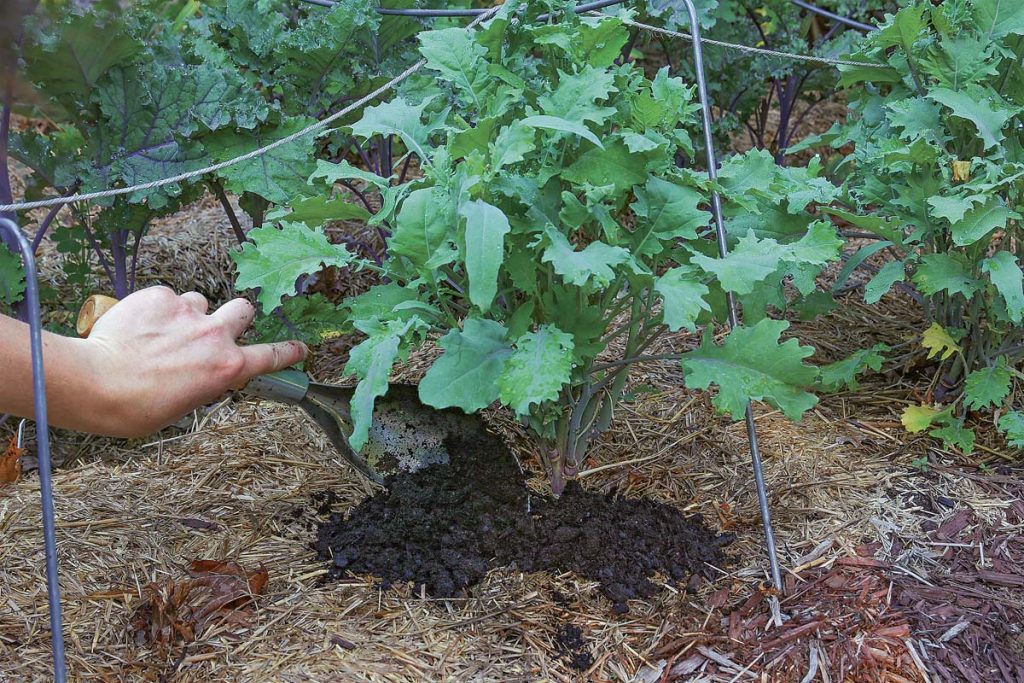
- Compost: This organic product is a powerhouse for soil health. Not only does it improve soil structure, but it also introduces beneficial microorganisms that break down organic matter into nutrients accessible to plants.
- Mulch: Applying organic mulch around plants can help maintain moisture, regulate soil temperature, and suppress weeds, all while slowly adding organic material to the soil as it decomposes.
- Gypsum: Particularly beneficial for clay soils, gypsum can help break down compacted areas, improving aeration and drainage without altering pH levels.
Regularly incorporating these amendments can dramatically shift the soil’s composition over time, enhancing its health and vitality.
Crop Rotation and Plant Diversity
Another critical practice in maintaining healthy soil structure is crop rotation. This agricultural technique involves alternating the types of crops grown in a particular area each season. By changing crops, you reduce the risk of nutrient depletion and pest buildup while improving soil microorganisms’ diversity. Additionally, incorporating cover crops—plants grown specifically to improve soil quality without being harvested—can prevent erosion, suppress weed growth, and contribute organic matter back into the soil.
As you plan your garden, consider employing a diverse range of plants. A mix of deep-rooted and shallow-rooted species can optimize the soil’s structure. For example, deep-rooted plants such as sunflowers can help break up compacted soil, while legumes, like clover, fix nitrogen in the soil, enhancing fertility.
Preserving Soil Structure through Careful Practices
To ensure the integrity of your soil structure, be mindful of your gardening practices. Here are a few key tips:
- Avoid Compaction: Limit walking on garden beds and instead use pathways to minimize soil compaction. Consider using raised beds, which provide better drainage and easier access, while also reducing the risk of compacting the growing area.
- Water Wisely: Overwatering can lead to poor drainage in clay soils, causing water to pool and roots to rot. Implement a drip irrigation system or soaker hoses to provide targeted watering that improves absorption and minimizes erosion.
- Practice Minimal Tillage: Refraining from excessive tillage helps maintain soil structure and protects the delicate web of life within the soil. This practice fosters a healthy ecosystem and prevents disruption to beneficial organisms.
By implementing these techniques into your gardening practices, you can significantly enhance your soil structure, leading to healthier plants and a more productive garden. Understanding the intricacies of soil management is vital—not only for your plants’ immediate needs but also for the long-term sustainability of your gardening endeavors.
DISCOVER MORE: Click here for essential tips on soil erosion control
Conclusion: The Key to Thriving Gardens
In conclusion, understanding soil structure is not merely an academic exercise but rather a fundamental component for any gardener aiming for success. Healthy gardens start from the ground up, and a well-structured soil ecosystem lays the foundation for vibrant, thriving plants and sustainable gardening practices. The role of soil amendments, such as compost, mulch, and gypsum, cannot be understated as these ingredients foster optimal conditions for growth, ensuring that plants receive essential nutrients while balancing moisture and aeration.
Additionally, considering plant diversity through practices like crop rotation is invaluable, as it not only enhances the soil’s biological health but also reduces the risk of pest infestations and diseases. With mindful techniques, such as minimizing tillage and avoiding soil compaction, you can maintain the integrity of your garden’s structure while promoting a thriving ecosystem beneath the surface.
As gardeners, we must appreciate the intricate dynamics of the soil and recognize that each action we take can have far-reaching consequences for the health of our plants and the environment. By investing time and effort into understanding and improving soil structure, we create not only a productive garden but also a resilient ecosystem that will flourish for seasons to come. Embrace the knowledge and practices discussed, and watch your garden transform into a testament of health and vitality.

Linda Carter
Linda Carter is a gardening writer and home-growing specialist who helps beginners cultivate thriving home gardens. With extensive experience guiding new gardeners through plant selection and sustainable growing techniques, she shares practical gardening strategies on our platform. Her goal is to empower readers with actionable advice and step-by-step strategies to successfully grow their own food and create beautiful, productive gardens at home.