The Best Practices for Soil Erosion Control in Home Gardens
The Importance of Addressing Soil Erosion
Maintaining the integrity of garden soil is vital for any flourishing garden. Soil erosion, which is a persistent issue faced by home gardeners, can have a profound effect on the viability of plant life. With its detrimental consequences, including the loss of essential nutrients and compromised soil structure, addressing soil erosion becomes even more critical for those looking to cultivate productive gardens.
The primary factors that contribute to soil erosion include:
- Heavy rainfall: Intense storms can wash away topsoil, where the richest nutrients are found. For gardeners, this means that their plants are deprived of a nutrient-rich environment.
- Excessive wind: Strong gusts can carry away fine particles, leading to surface erosion that can create unsightly ruts and can disturb root systems over time.
- Poor soil management: Neglecting soil health can lead to compaction and a lack of biodiversity, both of which can exacerbate erosion.
Fortunately, there are several effective erosion control techniques that home gardeners can utilize to combat these threats. Among these are:
- Planting cover crops: These crops, such as clover or winter rye, serve as a protective barrier against erosion when the main crops are not being grown. They also enrich the soil with organic material once they decompose, enhancing its overall quality.
- Building terraces: In sloped areas, terraces can minimize runoff and create flat areas that are more manageable for planting. This not only conserves soil but also captures water effectively, making it accessible for root systems.
- Using mulch and compost: A layer of mulch can shield the soil from direct rainfall impact and reduce evaporation. Additionally, compost adds valuable nutrients back into the soil, which is crucial for sustaining plant health.
Implementing these practices not only helps in active erosion control but also improves the long-term health and productivity of the garden. By investing time in prevention methods, gardeners are ensuring a robust environment for their plants and a sustainable garden for years to come.
The journey of enhancing garden soil through erosion control involves awareness, proactive measures, and perseverance. By employing a combination of these strategies, gardeners can create a resilient gardening ecosystem that stands against erosion, allowing them to enjoy bountiful harvests and a flourishing green space.
DISCOVER MORE: Click here to enhance your soil knowledge
Effective Techniques for Soil Erosion Control
Protecting the vital layer of soil in your home garden requires an understanding of the practical techniques that can keep erosion at bay. Home gardeners across the United States have adopted various strategies, each tailored to their unique environment and soil types. Here, we explore the most effective methods for controlling soil erosion that not only promote a healthy garden but also preserve the ecosystem.
1. Implementing Cover Crops
Cover crops play a pivotal role in reducing soil erosion. By planting these crops during the off-season, such as clover or winter rye, gardeners can create a protective cover that shields the soil from harsh elements. These plants enhance the soil structure by preventing compaction and facilitating the infiltration of water. Additionally, once these crops are turned back into the soil, they contribute essential nutrients, further enriching the garden bed.
2. Creating Terraced Gardens
If your garden is situated on a slope, consider building terraces. Terracing is an ancient agricultural practice that slows down water runoff, thus allowing more water to percolate into the soil. This method not only retains moisture but also provides flat areas for planting, making it easier to cultivate crops. When constructing terraces, use local materials like stone or wood to create barriers that hold the soil in place while blending harmoniously with the landscape.
3. Utilizing Mulch
Mulch is a versatile ally in the fight against soil erosion. A thick layer of mulch, whether organic like wood chips or inorganic like gravel, acts as a buffer against rainfall, reducing the impact on the soil surface. Furthermore, mulch helps maintain soil temperature and moisture levels, fostering an optimal environment for plant growth. The decomposition of organic mulch also gradually releases nutrients, thereby enriching the soil over time.
4. Employing Compost
Compost is another essential component of effective erosion control. By adding compost to your soil, you improve its structure, enhancing its ability to retain moisture and resist erosion. Compost not only boosts the nutrient content of your garden but also promotes biodiversity in the soil, which can improve resistance against erosion. Regularly incorporating compost into your gardening routine can lead to gradual improvements in soil health and fortify it against the elements.
5. Planting Native Vegetation
Integrating native plants into your garden can significantly mitigate erosion. These plants are adapted to the local climate and soil conditions, requiring less maintenance and often thriving without additional watering or chemical inputs. Their root systems are deep and robust, binding soil effectively while preventing erosion during heavy rains or winds. By choosing native species, you not only support local wildlife but also cultivate a garden resilient against soil loss.
By implementing these practical techniques, home gardeners can proactively combat soil erosion, ensuring the longevity and productivity of their gardens. Each of these methods serves a dual purpose: protecting soil integrity while enhancing the overall health of the garden ecosystem.
The Best Practices for Soil Erosion Control in Home Gardens
Soil erosion is a critical issue for home gardeners that can lead to loss of valuable topsoil, reduced soil fertility, and water quality degradation. Implementing effective soil erosion control measures is essential for maintaining healthy garden ecosystems. Below are several best practices that can significantly reduce soil erosion in your home garden.
| Control Method | Description |
|---|---|
| Ground Cover Plants | Planting ground cover such as clover or creeping thyme helps hold the soil together, preventing erosion and improving soil health. |
| Terracing | Constructing terraces along slopes can slow water runoff and facilitate better absorption, reducing soil loss significantly. |
| Mulching | Applying mulch protects soil from wind and water erosion, while also conserving moisture and providing nutrients as it decomposes. |
| Silt Fences | Installing silt fences around the perimeter of your garden can help trap sediment and prevent it from washing away during heavy rainfall. |
By integrating these practices into your gardening routine, you can significantly mitigate the effects of soil erosion, protect your plants, and contribute to the conservation of precious topsoil. Moreover, these practices not only benefit the garden’s ecosystem but also enhance the aesthetics of your outdoor space, making it both functional and beautiful. For greater impact, gardeners are encouraged to combine various methods for a multi-faceted approach to soil erosion control.
DIVE DEEPER: Click here to learn more about plant diversity and pest control</p
Complementary Strategies for Sustaining Healthy Soil
Aside from the aforementioned techniques, there are additional methods homeowners can adopt to further bolster their defenses against soil erosion. By understanding the interplay of various factors contributing to soil stability, gardeners can create a comprehensive strategy that preserves the integrity of their land while encouraging lush and productive plant life.
6. Installing Retaining Walls
Retaining walls can be an effective engineering solution for slopes in a garden. These structures hold back soil, preventing it from washing away during heavy rain. When constructed from materials such as stone, brick, or treated wood, retaining walls not only serve a protective function but also create additional planting areas. Incorporating plants in the wall structure, such as creeping thyme or sedums, can further stabilize the soil and promote passive irrigation as the plants uptake water.
7. Designing Rain Gardens
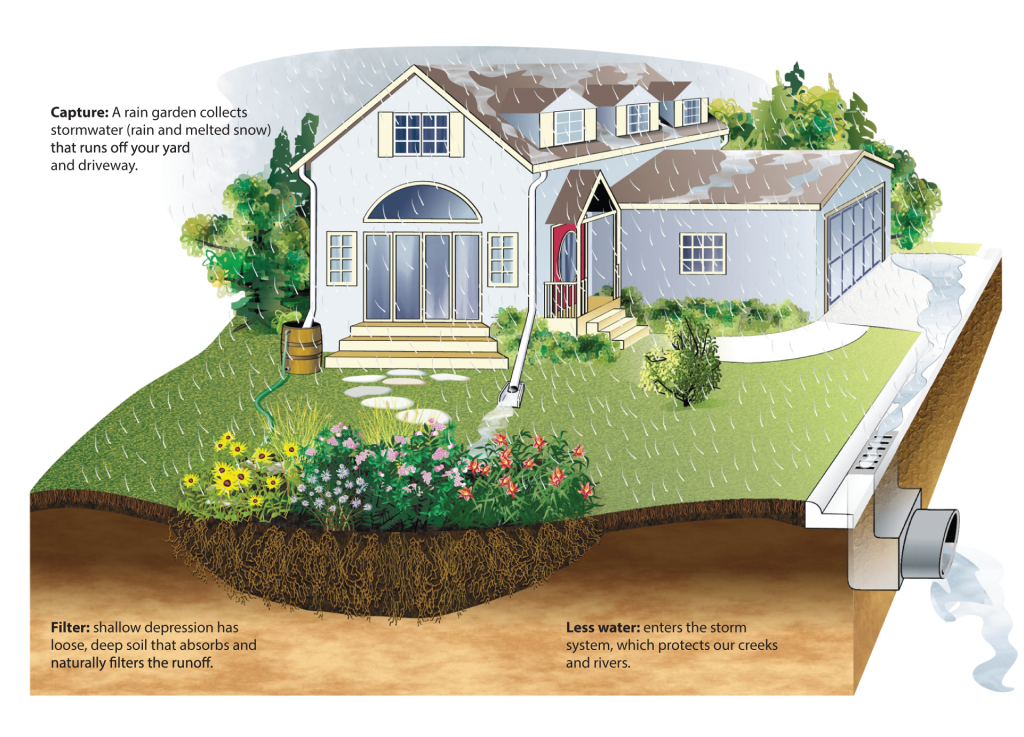
Rain gardens are a creative way to utilize natural runoff while reducing soil erosion. These gardens are intentionally designed to collect and absorb rainwater from roofs, driveways, and other impervious surfaces. Layered with native plants that thrive in wet conditions, rain gardens can diminish surface runoff and offer a habitat for local fauna. In essence, they not only act as a buffer against erosion but also enhance biodiversity by attracting beneficial insects and pollinators.
8. Practicing No-Till Gardening
Implementing a no-till gardening approach can be a pivotal change for soil health and erosion prevention. Traditional tilling can disrupt soil structure, compacting it and leaving it more susceptible to erosion. No-till methods, which involve minimal soil disturbance, help to preserve the vital layers of organic matter and microbial life. Instead of turning over the soil, gardeners can apply compost and mulch on top, allowing plants to flourish without compromising the soil’s stability.
9. Managing Water Runoff
Careful management of water runoff significantly influences soil erosion characteristics in home gardens. Homeowners can landscape their yards to direct excess water to where it can be absorbed rather than eroding the soil. Techniques like creating berms, swales, or using permeable pavers on walkways can channel water effectively and minimize its velocity, thus reducing the potential for erosion. Installing downspouts that distribute water away from slopes is another effective tactic.
10. Regular Soil Testing
Understanding soil health through regular soil testing is fundamental in maintaining a resilient garden. Gardeners are encouraged to test their soil for pH, nutrient levels, and organic matter content. Having this data aids in making informed decisions about which plants to grow, what amendments might be necessary, and how to manage water effectively. Healthy soil is less prone to erosion due to improved structure and fertility, creating a self-sustaining ecosystem.
By combining these comprehensive methods with the previously discussed practices, home gardeners can build a robust approach to soil erosion control. This not only enhances the garden’s longevity and productivity but also nurtures the interconnected ecosystem within their backyards, underscoring the importance of sustainable gardening in the face of environmental challenges.
DISCOVER MORE: Click here to learn about the benefits of predatory insects
Conclusion: Embracing Soil Erosion Control for Thriving Gardens
In summary, addressing soil erosion in home gardens requires a multifaceted approach that incorporates a variety of best practices. From the implementation of cover crops and mulching to establishing retaining walls and rain gardens, each strategy plays a critical role in maintaining soil integrity and preserving its health for future generations. The benefits of these practices extend beyond mere erosion control; they foster a vibrant ecosystem that supports a diverse array of plant and animal life.
Moreover, as homeowners embrace no-till gardening, prioritize water runoff management, and engage in regular soil testing, they create a holistic environment that enhances soil fertility and structure. Such actions not only protect the physical landscape but also contribute to the overarching goal of sustainability within our communities.
With increasing environmental challenges and the pressing need for sustainable landscaping solutions, understanding and applying these best practices becomes essential. By investing time and effort into effective soil erosion control methods, gardeners can cultivate not only a resilient garden but also a legacy of environmental stewardship that inspires others. As individuals continue to educate themselves on these practices, our collective impact on soil health and biodiversity can strengthen, ensuring flourishing gardens for years to come.

Linda Carter
Linda Carter is a gardening writer and home-growing specialist who helps beginners cultivate thriving home gardens. With extensive experience guiding new gardeners through plant selection and sustainable growing techniques, she shares practical gardening strategies on our platform. Her goal is to empower readers with actionable advice and step-by-step strategies to successfully grow their own food and create beautiful, productive gardens at home.