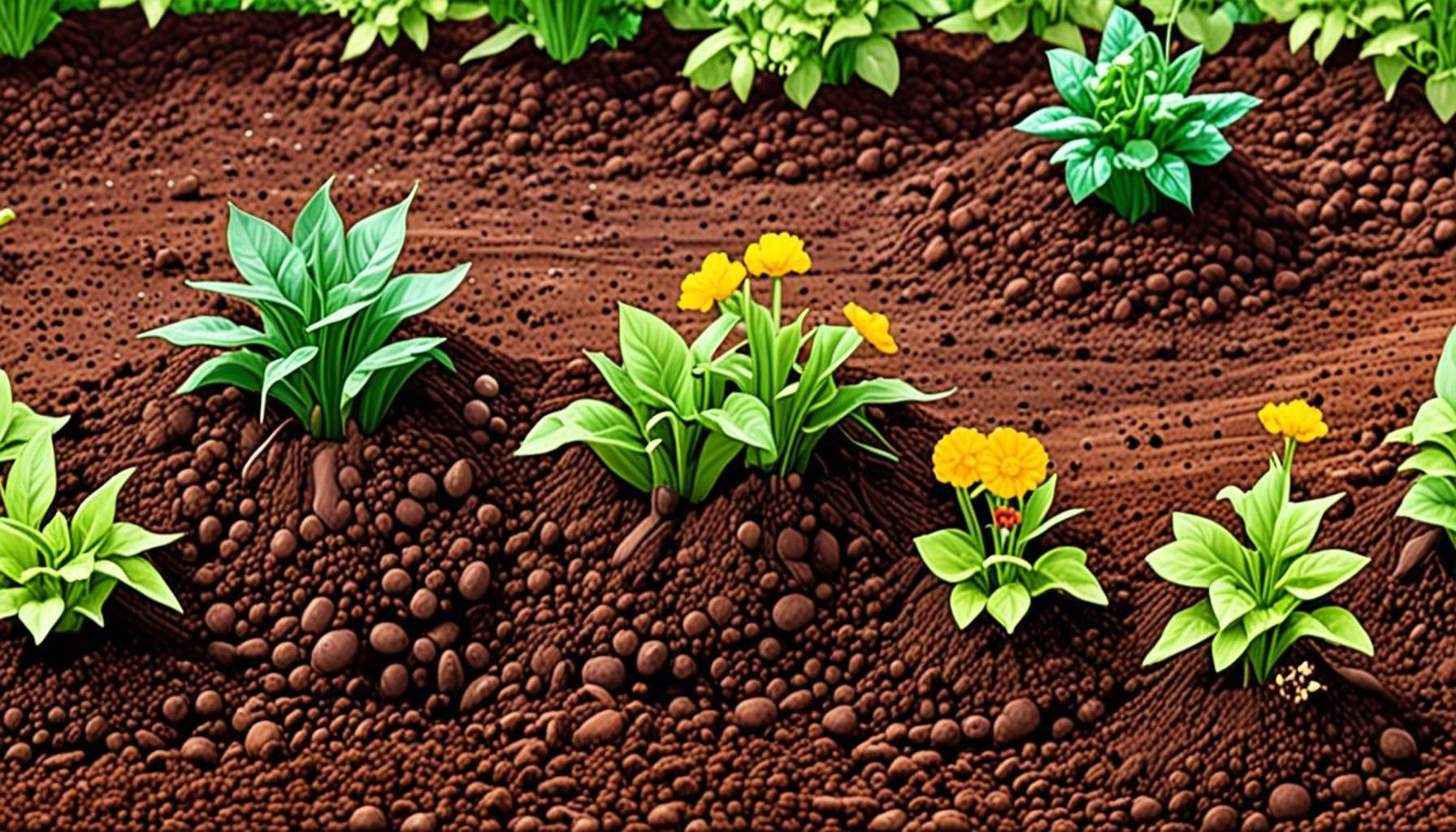
The Benefits of Earthworms in Soil Preparation for Home Gardens
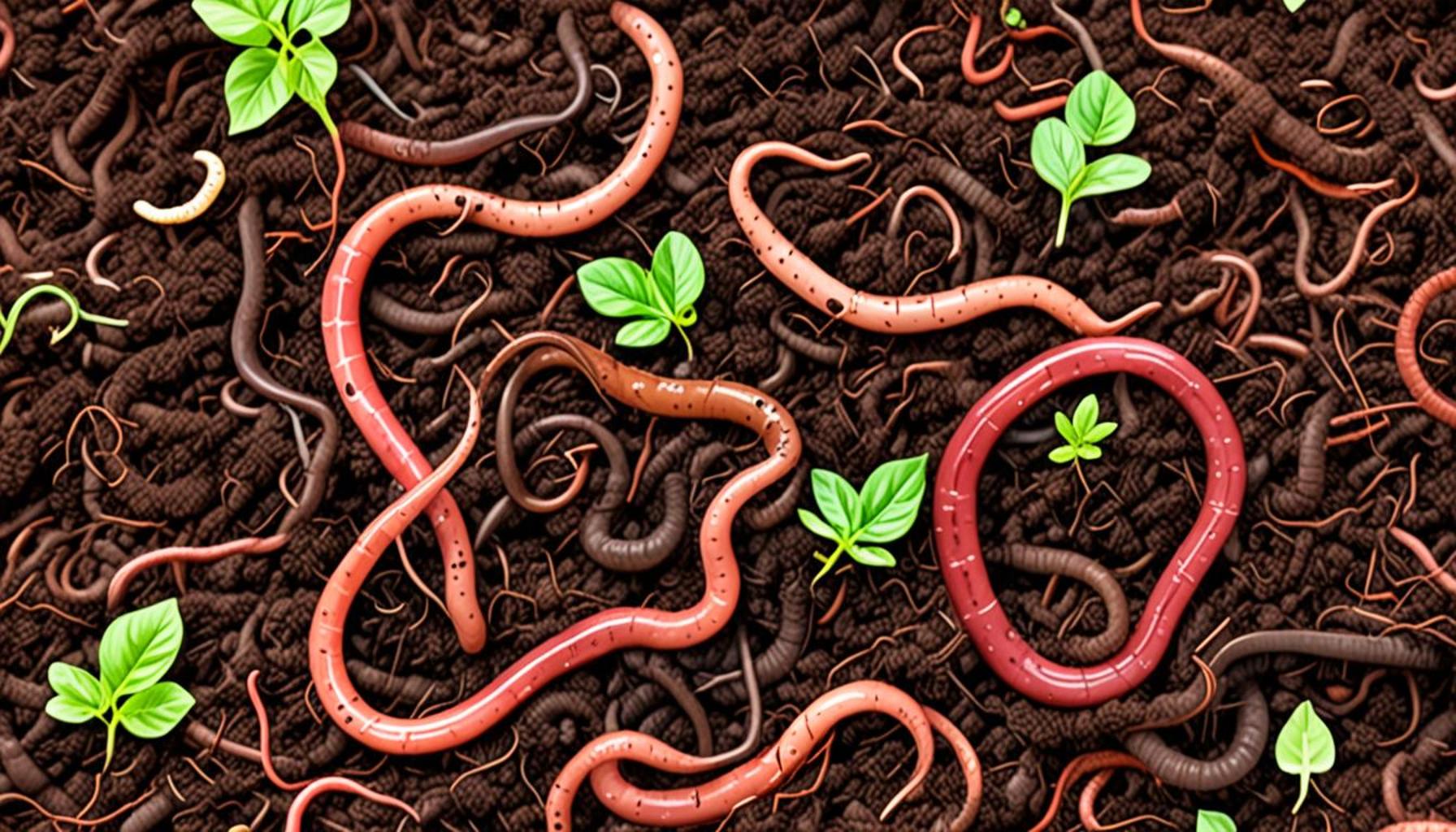
The Unsung Heroes of Your Backyard
In the world of gardening, achieving the perfect balance of soil health is the foundation for success. Among the myriad elements that contribute to soil health, earthworms stand out as remarkable organisms that can drastically transform your garden’s soil quality. They thrive in dark, moist environments and are often found beneath the surface, working tirelessly and often unnoticed. However, their contributions are profound and far-reaching, significantly impacting the entire ecosystem of your home garden.
Why Earthworms Matter in Your Garden
The benefits of incorporating earthworms into your gardening practices extend beyond mere curiosity. Their interaction with soil results in several crucial advantages that can lead to a flourishing garden. Here’s a closer look at these compelling benefits:
- Improved Soil Structure: As earthworms burrow through the soil, they create a complex network of channels that facilitates better aeration and drainage. This improved structure not only allows for easier movement of air but also ensures that water can penetrate deeply, reducing runoff and fostering better moisture retention. For instance, a loamy soil enriched with earthworm activity can hold more water compared to sandy or clay-heavy soils.
- Nutrient Cycling: Earthworms digest organic matter, breaking it down into nutrient-rich castings, also known as worm poop. These castings are filled with essential nutrients such as nitrogen, phosphorus, and potassium—elements vital for plant growth. Research has shown that gardens with a healthy earthworm population often yield more robust vegetables and flowers, showcasing the critical role these creatures play in sustainable agriculture.
- Enhanced Microbial Activity: The presence of earthworms promotes a thriving community of microbes in the soil. Their castings provide a nutrient-dense environment that supports the growth of beneficial microorganisms, which further improve soil fertility and support plant health. This microbial activity helps decompose organic matter and supports nutrient uptake, making it easier for plants to absorb what they need to thrive.
Integrating Earthworms Into Your Gardening Routine
Introducing earthworms to your garden can be as simple as using worm composting bins or vermiculture systems, where you can raise them indoors or in a small outdoor space. Additionally, creating a compost pile full of organic kitchen waste such as vegetable scraps can naturally attract these beneficial creatures to your garden.
By enhancing soil health through the integration of earthworms, gardeners may witness healthier plants with increased resilience against pests and disease, leading to a rewarding gardening experience. So, as you plan your next gardening project, consider these unsung heroes of the soil—they may be the missing piece in your quest for a bountiful garden.
DIVE DEEPER: Click here to learn about the benefits of predatory insects</p
Transformative Traits of Earthworms
The wonders of earthworms extend far beyond their unassuming appearance. These humble creatures play an integral role in enhancing soil functionality, creating an ideal environment for plants to flourish in home gardens. Understanding how earthworms contribute to soil preparation will empower gardeners to harness their benefits effectively, creating lush and vibrant spaces right in their backyards.
Improved Soil Structure and Drainage
Earthworms are often considered the architects of the soil. As they tunnel through it, they create an intricate network of voids that allow air and water to flow freely. This natural aeration is particularly crucial for enhancing soil drainage—a benefit that is invaluable for gardeners in regions prone to heavy rainfall. When soil has adequate drainage, it alleviates the risks of root rot and fosters healthier plant growth. For home gardeners looking to improve the texture of compacted soils, simply encouraging earthworm activity can yield remarkable results.
Nutrient-Rich Castings
The digestive processes of earthworms convert organic matter into a nutrient powerhouse. Their castings, rich in nitrogen, phosphorus, and potassium, serve as an ideal natural fertilizer. Research from agricultural studies highlights that plants nourished with worm castings exhibit improved growth rates and flowering capabilities. Additionally, the nutrient release from these castings is gradual, providing sustained nourishment to plants. For gardeners seeking a sustainable alternative to chemical fertilizers, integrating earthworm castings into their soil preparation can significantly boost plant health.
Soil Microbial Support
Earthworms also play a pivotal role in enhancing microbial life in the soil. Their presence fosters a number of symbiotic relationships with beneficial microbes that contribute to overall soil fertility. The microorganisms in soil enriched by earthworm activity aid in decomposing organic materials, breaking down complex substances into simpler forms that are readily available for plant uptake. This symbiotic relationship bolsters the resilience of your garden, as these beneficial microbes can help suppress plant diseases and improve nutrient absorption during critical growth phases.
Natural Soil Amendments
Another benefit of promoting earthworm populations in your garden is their ability to act as natural soil amendments. Earthworms enhance soil fertility by mixing organic matter thoroughly throughout the substrate. This natural process promotes the even distribution of nutrients, leading to increased soil homogeneity. Home gardeners who wish to transition to a more organic approach can start by incorporating green manures or compost to attract earthworms, which will in turn improve soil health over time.
Home gardens, whether small backyard plots or larger community spaces, can thrive with the introduction of earthworms. As these diligent organisms continue their life cycle beneath the surface, they ensure your plants receive the best possible foundation to grow. By understanding and appreciating the multifaceted role of earthworms, you can leverage their benefits, paving the way for a flourishing garden.
| Advantages | Description |
|---|---|
| Soil Aeration | Earthworms naturally create channels in the soil, enhancing air circulation and allowing roots to access crucial nutrients. |
| Nutrient Recycling | Earthworms digest organic matter, breaking it down into nutrient-rich castings that improve soil fertility and health. |
| Moisture Retention | Earthworm activity improves the soil’s ability to retain moisture, reducing the need for frequent irrigation and helping plants thrive. |
| Organic Matter Breakdown | Earthworms accelerate the decomposition of organic matter, enhancing soil structure and promoting microbial activity. |
Earthworms play a critical role in the ecosystem of home gardens by enhancing soil quality and plant growth. They are often referred to as «nature’s plow» due to their ability to naturally aerate the soil, thus promoting healthier plant development. Moreover, their castings are rich in nitrogen and phosphorus, essential for robust plant health. Additionally, the action of earthworms helps in moisture retention within the soil, ensuring that plants receive a steady water supply. The organic matter they break down enriches the soil, leading to an increase in microbial life which is vital for a balanced garden ecosystem. As a result, incorporating these remarkable creatures into your garden can yield substantial benefits, making them indispensable allies in your gardening journey.
DISCOVER MORE: Click here for eco-friendly pest control tips
Earthworms: The Unsung Heroes of Soil Health
As essential players in the ecosystem, earthworms not only transform the soil but also enhance its ability to sustain a diverse array of plant life. Beyond their ability to improve soil structure and enrich it with nutrients, these creatures promote a thriving environment that benefits both plants and gardeners alike. Let us delve deeper into the multifaceted contributions of earthworms to ensure an optimal garden experience.
Enhancement of Soil pH
Another advantage of encouraging earthworm populations in home gardens is their ability to naturally modify soil pH. Earthworms help to neutralize acidic soils by breaking down organic matter while also excreting calcium carbonate through their castings. A balanced pH level is crucial for nutrient availability, as many essential minerals become less accessible to plants in highly acidic or alkaline soil conditions. By promoting a healthier pH balance, earthworms facilitate better nutrient absorption, which contributes to overall plant vigor and productivity.
Soil Erosion Control
Earthworms’ tunneling actions also play a significant role in combating soil erosion. By creating and maintaining their burrows, earthworms aid in anchoring the soil particles together, which helps to reduce runoff and erosion. This is particularly beneficial in sloped garden beds or areas susceptible to heavy rainfall. As gardeners increasingly face the challenge of climate change, protecting soil from erosion becomes paramount. Integrating earthworms into soil preparation is a sustainable strategy to combat degradation while preserving the integrity of garden spaces.
Soil Temperature Regulation
Surprisingly, earthworms also affect soil temperature, which is a critical factor for seed germination and plant health. The tunnels created by earthworms allow for better air circulation and moisture retention, which can help moderate soil temperature fluctuations. This thermal regulation can create a warmer environment during cooler months, promoting early seedling growth and providing a more stable habitat for beneficial organisms. For home gardeners aiming to extend their growing seasons, the presence of earthworms can prove to be an invaluable ally.
Encouragement of Biodiversity
The presence of earthworms is indicative of a healthy soil ecosystem, which indirectly encourages greater biodiversity. A thriving earthworm population signifies ample organic matter and favorable conditions, making it a haven for a variety of other beneficial soil organisms, including beneficial insects and microbes. This rich diversity is essential for creating a balanced garden ecosystem that helps to naturally regulate pests and diseases. By cultivating a soil environment enriched by earthworms, gardeners will foster relationships that benefit their plants in ways that synthetic fertilizers simply cannot replicate.
Stimulation of Plant Root Development
Lastly, the benefits of earthworms stretch to enhancing plant root development. The castings and tunnels they create not only supply essential nutrients but also encourage roots to penetrate deeper into the soil, searching for water and nutrients. This deeper root growth can help plants withstand drought conditions better, as they access moisture reserves not available to shallow-rooted plants. For gardeners in arid regions or those who experience fluctuating rainfall, fostering earthworm habitats can lead to stronger, more resilient plants.
Through their multitude of contributions, earthworms emerge as indispensable allies in the quest for healthy gardens. Their abilities to enhance soil health and contribute to an enriched growing environment highlight the importance of embracing these remarkable organisms for anyone engaged in home gardening.
DIVE DEEPER: Click here for seasonal pest management tips
Conclusion
In the intricate world of gardening, earthworms stand out as beneficial allies that contribute significantly to soil preparation and overall garden health. Their remarkable ability to enrich soil nutrients, enhance pH balance, regulate temperature, and combat erosion is paramount for gardeners seeking sustainable practices. By partnering with these tireless creatures, home gardeners not only boost their plants’ resilience but also foster a rich biodiversity that aids in natural pest control and disease resistance.
As we navigate the challenges of modern gardening amidst climate change, understanding the multifaceted benefits of earthworms becomes increasingly essential. From promoting deeper root systems that support water and nutrient absorption to enhancing soil structure that facilitates airflow and moisture retention, these organisms are invaluable for cultivating thriving gardens. With awareness of their positive impact, gardeners can adopt practices that encourage earthworm populations, leading to healthier, more productive growing environments.
In light of these insights, integrating earthworms into soil preparation is not just a gardening trend, but a sensible and efficient strategy for anyone looking to improve their home garden. By nurturing these unsung heroes, we pave the way for lush, sustainable landscapes that yield vibrant crops and flowers while reducing reliance on chemical fertilizers. To unlock the full potential of your garden, embrace the presence of earthworms and discover the transformative effects they can bring to your soil.

Linda Carter
Linda Carter is a gardening writer and home-growing specialist who helps beginners cultivate thriving home gardens. With extensive experience guiding new gardeners through plant selection and sustainable growing techniques, she shares practical gardening strategies on our platform. Her goal is to empower readers with actionable advice and step-by-step strategies to successfully grow their own food and create beautiful, productive gardens at home.