When and How to Water: The Complete Guide to Healthy Houseplants
The Importance of Understanding Houseplant Watering
Houseplants can transform any space, bringing life and beauty indoors. However, many plant owners struggle with one crucial aspect: watering. This fundamental task can make or break your plants’ health and is essential for cultivating a thriving indoor garden.
To ensure your houseplants thrive, it’s essential to grasp the nuances of watering. Here are some key points to consider:
- Watering Frequency: Different plants have different needs. Some, like peace lilies and pothos, may require daily watering, particularly in the summer heat. In contrast, succulents and cacti thrive with a much more infrequent schedule, benefiting from a thorough soaking every two to three weeks. Understanding the specific moisture requirements of each plant type is the first step toward successful care.
- Soil Type: The type of soil you use plays an integral role in how well your plants retain moisture. Well-draining soils, such as a mix of potting soil and perlite or sand, are vital for many species. This prevents overwatering, which can lead to root rot, a crucial concern for indoor gardeners.
- Environmental Factors: Light, humidity, and temperature all contribute to how often you should water your plants. For instance, if your indoor space receives ample sunlight or is equipped with heating, your plants may dry out faster and require more frequent watering. Conversely, a cooler, shadier environment may allow for less frequent hydration.
Determining the right time and technique for watering your plants extends beyond simple survival; it directly influences their growth and vitality. Observing seasonal changes can also yield insights into their hydration needs. During the growing season in spring and summer, for example, most indoor plants tend to be more active, necessitating more frequent watering. On the other hand, many plants enter dormancy in the fall and winter, where reduced light and cooler temperatures call for less frequent hydration.
In the following sections, we will explore best practices, tools, and tips that can enhance your watering strategy. Utilizing a moisture meter can aid in accurately gauging soil moisture and help you avoid guesswork. Additionally, observing leaf color and soil indications can offer visual cues about your plant’s needs.
Equipped with the right knowledge, you can embark on a journey to create a lush, vibrant indoor garden. Mastering the art of watering not only ensures your plants will flourish, but it can also lead to a more rewarding and enjoyable gardening experience.
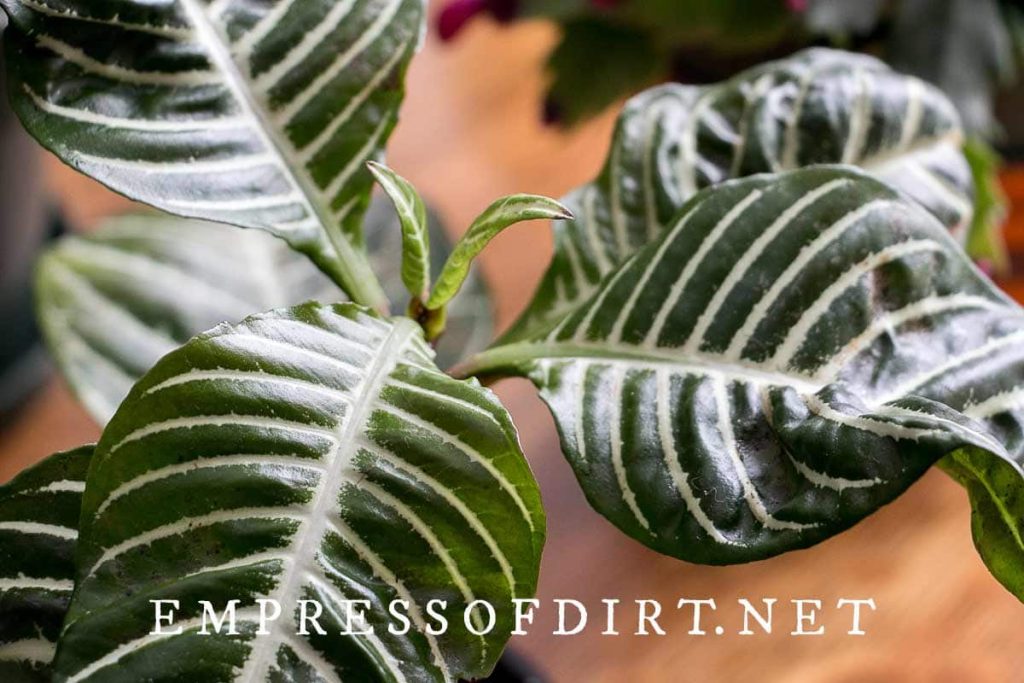
LEARN MORE: Click here to discover the impact of water quality on your garden
Timing Your Watering: The Key to Plant Health
Watering your houseplants may seem straightforward, but finding the right schedule can be a complex puzzle. The timing of watering is heavily influenced by a combination of factors, including plant type, season, and individual environmental conditions. Understanding these variables will allow you to provide tailored care for each of your beloved houseplants.
Understanding Plant Watering Needs
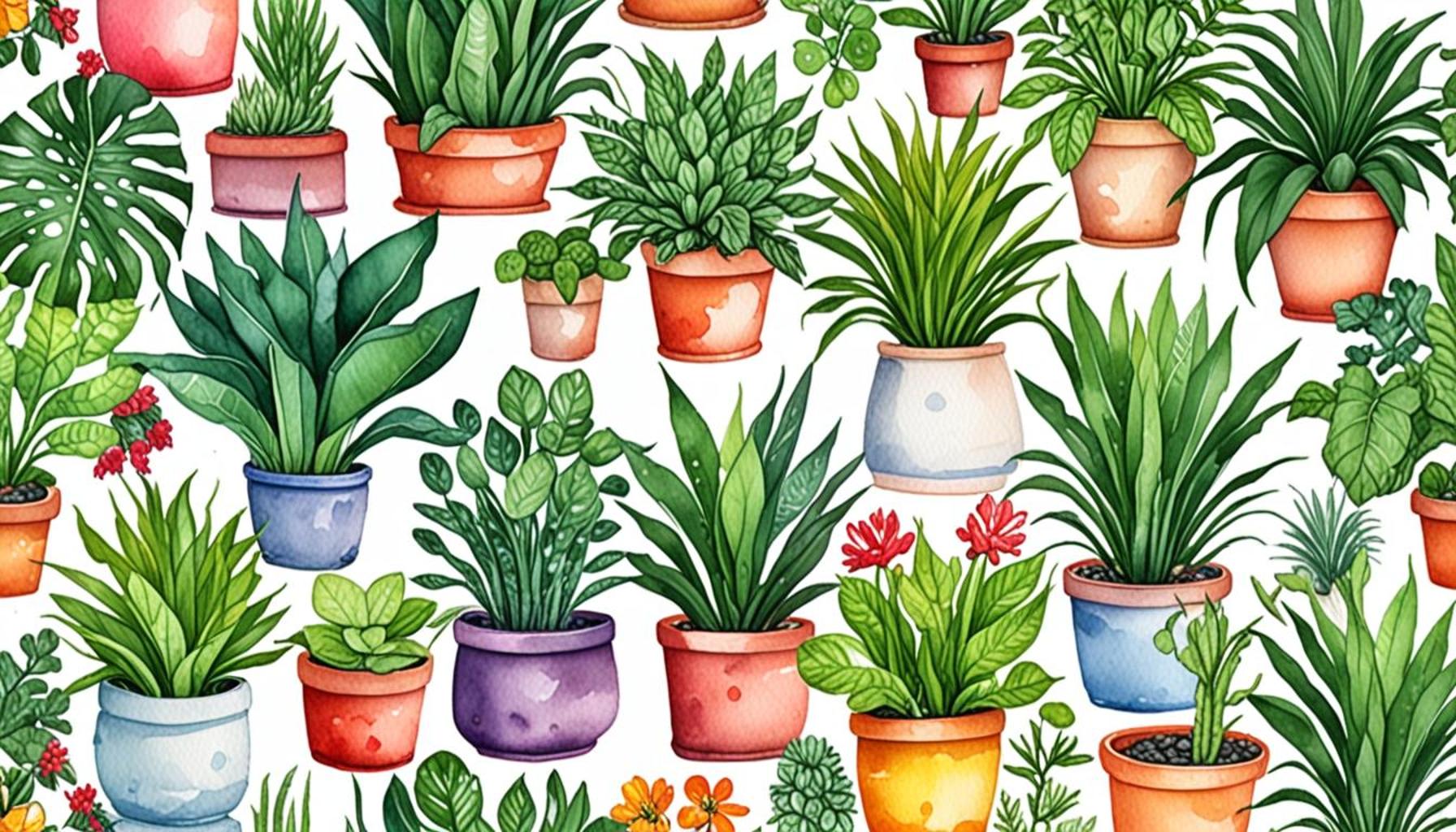
At the heart of effective plant care is familiarizing yourself with the specific needs of each species. Some general categories can guide you:
- Low Water Needs: Plants like succulents and snake plants thrive on minimal water. They are adapted to survive in arid conditions and typically require watering only when the soil has completely dried out.
- Moderate Water Needs: Varieties such as pothos and spider plants like to be kept evenly moist. These plants benefit from regular monitoring to ensure they don’t dry out too much, especially during their active growing season.
- High Water Needs: Tropical plants like ferns and peace lilies prefer consistently damp soil. A schedule of frequent watering may be necessary, particularly in the warmer months when humidity levels drop.
By learning about your plants’ specific moisture requirements, you can better gauge when they need watering, preventing common issues like overwatering and underwatering.
Seasonal Considerations
As the seasons change, the needs of your plants will also shift. During the growing season in spring and summer, most houseplants will be actively photosynthesizing and developing, which often translates to increased hydration needs. Conversely, with the arrival of fall and winter, many plants enter a restful phase, thus requiring less water.
It’s useful to adjust your watering rituals in sync with seasonal changes. Here are some suggestions:
- Spring and Summer: Check your plants weekly, as this is typically when they will benefit from more frequent watering due to active growth.
- Fall and Winter: Reduce your watering frequency, observing your plants every two weeks or even less for those that are particularly dormant during colder months.
Remember that light conditions can also impact how quickly the soil dries out. If your houseplants are in a brightly lit area, be prepared to increase your watering frequency. On the flip side, plants in low light may not require watering as often.
Being sensitive to these changes not only helps maintain plant health but also enhances the overall aesthetics of your indoor space. As you refine your watering schedule through observation and adaptability, you will likely notice a marked improvement in your plants’ vitality and appearance.
As we delve deeper into practical watering techniques and troubleshooting common issues, expect to discover strategies that can further elevate your indoor gardening experience. Mastering when to water is not merely about plant survival; it is crucial for cultivating a flourishing indoor environment.
Understanding the Watering Needs of Different Houseplants
When it comes to keeping your indoor garden thriving, understanding the specific watering needs of your houseplants is crucial. Each type of plant has a unique thirst level—some prefer to dry out completely between waterings, while others thrive in consistently moist conditions. For example, succulents and cacti are adapted to desert conditions and require infrequent watering, whereas tropical plants like ferns appreciate a more humid environment and regular moisture.Utilize tips about soil moisture by checking the top inch of soil; if it feels dry, it’s typically time to water. Additionally, consider the potting mix used—some retain moisture better than others. Make a habit of observing the condition of your plants and their leaves. Yellowing leaves can be a sign of overwatering, while wilting leaves may indicate underwatering.
Signs Your Plant is Thirsty
Observing the subtle indicators that your houseplant requires watering is essential for its health. Some common signs include droopy leaves, dry soil pulled away from the pot edges, and a general loss of vigor. Understanding these signals allows you to promptly address your plant’s needs and avoid detrimental consequences.Experiment with a routine that corresponds not only to the plant species but also to the season. During warmer months, factors such as increased light and temperature may cause plants to consume water more rapidly. Therefore, staying vigilant and adapting your watering schedule accordingly can significantly improve the vitality of your houseplants. Timely adjustments pave the way to a flourishing indoor garden.
Essential Watering Methods
Watering methods vary widely—from deep soaking to bottom watering—which can help different types of plants thrive. Deep soaking involves thoroughly watering the plant, allowing for sufficient moisture penetration, which is especially important for deep-rooted varieties. Conversely, bottom watering, where pots are placed in water to absorb gradually through drainage holes, is ideal for delicate plants that are sensitive to top watering. This method can also prevent soil compaction and ensure even moisture distribution.Consider using rainwater or distilled water where possible, as tap water may contain chemicals that can be harmful to some plants. Additionally, using a moisture meter can offer a reliable way to gauge when to water, especially if you are prone to overwatering or underwatering.In summary, learning the intricacies of watering your houseplants is a journey that can lead to lush foliage and colorful blooms. By adapting to the individual needs of your plants and monitoring signs of distress, you can become an adept caretaker of your indoor greenery. Happy watering!
DISCOVER MORE: Click here to learn about resilient plants
Techniques for Effective Watering
Once you’ve grasped the timing of when to water your houseplants, the next key aspect is mastering how to water effectively. Proper watering techniques ensure that plants receive the moisture they need without the risk of damaging their roots or creating a breeding ground for pests. With the right methods, you can maximize the health and beauty of your indoor garden.
Choosing the Right Tools
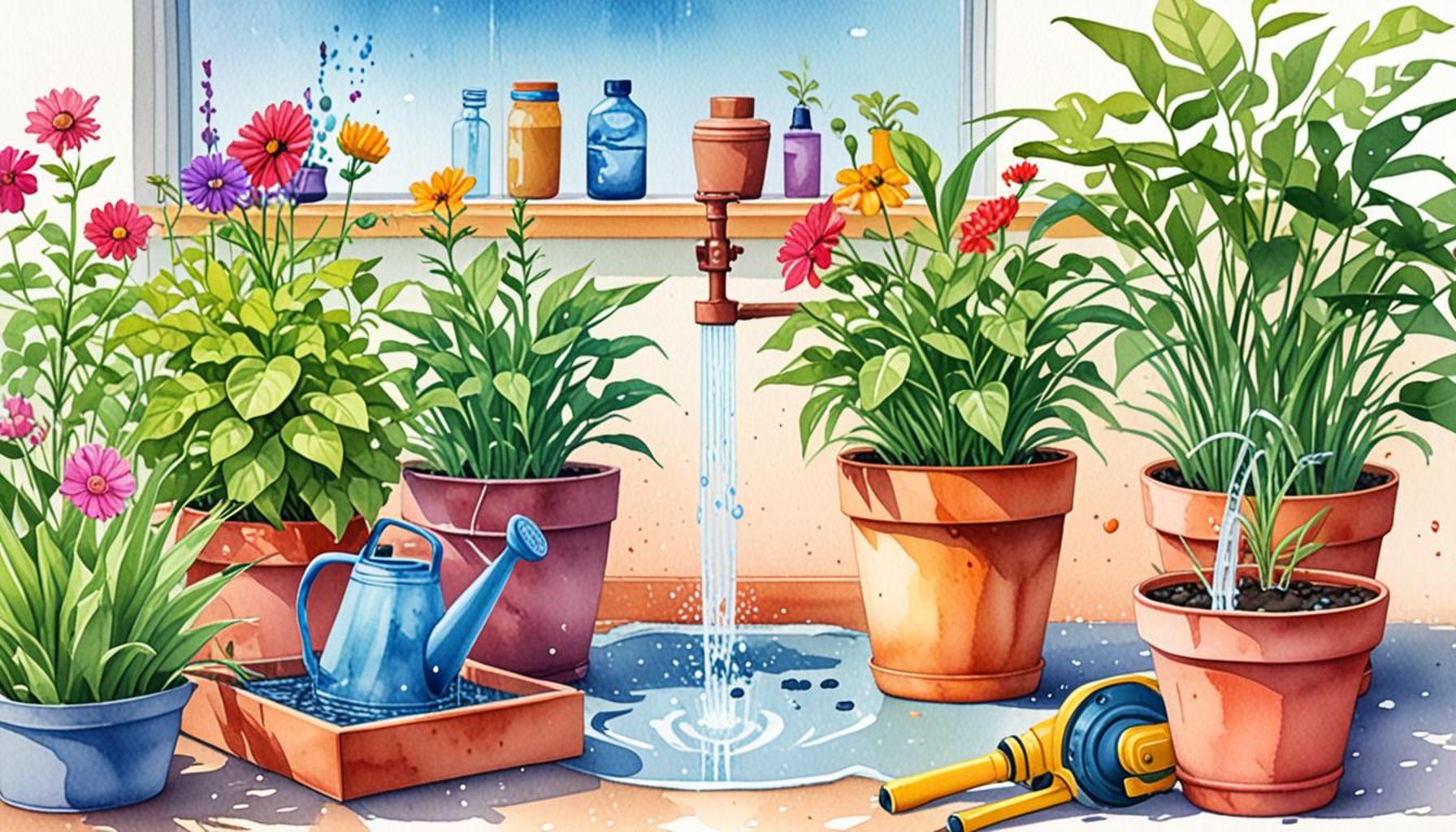
Your watering can be as essential as the water itself. Invest in a watering can with a narrow spout for precision. This allows you to direct the flow of water directly to the soil, minimizing spillage and keeping the leaves dry. For larger plants, consider utilizing a hose attachment or a watering wand designed for potted plants, enabling comfortable reach and greater control.
The Soak and Dry Method
One effective approach for many houseplants is the soak and dry method. This involves thoroughly saturating the soil until water flows out of the drainage holes at the bottom of the pot. It’s crucial to let the soil dry out before watering again, as this method prevents root rot and promotes healthier root development. Here’s how to implement it:
- Step 1: Ensure your plant is in a pot with adequate drainage holes.
- Step 2: Water the plant deeply until moisture seeps from the bottom.
- Step 3: Wait until the top 2-3 inches of soil feels dry before watering again.
Such a practice not only encourages a robust root system but also keeps your plants thriving and resilient.
Water Temperature and Quality
Did you know that the temperature and quality of the water you use can significantly impact your plants? Cold water can shock plant roots, while chlorine and other chemicals found in tap water may build up in the soil over time. For this reason, many plant enthusiasts suggest using room temperature water that has been allowed to sit out for 24 hours. This allows any harmful chemicals to evaporate while bringing the water to a more suitable temperature for your green companions.
Signs Your Plant is Thirsty
Knowing when to water can sometimes be tricky, even with practice. Observe the leaves and soil as visual cues for your plant’s hydration status:
- Wilting Leaves: If the leaves droop or become soft, your plant may be reaching out for water.
- Crispy Leaf Edges: Brown, dry edges often indicate underwatering, signaling a desperate need for hydration.
- Soil Texture: Check for a dry, cracked surface or hard, compacted soil, which are telling signs that the plant requires immediate watering.
In addition to these indicators, consider investing in a soil moisture meter for a scientific approach to measuring soil humidity. This handy tool can help take the guesswork out of watering, ensuring you provide the optimal environment for your houseplants.
With these strategies in hand, you’re well on your way to creating an inviting and nurturing space for your houseplants to flourish. Adopting the right watering techniques, monitoring seasonal changes, and understanding your plants’ signs can elevate your indoor gardening experience, allowing you to connect even deeper with your living decor.
DIVE DEEPER: Click here to discover innovative wicking irrigation techniques
Conclusion: Cultivating a Thriving Indoor Garden
In the journey to create a lush indoor oasis, understanding when and how to water your houseplants is vital. Armed with knowledge about proper watering techniques, suitable tools, and the signs of plant distress, you can significantly enhance the vitality of your green companions. From recognizing when to use room temperature water to implementing the soak and dry method, each step you take contributes to building a healthier environment for your plants.
Moreover, remember that each plant species has unique needs, often dictated by their native habitats. Therefore, adaptation is key. Investigate details about the specific requirements of your plants, and consider factors such as ambient humidity, temperature fluctuations, and seasonal changes. Innovations like soil moisture meters can serve as reliable aids in adjusting your watering habits accordingly, ensuring you never over or under-water.
As you cultivate your indoor garden, embrace the evolving relationship with your plants—learning their preferences, recognizing their thirst, and observing their growth. By infusing your home with healthy, thriving houseplants, you not only enhance your living space but also foster an atmosphere of tranquility and natural beauty. Armed with the complete guide to healthy houseplants, you now have the tools needed to flourish in your indoor gardening endeavors. Dive deeper into plant chemistry, explore various species, and discover the delightful yet intricate world of houseplant care. Happy gardening!