Using Raised Beds for Optimal Soil Preparation in Small Spaces
Maximizing Small Gardening Spaces with Raised Beds
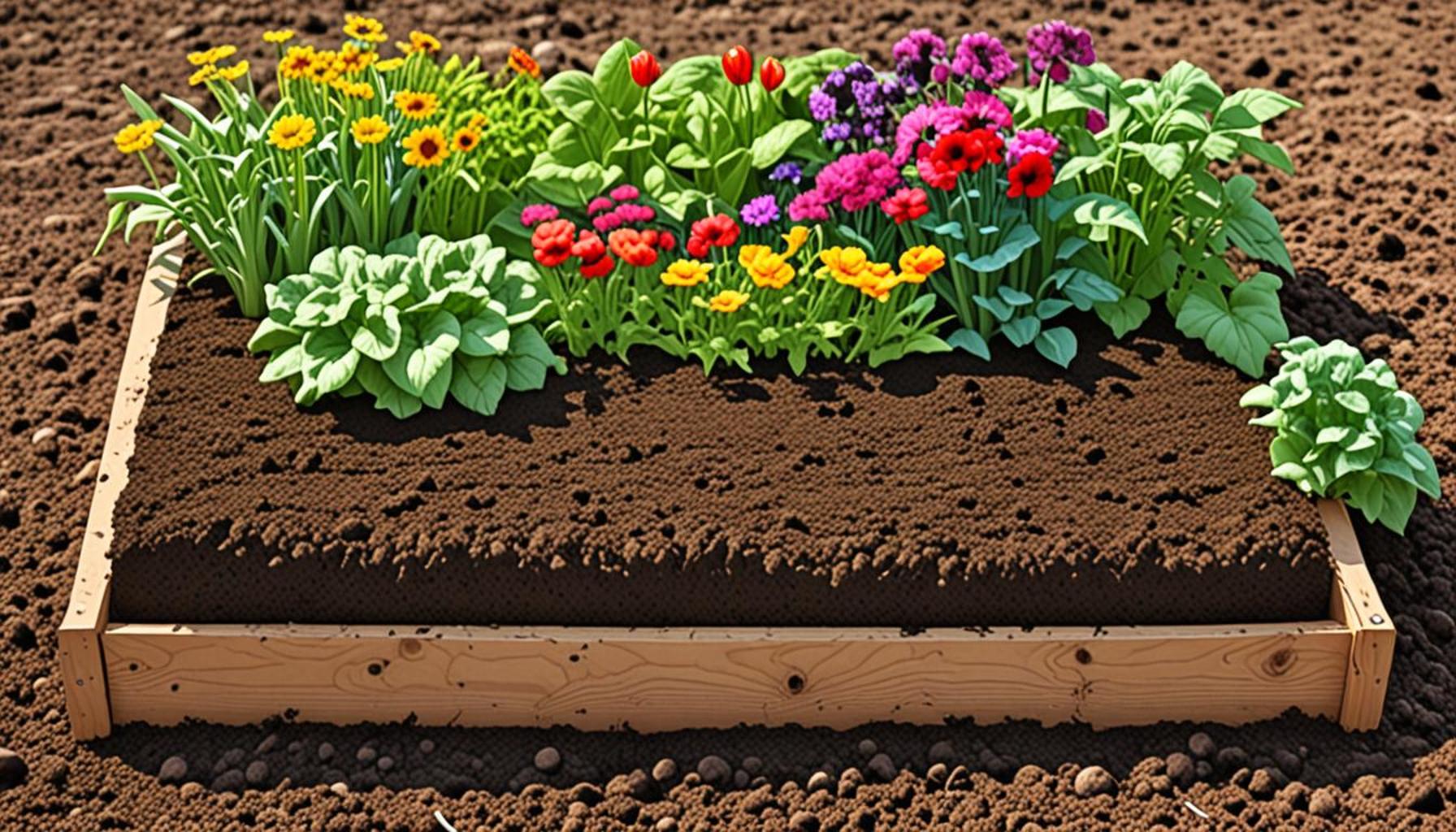
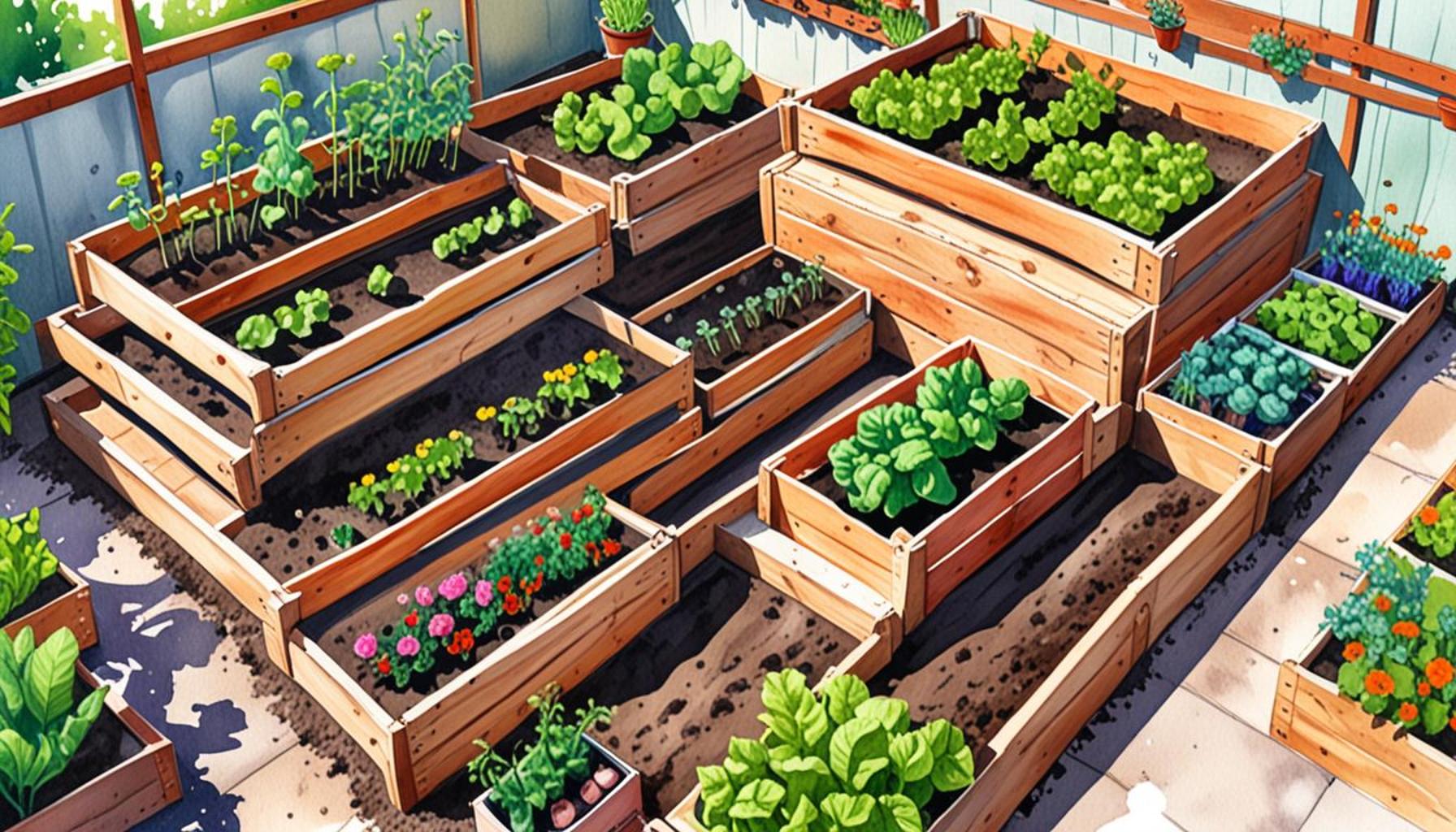
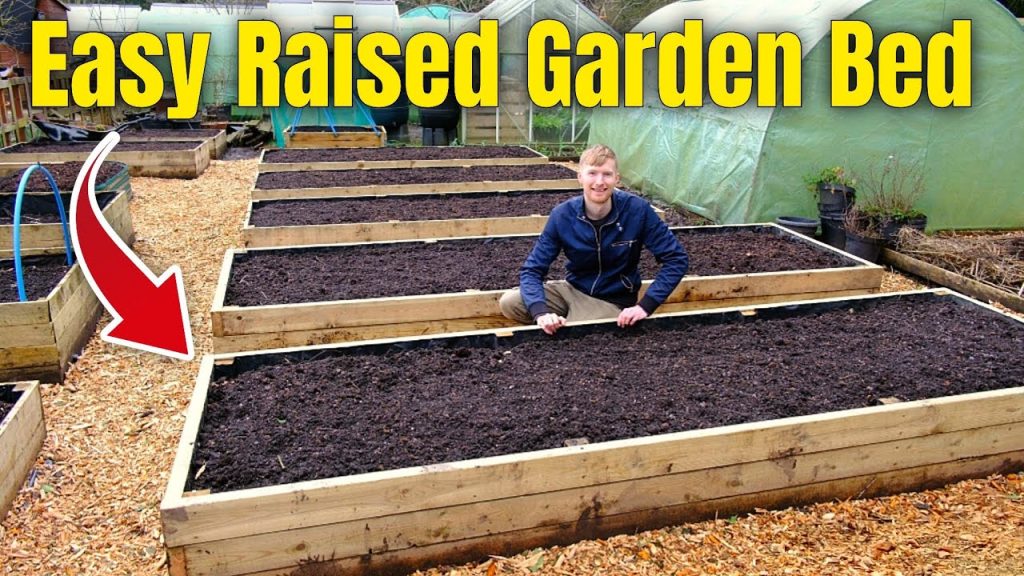
For urban gardeners or those dealing with limited backyard areas, raised beds present an innovative solution. These structures not only maximize your gardening area but also enhance your soil preparation, leading to healthier plants and greater yields. They offer an elevated space that optimizes various environmental factors, providing the perfect setting for a variety of plants.
When it comes to gardening in small spaces, the advantages of raised beds are extensive. Consider the following benefits:
- Improved Drainage: Raised beds allow for better water runoff, preventing waterlogged soil. This is especially critical in regions where heavy rainfall is common. The elevation of the soil enhances drainage and aeration, encouraging stronger root systems.
- Enhanced Soil Quality: You can customize the soil mix, ensuring it meets the specific needs of your plants. For example, mixing compost with topsoil creates nutrient-rich conditions that can lead to robust growth. This is particularly beneficial for growing organic vegetables, as the right mix can naturally enhance flavor and nutrition.
- Accessibility: Gardeners can plant, maintain, and harvest with ease, reducing physical strain. This is a particularly valuable benefit for elderly gardeners or those with physical limitations, as raised beds can be constructed at a comfortable height to minimize bending or kneeling.
All these factors contribute to fostering a thriving garden, even in limited spaces. From urban balconies to small backyards, raised beds provide an effective platform for gardening enthusiasts to cultivate a variety of vegetables, herbs, and flowers. For instance, a small 4′ x 4′ raised bed can easily accommodate a selection of tomatoes, peppers, and basil. The visual appeal and organized structure of raised beds also enhance the aesthetic beauty of any urban garden, making them popular features in community gardening projects across the United States.
As you delve deeper into the world of raised bed gardening, you’ll discover various methods for setting up and maintaining these beds. Understanding how to prepare your soil optimally will be essential for achieving the best results. For example, layering your raised bed with cardboard at the bottom can suppress weeds while allowing beneficial organisms to thrive. Additionally, utilizing companion planting techniques can enhance growth and repel pests—sage and rosemary, for instance, can benefit nearby vegetable plants.
In summary, raised beds are an innovative solution for maximizing small gardening spaces. With their numerous benefits, these structures can transform a limited area into a productive garden sanctuary, providing both beauty and bounty for eager gardeners.
DIVE DEEPER: Click here to discover more
Essential Steps for Preparing Your Soil in Raised Beds
To achieve a thriving garden within the confines of your small space, optimal soil preparation is critical. Raised beds not only provide excellent drainage and accessibility but also allow for tailored soil conditions that can significantly influence plant health and productivity. So, how do you ensure your raised bed soil is prepared for success? Here are crucial steps to follow:
- Choose the Right Location: Before you even begin filling your raised bed, take the time to assess your space. Position your bed in an area that receives at least 6 to 8 hours of sunlight per day. Good air circulation is also vital, as it helps prevent mold and diseases in your plants.
- Layering Technique: Build your raised bed with a foundation that promotes health. Start by adding a layer of coarse materials like straw or small branches at the bottom. This will aid in drainage and encourage beneficial microbes. Follow this with a layer of carbon-rich material, such as dried leaves, before adding your topsoil.
- Soil Mix Components: The ideal raised bed soil consists of a mix that balances organic matter, nutrients, and texture. A common ratio is one part topsoil, one part compost, and one part peat moss or coconut coir. This combination helps retain moisture while offering the necessary drainage.
- Test Your Soil: Although you have control over your soil mixture, conducting a soil test can still inform you about the pH levels and nutrient content. Many local extension services provide testing, which can lead to tailored amendments that boost soil fertility.
- Aeration Techniques: Aerate your soil by gently mixing it with a garden fork or tiller, ensuring that air pockets exist within the layers. This is vital for root growth and overall plant health.
In addition to these foundational steps, consider incorporating mulching to enhance moisture retention and control weeds. A layer of organic mulch, such as straw or shredded leaves, can help to maintain consistent soil temperature and moisture levels, which is particularly important in hotter climates or during prolonged dry spells.
As you embark on your raised bed gardening adventure, remember the benefits extend beyond just your plants. Engaging in the soil preparation process encourages a deeper understanding of your garden’s ecosystem, fostering a more rewarding gardening experience. By following these preparation steps, you’re not just filling a box with dirt; you’re creating an optimal environment that nurtures your plants from the ground up. This thoughtful approach can revolutionize your gardening efforts in small spaces, yielding a bountiful harvest right from your backyard or balcony.
Understanding the Advantages of Raised Beds
Raised beds have emerged as a popular solution for gardening enthusiasts, particularly in limited spaces. Utilizing them for optimal soil preparation brings multiple benefits that cater to the needs of both novice and experienced gardeners. The distinct nature of raised beds not only enhances the quality of soil but also creates a more manageable and efficient gardening experience.
| Category | Advantages |
|---|---|
| Enhanced Drainage | Raised beds allow excess water to drain more effectively, preventing root rot and ensuring that plants thrive, particularly in small spaces where water accumulation can be an issue. |
| Soil Quality Control | By filling raised beds with rich, ideal soil mixtures, gardeners can create a custom environment that maximizes growth potential and minimizes weeds. |
With raised beds, the gardener has better control over the soil composition, leading to improved plant health and productivity. These benefits, combined with their ease of access, make raised beds an ideal choice for urban gardening and those with mobility challenges. With an increase in the popularity of small space gardening, understanding the functionality and advantages of raised beds can turn traditional gardening practices into a more fruitful and enjoyable endeavor.
DIVE DEEPER: Click here to learn about the importance of soil testing
Enhancing Soil Quality with Amendments and Technique
While laying the groundwork for your raised bed garden is essential, enhancing soil quality through various amendments and techniques can elevate your gardening game. In small spaces where every inch counts, knowing how to optimize your raised bed soil can significantly improve the yield and health of your plants. Here’s how:
- Incorporate Organic Matter: In addition to compost, consider adding well-rotted manure or worm castings to your soil mix. These organic materials enrich the soil with essential nutrients and beneficial microorganisms, fostering a balanced ecosystem. Research indicates that organic matter can improve soil structure and help retain moisture while providing a slow release of nutrients to your plants.
- Utilize Cover Crops: Even in raised beds, incorporating cover crops can be a beneficial technique. Plants like clover or vetch can be grown in the off-season, then tilled back into the soil to improve fertility and aeration. This practice not only fine-tunes the soil quality but also adds resilience against erosion, particularly in small garden plots.
- Use Natural Mulches: Besides retaining moisture, organic mulches can break down over time, enriching the soil. Choose materials like pine needles, grass clippings, or shredded bark. These options provide nitrogen or other nutrients, thereby enhancing your soil’s fertility without relying solely on chemical fertilizers, which may harm beneficial organisms.
- Regular Replenishment: Over time, raised bed soil can deplete in nutrients due to plant growth and harvests. Regularly replenishing the soil every season with fresh compost and organic matter keeps nutrient levels high. Consider rotating crops each year, which allows you to balance nutrient usage and prevent soil nutrient depletion.
- Implement Drip Irrigation: Efficient watering is another aspect of optimal soil preparation. By employing drip irrigation systems, you can ensure your plants receive consistent moisture directly to their roots. This not only conserves water but also minimizes the risk of over-saturation that can lead to root rot or nutrient leaching.
Moreover, it’s crucial to monitor your soil’s health continuously. Regularly check for pH levels and nutrient density using home soil-testing kits. Amend your soil accordingly with lime or sulfur to adjust pH, ensuring your plants can access the right nutrients. This proactive approach allows you to make informed decisions that directly impact productivity in your compact space.
Embracing Vertical Gardening Techniques
In response to space constraints, vertical gardening can synergize wonderfully with raised bed preparation. Vertical structures, such as trellises or vertical planters, maximize growing space while allowing you to utilize premium soil. This method not only enhances air circulation around plants but also minimizes pest issues, as upward growth often deters ground insects.
Furthermore, growing vertically in raised beds can lead to greater exposure to sunlight, enabling plants to photosynthesize more efficiently. Popular vertical-friendly crops include tomatoes, peas, cucumbers, and even certain squash varieties. This strategy can be especially beneficial for urban gardeners who face smaller gardening areas but desire significant yields.
In small-space gardening, the journey towards optimized soil preparation is both an art and a science, rooted in thoughtful practices and continual learning. By incorporating these techniques and strategies, you’re setting the stage for not only thriving plants but a flourishing gardening experience overall. With the right preparation and care, even modest plots can yield a spectacular bounty, transforming a small area into a verdant oasis.
DIVE DEEPER: Click here for essential pest control tips
Conclusion: Cultivating Success in Small Spaces
In conclusion, using raised beds for optimal soil preparation not only maximizes productivity in limited spaces but also allows for greater control over soil quality, leading to healthier plants and abundant yields. By enhancing soil quality through organic matter, cover crops, and natural mulches, you create a rich ecosystem that nurtures the plants while being mindful of the environmental impact. Regularly replenishing nutrients and monitoring soil health ensures that your raised beds remain vibrant and fertile year after year.
Integrating vertical gardening techniques adds another layer of creativity to small-space gardening. This method optimizes every square inch, allowing you to grow more than you ever thought possible. The combined approach of meticulous soil preparation and vertical growth strategies creates a dynamic gardening experience, making it feasible to cultivate a diverse range of crops, even in urban environments.
Ultimately, the path to flourishing growth in small spaces lies in informed decision-making and the willingness to experiment. As you apply these practices to your own raised bed gardens, embrace the beauty of learning through trial and error. Your small gardening plot can become a testament to how nutrient-rich soil and innovative techniques, when applied together, can yield a spectacular bounty. So roll up your sleeves, dive into the world of raised bed gardening, and watch as your compact space transforms into a lush, productive oasis.