
Digital Transformation and Sustainability: How Technology is Changing the Environmental Landscape
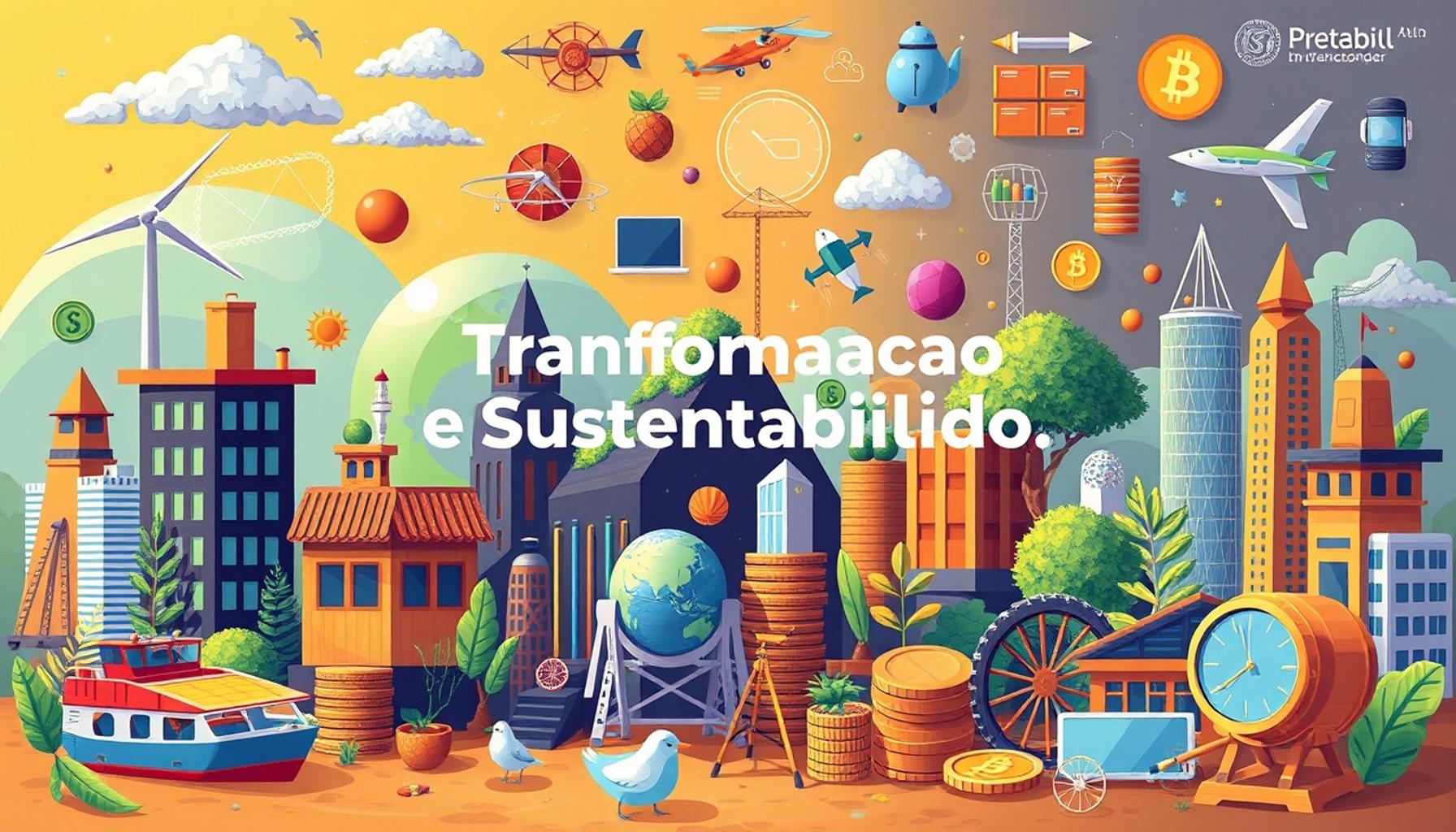
Understanding the Role of Technology in Promoting Sustainability
As environmental issues become increasingly urgent, the synergy between technology and sustainability is essential for crafting a resilient future. The urgency of climate change and resource depletion calls for innovative approaches, and digital transformation stands out as a powerful catalyst for sustainable practices. This transformation not only reshapes traditional business models but also enhances our capacity to care for and engage with the environment.
To illustrate the impact of technology on sustainability, let’s delve deeper into a few compelling examples:
- Smart Energy Management: One of the most significant advancements in energy sustainability comes from smart energy management systems. These advanced software applications use real-time data analytics to monitor energy consumption patterns in buildings. For instance, commercial buildings equipped with smart thermostats and sensors can optimize heating and cooling schedules based on occupancy, significantly reducing energy waste. Companies like Google are leading the charge, utilizing AI to analyze energy usage in their data centers, ultimately saving millions of dollars while minimizing their carbon footprint.
- IoT for Conservation: The Internet of Things (IoT) plays a pivotal role in wildlife conservation and environmental monitoring. Devices connected through IoT can collect vast amounts of data that help track endangered species, monitor ecosystems, and protect natural resources. For example, wildlife organizations use GPS collars on animals to study migration patterns and behaviors, which aids in developing effective conservation strategies. In the United States, tools like remote camera traps have revolutionized how researchers collect data on animal populations, leading to better-informed decisions regarding habitat protection.
- Sustainable Agriculture: Agriculture is another sector experiencing profound changes through technology. Precision farming employs sensors, drones, and satellites to analyze soil health, moisture levels, and crop conditions. By using these insights, farmers can optimize their inputs, such as water and fertilizers, leading to reduced waste and a smaller carbon footprint. For example, many farms in California have adopted these technologies to improve water efficiency, thereby combatting the severe droughts impacting the region.
These examples reflect how technology fosters sustainability in diverse sectors. By integrating digital tools, businesses not only enhance their operational efficiency, but they also play a critical role in promoting environmental stewardship. Individuals and organizations alike must recognize and embrace this interconnectedness to pave the way for a sustainable future.
In exploring the interplay between digital transformation and sustainable practices, we reveal numerous pathways that benefit both businesses and the environment. From reducing operational costs to promoting healthier ecosystems, the road ahead looks promising as technology continues to evolve, providing innovative solutions for pressing global challenges.
DIVE DEEPER: Click here to learn more
Transformative Technologies Driving Sustainability
As we explore the intersection of digital transformation and sustainability, it becomes clear that technology is more than just a tool; it is a vital ally in the quest for a sustainable future. By leveraging advanced technologies, organizations can not only improve their operational efficiency but also contribute positively to environmental conservation. Here are some of the transformative technologies fostering sustainability across different sectors:
- Cloud Computing: Embracing cloud technology allows businesses to operate using shared resources instead of local servers, significantly reducing energy consumption. For instance, by moving operations to the cloud, companies can drastically lower their energy costs and carbon emissions. A report by the Cloud Sustainability Coalition indicated that transitioning to cloud computing could cut global carbon emissions by a range of 1.2 to 2.0 gigatons by 2025, illustrating the massive potential for impact.
- Renewable Energy Technologies: Innovations in renewable energy generation, such as solar panels and wind turbines, have made sustainable energy sources more accessible and affordable. In the United States, the solar industry has grown rapidly, supported by falling costs and advancements in technology. Companies like Tesla and First Solar are making strides in solar energy storage, allowing users to maximize their solar investments while promoting cleaner power usage.
- Artificial Intelligence (AI) and Machine Learning: AI and machine learning enable businesses to analyze large datasets to gain insights that lead to more sustainable practices. For example, in the manufacturing sector, companies can optimize production processes to minimize waste and energy use. A classic example is General Electric (GE), which utilizes AI algorithms to forecast maintenance needs in their turbines, reducing downtime and enhancing energy efficiency.
- Blockchain Technology: Blockchain offers enhanced transparency and traceability in supply chains, empowering consumers to make informed choices regarding product sustainability. By tracking products from source to shelf, businesses can ensure ethical sourcing practices and reduce their carbon footprint. Firms in the fashion industry, for instance, are increasingly utilizing blockchain to verify the sustainable origin of materials, promoting ethical consumerism.
These technologies exemplify how digital transformation provides innovative solutions to age-old sustainability challenges. As organizations adopt such technologies, they not only improve their bottom lines but also actively engage in practices that protect our planet. In this way, technology facilitates a shift towards a circular economy, where resource use is optimized, and waste is minimized.
Understanding the multifaceted role of these transformative technologies is crucial in motivating businesses and individuals to embrace sustainability as a core value rather than just an optional practice. The blend of technology and eco-friendly initiatives is setting new standards for success and accountability, ultimately paving the way for a healthier environment.
DISCOVER MORE: Click here to dive deeper
The Role of Data and Analytics in Driving Sustainable Practices
Data has become an invaluable asset in the digital age, and its role in promoting sustainability cannot be understated. With the advent of sophisticated analytics tools, organizations are now capable of leveraging vast amounts of data to improve their environmental impact and make informed decisions. Here are several ways in which data and analytics are transforming sustainability efforts:
- Smart Energy Management: Companies are increasingly utilizing data analytics to optimize energy consumption. By deploying smart meters and sensors, organizations collect real-time data on energy use across their facilities. This data enables them to identify patterns, such as peak usage times, and implement strategies to reduce energy waste. For example, the global tech firm Google has adopted AI-based algorithms to manage its energy costs across data centers, achieving a 15% decrease in energy consumption.
- Predictive Maintenance: The maintenance of equipment and machinery is crucial for operational efficiency and sustainability. With predictive analytics, businesses can anticipate equipment failures before they occur, thereby reducing downtime and resource wastage. For instance, manufacturing companies like Siemens use predictive maintenance capabilities to ensure machinery runs smoothly, preventing unnecessary repairs and the environmental impact associated with machine breakdowns.
- Sustainable Supply Chain Management: Effective data management allows businesses to scrutinize their supply chains comprehensively. By employing data analytics tools, organizations can assess the environmental footprints of their suppliers and make decisions that align with their sustainability goals. A prominent example is Unilever, which leverages data to evaluate suppliers based on their environmental impact, guiding investment in more sustainable practices.
- Carbon Footprint Tracking: One of the significant challenges for businesses seeking to reduce their environmental impact is accurately measuring their carbon footprints. Technology enables companies to gather detailed data on emissions at every stage of their operations. Tools like the Carbon Trust’s Footprint Calculator can help companies assess their operational emissions and identify areas for improvement, empowering them to take measurable action toward sustainability.
This data-driven approach is pivotal in fostering a culture of accountability within organizations. Having access to precise information regarding energy use, emissions, and supply chain practices empowers businesses to make conscious choices, setting sustainability as a core target. Furthermore, it encourages collaboration, as companies can share their findings and strategies, driving innovation across industries.
As we advance in this digital era, the emphasis on data and analytics will only grow. By capitalizing on these insights, organizations are better equipped to tackle pressing environmental challenges. Institutions that commit to integrating data-driven strategies into their sustainability practices often find themselves at the forefront of the green revolution, pushing the envelope on what it means to be environmentally responsible.
Ultimately, the intersection of big data and sustainability creates a proactive approach where businesses can enhance their environmental stewardship. By harnessing the potential of data analytics, organizations are not just reacting to environmental change; they are actively shaping a sustainable future for generations to come.
DIVE DEEPER: Click here to explore the future of immersion in films</p
Conclusion
In conclusion, the convergence of digital transformation and sustainability is profoundly reshaping our environmental landscape. Harnessing the power of technology, organizations are equipped with the tools they need to not only monitor their environmental impact but also implement innovative solutions aimed at reducing it. The integration of data analytics into energy management, predictive maintenance, supply chain assessment, and carbon footprint tracking illustrates how data-driven choices can lead to significant sustainability advancements.
By adopting smart energy management practices, companies can drive efficiencies that cut costs while minimizing waste. Predictive maintenance technologies not only prevent downtime but also reduce unnecessary resource consumption. Furthermore, the potential of sustainable supply chain management ensures that businesses prioritize ethical and environmentally-friendly practices at every step of their operations.
As we continue to navigate the complexities of climate change and environmental degradation, it is crucial for organizations to embrace digital tools that enable responsible practices. Each decision powered by data empowers businesses to contribute towards a greater good, fostering a culture of sustainability that extends beyond corporate walls. In a world where consumers increasingly value eco-conscious choices, companies that prioritize sustainability are better positioned for future success and public trust.
Ultimately, the integration of technology in sustainability efforts is not just beneficial; it is essential. Through commitment and innovation, the pathway laid by digital transformation encourages a collective shift towards a greener, more sustainable future that can endure for generations to come.

Linda Carter
Linda Carter is a writer and expert known for producing clear, engaging, and easy-to-understand content. With solid experience guiding people in achieving their goals, she shares valuable insights and practical guidance. Her mission is to support readers in making informed choices and achieving significant progress.