
The User Experience in Virtual Cinemas: How Innovation is Redefining Home Entertainment
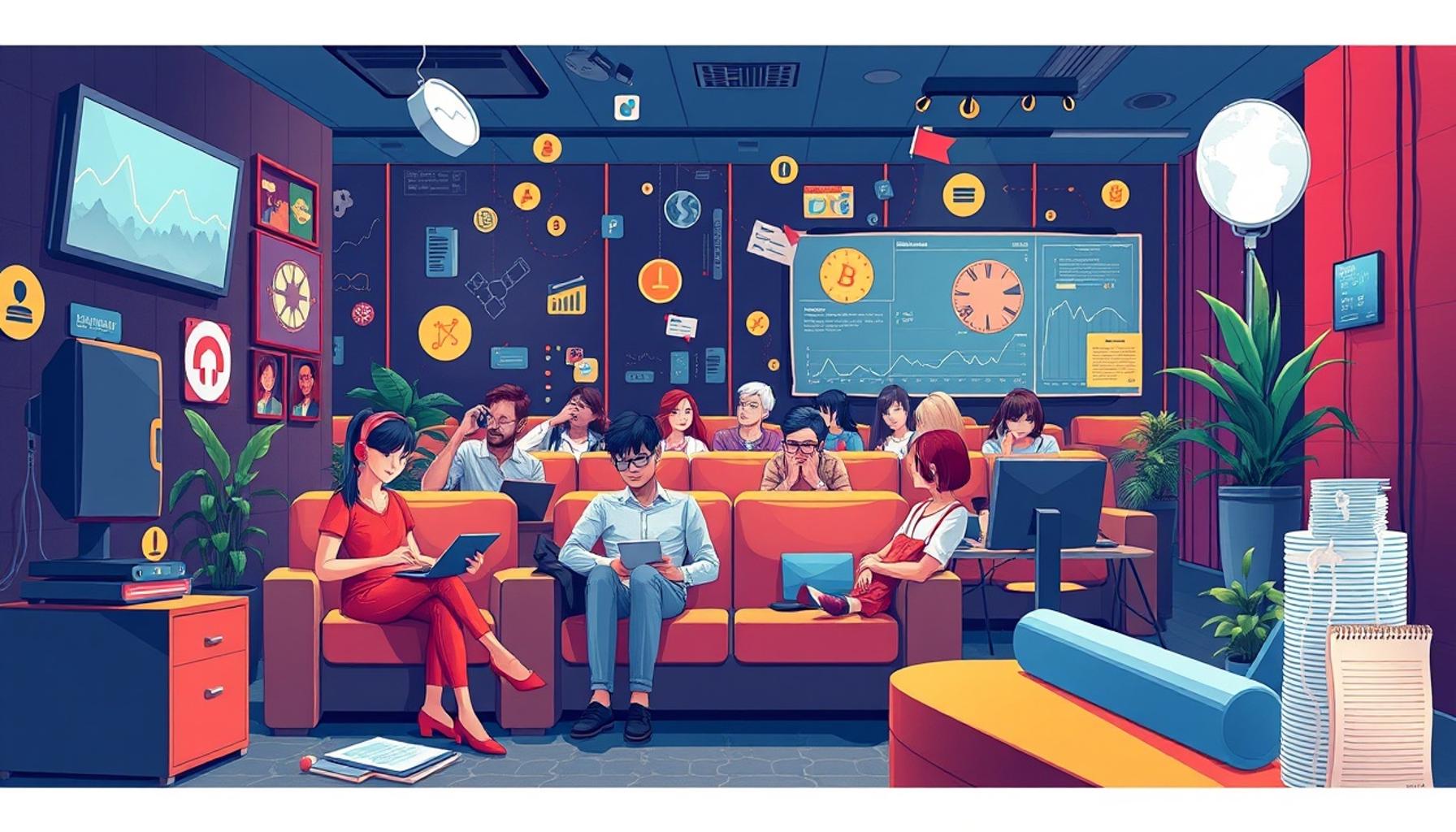
Transforming Home Entertainment
The evolution of home entertainment has been significantly influenced by technological advancements, particularly the advent of virtual cinemas. This new format allows viewers to enjoy a rich cinematic experience without needing to step out of their homes. What was once the domain of theatrical releases is now accessible via various online platforms that deliver films directly to our screens, allowing for personalized viewing experiences. This transformation has profoundly affected not only consumer habits but also the entire film industry.
Immersive Visuals
One of the most striking features of virtual cinemas is the immersive visuals they offer. With high-definition streaming and the emergence of 4K and even 8K resolution technologies, movies can be experienced with stunning clarity and vibrant colors. For instance, a film like “Dune,” which showcases breathtaking landscapes and intricate details, is elevated when viewed on a high-definition setup. The combination of advanced graphic capabilities and sound design enhances the viewer’s understanding and enjoyment of the narrative, making them feel like a part of the film’s world.
Interactive Elements
The introduction of interactive elements in virtual cinemas signifies a major shift in audience engagement. For example, films such as “Bandersnatch,” an interactive movie from the “Black Mirror” series, empowered viewers to make decisions that influenced character journeys and plot developments. This not only adds a layer of personal involvement but also invites viewers to explore different possibilities each time they watch. Such innovations appeal particularly to younger audiences who crave engaging content that allows them to co-create experiences.
Community Experiences
Another major advantage of virtual cinemas is their capacity to facilitate community experiences. Through online platforms, friends and family can gather virtually to watch a movie together, regardless of their physical locations. Services like Teleparty (formerly Netflix Party) allow synchronized streaming, making it possible for groups to share reactions in real time, much like they would in a traditional theater setting. The communal aspect of film-watching is preserved even when physically apart, nurturing social bonds and shared cultural experiences.
As we explore the intersection of technology and entertainment, it becomes clear that these advancements are redefining how we interact with content. Virtual cinemas not only enhance individual viewing experiences but also create new ways for audiences to connect with each other and with the stories being told. This evolution is paving the way for a future where home entertainment is more meaningful and engaging than ever before.
Join us as we delve further into this evolving landscape and uncover the implications for movie aficionados nationwide. Whether you’re a casual viewer or a dedicated cinephile, the future of film is undoubtedly intertwined with the advancements in virtual cinema technology.
DIVE DEEPER: Click here to learn more
Enhancing Engagement Through Innovation
In the realm of virtual cinemas, innovation is not only enhancing individual viewing preferences but also transforming how audiences engage with content. One of the most significant trends that have emerged is the incorporation of personalization. Viewers now have the ability to curate their own movie experiences based on their tastes and preferences. Streaming platforms utilize algorithms that analyze viewing habits to recommend films that align closely with individual interests. For instance, if a viewer frequently watches thrillers, the platform will prioritize recommendations that cater to that genre. This tailored approach enriches the user experience by making it easier to discover content that resonates on a personal level.
Flexible Viewing Options
Another innovative aspect of virtual cinemas is the flexibility in viewing options. Gone are the days of adhering to rigid showtimes and seating arrangements. Instead, virtual cinema platforms allow users to enjoy films according to their own schedules. This newfound freedom means that viewers can pause, rewind, or re-watch scenes at their leisure, creating a comfortable and customizable viewing environment. Whether it’s rewatching a favorite scene or taking a break during a lengthy film, the ability to control the viewing experience enhances overall enjoyment.
Quality of Sound and Vision
The technical advancements in audio and visual quality are also noteworthy factors that contribute to an immersive home entertainment experience. With the availability of smart TVs and sound systems that support surround sound, viewers can create a mini-theater setup at home. For example, the intricate soundscapes of films like “A Quiet Place” can be fully appreciated with high-quality audio systems, making the hair-raising silences and sudden sounds more impactful. Additionally, advancements such as Dolby Vision and HDR (High Dynamic Range) enrich color depth, allowing for a more vivid and lifelike picture that draws viewers deeper into the story.
The Rise of Virtual Reality
The concept of virtual reality (VR) is also beginning to take hold within the virtual cinema landscape. While still in its developmental stages, VR technology offers the potential to completely immerse the viewer in the film experience. Imagine watching a horror movie while feeling as though you are actually inside the storyline, with the ability to look around the virtual environment. Although this technology requires specific hardware, like VR headsets, its integration into home entertainment promises to open new frontiers for how films are experienced.
As these innovations continue to evolve, it’s crucial to recognize the implications they have on audience interaction with films. From creating personalized experiences to delivering high-quality audiovisual storytelling, virtual cinemas are shaping the future of home entertainment in remarkable ways. In the next sections, we will further delve into how these trends not only enrich individual viewing but also foster communal interactions among viewers.
DIVE DEEPER: Click here to learn more
Communal Experiences in a Virtual Space
While virtual cinemas primarily cater to individual viewing preferences, they also facilitate communal experiences that mimic the social aspect of traditional movie-watching. With the rise of online watch parties and synchronized viewing features, friends and family can connect and enjoy films together, even from different locations. Services like Netflix Party (now Teleparty) allow groups to stream the same content simultaneously, complete with a live chat feature for sharing reactions and comments in real-time. This capability bridges the gap between the solitude of home viewing and the communal enjoyment of a cinema experience.
Interactive Features Enhancing Engagement
Moreover, innovation in virtual cinema technology has led to the introduction of interactive features that engage viewers beyond passive observation. Some platforms have started integrating gamification elements, such as quizzes or polls, during films, enabling viewers to participate in the storytelling process. For example, interactive films like “Bandersnatch” not only invite users to make choices for the main character but also spark discussions among viewers about the decisions made. This unique engagement brings a new level of excitement and community, as participants can share their experiences and choices afterward.
Accessibility and Inclusivity
Alongside enhancing the social component, virtual cinemas are also championing accessibility and inclusivity. Subtitles, audio descriptions, and language options enable a broader audience to engage with content. For instance, viewers who are deaf or hard of hearing benefit from clear subtitles, while those with visual impairments can enjoy films through detailed audio descriptions that narrate key visual elements. Furthermore, virtual cinema platforms are starting to introduce more diverse content, ensuring underrepresented groups see themselves reflected in the stories being told, which fosters a more inclusive viewing environment.
Embracing Cutting-Edge Technology
The evolution of cutting-edge technology in virtual cinemas is not limited to audio and visual enhancements. Features such as augmented reality (AR) are gaining traction, where elements of the film can appear in the viewer’s environment via a mobile device or AR headset. For example, imagine watching a sci-fi movie and simultaneously seeing the spacecraft zoom past your living room. Such integration not only amplifies the entertainment value but also differentiates the content in a competitive market filled with traditional films.
The growing presence of blockchain technology in the virtual cinema sphere also warrants attention. Platforms that utilize blockchain can offer a more secure viewing environment by ensuring that content is both authentic and traceable. This prevents piracy and fosters a legitimate way to support filmmakers, ultimately leading to a richer variety of content available to subscribers.
As these innovations become more commonplace, they are redefining user experiences in virtual cinemas by blending advanced technology with social interactivity and inclusivity. The future of home entertainment holds great promise, creating a dynamic platform where individualized enjoyment can coexist with communal participation, significantly changing how audiences engage with storytelling in the digital age.
DISCOVER MORE: Click here to learn about blockchain’s impact on film distribution
Transforming Home Entertainment through Virtual Cinemas
The rise of virtual cinemas marks a significant transition in how audiences experience films at home. By integrating communal interactions, these platforms replicate the social dynamics of traditional theaters, fostering connections among friends and family regardless of their physical location. Tools like synchronized viewing and live chat create a sense of togetherness, transforming solitary viewing into shared experiences.
Moreover, the incorporation of interactive features has taken audience engagement to a whole new level. By allowing users to make choices that influence storylines or participate in discussions, virtual cinemas encourage a more immersive form of storytelling that resonates with viewers. Additionally, the commitment to accessibility and inclusivity ensures that diverse audiences can enjoy films comfortably and meaningfully, emphasizing the importance of representation in media.
The convergence of cutting-edge technology further enhances these experiences, introducing elements like augmented reality and blockchain for security and authenticity. As viewers can interact with content in ways never before imagined, the line between viewer and participant continues to blur, reshaping our understanding of entertainment.
In summary, the innovations shaping virtual cinemas are setting the stage for a revolution in home entertainment. By prioritizing social engagement, accessibility, and technological advancements, these platforms offer not just a new way to watch movies but also a holistic experience that reflects modern viewing habits and preferences. As the landscape continues to evolve, it promises to redefine how stories are shared and enjoyed, marking exciting times ahead for filmmakers and audiences alike.

Linda Carter
Linda Carter is a writer and expert known for producing clear, engaging, and easy-to-understand content. With solid experience guiding people in achieving their goals, she shares valuable insights and practical guidance. Her mission is to support readers in making informed choices and achieving significant progress.