Menu

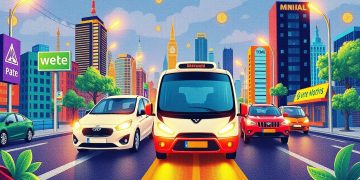
The Revolution of Autonomous Vehicles: How They Are Transforming Transportation

Autonomous vehicles are revolutionizing transportation by enhancing safety, efficiency, and accessibility. With advanced technology minimizing human error, these self-driving cars promise safer roads, reshape urban planning, and create economic opportunities. As we embrace this transformation, it is crucial to address emerging challenges to ensure a sustainable future for all.

The Role of Quantum Technology in Information Security

As cyber threats escalate, quantum technology emerges as a pivotal solution for enhancing information security. By leveraging innovative methods like quantum encryption and Quantum Key Distribution (QKD), organizations can safeguard sensitive data and ensure robust protection against breaches, ultimately reshaping the future of cybersecurity.

Digital Transformation and Sustainability: How Technology Is Redefining Business Practices

The article explores how technological integration is revolutionizing business practices through digital transformation and sustainability. Companies leverage advanced tools like data analytics and AI to enhance efficiency, optimize resource use, and reduce environmental impact, ultimately fostering a culture of responsibility while engaging consumers in eco-friendly initiatives.

The Revolution of Artificial Intelligence in Digital Transformation: The Future of Work

Artificial intelligence is transforming workplaces by enhancing efficiency and innovation across industries. Key applications include automation, data analysis, and personalization, reshaping job roles and creating new opportunities. Embracing AI necessitates reskilling and ethical considerations, ensuring a future of work that balances technology with human collaboration and equity.

The Role of Startups in Accelerating Digital Transformation in Traditional Sectors

Startups are crucial drivers of digital transformation in traditional sectors, fostering innovation through agility, cutting-edge technology, and customer-centric solutions. By collaborating with these agile companies, established businesses enhance operational efficiency, embrace new ideas, and adapt to rapid market changes, positioning themselves for long-term success in an increasingly digital landscape.

Ethical Challenges of Digital Transformation: Privacy and Data Security in the Information Era

The article explores the ethical challenges of digital transformation, focusing on privacy and data security. It highlights the importance of informed consent, the impact of data breaches on consumer trust, and emphasizes ethical data practices such as data minimization and purpose limitation to foster transparency and accountability in the information era.

Digital Transformation and Education: Preparing the Next Generation for a Connected World

Digital transformation in education reshapes learning and teaching through innovative technologies. By enhancing access to resources, fostering collaboration, and emphasizing digital literacy and STEM education, we prepare students for a connected world. Cultivating skills like problem-solving and communication is essential for their success in a technology-driven future.

Digital Transformation and Social Inclusion: Connecting Marginalized Communities to Technology

The article explores how digital transformation can foster social inclusion by connecting marginalized communities to technology. It highlights the importance of affordable internet access, digital literacy programs, community engagement, and cross-sector collaborations, emphasizing that empowering local innovators and advocating for policy changes are vital for achieving equitable digital participation.

The Rise of Generative Artificial Intelligence and its Social Implications

Generative Artificial Intelligence is revolutionizing industries and daily life, raising vital social implications concerning employment, privacy, and ethics. As job roles evolve and misinformation risks grow, clear regulations and public awareness are essential to harness its potential responsibly while fostering a society that values ethical content creation and consumption.

The Evolution of Smart Cities: How Technology is Transforming Urban Life

Urban environments are transforming through the integration of technology, creating smart cities that enhance efficiency and quality of life. Innovations in transportation, energy management, public safety, and community engagement are redefining urban living, making cities more sustainable, resilient, and responsive to residents' needs while addressing modern challenges.