The Role of Mulching in Soil Preparation for Sustainable Gardening
The Importance of Mulching in Sustainable Gardening
Mulching plays a pivotal role in the preparation and maintenance of healthy soil in any garden setting. This protective layer, typically made from organic or inorganic materials, offers multiple benefits that are crucial for gardeners who prioritize sustainability. Not only does mulching enhance the physical environment of your garden, but it also supports the broader ecosystem, making it an essential practice for environmentally-conscious individuals.
Moisture Retention
One of the primary advantages of mulching is its ability to retain soil moisture. During hot summer months, water evaporation from the soil surface can lead to dry and stressed plants. A layer of mulch, such as bark or straw, acts as a barrier, preventing moisture loss and promoting a healthier root system. For instance, studies have shown that gardens with mulch require up to 50% less watering than unmulched areas, which can significantly reduce your water bill and conserve precious natural resources.
Weed Suppression
Another significant benefit is the suppression of weeds. By laying down a thick layer of mulch, you can inhibit the growth of unwanted plants that compete for nutrients and water. Weeds thrive in bare soil, so a well-mulched garden can save gardeners countless hours of manual weeding. For example, a vegetable garden mulched with straw can deter weed growth while providing additional nutrients to the soil as it breaks down, creating a win-win situation for gardeners.
Soil Temperature Moderation
Mulch also plays a vital role in regulating soil temperature. In the heat of summer, mulch can keep the soil cooler, protecting delicate root systems from the harsh sun. Conversely, during colder months, it can help insulate roots, maintaining a more stable soil temperature. For instance, gardeners in colder regions can use heavier mulches such as wood chips in the fall to prevent soil from freezing, allowing for earlier plant growth in the spring.
Nutrient Enrichment
Organic mulches such as leaves, grass clippings, and compost not only improve soil structure but also contribute to nutrient enrichment. As these materials decompose, they release vital nutrients into the soil, helping to create a fertile environment for plant growth. This process not only enhances the soil’s organic matter content but also encourages beneficial microorganisms that play a critical role in nutrient cycling.
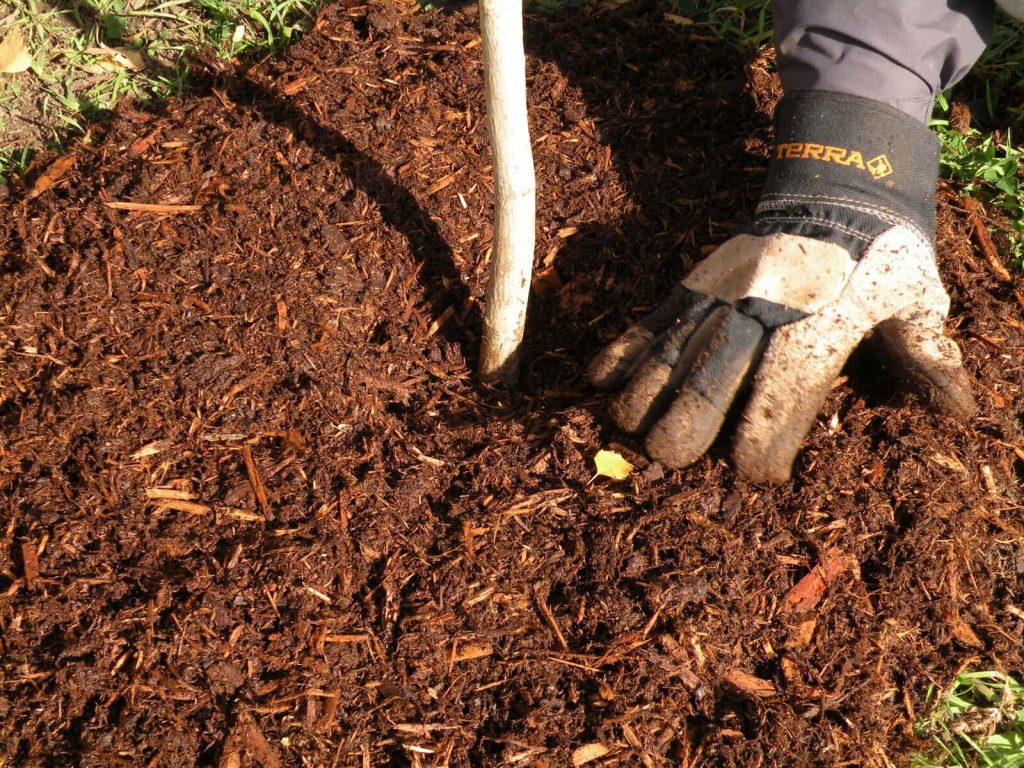
The journey into the world of mulching promotes a holistic approach to gardening. By exploring various mulching materials—from pine needles to shredded newspaper—gardeners can find tailored solutions that best suit their specific needs. Implementing these strategies not only optimizes garden productivity but significantly supports a greener planet.
By embracing mulching, you foster an ecologically sound practice that enriches your garden’s soil while safeguarding environmental integrity. This multifaceted practice is not merely an option; it is a crucial piece of the puzzle in sustainable gardening. Take a moment to consider the numerous benefits of mulching and how they can transform your gardening experience fundamentally.
DISCOVER MORE: Click here to learn about plant stress and pests
Understanding the Diverse Benefits of Mulching
When it comes to preparing soil for sustainable gardening, mulching emerges as a cornerstone practice that goes beyond mere aesthetics. By incorporating various organic or inorganic materials as mulch, gardeners can effectively enhance the ecological balance of their gardens while addressing the fundamental needs of soil health. This is especially vital in the diverse climatic conditions found across the United States, where microclimates can dramatically influence gardening outcomes.
Improving Soil Structure
One of the chief roles of mulching in soil preparation is the improvement of soil structure. Mulch provides a protective layer that helps to reduce soil compaction, allowing for better aeration and root penetration. Healthy soil is essential for robust plant growth, as it facilitates the movement of air, water, and nutrients. The incorporation of organic mulches, such as shredded leaves or wooden chips, contributes to the formation of aggregates in the soil, creating spaces for beneficial microbial activity. Research indicates that well-aerated soil can improve plant health by up to 30%, thereby boosting overall garden productivity.
Enhancing Biodiversity
Moreover, mulching fosters a thriving ecosystem in the garden. By providing habitat and shelter, different types of mulch attract beneficial organisms such as earthworms, which are essential for soil fertility. These organisms work tirelessly to improve soil texture, drainage, and nutrient availability. The presence of a diverse microbial community can enhance the resilience of the garden against pests and diseases. For instance, implementing a mix of wood chips, hay, and pine needles can create a microhabitat that encourages biodiversity among both flora and fauna, which is critical for sustainable gardening.
Types of Mulch Materials
As you consider the various advantages of mulching, it’s essential to familiarize yourself with the types of materials available. Here’s a brief overview:
- Organic Mulchs: Includes materials like straw, newspaper, grass clippings, and aged compost. These not only offer moisture retention but also decompose over time, enriching the soil with nutrients.
- Inorganic Mulchs: Comprises materials such as plastic sheeting and gravel. While these do not decompose, they are excellent for controlling weeds and require less maintenance.
- Specialty Mulchs: Includes cocoa hulls and rubber mulch, each offering unique benefits like flavor enhancement or durability.
Understanding the different types of mulch can help gardeners select the right materials tailored to their specific gardening goals. The thoughtful choice of mulch not only enhances productivity but also speaks volumes about a gardener’s commitment to sustainable practices.
As we delve deeper into the role of mulching in soil preparation, it becomes evident that this practice is more than just a cosmetic touch. It’s a fundamental strategy that intertwines with various aspects of gardening, leading to healthier plants and a more robust ecosystem.
The Role of Mulching in Soil Preparation for Sustainable Gardening
In sustainable gardening, mulching plays a crucial role, enhancing the soil’s health and structure while providing numerous environmental benefits. This practice not only conserves moisture and suppresses weed growth but also enriches the soil ecosystem. By incorporating organic materials such as grass clippings, straw, or wood chips, gardeners can create a thriving environment for beneficial microorganisms and earthworms. These organisms contribute to nutrient cycling, improving soil fertility over time.
Another significant advantage of mulching is its capacity to maintain soil temperatures. During hot summer months, a proper layer of mulch can keep the soil cooler, which is essential for the healthy growth of plants. Conversely, it can insulate the soil during winter, protecting plant roots from extreme cold. This dual benefit can lead to a more productive garden with extended growing seasons.
Additionally, mulching contributes to erosion control. By covering the soil, it reduces the impact of rainfall and wind, which can strip away topsoil. This is particularly important in slopes and areas prone to erosion. As the mulch decomposes, it forms a nutrient-rich layer atop the soil, further promoting sustainable gardening practices.
| Advantage | Description |
|---|---|
| Moisture Retention | Mulching significantly reduces evaporation, helping maintain soil moisture, which is crucial for plant health. |
| Weed Suppression | A thick layer of mulch blocks sunlight, preventing weed seeds from germinating and thus reducing competition for nutrients. |
Furthermore, mulching can serve as a natural barrier to pests, alleviating the need for chemical pesticides. Certain mulches, like cedar or pine, possess properties that deter unwanted insects while remaining safe for beneficial species. This not only promotes a balanced ecosystem but also aligns with the principles of sustainable gardening.
In conclusion, implementing mulching effectively can transform traditional gardening into a more sustainable practice. As gardeners become increasingly aware of their ecological impact, exploring mulching techniques can lead to healthier, more resilient gardens that contribute positively to the environment.
DISCOVER: Click here to learn more about soil layering techniques
Creating Effective Weed Barriers
As any seasoned gardener knows, weeds can quickly become the bane of their existence. Fortunately, mulching offers a practical solution by acting as a formidable barrier against weed growth. By covering the soil surface, mulch blocks sunlight, thus hindering seed germination and reducing competition for resources. A well-applied layer of organic mulch, typically 2-4 inches thick, can decrease weed emergence significantly. For example, studies have shown that using wood chips or straw can provide up to an 80% reduction in weed populations, leading to less labor-intensive maintenance and a healthier garden ecosystem.
Water Conservation and Moisture Management
Water is a precious resource, and its judicious use becomes increasingly important in light of rising temperatures and changing climate patterns. Mulching plays a pivotal role in water conservation by minimizing surface evaporation. A layer of organic mulch helps retain soil moisture, ensuring that plants have access to the water they need to thrive. For instance, gardens in arid regions of the southwestern United States can benefit greatly from a simple layer of mulch, which can cut down watering frequency by up to 50%. Moreover, as the organic mulch breaks down, it further enhances the soil’s ability to retain moisture, creating a self-sustaining moisture management system that can alleviate concerns during dry spells.
Temperature Regulation
In addition to moisture retention, mulching also plays a crucial role in regulating soil temperature. The insulating properties of mulch help protect the soil from extreme temperature fluctuations, maintaining a more stable environment for plant roots. In colder climates, mulching can keep soil temperatures higher during the night and cooler during the day, promoting healthier root growth while mitigating the stress that plants might experience in fluctuating temperatures. For example, communities in Northern states experiencing harsh winters find that a layer of mulch can assist perennial plants in surviving below-freezing temperatures.
Organic Matter Introduction
Another critical aspect of mulching is its contribution of organic matter to the soil. As organic mulches decompose, they deliver a steady supply of nutrients back into the soil, enhancing overall soil fertility. This process attracts beneficial microorganisms, which play a vital role in nutrient cycling and soil health. For instance, when using composted leaves or grass clippings, gardeners can enrich their soil with essential nutrients such as nitrogen, phosphorus, and potassium – all crucial for optimal plant growth. Furthermore, adding organic matter improves soil structure and can increase the soil’s ability to retain nutrients, decreasing the frequency of fertilization, therefore supporting sustainable gardening practices.
Innovative Practices in Mulching
The advancements in mulching techniques have given rise to innovative practices that further enhance its role in sustainable gardening. Techniques such as no-till gardening, where mulch is used as a protective covering over undisturbed soil, allow for the preservation of soil structure and health while simultaneously reducing erosion. Additionally, the use of living mulches—cover crops like clover or vetch—can contribute to soil improvements by adding nutrients and preventing erosion while offering a habitat for beneficial insects and other wildlife.
In summary, the myriad benefits of mulching extend well beyond its initial application. It not only serves as an aesthetic enhancement but is also integral to creating a sustainable, productive, and healthier garden ecosystem. Understanding these diverse roles reinforces the idea that mulching is not merely an optional addition; rather, it is a foundational element in soil preparation for gardeners everywhere.
DISCOVER MORE: Click here to learn about incorporating biochar for better plant growth
Conclusion: Embracing Mulching for Sustainable Gardening
In conclusion, the role of mulching in soil preparation for sustainable gardening cannot be overstated. It emerges not just as a mere aesthetic enhancement but as a vital component that supports a healthy and thriving garden ecosystem. By creating effective barriers against weeds, conserving water, regulating soil temperature, and enriching the soil with organic matter, mulching proves itself as an indispensable tool for gardeners of all skill levels. With the challenges of modern gardening, such as changing climate patterns and increasing resource constraints, mulching serves as a sustainable solution that can alleviate various gardening woes while fostering environmental stewardship.
Furthermore, the innovative practices in mulching, such as no-till gardening and the adoption of living mulches, encourage continuous improvement in soil health and biodiversity. As the gardening community increasingly recognizes the environmental impact of their practices, strategic mulching becomes a proactive choice rather than an option. By educating oneself on the distinct types of mulch and embracing the myriad benefits they offer, gardeners can enhance their growing experience while making a positive impact on the planet.
Ultimately, understanding and implementing effective mulching techniques is a step towards more sustainable gardening. As we continue to integrate these practices into our gardening routines, we pave the way for a flourishing future—one where our gardens not only thrive but contribute to the resilience and health of our environment.