The Influence of Weather Conditions on Seasonal Planting: What You Need to Know
The Influence of Weather Conditions on Seasonal Planting
Weather plays a pivotal role in the world of agriculture and gardening. Understanding the impact of weather conditions on seasonal planting can mean the difference between a bountiful harvest and a disappointing yield. As such, precision in forecasting and adapting to weather variations can greatly enhance planting success.
Several factors must be considered to optimize planting schedules, including:
- Temperature: The temperature affects seed germination and plant growth. For instance, the optimal soil temperature for many vegetable crops ranges between 60°F to 75°F. Cool-season crops, such as peas and lettuce, can be planted as soon as the ground is workable, whereas warm-season crops like tomatoes and peppers require warmer soil to thrive.
- Precipitation: Adequate rainfall is crucial as it influences soil moisture levels and nutrient availability. For example, in regions with inconsistent rainfall, farmers might turn to irrigation solutions to ensure their crops receive a steady water supply throughout their growing season.
- Frost Dates: Frost dates are critical for determining when to plant and when to harvest. Gardeners in northern states, such as Minnesota, must pay close attention to the average last frost date in spring to avoid potential crop damage, while those in southern states benefit from extended growing seasons with fewer frost concerns.
Farmers and gardeners alike need to pay attention to regional climate patterns. Events such as El Niño or La Niña can dramatically shift expected weather, disrupting traditional planting calendars. For instance, during an El Niño event, farmers in the southwestern U.S. may experience unusually wet conditions, which can impact planting schedules and pest control measures.
In the United States, understanding local climates and weather forecasts is essential for:
- Maximizing crop yields: By planting at the right time based on temperature and precipitation forecasts, crop success can be optimized.
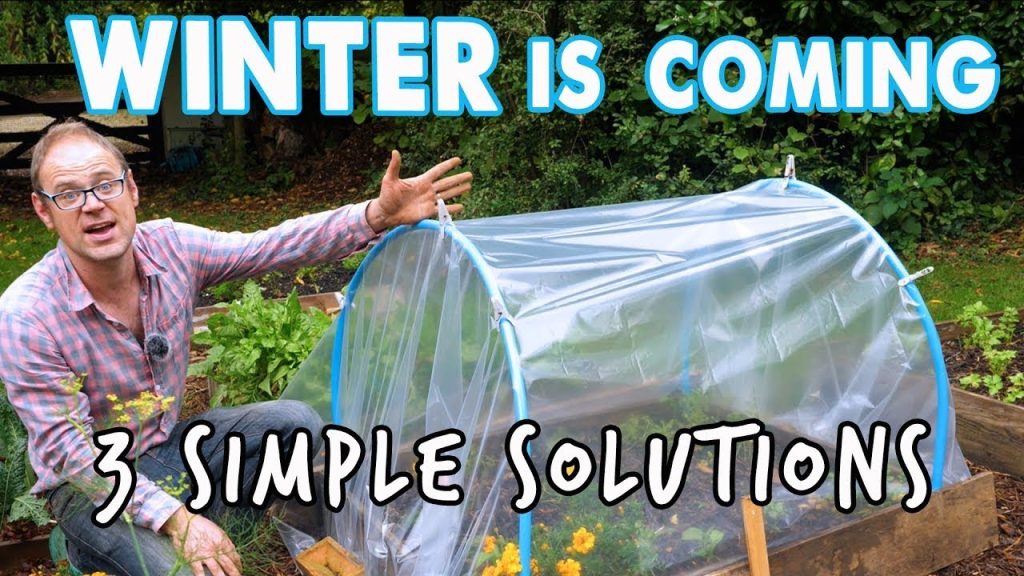
- Minimizing losses due to unexpected weather changes: For example, farmers who closely follow weather reports can take pre-emptive measures, such as covering crops or irrigating, to protect against sudden frosts or prolonged dry spells.
- Implementing sustainable agricultural practices: By adapting planting strategies to align with weather and climate patterns, farmers can conserve resources, maximize productivity, and extend the viability of their land.
The next sections will delve deeper into how specific weather conditions influence planting strategies and what you need to adapt effectively. Each season presents unique challenges and opportunities based on climatic conditions, making it essential for modern farmers and home gardeners alike to stay informed. Get ready to transform your planting practices by harnessing the power of weather insights!
DISCOVER MORE: Click here to learn how to tailor your soil amendments
Understanding Weather Variables that Impact Planting
The influence of weather on seasonal planting is multi-faceted, and comprehending the specific variables at play can equip farmers and home gardeners with the knowledge needed to optimize their planting strategies. By focusing on key weather-related factors, one can make informed decisions that lead to robust harvests. Let’s explore three fundamental aspects: temperature ranges, sunlight exposure, and humidity levels.
Temperature: The Key to Growth
Temperature is undoubtedly one of the most crucial elements affecting seed germination and overall plant growth. Each crop species has an ideal temperature range in which it thrives. For example, cool-season crops such as spinach and radishes, flourish in temperatures ranging from 45°F to 75°F, while warm-season crops like melons and corn require temperatures above 70°F for optimal growth. Understanding these requirements not only helps in determining when to sow seeds but also in foreseeing potential growth issues.
Monitoring local temperature trends can be enhanced through various agricultural tools and apps that provide real-time data. This can be particularly beneficial when considering microclimates—small areas where the weather differs from the surrounding region. For example, a south-facing slope may receive more sunlight and warmth, making it ideal for early planting compared to adjacent north-facing areas.
Sunlight Exposure: Nature’s Growth Engine
Another critical factor is the amount of sunlight that plants receive throughout the day, as it directly affects photosynthesis and energy production. Most vegetable plants thrive best with around 6 to 8 hours of direct sunlight daily. However, this requirement can vary significantly between species. For instance, leafy greens typically tolerate partial shade, while fruit-bearing plants like tomatoes and peppers prefer full-sun conditions.
As daylight hours fluctuate with the seasons, understanding the local solar calendar can guide planting decisions. For instance, planning to plant sun-sensitive crops will ensure they are cultivated during periods with the highest sun exposure, maximizing their growth potential. Gardeners can utilize simple tools, such as a sun chart or sunlight tracker, to assess the light availability in their gardens throughout the year.
Humidity Levels: Balancing Moisture
Humidity, or the amount of water vapor present in the air, plays a critical role in the health of crops. High humidity can promote diseases such as mildew and blight, while low humidity levels may increase plant water loss through transpiration. Understanding the average humidity levels in your area can aid in selecting crop varieties better suited to withstand specific conditions. For instance, tropical crops like bananas and taro thrive in high humidity, whereas plants like cacti and succulents prefer arid environments.
Effective moisture management can involve measures such as mulching, which conserves soil moisture, and implementing drip irrigation systems that deliver consistent hydration while reducing evaporation. Observing weather forecasts for anticipated humidity levels can also help in scheduling irrigation practices more effectively.
As we navigate the intricacies of weather conditions and their impact on seasonal planting, it becomes evident that adapting to these variables is essential for fostering agricultural success. The next section will focus on how these elements interact across different seasons, providing a roadmap for strategic planting based on weather insights.
The Influence of Weather Conditions on Seasonal Planting: What You Need to Know
As we delve deeper into the subject, it becomes crucial to understand how specific weather conditions affect the timing and success of planting, particularly for seasonal crops. Each season brings its own unique climatic challenges and advantages that gardeners and farmers must consider in their planting strategies.
Temperature Variability
Temperature plays a significant role in the growth cycle of plants. Warm temperatures generally enhance seed germination rates, but extremes—either too hot or too cold—can stunt growth. For instance, many spring crops thrive when temperatures hover around 60°F to 70°F. Conversely, winter vegetables, such as kale and carrots, flourish under frost, yet excessive cold can damage sensitive species. Therefore, it’s essential for growers to monitor temperature forecasts to optimize their planting schedules.
Precipitation Patterns
Equally vital is the influence of precipitation. Rainfall not only impacts soil moisture levels but also affects nutrient uptake by plants. Excessive rains can lead to root rot and fruit blight, while insufficient rainfall may require irrigation—a logistical and financial challenge for many farmers. Understanding regional humidity levels can aid in determining when to sow seeds. Areas prone to drought may favor heat-resistant plant varieties or adjust planting schedules to align with rainy periods.
Wind and Weather Extremes
Wind can also create challenges for seasonal planting. Not only does it have the potential to damage delicate seedlings, but strong winds can also lead to erosion in sandy soils. Moreover, weather extremes such as hail, heavy storms, or late frosts can derail an entire season’s efforts if proper precautions are not taken. Implementing windbreaks or protective covers for vulnerable plants can mitigate these issues.By staying informed and adaptable to changing weather conditions, farmers and gardeners can make strategic decisions about when and what to plant, significantly enhancing their chances for a fruitful harvest.
| Category | Advantages |
|---|---|
| Temperature Regulation | Allows for optimal germination and growth cycles, enhancing yield potential. |
| Precipitation Management | Ensures soil moisture levels are adequate to support healthy plant development. |
By considering the influence of weather on their planting schedules, growers can mitigate risks, make informed decisions, and ultimately achieve a more successful outcome for their crops. The interplay between weather conditions and seasonal planting is a dynamic aspect of agriculture that deserves careful attention and continuous learning.
DISCOVER MORE: Click here to learn how to create a wildlife-friendly garden
The Interplay of Weather Patterns Across Seasons
Understanding how various weather conditions interact throughout the seasons is crucial for successful planting. While temperature, sunlight, and humidity form the foundation of plant growth, the timing of these variables’ fluctuations can be the determining factor in a gardener’s success or failure. By investigating seasonal weather patterns, gardeners can maximize their efforts in the garden.
Spring: A Season of Opportunities
Spring heralds the awakening of floral life, yet it is a season fraught with unpredictable weather transitions. Early frosts and lingering cold temperatures can easily disrupt planting schedules. According to the USDA Plant Hardiness Zone Map, most parts of the U.S. experience their last frost between late March and early May, prompting meticulous planning for spring plantings.
For cold-sensitive crops like tomatoes and peppers, waiting until after the danger of frost has passed ensures robust growth. Similarly, utilizing row covers during chilly nights can boost soil temperatures and protect young plants from unexpected frost damage.
Summer: Navigating Heat and Humidity
As summer arrives, the heat can start to take its toll on plants. Average high temperatures often exceed 85°F, which can lead to heat stress, especially in sensitive crops. Implementing effective watering strategies during the hotter months is vital; while moisture is essential, overwatering can lead to root rot and nutrient leaching.
Gardeners can utilize techniques such as shade cloths to shield plants from the harsh afternoon sun, aiding in maintaining appropriate soil temperatures. Furthermore, choosing drought-resistant plants like sunflowers or zinnias can contribute to sustainability without sacrificing aesthetics or agricultural output.
Fall: Preparing for Dormancy
The fall season brings a unique set of considerations as temperatures begin to drop, and daylight hours decrease. This time is crucial for planting perennials and bulbs to ensure they establish themselves before winter. Moreover, monitoring weather forecasts to anticipate early snowfall or cold snaps can dictate the timing for these plantings.
A key aspect often overlooked is the phenomenon of Indian Summer, a period of unseasonably warm weather in the fall. This interval provides a perfect opportunity to sow cover crops like clover or winter rye that enhance soil health while preventing erosion through the winter months.
Winter: Planning for the Upcoming Season
While winter might seem dormant, it is an ideal time for gardeners to strategize for the coming planting season. Tracking historical weather data from previous winters can provide insights into average snowfall and temperature norms, which can be vital for planning spring seed sowing. Additionally, many veteran gardeners utilize this time for soil testing, assessing nutrient levels, and determining necessary amendments to enrich the soil for anticipated crops.
Moreover, understanding weather patterns such as El Niño and La Niña—which significantly influence U.S. weather—can impact your planting strategies. These climate phenomena affect rainfall distribution and temperatures, and knowing their signs can guide your planting timelines accordingly.
As each season presents its own challenges and benefits influenced directly by weather conditions, embracing these variations with adaptable planting strategies is essential for any gardener or farmer looking to thrive. Awareness and responsiveness to these seasonal transitions can make all the difference in achieving a successful planting season.
DIVE DEEPER: Click here to discover essential gardening techniques
Conclusion: Navigating the Climate for Successful Planting
In conclusion, the intricate relationship between weather conditions and seasonal planting cannot be overstated. Gardeners and farmers alike must develop an astute awareness of how temperature fluctuations, moisture levels, and sunlight patterns throughout the year can dictate the success of their crops. By leveraging this knowledge, individuals can optimize their planting schedules and techniques for maximum yield.
As shown, each season has its distinct challenges and opportunities influenced by weather patterns. From the unpredictable frosts of spring that could thwart early plantings to the scorching heat of summer that necessitates strategic watering practices, being proactive and adaptable is essential. Fall’s temperate surprise, like Indian Summer, offers a perfect window for planting cover crops, enhancing soil health for the winter ahead.
Furthermore, the winter months serve as a crucial period for preparation instead of stagnation. Engaging in soil testing and analyzing historical weather data will provide valuable insights to bolster the upcoming planting season. By understanding larger climate phenomena such as El Niño and La Niña, gardeners can stay ahead of the curve and make informed decisions about their planting strategies.
Ultimately, embracing the variability of weather conditions with flexibility and foresight equips gardeners to navigate the complexities of seasonal planting. Continually educating oneself on weather trends and employing appropriate techniques can transform uncertainty into opportunity, culminating in a thriving garden. As you plan your planting endeavors, remember that staying informed and adaptable is your best ally.