The Importance of Soil Drainage and Aeration in Home Gardening
Exploring the Core Elements of Soil Health for Gardening Success
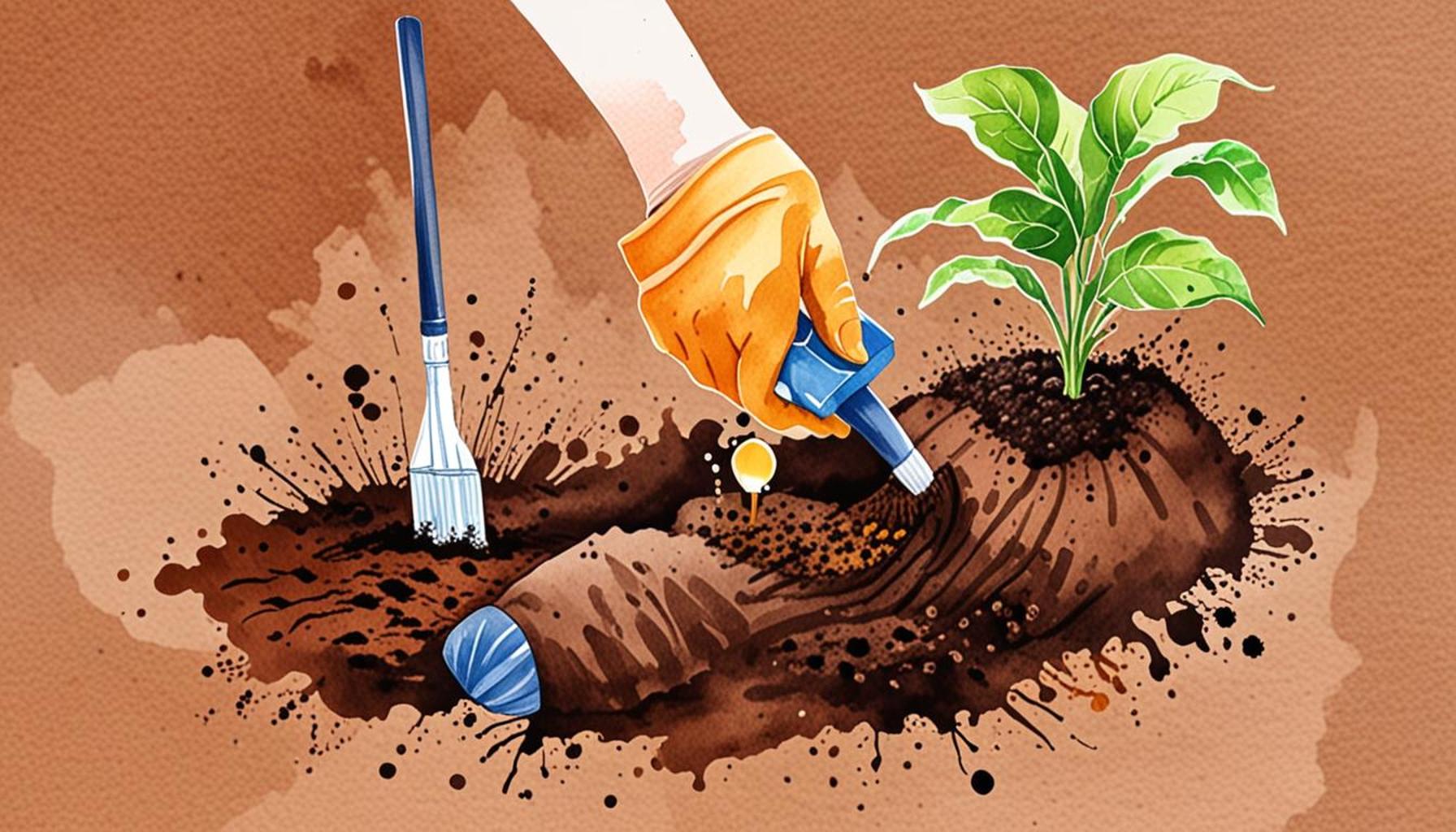
The foundation of any thriving garden lies beneath the surface. Healthy soil is more than just dirt; it is a complex ecosystem that nurtures plant life. Two pivotal components of soil health are drainage and aeration. When executed effectively, they create a dynamic environment where plants can flourish. Understanding these core elements is essential for any gardener eager to cultivate a lush and productive garden.
- Drainage: Effective soil drainage is essential for plant survival. It prevents water from becoming stagnant, which can lead to detrimental conditions such as root rot. Well-drained soil keeps plant roots dry enough to function optimally while still allowing them access to moisture when needed. For instance, incorporating organic matter like compost or using raised garden beds can significantly improve drainage, especially in areas with heavy clay soils that tend to retain water.
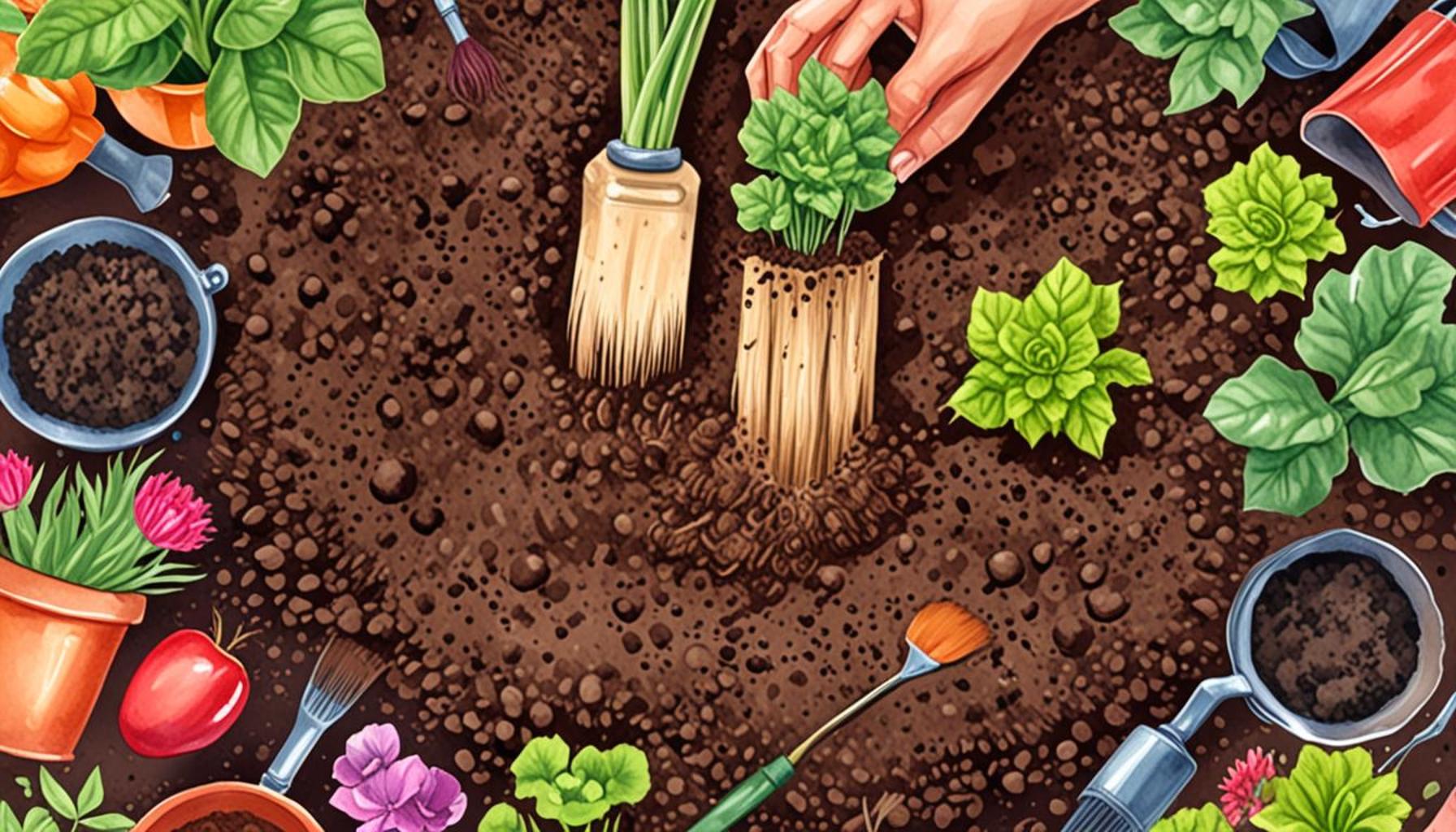
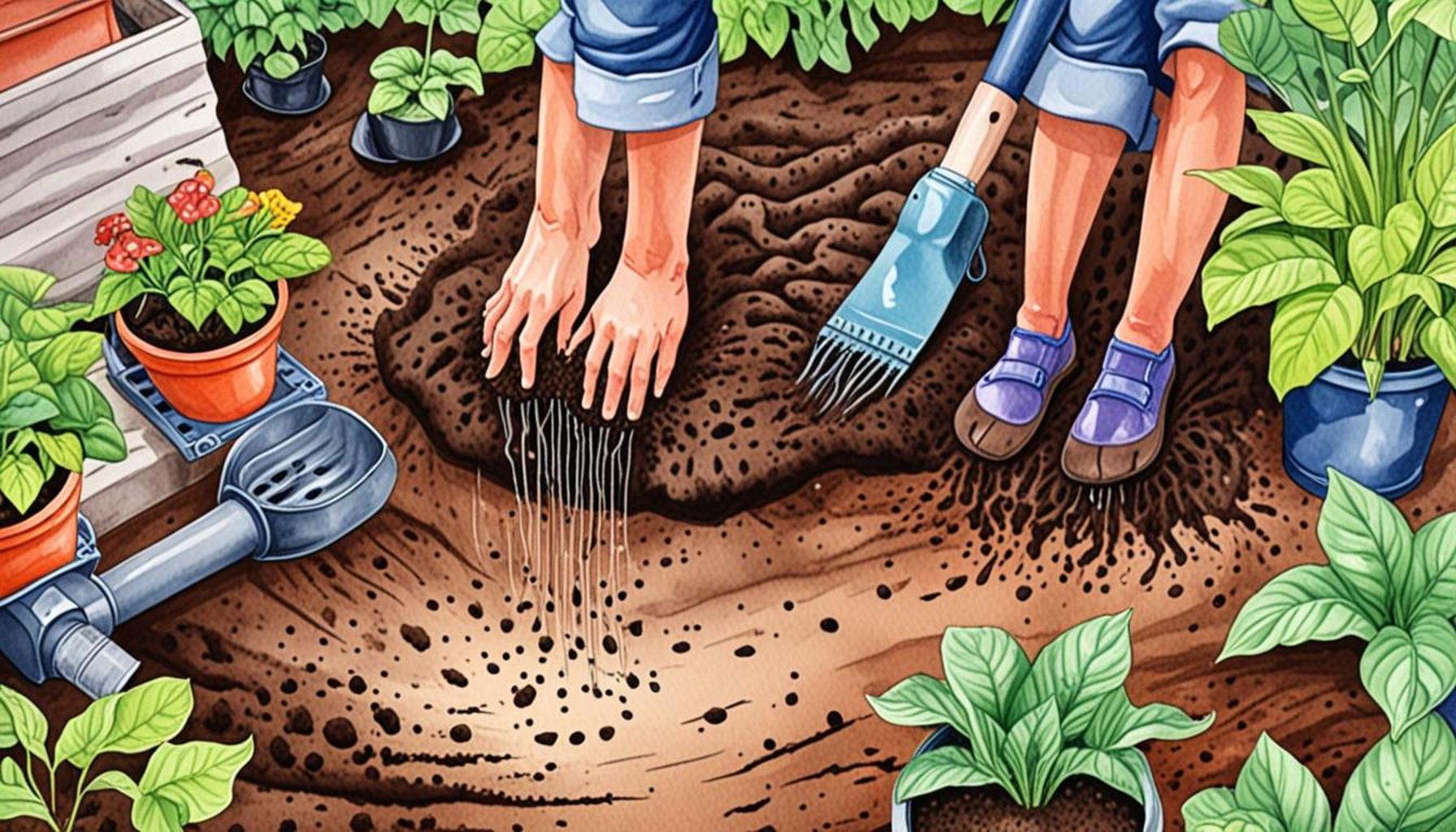
- Aeration: Proper aeration means that soil contains enough air pockets, allowing oxygen to penetrate to the roots. Roots, much like humans, need oxygen to thrive. Compacted soil can restrict airflow, thereby limiting root growth and nutrient uptake. To improve aeration, techniques such as tilling, forking, or using aerating tools can be employed. Adding organic materials like peat moss or vermiculite also promotes a fluffy soil structure that enhances aeration.
Without the right balance of drainage and aeration, the consequences can be harsh. Poor drainage can lead to waterlogged soils, creating a breeding ground for fungal diseases like Pythium, while inadequate aeration can lead to compacted soil that stifles healthy root development. By grasping these fundamental principles, you can transform your garden into a diverse and vibrant space filled with vegetables, herbs, and flowers.
The Advantages of Good Soil Management
Implementing effective soil management practices yields numerous benefits, not only enhancing the agricultural output but also contributing to sustainable gardening. Consider these key advantages:
- Improved nutrient uptake: When soil drains well and air circulates freely, plants can absorb nutrients more efficiently. This can lead to higher yields and healthier plants that are more resistant to pests and diseases.
- Reduced risk of waterlogging: Effective drainage minimizes the potential for excess moisture that can lead to root diseases, ensuring plants grow strong and robust.
- Enhanced soil structure: Healthy soil structures are more resilient against erosion and environmental stresses, contributing to long-term garden sustainability.
As you embark on your gardening journey, pay attention to the health of your soil—how well it drains, and how well it breathes. These foundational principles determine not only productivity but also the beauty of your garden. Investing time and effort into understanding and improving soil health can lead you to a greener, more vibrant gardening experience. Your adventure begins with the soil beneath your feet, waiting to be nurtured into a flourishing oasis.
DON’T MISS OUT: Click here for essential pest management tips
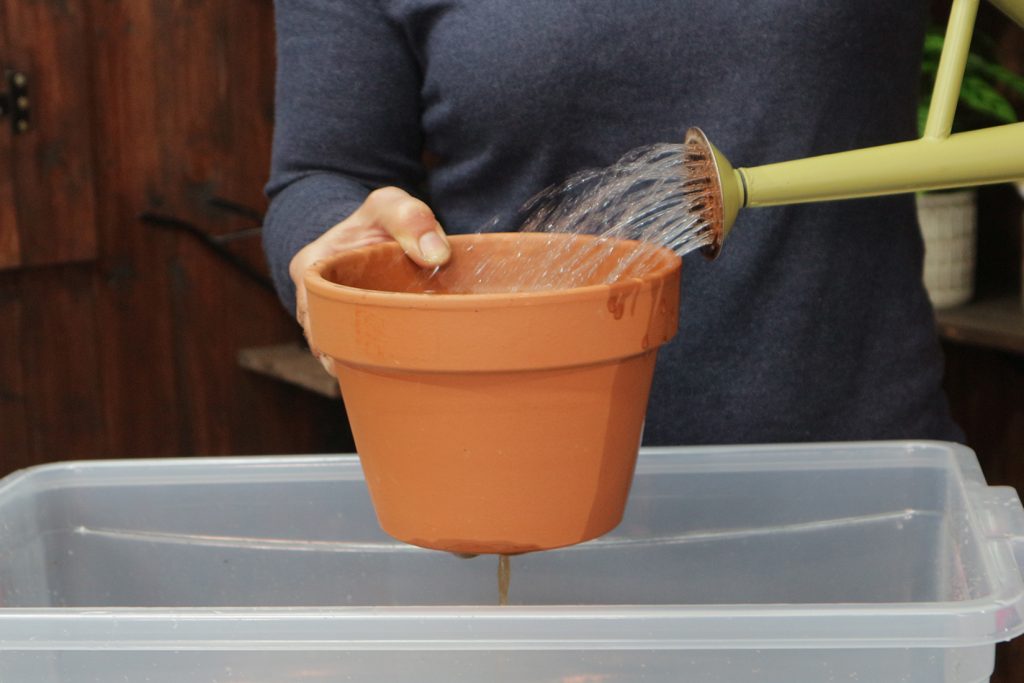
Understanding the Mechanics of Soil Drainage and Aeration
Soil is a living, breathing entity beneath our gardens that plays a crucial role in plant development. The struggles of novice and seasoned gardeners alike often stem from mismanagement of two key soil characteristics: drainage and aeration. Gaining insight into these elements is akin to unlocking a treasure trove of gardening wisdom, enabling you to harness the full potential of your gardening efforts.
Let’s first delve deeper into drainage. The essential goal of soil drainage is to maintain an appropriate balance of moisture. Excess water can suffocate roots and create warm, damp conditions that foster diseases. For gardeners in the United States, particularly in regions prone to heavy rainfall or areas with clay-heavy soil, effective drainage practices become even more paramount. Emphasizing the use of raised beds not only aids in water management but also provides an opportunity to construct nutrient-rich soil blends that suit various plants.
Implementing practical drainage solutions can significantly mitigate issues associated with a saturated garden. Here are several techniques to help improve drainage:
- Adding organic matter: Incorporating compost, leaf mold, or well-rotted manure can enrich soil structure and enhance its ability to drain excess water.
- Creating a slope: Shaping the garden beds or using contour gardening can facilitate water runoff, preventing pooling.
- Installing drainage tiles: For persistent drainage problems, consider a more permanent solution by installing perforated drainage tiles that direct excess water away from critical areas.
Equally as crucial is aeration, which refers to the process of creating air pockets within the soil. This allows oxygen to reach roots, encouraging healthy growth and nutrient absorption. If soil becomes compacted—often the result of foot traffic, heavy machinery, or poor tilling practices—the consequences can be dire. Roots struggle to expand, and their ability to uptake nutrients and water diminishes dramatically. In urban environments like New York or Los Angeles, where foot and vehicular traffic can compact residential gardens, understanding aeration becomes vital.
To enhance aeration in your home garden, consider the following actions:
- Tilling and turning the soil: Regular tilling can help break up compacted spots, allowing for improved air circulation.
- Using aeration tools: Specialized tools like aerators or garden forks can create holes that improve airflow within the soil.
- Incorporating breathable materials: Adding perlite or vermiculite can help maintain a loose soil texture, thereby improving aeration.
Being mindful of both drainage and aeration is essential for fostering a robust garden ecosystem. Visitors to your garden will marvel at its beauty, unaware of the delicate balance happening beneath the surface that allows plants to thrive. As you continue your gardening venture, remember that attention to soil health, particularly in terms of managing drainage and aeration, will directly correlate with the vibrancy and productivity of your plants. Your quest for a verdant garden begins with the diligent care of the soil—an investment that pays dividends in a rich bounty of blooms and harvests.
The Importance of Soil Drainage and Aeration in Home Gardening
When it comes to nurturing a thriving garden, understanding the benefits of soil drainage and aeration is paramount. Poorly drained soil can lead to waterlogged conditions, promoting root rot and inhibiting plant growth. Conversely, adequate drainage ensures that your plants receive the necessary oxygen and nutrients they require to flourish. This section will delve deeper into the significance of managing these two aspects in home gardening.
Soil drainage plays a vital role in the health of your garden, as excess water can suffocate roots and slow down vital processes like nutrient absorption. Implementing effective drainage solutions, such as raised beds or proper grading, can drastically improve the conditions under which your plants thrive. Keeping the right moisture levels not only enhances plant health but also reduces the risk of fungal diseases that stem from stagnant water. Additionally, knowing how to spot poor drainage signs is key; symptoms include wilting, yellowing leaves, and a foul smell from the soil.
In tandem with drainage, soil aeration is equally crucial for maintaining healthy root systems. Aeration involves creating air pockets within the soil, allowing roots to access oxygen. Roots need oxygen to efficiently perform respiration—this process directly impacts their growth and nutrient uptake. Techniques like core aeration, where small plugs of soil are removed, can invigorate your garden. Plants grown in well-aerated soil tend to be more resilient against stressors such as drought or pest infestations. It’s a direct line to enhancing your garden’s overall productivity and health.
By acknowledging the interconnectivity of soil drainage and aeration, gardeners can set the stage for flourishing home gardens. Whether you’re an experienced horticulturist or a passionate novice, understanding these principles opens up a realm of possibilities in optimizing your garden’s growth potential.
| Advantages of Soil Drainage | Advantages of Soil Aeration |
|---|---|
| Improved Root Health | Enhanced Nutrient Absorption |
| Prevention of Waterlogging | Increased Plant Resilience |
With a clearer understanding of how these elements work together, home gardeners can maintain an environment that supports vibrant and healthy plant life.
DIVE DEEPER: Click here for more insights
Enhancing Plant Health Through Proper Soil Management
Soil management plays an indispensable role in fostering a thriving home garden. Beyond merely preventing waterlogging and compaction, effective soil drainage and aeration practices directly influence plant health, pest resistance, and overall productivity. By ensuring that your soil has the right balance of moisture and airflow, you are setting the stage for a flourishing ecosystem within your garden.
Proper soil drainage significantly reduces the risk of root diseases. Conditions such as root rot are often exacerbated by poorly drained soil, leading to economic losses for gardeners. A study from the University of California Cooperative Extension indicated that implementing drainage solutions can reduce disease incidence by nearly 30% in vegetable crops. This not only aids in the survival of your plants but also improves the overall yield—essential for home gardeners looking to make the most of their harvest.
In addition to disease prevention, drainage practices create an environment conducive to beneficial microbial activity. Healthy soil teems with organisms that decompose organic matter, release nutrients, and form a symbiotic relationship with plant roots. For instance, earthworms are important contributors to soil health; they aerate the soil while also breaking down organic materials. An increase in drainage allows these organisms to thrive, ultimately enhancing soil fertility and structure.
Moreover, the connection between aeration and nutrient availability cannot be overstated. A well-aerated soil enables plants to access essential nutrients, including nitrogen, phosphorus, and potassium, more effectively. When soil compaction occurs, the availability of these nutrients diminishes, leading to stunted growth and poor plant performance. According to the American Society of Agronomy, improving aeration can lead to a 20% increase in nutrient uptake efficiency. Consequently, integrating aeration efforts in your gardening routine can result in more vigorous plants with vibrant foliage and increased fruit production.
The type of plants you cultivate in your garden also influences your approach to soil management. For example, certain species, such as ferns, thrive in moist, well-drained soils. In contrast, succulents and cacti require well-draining soil that slopes away from their roots to prevent excess moisture. By tailoring soil drainage and aeration practices to the unique requirements of each plant type, you can optimize their growth potential.
Environmental Impact of Soil Practices
In addition to benefiting individual gardens, proper soil drainage and aeration practices have broader environmental implications. Efficient drainage systems can help reduce runoff into stormwater systems, thus minimizing water pollution and soil erosion. Furthermore, healthy soil with adequate aeration enhances water retention capabilities, which diminishes the need for excessive irrigation—an essential consideration in times of increasing drought in regions across the U.S.
Utilizing sustainable gardening practices that prioritize drainage and aeration not only enhances the health of your plants but also contributes positively to local ecosystems. Embracing techniques such as no-till gardening or permaculture principles can lead to improved soil structure and long-term fertility, empowering gardeners to foster resilient gardens that thrive amid climatic challenges.
Ultimately, understanding the critical roles of soil drainage and aeration is crucial for any home gardener. By implementing targeted practices to achieve proper moisture balance and air exchange within the soil, you lay the foundation for a garden that excels in health, productivity, and sustainability—vital elements for both novice and expert gardeners alike.
DISCOVER MORE: Click here to learn about plant stress and pests
Concluding Thoughts on Soil Drainage and Aeration
In summary, the importance of soil drainage and aeration in home gardening cannot be overstated. These fundamental practices are not mere gardening accessories; they are essential components that contribute to the health and vitality of your plants. As emphasized throughout the article, effective drainage prevents debilitating root diseases, while robust aeration enhances nutrient uptake and fosters a thriving ecosystem beneath the soil surface. Combining these practices allows for a garden that is not only productive but resilient against environmental challenges and pest infestations.
As home gardeners strive to cultivate bountiful spaces, understanding the unique moisture and oxygen requirements of different plants becomes paramount. Whether you’re nurturing vibrant vegetables or delicate flowers, customizing your soil management approach can significantly impact growth and yield. With ecological implications in mind, adopting efficient drainage and aeration methods also translates into sustainable gardening practices that protect local waterways and promote better soil health over time.
Looking ahead, as climate change poses new challenges to gardening, implementing proactive soil management strategies will empower gardeners to adapt and thrive. Investing time in understanding and applying effective drainage and aeration methods not only maximizes the returns from your garden but also strengthens its role within the broader ecosystem. By taking the initiative to prioritize soil health, you are embarking on a journey toward a more sustainable and prosperous gardening experience, inviting both beginners and seasoned horticulturists to explore the depth of what their gardens can offer.