The Best Plants for Each Season: A Beginner’s Guide
Understanding Seasonal Plant Choices
The world of gardening is filled with incredible opportunities, especially when it comes to understanding the seasonal dance of plants. Knowing which plants flourish in which seasons can greatly enhance any garden enthusiast’s experience, providing both visual delight and practical advantages. From curious novices to experienced horticulturists, the right selections of plants can turn any outdoor space into a vibrant sanctuary that celebrates the changing seasons.
Each season presents its own climatic conditions, which can either support or hinder plant growth. By selecting plants best suited to the environment of each season, gardeners can create a lush and appealing landscape year-round. Here’s a closer look at some key seasonal plants:
- Spring: As winter recedes and temperatures begin to rise, plants like tulips, daffodils, and cherry blossoms burst into bloom, symbolizing new life and rejuvenation. These bulbs are often among the first to appear, offering an early burst of color that can uplift anyone’s mood.
- Summer: The glorious long days of summer are perfect for sun-loving plants. Sunflowers, with their bright faces following the sun, add vibrant yellows to the landscape. Hydrangeas, known for their lush foliage and abundant blooms, thrive in the humidity, while tomatoes provide a bountiful harvest that can enhance countless summer meals.
- Fall: As leaves transition to brilliant hues of red, orange, and gold, fall finds its elegance with plants like mums (chrysanthemums), asters, and ornamental kales. These plants not only bring stunning colors to the garden but are also excellent for attracting pollinators preparing for winter.
- Winter: Although many plants go dormant, winter doesn’t have to be dull. Evergreens, such as pine and spruce, maintain their foliage, adding structure and visual interest. Holly and winterberries offer striking red berries that provide a pop of color against the snow and can serve as food sources for various wildlife.
Choosing seasonal plants not only boosts the visual appeal of gardens but also serves practical purposes. Many of these plants play beneficial roles, such as attracting beneficial insects that aid in pollination or acting as natural pest repellents, thus creating a balanced ecosystem in your garden.
As we explore the essentials of selecting the right plants for each season, remember that understanding local climate variations is crucial. Regions across the United States, from the warm Southern states to the colder Northern climates, may necessitate different plant choices. By cultivating your knowledge of seasonal plants, you can ensure that your garden remains vibrant and flourishing, no matter the season!
DON’T MISS OUT: Click here to learn more
Spring Beauties that Signal Renewal
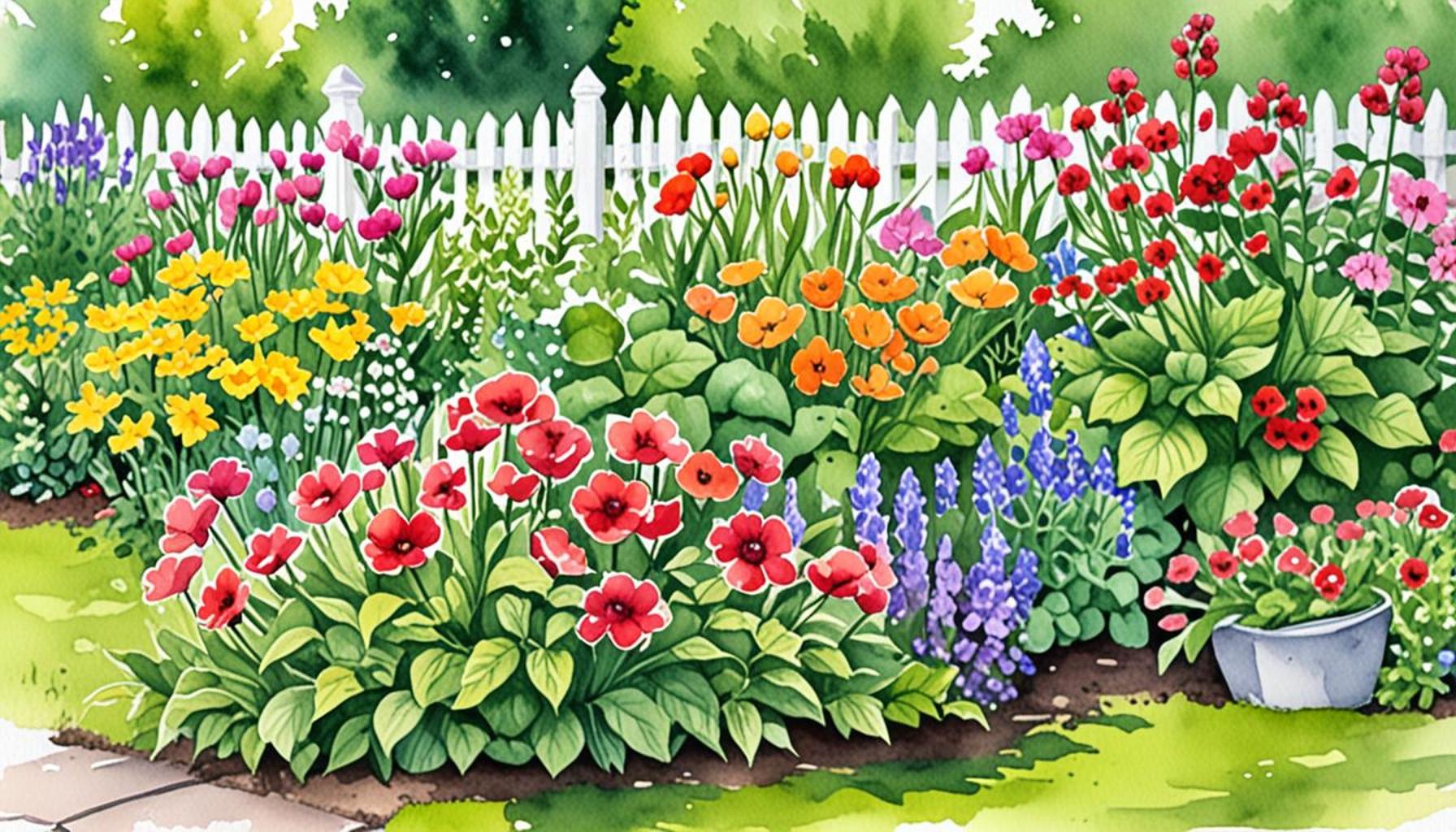
As the days lengthen and temperatures rise, spring heralds a season of renewal and growth. Gardeners can harness this energy by selecting plants that thrive in the warming climate. Among the best plants for spring, tulips and daffodils are iconic choices that symbolize the end of winter’s grip. These bulbs require minimal care and produce a spectacular array of colors, including vibrant reds, yellows, and purples that can reinvigorate any garden bed.
Cherry blossoms, often celebrated in festivals across the United States, are another stunning spring spectacle. These delicate flowers bloom in various shades of pink and white, creating picturesque landscapes in communities from Washington D.C. to San Francisco. Their fleeting nature makes them even more precious, inviting photographers and nature lovers alike to appreciate their beauty.
Summer Selections for a Dazzling Display
Once spring blooms retreat, summer steps in with its own array of extraordinary plants. The long, sun-drenched days are perfect for sun-worshippers like sunflowers and zinnias. Sunflowers, with their towering stalks and golden-yellow petals, can reach impressive heights, bringing cheer and attracting pollinators like bees and butterflies into your garden. Additionally, their seeds are a great nutritional source for birds, providing dual benefits for garden enthusiasts.
Another summer essential is the hydrangea. Known for its large, showy clusters of flowers, hydrangeas thrive in various soil conditions, making them adaptable across much of the U.S. Whether you prefer the classic blue or pink shades or the striking white varieties, adding hydrangeas can create a lush ambiance during the hot summer months.
Fall’s Warmth and Color Palette
As summer fades into fall, avid gardeners can enjoy a shift in aesthetics with a whole new set of plants that can thrive in the cooler temperatures. Mums, or chrysanthemums, are a quintessential fall flower, exhibiting a rich palette of warm colors from deep burgundy to vibrant gold. These hardy perennials bloom late into the season, providing an effective way to keep gardens looking lively even as other plants start to fade.
Additionally, asters are a wonderful choice for adding pops of color to any fall garden. These late bloomers thrive well into September and October, and their star-shaped flowers come in shades of purple, pink, and blue, often attracting vital pollinators preparing for winter. Finally, consider incorporating ornamental kales, which can add unique textures and colors to your garden with their stunningly multicolored leaves that can withstand frost.
By understanding the plants that thrive during spring, summer, and fall, even novice gardeners can enjoy a dynamic and thriving garden that celebrates the beauty of each season. In our next segment, we will dive into the essentials of selecting the perfect plants for winter, revealing how to maintain visual interest and functionality during the dormancy period.
The Best Plants for Each Season: A Beginner’s Guide
As we delve deeper into the world of gardening, understanding which plants thrive in each season can significantly enhance your gardening experience. This guide offers insights into the best plants for spring, summer, autumn, and winter, tailored specifically for beginners looking to cultivate their green thumbs.
| Season | Recommended Plants |
|---|---|
| Spring | Snapdragons, Pansies, and Begonias are great choices. |
| Summer | Marigolds, Petunias, and Sunflowers bring vibrant colors. |
| Autumn | Chrysanthemums and Pansies add warmth to your garden. |
| Winter | Hellebores and Snowdrops provide a touch of beauty. |
By choosing the right plants for each season, you can create a flourishing garden year-round. Each plant not only serves aesthetic purposes but also contributes to the ecosystem, helping pollinators and adding resilience to your garden’s biodiversity. For beginners, starting with easy-to-maintain plants during each season can foster confidence and spark a deeper interest in gardening.
Discover more about seasonal planting, soil conditions, and care techniques in the complete guide, paving your way to gardening success!
DIVE DEEPER: Click here to learn about essential gardening techniques
Winter Wonders: Embracing the Chill
As the garden settles into dormancy during the cold winter months, there’s no need to let your landscape fall into a lackluster state. In fact, there are several resilient plants that enhance visual interest and provide structure to your outdoor spaces throughout winter. Among the best plants for winter, the evergreen conifers, such as junipers and pines, stand resilient against the frost and snow. Their rich green foliage serves as a backdrop to the winter landscape, ensuring that your garden retains its character, even in the coldest months.
Another excellent choice for winter gardens is the holly bush, famous for its glossy leaves and vibrant red berries. Hollys are not just festive; they attract birds looking for food during the barren winter when other food sources are scarce, thus fulfilling an important ecological role. Moreover, the addition of winterberry, a deciduous holly, provides a unique appeal with its bright red berries that contrast beautifully against the stark winter scenery.
Preparing for Seasonal Transitions: Essential Tips for Planting
When selecting plants for your seasonal garden, it’s essential to consider not only the aesthetics but also the local climate conditions. For instance, regions with harsher winters may require plants that can withstand extreme cold, while those in milder climates can opt for a broader selection. Research local planting zones to understand which plants are truly suited for your area.
Another key factor in your selection process is soil type and drainage. While many plants can adapt, some, like lavender in the summer, prefer well-draining soil, while others, like hostas, thrive in slightly more moisture-retentive settings. Incorporating soil testing into your garden planning allows you to amend soil conditions, ensuring the health and vibrancy of your plants.
- Perennials: While annuals can add color, perennials like sedum and echinacea offer long-term benefits, returning year after year.
- Native plants: Gardening with native flora is a sustainable choice; these plants are already adapted to local conditions, requiring less water and maintenance.
- Winter vegetables: If space permits, consider planting winter-hardy vegetables like kale or spinach, which can be harvested throughout the colder months.
Choosing the right plants for each season requires careful thought and consideration but also opens the door to creativity and personal expression. Embracing seasonal plantings yields not only an aesthetically pleasing garden but also one that thrives and interacts within its ecosystem, keeping pollinators and wildlife in harmony with your home.
Planning Ahead: Year-Round Garden Care
To maintain a vibrant garden through all four seasons, planning ahead and understanding the growth cycles of your selected plants is vital. Incorporate a mix of plants that provide year-round interest and establish a timeline, including when to plant, fertilize, and prune. This foresight ensures that your garden flourishes with changing seasons while allowing you to engage in the unique offerings each time of year brings.
In addition, regular maintenance and seasonal adjustments—like mulching in fall or protecting tender plants with burlap in winter—will enhance your plants’ resilience and longevity. As you delve into each season’s planting possibilities, consider this as not only a hobby but also an exhilarating journey into the world of nature, where every season offers something exceptional to discover.
DISCOVER MORE: Click here to enhance your gardening knowledge
Conclusion: Cultivating a Year-Round Garden
Understanding the best plants for each season is an enriching journey that transcends mere aesthetics; it is about creating a thriving ecosystem around your home. Each season presents unique opportunities to explore color, texture, and wildlife interaction through careful plant selection. From the vibrant blooms of spring to the lush greenery of summer, the warm hues of autumn, and the resilient structures of winter, your garden can continuously evolve and captivate the senses.
As you plan your ideal garden, remember to take into account your local climate and soil conditions. Researching native plants not only supports local wildlife but also ensures an easier, more sustainable gardening experience. Incorporate perennials for long-lasting beauty, experiment with various seasonal vegetables, and consider planting a selection of winter-hardy varieties to maintain interest even during the colder months.
Ultimately, the magic of gardening lies in its potential for creativity, discovery, and connection with nature. By embracing these seasonal changes and understanding the needs of your plants, you embark on a rewarding adventure that enriches both your surroundings and your well-being. So gather your tools, select your plants wisely, and let the seasons guide you in crafting a garden that thrives all year long.