The Art of Composing Seasonal Gardens: Creating Beauty in Every Season
Embracing the Transformative Nature of Seasonal Gardens
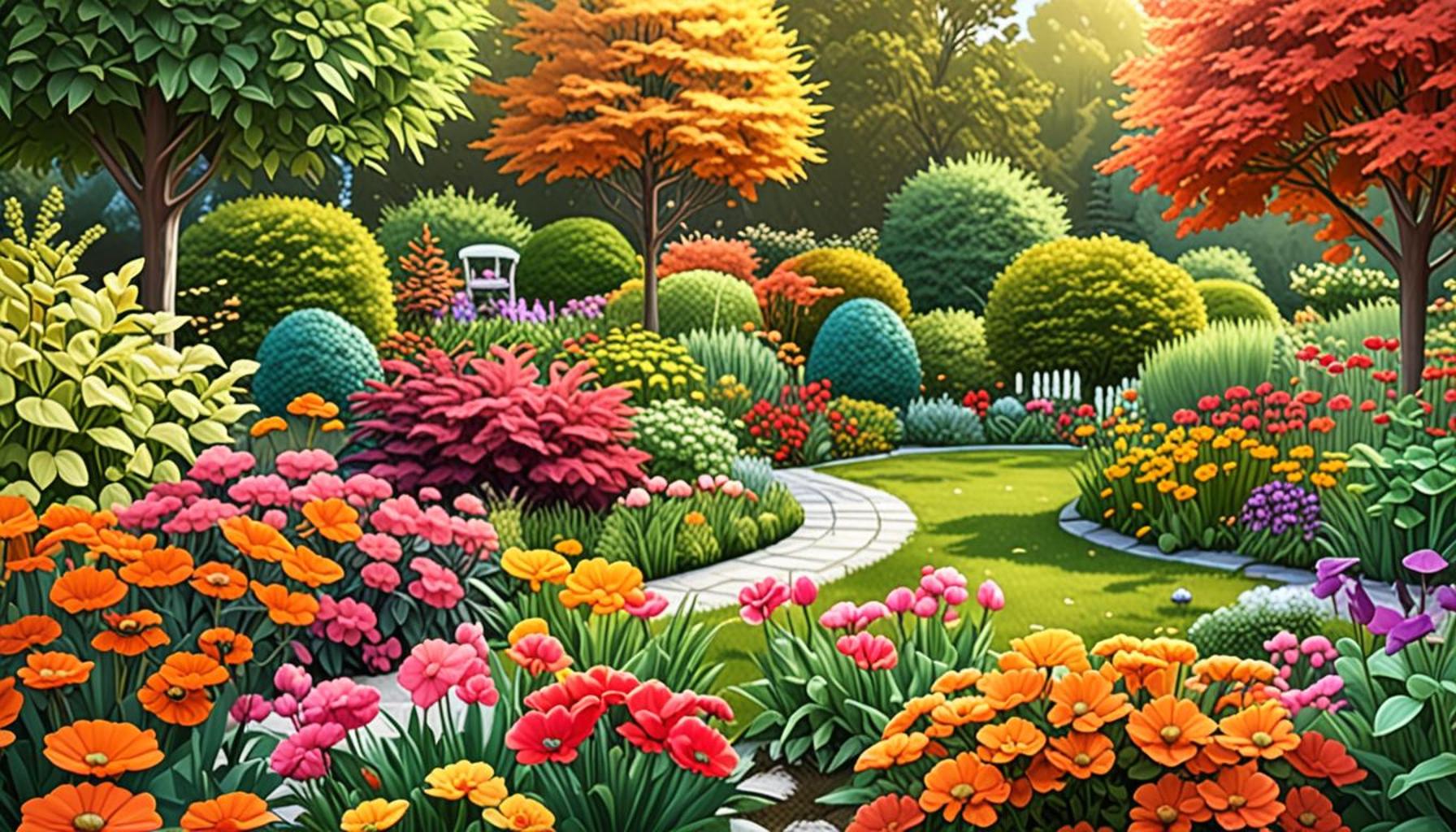
Creating a garden is not just about planting flowers; it’s about composing an evolving masterpiece throughout the year. Seasonal gardens offer a dynamic canvas where nature showcases its brilliance in different hues, textures, and fragrances. From the vibrant blooms of spring to the rich foliage of autumn, each season brings unique possibilities for expression, challenging gardeners to think beyond mere aesthetics to the very essence of nature’s cycles.
The heart of a successful seasonal garden lies in plant selection. Choosing species that thrive in various seasons is crucial. For example, daffodils and tulips herald the arrival of spring with their cheerful colors, while summer introduces a riot of colors with sunflowers and zinnias. As autumn approaches, asters and chrysanthemums emerge, wrapping up the year with warm, inviting tones. Each selection not only celebrates the season but also attracts beneficial pollinators, thereby enhancing the ecological balance.
Color palettes play an equally vital role in creating a seasonal garden. In spring, pastels like soft pinks, light yellows, and gentle blues create a bright and hopeful atmosphere. Transitioning into summer, bold colors such as fiery reds and sunny yellows dominate, conveying vibrancy and energy. As autumn arrives, rich warm tones like deep oranges, golden yellows, and rustic browns take center stage, providing a cozy backdrop that invites reflection and warmth.
In addition to color, textural variety enriches the garden’s appeal. Combining plants with different foliage shapes and sizes—such as the feathery leaves of ferns alongside the broader leaves of hostas—creates layers and enhances visual interest. Moreover, to add dimension, consider incorporating structural plants such as ornamental grasses or tall sunflowers that provide height and contrast against shorter blooms.
Imagine the thrill of stepping into your garden and experiencing an ever-changing tapestry that celebrates nature’s cycles. The addition of seasonal elements like birdhouses or decorative trellises can further enhance the ambiance of your garden, making your seasonal haven an irresistible refuge.
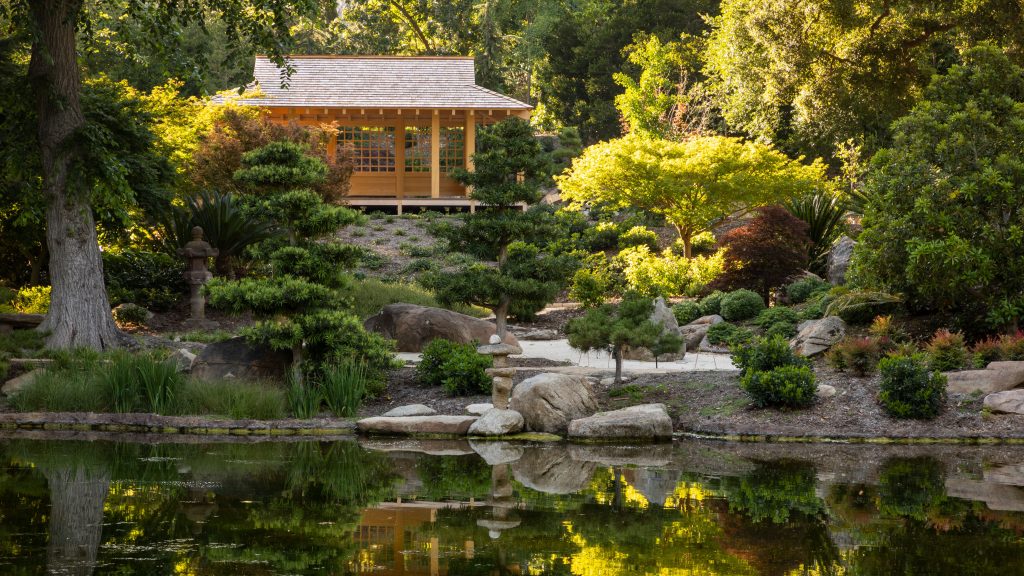
Whether cultivating a small urban space or expanding a sprawling landscape, anyone can create a seasonal garden that reflects personal style and adapts to the rhythms of nature. The journey of embracing the seasonal garden concept not only brings beauty but also fosters a deeper connection to the earth’s cycles. This participation in nature’s rhythm encourages mindfulness and appreciation, inspiring deeper engagement with one’s immediate environment.
As you embark on this green endeavor, remember that a garden is a living art form, one that evolves and blooms with you. Join in this journey, and discover how the changing seasons can transform not just your garden, but also your perspective on life.
DIVE DEEPER: Click here to learn more about soil testing
Mastering Plant Selection for Year-Round Appeal
At the core of composing seasonal gardens lies the intricacies of plant selection. The right combination of plants can facilitate a stunning visual journey that unfolds throughout the year. A gardener needs to consider not just aesthetics, but also climate adaptability, bloom times, and the ecological benefits each species can bring. Herein, a variety of plants across multiple seasons creates a rich, diverse environment, invigorating the senses and enhancing the landscape’s overall health.
When planning a seasonal garden, reflect upon the biological clock of your locale. In the United States, depending on your hardiness zone, certain plants will offer the best performance. Consider incorporating the following essential plants to capture the essence of each season:
- Spring: Daffodils, tulips, hyacinths, and peonies burst onto the scene, announcing warmer weather and longer days. These blooms are not only beautiful but also serve as crucial early food sources for pollinators.
- Summer: With summer, the garden ignites life with vibrant sunflowers, zinnias, and coneflowers. Choose plants that not only thrive in heat but also create a colorful spectacle, enticing butterflies and bees to your space.
- Autumn: As temperatures cool, embrace the rich tones of asters, chrysanthemums, and ornamental kale. These plants extend the garden’s beauty well into the fall, offering vital sustenance for wildlife preparing for winter.
- Winter: While many believe gardens become dormant, selecting evergreens, winterberry holly, and hardy hellebores provides year-round structure and visual interest. This adds a layer of beauty despite the cold, demonstrating that even winter can showcase splendor.
Beyond just blooms, consider the seasonal role of foliage. Different leaf shapes, sizes, and colors can significantly influence the garden’s appeal. For instance, the glossy leaves of rhododendrons provide contrast against the delicate fronds of ferns. Furthermore, incorporating native plants can not only ease maintenance but also enhance local biodiversity; these species are better adapted to the climate and are more resistant to pests and diseases.
To master plant selection, it’s crucial to observe and understand your local ecosystem. Engage with local horticultural societies or university extension programs to gain insight into plants best suited for your area. These organizations often have valuable resources and workshops that may inspire innovative seasonal compositions tailored to the environment in which you reside.
By focusing on strategic plant selection, you establish a framework for an ever-evolving garden. As your garden transitions through the seasons, invite the discovery of beauty in unexpected places, creating a delightfully unique landscape that reflects nature’s artistry in all its seasonal splendor.
| Advantages | Benefits for Gardeners |
|---|---|
| Diverse Seasonal Colors | Utilizing various plants ensures vibrant colors year-round, keeping the garden visually appealing across seasons. |
| Ecological Harmony | A seasonal garden promotes biodiversity, attracting beneficial insects and enhancing the garden’s overall health. |
| Year-Round Interest | Constant changes in plants and flowers provide ongoing beauty that captivates the eye throughout the year. |
| Seasonal Maintenance | Adapting to seasonal cycles allows for easier management and care, leading to healthier plants and reduced workload. |
By embracing the art of seasonal gardening, one can create a landscape that is not only stunning but also educational and refreshing. The combination of color, harmony, and convenience makes this gardening style appealing to both novices and seasoned gardeners alike. Each season brings its own set of tasks and bounties, allowing for a connection to the rhythm of nature that is both satisfying and enriching. Through careful selection of plants, one can ensure that the beauty of the garden evolves gracefully throughout the year, making each moment spent in it a unique experience.
DISCOVER MORE: Click here for insights on night watering techniques
Creating Structure and Texture: The Importance of Hardscaping
While selecting the right plants is fundamental to a seasonal garden’s aesthetic, hardscaping plays an equally vital role in establishing a home for these flora and enhancing the garden’s overall design. Hardscaping refers to the non-plant elements in your garden that contribute to its structure and functionality. From paths and patios to fences and water features, integrating these elements can enhance both the visual appeal and usability of your outdoor space.
Consider the contrast that hardscaping elements can provide. Natural stone walkways or gravel paths can define spaces, leading the eye on a journey through the garden. They create boundaries and help establish different areas where one can experience seasonal changes up close. Think about building a raised flower bed or constructing a decorative archway embellished with climbing plants, framing the entrance to your garden and offering a welcoming focal point as the seasons change.
Another pivotal aspect of hardscaping is its ability to assist with drainage and erosion control, particularly during heavy rainfalls typical of certain seasons. Elements such as retaining walls, permeable paving, and strategically placed drainage basins can mitigate water gathering and protect your beautiful plant selections from damage, allowing them to thrive regardless of weather conditions.
Water features serve as an alluring addition, creating tranquility and drawing in wildlife such as birds and butterflies. A pond surrounded by seasonal flowers will reflect the changing colors of your plants throughout the year. Incorporating features like fountains or rain gardens can enhance the sensory experience by adding the soothing sound of flowing water, which can create a meditative ambiance in your garden.
Seasonal Maintenance: The Key to Longevity
As you craft a seasonal garden, it’s essential to remember that maintenance is equally important for preserving beauty through each transition. Each season brings its chores: mulching in winter to protect the soil, pruning perennials in spring to encourage growth, deadheading blooms in summer to promote continued flowering, and preparing the garden for winter dormancy in the fall. Cultivating healthy soil, investing in compost, and knowing when to feed your plants ensures their vitality through the seasons.
Consider joining local gardening clubs or participating in community workshops to learn from experienced gardeners. These connections can help you gain valuable insights into seasonal practices and plant care techniques specific to your region, ensuring that you remain proactive and prepared as each season approaches.
Additionally, with the rise of sustainable gardening practices, consider planting cover crops during the off-seasons to improve soil quality and reduce erosion. These crops, such as clover or rye, not only prevent weeds but also replenish nutrients, enhancing your garden’s health before the next planting season. Such practices contribute to fostering a resilient, vibrant ecosystem and maintaining the visual appeal of your garden all year.
Ultimately, embracing both plant selection and hardscaping while committing to a diligent maintenance routine ensures that your seasonal garden remains a dynamic and breathtaking showcase of nature’s beauty through the changing seasons.
DISCOVER MORE: Click here to learn about cover crops
Conclusion: Embracing the Year-Round Symphony of Nature
In the journey of creating a seasonal garden, the harmony between plant selection, hardscaping elements, and diligent maintenance emerges as the essence of a captivating landscape. As we have explored, the choice of flora allows for a diverse palette that transforms with each season, while the incorporation of hardscaping adds structure, functionality, and a unique aesthetic that can enhance any garden layout.
Successful gardening is more than mere cultivation; it is an art form that involves understanding and respecting the natural rhythms of the environment. By skillfully pairing vibrant blooms with thoughtful hardscaping and fostering healthy soil through proper maintenance, you can create a sanctuary that delights the senses all year round. From the eye-catching spring blossoms to the serene stillness of winter arrangements, every transition offers opportunities for fresh inspiration and beauty.
As you embark on your gardening pursuits, consider how you can further explore regional plant varieties, sustainable practices, and seasonal tips from local gardening experts to deepen your understanding and enhance your garden’s resilience. Creating beautiful outdoor spaces that celebrate each season is not only a rewarding endeavor for you but also for the environment, inviting wildlife and contributing to local biodiversity.
Ultimately, the art of composing seasonal gardens is a dynamic reflection of nature’s ever-changing beauty. It calls us to engage with the cycles of life, encouraging us to pause and appreciate the simple yet profound transformations that nature offers with each passing season.