Smart Irrigation: Tools and Methods to Facilitate Plant Care
Understanding Smart Irrigation
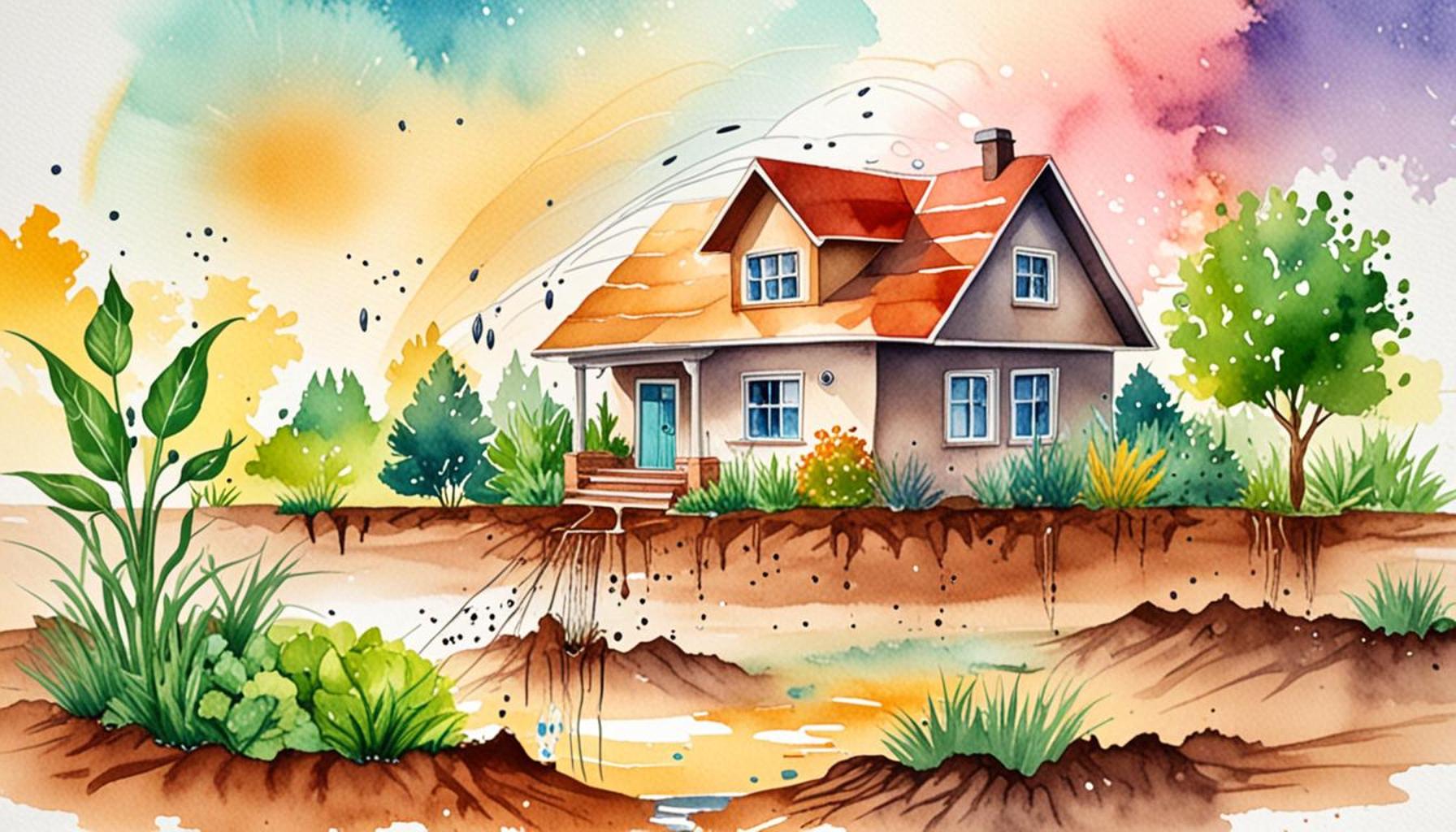
In an age where every drop of water counts, the advent of smart irrigation presents a revolutionary opportunity to cater to our gardening needs effectively. This method utilizes cutting-edge technology to ensure that plants receive the precise amount of water they require, exacerbating the importance of water conservation in the face of climate change and increasing droughts across parts of the United States.
Traditional irrigation methods can often lead to significant water waste, with approximately 50% of landscape water usage deemed unnecessary due to inefficiencies. Smart irrigation tackles this challenge head-on by employing systems that cater to specific environmental and soil conditions, making gardening not just easier, but far more sustainable.
Benefits of Smart Irrigation
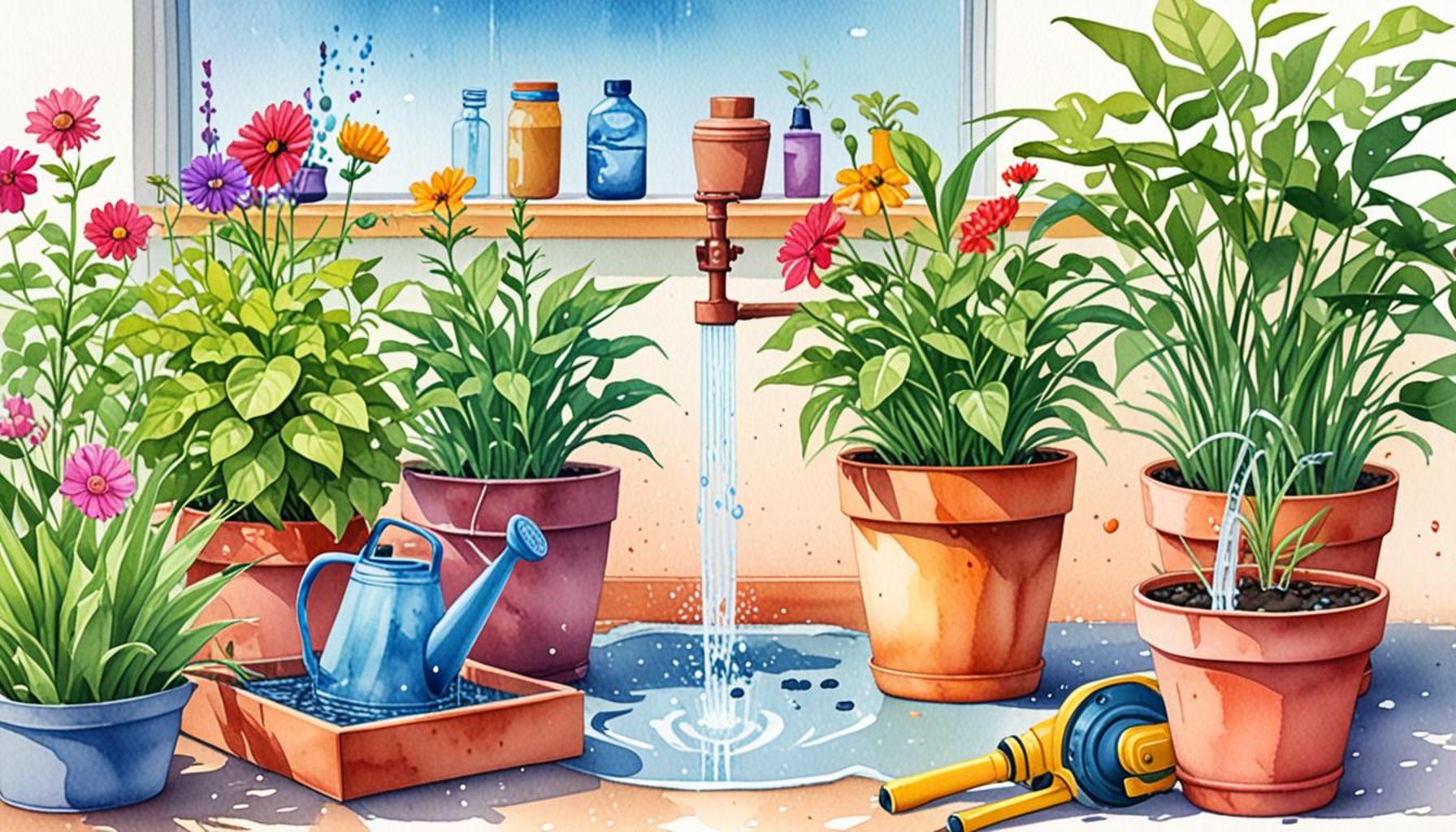
The shift to smart irrigation holds numerous advantages, appealing not only to home gardeners but also to farmers and landscapers. These benefits include:
- Water Efficiency: Smart irrigation systems utilize sensors that monitor soil moisture levels, delivering water only when needed. For instance, a system equipped with soil moisture sensors can determine if the ground is sufficiently damp, adjusting water output accordingly, thus minimizing overwatering.
- Cost Savings: The cost-effectiveness of smart irrigation is notable, with reports suggesting that homeowners can save up to 30-50% on water bills after installing such systems. By efficiently managing resources, financial benefits naturally follow.
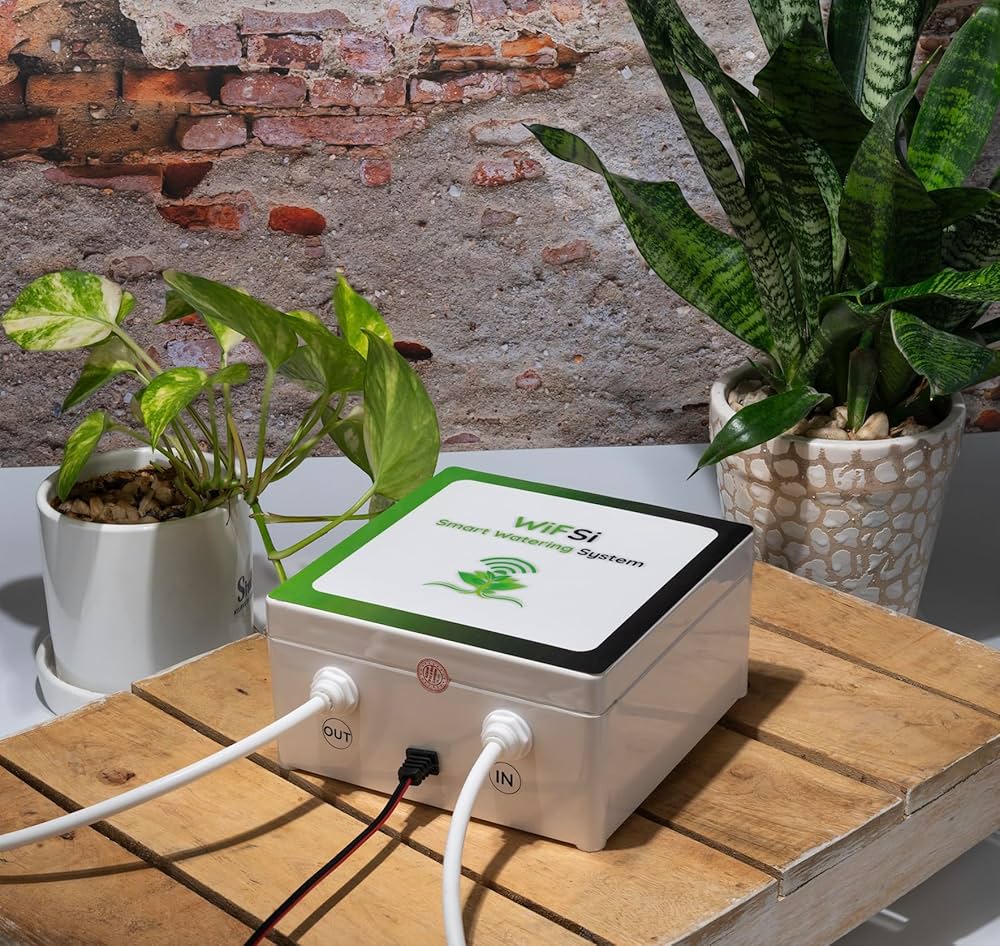
- Automation: Scheduling watering times and durations can be performed through smartphone apps, allowing gardeners to manage their landscapes remotely. For example, if rain is predicted, the system can automatically delay watering schedules, providing convenience and peace of mind.
Tools and Technologies Employed
A variety of tools and techniques form the backbone of effective smart irrigation. Below are a few popular examples:
- Soil Moisture Sensors: These devices are essential in capturing the amount of moisture in the soil, providing feedback to the irrigation system. By knowing the real-time moisture levels, gardeners can ensure plants are watered only when necessary. For example, a vineyard using soil sensors can avoid under or over-watering, thus enhancing grape quality.
- Drip Irrigation Systems: This technique ensures that water seeps slowly to the roots of the plants, significantly reducing evaporation and runoff. It’s widely favored in agricultural practices, producing higher yields while conserving water compared to traditional spray systems.
- Smart Sprinkler Controllers: With the aid of weather data and historical landscaping information, these controllers adapt watering schedules according to climatic conditions. For example, systems can prevent watering on rainy days, leveraging predictive analytics to optimize water usage.
In essence, by adopting smart irrigation practices, individuals aren’t merely contributing to their gardens’ vitality; they are participating in a broader movement aimed at sustainability and responsible resource management. As the call for environmental stewardship intensifies, integrating technology into gardening signifies an innovative step forward, enhancing both plant health and ecological integrity.
DISCOVER MORE: Click here to learn about sustainable irrigation
Exploring Smart Irrigation Technologies
The world of gardening and agriculture is evolving rapidly, thanks in large part to the advent of smart irrigation technologies. These innovative solutions have been designed to address the growing need for sustainable water management, particularly in a climate-conscious society where water conservation is crucial. As more individuals and businesses seek to adopt smart irrigation practices, understanding these technologies becomes essential for optimizing plant care and maintaining environmental balance.
- Automated Irrigation Systems: At the heart of smart irrigation lie automated systems that facilitate precise control over watering schedules and quantities. Utilizing sophisticated algorithms, these systems analyze a range of factors, including weather forecasts and soil moisture levels. For example, an automated system might water your garden early in the morning to optimize moisture retention, while skipping watering altogether if storms are expected. This kind of adaptability not only conserves water but also supports plants’ natural growth cycles, promoting healthier gardens and crops.
- Weather Sensors: Weather sensors are another pivotal element in the realm of smart irrigation. These devices collect localized meteorological data—such as precipitation levels, temperature, and wind speed. By employing real-time information, irrigation systems can dynamically adjust their operations. For instance, a weather sensor may detect increased humidity and adjust the irrigation volume accordingly. This feature is particularly valuable in regions like the Southwestern United States, where droughts are common, making water conservation not just a necessity, but a shared responsibility.
- Mobile Applications: In a digitally connected society, mobile applications have emerged as an essential tool for modern gardeners. Many advanced smart irrigation systems come equipped with user-friendly applications that allow gardeners and landscapers to monitor their systems remotely. By utilizing a smartphone, users can check soil moisture levels, adjust irrigation settings, and receive alerts about system performance. This level of control not only provides convenience but also enables individuals to respond promptly to changing conditions, ensuring optimal plant health without constant manual observation.
- Rainwater Harvesting Systems: Another exciting development in smart irrigation is the integration of rainwater harvesting systems. These systems can capture and store rainwater, making it available for irrigation needs. When combined with smart irrigation technologies, they create an efficient, sustainable cycle of resource use. For instance, in areas prone to summer storms, homeowners can design systems that funnel excess rainwater into storage tanks. This approach not only lowers water bills but also decreases dependence on municipal water sources, empowering individuals to manage their resources responsibly.
Adopting smart irrigation tools indicates more than just technological advancement; it signifies a commitment to sustainable gardening practices. As the number of individuals embracing these practices grows, the positive impacts on water conservation, reduction in utility bills, and enhancement of plant health become increasingly noticeable. The journey of adopting efficient irrigation has only begun, and as innovations continue to unfold, individuals are encouraged to explore what is available. A greener future awaits those who harness the power of technology to transform traditional gardening and agricultural methods.
| Advantage | Description |
|---|---|
| Water Conservation | Smart irrigation systems minimize water usage by delivering the precise amount of moisture needed, reducing waste. |
| Increased Efficiency | Utilizing sensors and data analytics, these systems ensure optimal watering schedules, enhancing overall plant health. |
| Remote Monitoring | Many smart irrigation tools offer mobile app connectivity, allowing users to monitor and control their systems from anywhere. |
| Environmental Benefits | By providing targeted irrigation, these systems contribute to sustainable gardening and conservation efforts. |
The advantages of smart irrigation extend far beyond mere convenience; they promise substantial impacts on efficiency, conservation, and the health of your plants. Utilizing advanced technology such as soil moisture sensors, these systems empower gardeners to maintain a lush landscape while significantly reducing water consumption. With the ability to analyze weather patterns and adjust watering schedules accordingly, users can expect healthier and more vibrant plants. Explore the evolving world of smart irrigation, where innovation meets environmental stewardship, ensuring that your gardening endeavors flourish sustainably.
DISCOVER MORE: Click here for easy plant choices
Innovative Practices to Enhance Smart Irrigation
As the integration of technology and gardening advances, several innovative practices are emerging that elevate the concept of smart irrigation beyond just automated systems and sensors. These practices not only emphasize efficiency but also encourage environmentally friendly methods of plant care, setting the stage for a new era of horticulture and agriculture.
- Drip Irrigation: A favored method among gardeners and farmers, drip irrigation allows water to be delivered directly to the root zone of plants through a system of tubes and emitters. This practice minimizes water wastage by reducing evaporation and runoff. Coupled with smart controllers that monitor weather conditions, drip irrigation systems can further optimize water usage by adjusting flow rates and schedules based on real-time data. Studies have shown that drip irrigation can reduce water consumption by up to 50% compared to traditional sprinkler systems, making it a sustainable choice for both residential and commercial gardens.
- Soil Moisture Sensors: Going a step further than basic automated systems, advanced soil moisture sensors provide critical information on the actual water needs of plants. These sensors can be buried in the soil, continuously monitoring moisture levels and providing data to irrigators. By preventing overwatering, these devices enhance plant growth while preserving water resources. In fact, research indicates that utilizing soil moisture sensors can improve crop yields while significantly lowering water usage—ideal for farmers in arid regions seeking sustainable practices.
- Geographic Information Systems (GIS): GIS technology is paving the way for smarter irrigation strategies, particularly in large agricultural settings. By mapping and analyzing spatial data, farmers can identify optimal irrigation zones within their fields. This technology allows for targeted irrigation, where only the sections of land that require water receive it. For instance, a GIS analysis may reveal that certain parts of a farm retain more water due to natural topography, enabling a customized irrigation plan that conserves water and maximizes crop efficiency.
- Smart Controllers with Machine Learning: The future of smart irrigation is being shaped by machine learning algorithms that analyze vast amounts of data to optimize irrigation management. These smart controllers learn from environmental conditions and plant requirements, adjusting irrigation schedules accordingly. For example, they can anticipate seasonal weather patterns and establish a watering plan that meets the anticipated demand. As these technologies evolve, they hold the potential to revolutionize irrigation practices by drastically reducing water usage while improving plant health.
- Community-Based Initiatives: On a broader scale, communities across the United States are launching initiatives that promote smart irrigation practices collectively. For instance, towns may collaborate to install shared weather stations and moisture sensors that benefit all residents. Such programs foster community engagement while optimizing water usage on a larger scale. Citizen participation not only enhances awareness around conservation but also contributes to a sustained effort to protect local water resources.
The landscape of smart irrigation is constantly shifting as new technologies and practices evolve. By exploring innovative tools and methods, individuals and communities can embrace sustainable gardening and agriculture now and for generations to come. Understanding the possibilities of integrating these technologies fosters a greater commitment to eco-friendly methods and empowers gardeners and farmers alike to make informed decisions that support both their plants’ health and environmental preservation.
DON’T MISS: Click here for essential gardening tips
Conclusion
In summary, the evolution of smart irrigation presents a transformative opportunity for gardeners and farmers alike to enhance plant care while addressing critical issues of water conservation and sustainability. With a plethora of innovative tools such as drip irrigation, soil moisture sensors, and cutting-edge smart controllers using machine learning, water management has never been more precise. These technologies not only optimize water usage but also improve plant health, leading to increased yields and reduced environmental impact.
Moreover, the implementation of Geographic Information Systems (GIS) enables targeted irrigation strategies, ensuring that each area of farmland receives exactly what it needs. Parallelly, community-based initiatives are fostering collaboration within neighborhoods, amplifying the benefits of shared technology and nurturing a collective responsibility towards water conservation. These collaborative efforts resonate deeply, as they encourage local stewardship in preserving precious water resources for future generations.
As we delve deeper into the realm of smart irrigation, it becomes evident that integrating these advanced methods is not merely beneficial—it’s essential. Embracing this technology allows for a proactive approach to plant care, one that aligns with ecological considerations and advances the agricultural practice significantly. For anyone seeking to explore sustainable methods in plant cultivation, the journey into smart irrigation is just the beginning, inviting further investigation into its vast potential and real-world applications.