Pollinator-Friendly Plants: Selecting Species that Attract Bees and Butterflies to Your Garden
Attracting Nature’s Helpers
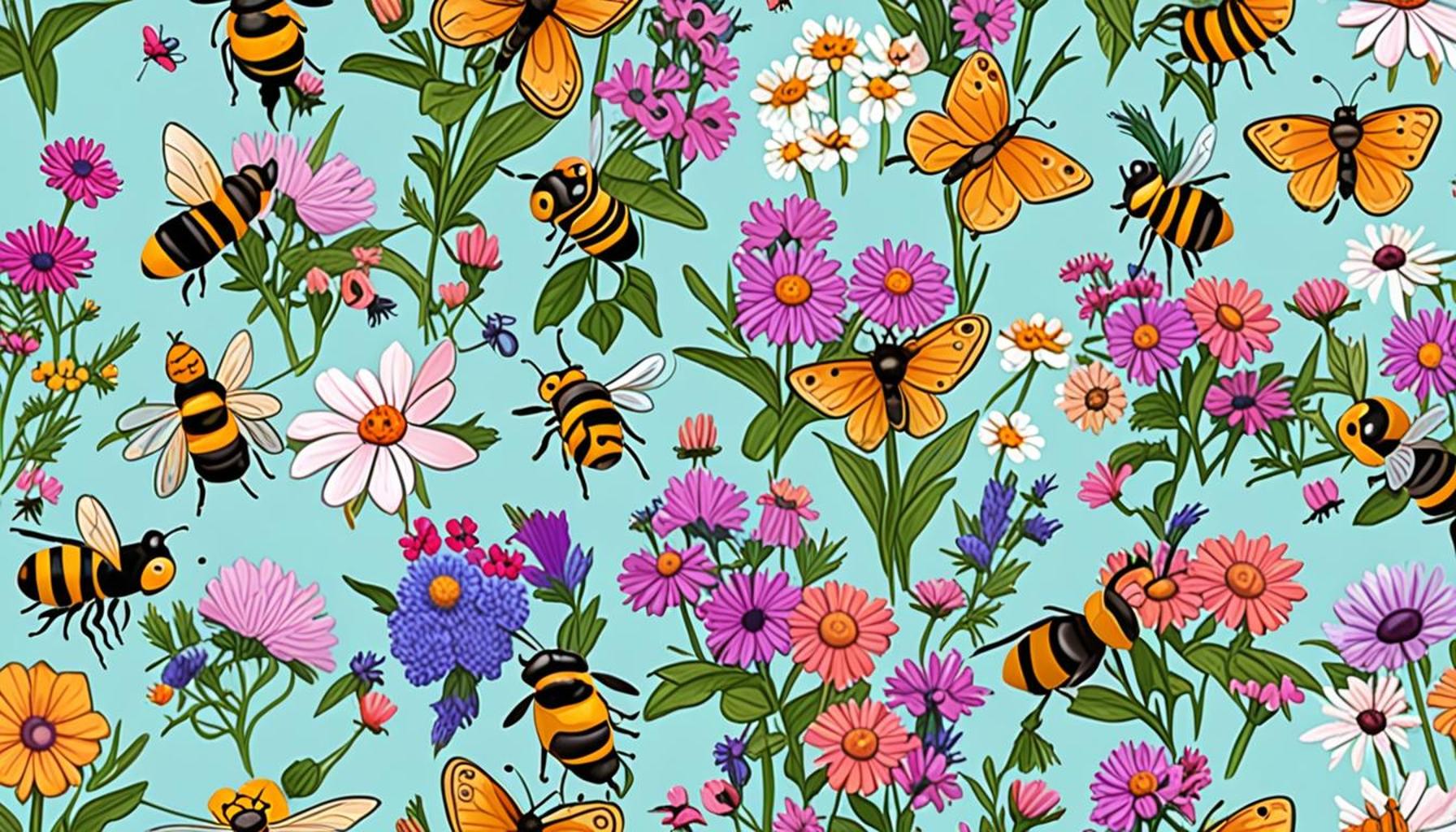
Creating a thriving garden goes beyond aesthetics; it involves fostering an ecosystem that supports vital species. Pollinators, including bees and butterflies, play a critical role in maintaining biodiversity and enhancing the beauty of your outdoor space. By carefully selecting pollinator-friendly plants, you can turn your garden into a haven for these invaluable creatures.
Why Choose Pollinator-Friendly Plants?
Adding native and pollinator-friendly species to your garden offers numerous benefits that extend far beyond mere visual appeal. One significant advantage is the enhanced biodiversity in your local environment. Diverse plant life attracts various species of insects and birds, each playing its part in sustaining the natural balance. For instance, research has shown that gardens with a mix of flowering plants can support three times more pollinator species than those with only a few blooms.
Another compelling reason to plant for pollinators is increased crop yields. In home gardens, the presence of pollinators leads to better fruit set in tomatoes, cucumbers, and berries. This relationship becomes even more critical in larger agricultural contexts, where the productivity of crops like almonds, apples, and avocados hinges largely on the presence of bees. A study conducted by the USDA revealed that without these industrious pollinators, the global yields of many foods could decline dramatically, leading to food scarcity.
The aesthetic appeal of a pollinator-friendly garden cannot be overstated. By selecting plants that bloom in an array of colors throughout the growing season, you can create a stunning garden that evolves visually. Imagine bright sunflowers standing tall in the summer heat, while clusters of purple asters welcome the crisp fall days. This vibrant tapestry not only captivates the eye but also enchants the senses with the rich fragrances of blooming flowers.
Choosing the right plants is essential for attracting these important pollinators. Here are some key factors to consider that will help you create a more inviting habitat:
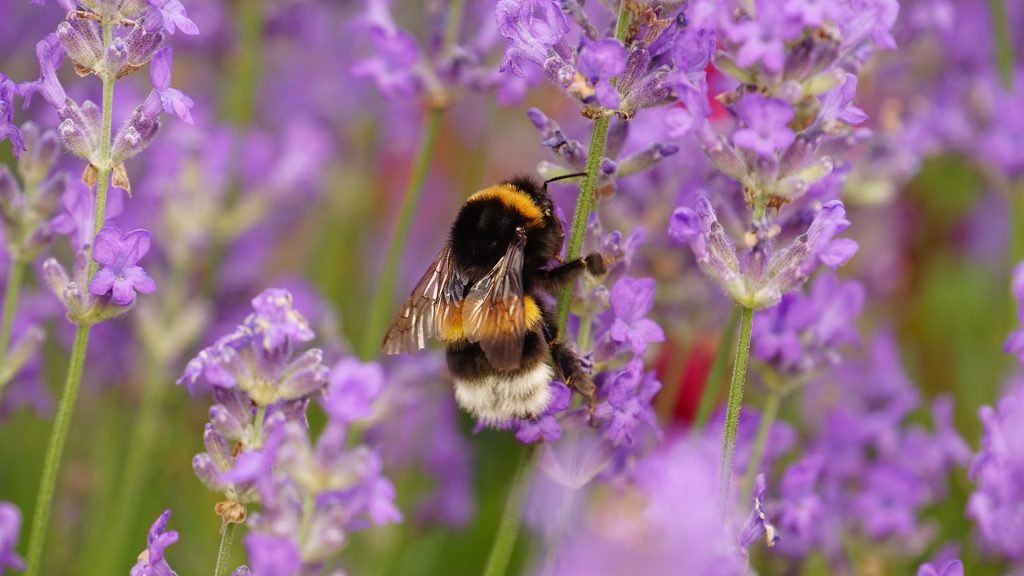
- Color: Bright, vibrant flowers are particularly appealing to bees and butterflies. Shades of blue, purple, yellow, and white are often more attractive to these insects, making them essential choices for your garden.
- Bloom Time: It’s wise to select a variety of plants that flower at different times of the year. This ensures a consistent food source throughout the growing season, supporting both early spring and late autumn pollinators.
- Nectar and Pollen: Look for species known for producing ample amounts of these essential resources. Plants like coneflowers and bee balm are not only beautiful but also highly attractive for pollinators due to their rich nectar supply.
In the sections that follow, we’ll delve into specific plant species that not only enhance your garden’s beauty but also invite crucial pollinators to thrive. Get ready to dig in and discover how you can contribute to the health of our planet by nurturing the garden ecosystem!
DISCOVER MORE: Click here to learn about the benefits of biochar
Understanding the Needs of Pollinators
To successfully attract bees and butterflies to your garden, it’s essential to understand the distinct needs and preferences of these pollinators. Each species has unique characteristics that influence their behavior, and knowing what these creatures require can guide your selection of pollinator-friendly plants. For example, many bee species are attracted to flowers with an open structure that allows easy access to nectar, while butterflies favor flat-topped blooms that provide perching spots and abundant flowers.
Key Characteristics of Pollinator-Attracting Plants
When selecting plants for your garden, consider the following characteristics that not only appeal to pollinators but also promote a healthy and vibrant garden:
- Flower Structure: Opt for plants with varied flower shapes. Tubular flowers, such as trumpet vine, attract hummingbirds and certain bee species, while flat flowers like daisies and asters are more inviting to butterflies and many other pollinators.
- Color and Scent: Pollinators are particularly drawn to bright colors, especially blue, purple, and yellow. Scent is another crucial factor; fragrant flowers, like lavender and oregano, can entice more pollinators, encouraging them to linger and perform their vital role.
- Diversity of Species: Incorporating a range of plants not only enhances visual appeal but also creates varied habitats for different pollinator species. Research shows that gardens with a diverse array of flowering plants can attract a broader spectrum of pollinators, increasing overall garden resilience.
Moreover, some plants have evolved specific relationships with pollinators, further enhancing their attractiveness. For instance, monarch butterflies exclusively rely on milkweed plants for their larvae’s development. Planting milkweed not only aids in butterfly reproduction but also promotes the well-being of the entire ecosystem.
It’s important to also consider the local climate and soil conditions when selecting pollinator-friendly species. Native plants are geographically adapted and best suited to survive and thrive in your region. They often require less water, fertilizers, and pesticides compared to non-native species, promoting a sustainable gardening approach. For example, planting native wildflowers like black-eyed Susans or purple coneflowers not only supports local pollinators but also reduces the overall maintenance of your garden.
As you embark on your journey to create a sanctuary for bees and butterflies, remember that every small effort counts. By choosing plants that cater to the specific needs of these crucial pollinators, you contribute to the global movement toward environmental sustainability. In the sections to come, we’ll explore specific plant species, detailing their benefits and how they can fit into various garden designs. Get ready to transform your space into a thriving ecosystem that nurtures both beauty and biodiversity!
Choosing the Right Plant Species
In the journey to create a vibrant, pollinator-friendly garden, selecting the appropriate plant species is crucial. A well-informed choice will not only enhance the beauty of your outdoor space but will also significantly contribute to local ecosystems. Here are some key factors and recommendations to consider when choosing plants:
Native Plants vs. Exotic Species
Native plants are particularly effective at attracting local pollinators like bees and butterflies. These species have evolved alongside local wildlife and provide the specific food sources and habitats that native pollinators rely on. For instance, plants such as coneflowers, milkweed, and black-eyed Susans offer abundant nectar and pollen, making them favorites among pollinators.Conversely, while some exotic species may attract pollinators, they often lack nutritional value for them and may compete with native flora. Hence, it’s generally advisable to focus on incorporating a diverse range of native plants that thrive in your specific climate and soil conditions.
Leveraging Plant Diversity
Diversity is another critical factor in designing a pollinator garden. By incorporating a mix of plant species with varying bloom times, you ensure a continuous food source for pollinators throughout the growing season. This approach attracts a variety of pollinators, including bees, butterflies, and hummingbirds. Consider including plants that flower in spring, like crocus, summer bloomers like lavender, and fall stars, such as asters, to create a sanctuary that supports pollinator populations year-round.
Color and Shape Matter
When selecting plants, keep in mind that pollinators are often attracted to specific colors and shapes. For example, bees are drawn to blue and yellow flowers while butterflies are attracted to red and purple varieties. Moreover, flowers with flat, open shapes tend to be more accessible to pollinators than tubular varieties. By incorporating a mix of colors and textures, you can create a visually stunning garden that is also pollinator-friendly.
Creating a Sustainable Environment
Maintaining a pollinator-friendly garden also involves creating a sustainable environment. Avoid using pesticides or herbicides that can be harmful to pollinators. Instead, embrace natural methods of pest management, such as encouraging beneficial insects and providing habitats for them. Consider incorporating features like a small water source to hydrate pollinators and creating sheltered areas with rocks or logs for resting. The more intentional you are about fostering a welcoming environment, the more you will attract and sustain vital pollinator populations in your garden.By thoughtfully choosing plants and considering the needs of local pollinators, you can cultivate a garden that not only supports biodiversity but also serves as a beautiful and flourishing habitat. Throughout this process, remember that every small effort contributes to the larger goal of ecological health, making your garden a haven for both you and the local wildlife.
| Advantages | Description |
|---|---|
| Support Local Ecosystems | Natively adapted plants encourage biodiversity by attracting regional pollinators. |
| Year-round Interest | Choosing various species with staggered bloom times creates a continuously vibrant garden. |
DISCOVER MORE: Click here to learn about maximizing your garden space
Creating a Pollinator-Friendly Habitat
Choosing the right pollinator-friendly plants is just one piece of the puzzle when it comes to creating a successful garden. Establishing a habitat that supports bees, butterflies, and other vital pollinators requires a multifaceted approach that promotes biodiversity and environmental balance. Implementing the following strategies will help you cultivate a space that is not only inviting to pollinators but also flourishing with vibrant life.
Utilizing Seasonal Bloom Cycles
To ensure a consistent food source for pollinators throughout the growing season, it’s crucial to select plants that bloom at different times. Early blooming species like crocus and snowdrop provide essential nectar for bees emerging from winter dormancy. Mid-season plants such as bee balm and black-eyed Susans keep the pollinator population thriving, while late bloomers like asters and goldenrod can sustain these creatures as they prepare for winter. This staggered approach not only offers continuous sustenance but also attracts various types of pollinators at different life stages.
Habitat Features and Nesting Sites
A pollinator-friendly garden goes beyond just providing food; it must also offer shelter and nesting sites for bees and butterflies. Many solitary bee species, for instance, prefer to nest in undisturbed ground or in hollow stems. Therefore, preserving areas of bare soil and providing natural materials like twigs or rocks can enhance habitat suitability. Consider adding a bee hotel, constructed from wood blocks with drilled holes, which can serve as nesting sites for solitary bees. For butterflies, planting shrubs and leaving spots of decaying wood can create excellent resting and roosting locations, allowing them to thrive.
Water Sources: An Essential Element
Water is a vital element for all living beings, including pollinators. Incorporating a small water feature, such as a birdbath or shallow dish filled with stones and water, can greatly benefit your garden’s ecosystem. Ensure that the water is clean and shallow; this allows easy access for pollinators to hydrate without the risk of drowning. Adding aquatic plants along the edges can also foster an environment where various insect species can thrive.
Avoiding Pesticides for a Healthier Garden
One of the most detrimental practices for pollinator populations is the use of chemical pesticides. These substances can have harmful effects on non-target insects, significantly impacting their populations. Instead, use organic pest control methods such as natural predators or homemade insecticidal soaps. Furthermore, creating a holistic approach to garden management encourages healthier plants that are resilient to pests. This not only protects pollinators but fosters a thriving ecosystem that is more capable of self-regulation.
By focusing on these vital components, your garden can become a sanctuary for a diverse range of pollinators. Remember that every action contributes to this crucial ecosystem. As we delve deeper into specific plant species and profiles tailored for your region, consider how incorporating these additional strategies can promote a robust and sustainable pollinator-friendly garden.
DISCOVER MORE: Click here to learn how plant diversity can protect your garden
Conclusion
Incorporating pollinator-friendly plants into your garden is a rewarding endeavor that transcends mere aesthetics; it plays a crucial role in fostering biodiversity and supporting the health of our ecosystem. By selecting a diverse array of flowering species that bloom throughout the seasons, you create a continuous source of nectar and pollen, ensuring that your garden is a reliable haven for bees, butterflies, and other pollinators.
However, a thriving pollinator habitat extends beyond plant selection. It involves integrating habitat features like nesting sites and water sources, while also adopting practices that promote a safe environment free from harmful chemicals. These small yet impactful steps can enhance your garden’s ecosystem, cultivating a vibrant and dynamic outdoor space. Collective efforts toward sustainable gardening not only benefit local wildlife but also offer opportunities for education and connection with nature.
As we continue to face ecological challenges, engaging in pollinator-friendly gardening presents a unique chance for everyone to contribute positively to the environment. Consider exploring native plant species in your area and how to tailor your garden to meet the needs of local pollinators. With each choice we make, we can help restore populations of these essential creatures, ensuring they thrive for generations to come. Together, through informed selection and responsible gardening practices, we can transform our backyards into flourishing sanctuaries for nature.