Irrigation Strategies for Succulent Plants: Maintaining Ideal Moisture without Excess
Understanding Your Succulent’s Water Needs
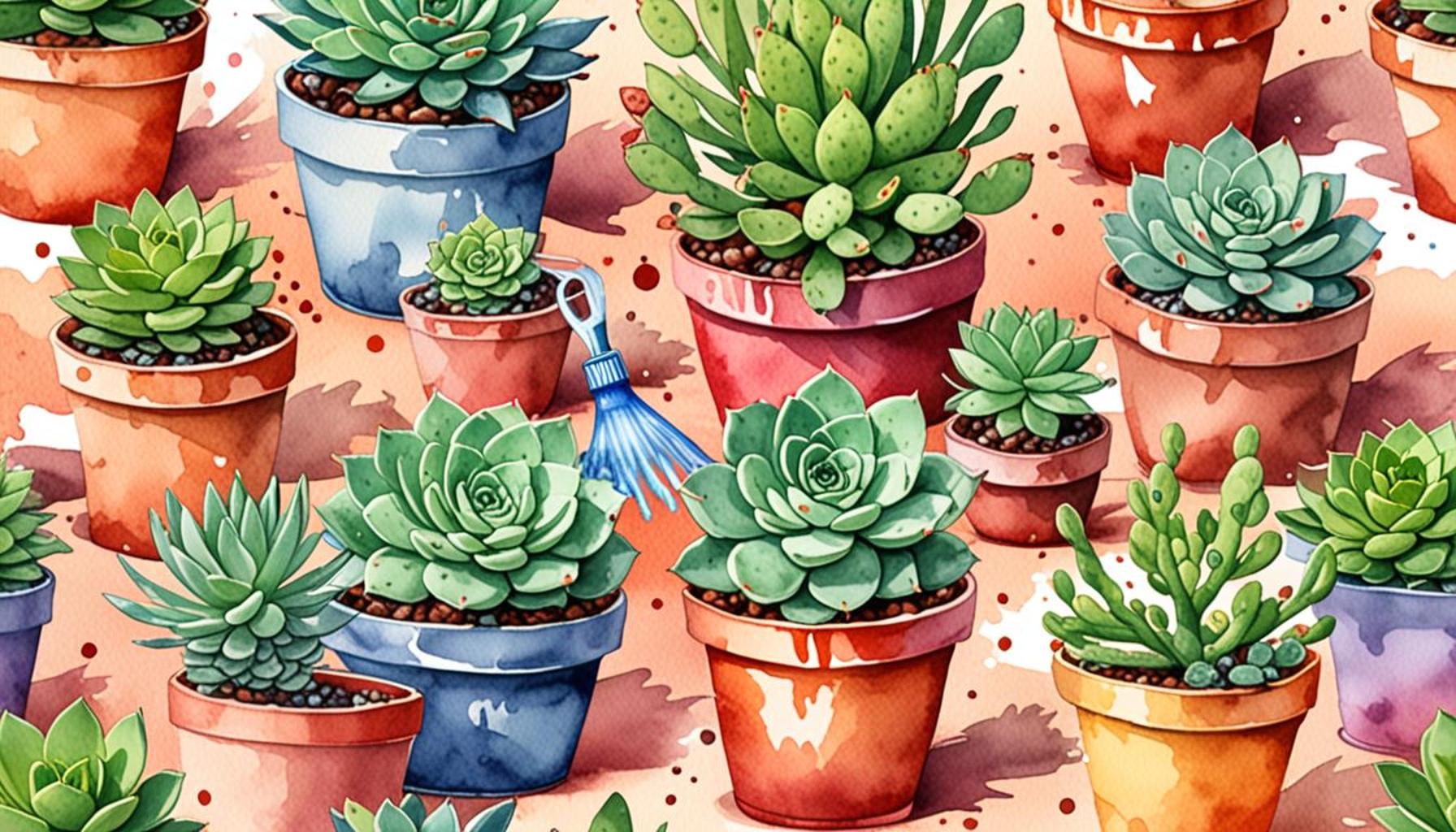
Succulent plants, renowned for their stunning shapes and vibrant colors, have surged in popularity among gardening enthusiasts across the United States. Their unique adaptations to arid climates make them particularly appealing for both novice and seasoned gardeners. However, while succulents are often considered low-maintenance, their specific moisture requirements can pose a significant challenge. The key to thriving succulents lies in adopting the right irrigation strategies that maintain ideal moisture levels without excess.
The Importance of Soil Type
Understanding how to successfully manage water for succulents is essential for any gardener. One of the most important factors is soil type. Succulents thrive in well-draining soil designed to prevent root rot, a common ailment caused by excess moisture. A mixture of potting soil, sand, and perlite or pumice can improve drainage and provide the ideal growing medium. Gardeners in particularly humid areas may benefit from commercial cactus mixes available at local nurseries, ensuring optimal growing conditions.
Watering Frequency and Timing
Another critical consideration is water frequency. Succulents typically experience a growth spurt during the warmer months (spring and summer), which necessitates more frequent watering. Conversely, as daylight shortens and temperatures drop in fall and winter, watering should be reduced significantly. A good rule of thumb is to let the soil dry out completely between watering sessions. Observing the leaves can also provide clues; plump, firm leaves indicate hydration, while shriveled leaves suggest the plant needs water.
Environmental Influences
Environmental factors such as temperature, humidity, and sunlight play a crucial role in determining a succulent’s water needs. For instance, in areas with intense summer heat, such as parts of California or Arizona, gardeners may need to adjust their watering schedules to accommodate for increased evaporation rates. Conversely, in cooler regions with high humidity levels, succulents may require less frequent watering. Understanding these dynamics will help you better cater to your plants’ needs.
Exploring Irrigation Techniques
To cultivate lush, healthy succulents, one must delve into various irrigation techniques. Employing these methods can enhance plant health and longevity:
- Deep Watering: This technique involves thoroughly saturating the soil, which encourages strong root systems as roots seek moisture deep within the ground.
- Drip Irrigation: Ideal for larger planters, drip irrigation systems provide consistent moisture without creating soggy conditions, making them perfect for busy gardeners.
- Humidity Control: Maintaining balanced humidity levels is crucial, particularly in arid environments. Techniques such as grouping plants together or using pebble trays with water can help stabilize moisture levels around your plants.
As you navigate the intricate world of succulent care, mastering irrigation strategies will empower you to create a flourishing collection. Effective moisture management is not merely about avoiding overwatering; it’s about developing an understanding of your plants’ unique preferences and environmental conditions. By incorporating these practices, you are not only fostering healthier succulents but also enhancing your overall gardening experience. Explore, experiment, and watch your succulent collection thrive like never before!
DISCOVER MORE: Click here for essential tips
Essential Irrigation Techniques for Optimal Succulent Care
When it comes to cultivating healthy and vibrant succulent plants, mastering effective irrigation techniques is paramount. The right approach to watering can differentiate between a flourishing collection and a struggling one. In this section, we will explore various irrigation methods that help maintain the ideal moisture levels while avoiding the pitfalls of overwatering, which can lead to root rot and other issues.
Implementing Watering Solutions
One of the most effective ways to manage moisture for succulents is to tailor your watering solutions to the specific needs of your plants. Different species of succulents exhibit unique traits and hydration preferences, making it essential to understand their requirements. Here are some popular irrigation techniques to consider:
- Soil Moisture Monitoring: Investing in a soil moisture meter can provide insights into when your succulents need watering. These simple devices measure the moisture content in the soil, allowing you to water with precision and confidence.
- Bottom Watering: This technique involves placing your potted succulents in a tray of water for about 30 minutes. The roots absorb the moisture from the bottom up, promoting deeper root growth and reducing the risk of over-saturation on the soil surface.
- Self-Watering Pots: For busy gardeners, self-watering pots are an innovative solution that provides a consistent moisture level. These pots have a reservoir at the bottom, allowing the plant to draw water as needed, ensuring it never remains too dry or too wet.
Creating a Watering Schedule
A well-structured watering schedule can significantly enhance the health of your succulents. Setting up regular intervals based on environmental conditions allows for optimal hydration. Factors such as seasonal changes, local climate, and the individual needs of your plants determine how often you should water. A common guideline is to water succulents every week during their active growth period in spring and summer, while frequency should be reduced to every three weeks or even monthly during dormancy in the fall and winter.
Utilizing Evaporation Principles
Understanding evaporation is vital for managing moisture levels in your succulent garden. Factors such as sunlight exposure and air circulation play a significant role in how quickly moisture evaporates. For example, succulents placed in direct sunlight may require more frequent watering, as the heat accelerates evaporation. Conversely, sheltering plants in shaded areas can extend the time between watering. Recognizing these climatic influences allows gardeners to adjust their irrigation strategies accordingly, fostering a more sustainable and thriving plant environment.
By incorporating these innovative irrigation strategies into your succulent care routine, you can effectively maintain the balance of moisture that these resilient plants require. Armed with the right techniques and knowledge, your succulents are sure to grow in health and beauty, ultimately enhancing your gardening journey.
| Advantage | Description |
|---|---|
| Efficient Water Use | Utilizing drip irrigation allows for targeted water delivery, minimizing waste and promoting healthy growth. |
| Soil Moisture Control | Incorporating moisture-retaining soils ensures that succulent plants receive the right amount of hydration without becoming waterlogged. |
| Customization of Watering Schedule | Adjusting watering frequency based on seasonal changes enhances plant health and sustains optimal moisture levels. |
Maintaining the right moisture for succulent plants is crucial, as overwatering can lead to severe issues such as root rot. By embracing these irrigation strategies, gardeners can tailor their approaches, ensuring that each plant thrives under its unique conditions. The use of smart irrigation systems and moisture sensors not only brings convenience but also allows for real-time data collection to better inform watering decisions, showcasing the synergy of technology and nature in contemporary gardening.
DIVE DEEPER: Click here to uncover essential gardening tips
Advanced Techniques for Sustaining Moisture Levels
Beyond the foundational irrigation methods, there are advanced techniques and insights that can empower succulent enthusiasts to optimize their watering practices. These methods can transform your approach to succulent care, enabling you to harness the natural environment and create ideal conditions for growth.
Atmospheric Humidity Management
It is often overlooked, but the humidity level of the air surrounding your succulents can significantly impact their moisture requirements. Succulents generally thrive in areas with low humidity, which mimics their natural arid habitats. However, during more humid periods or seasons, it is crucial to adjust your watering practices. For instance, if you live in a region where humidity is consistently high, you may find that the frequency of watering decreases. Monitoring local weather patterns and adapting your strategy accordingly can help maintain healthy plants.
Utilizing the Right Soil Mix
The composition of your soil plays a pivotal role in moisture retention. Succulents require a well-draining medium to prevent root rot. Combining traditional potting soil with components such as perlite, sand, and cactus mix can create a suitable environment that retains just the right amount of moisture without becoming soggy. A common recommendation is to maintain a soil mix consisting of 50% potting soil and 50% coarse materials like pumice or gravel, which enhances drainage and prevents water accumulation.
Employing Mulching Techniques
Applying a layer of mulch can be an excellent strategy to manage moisture levels effectively. Using materials such as gravel or decorative stones helps protect the soil surface from evaporation, keeping it moist longer. Mulching serves as a thermal barrier, reducing temperature fluctuations and preventing excessive water loss due to sun exposure. Additionally, it discourages weed growth, which can compete with your succulents for moisture and nutrients.
Seasonal Water Adjustments
Understanding how seasonal changes affect your succulents is fundamental to tailoring your irrigation practices. During the fall and winter months, when many succulents enter dormancy, they require significantly less water. A key indicator to watch for is the plant’s appearance: if you notice the leaves begin to wrinkle or shrivel, it’s an indication that your plants are in need of hydration. Meanwhile, in the vibrant spring and summer, regular monitoring becomes more critical as your succulents grow and may demand increased moisture. Keeping a detailed watering log can be beneficial, noting changes in climate and individual plant responses.
Hydroponic Systems for Succulent Cultivation
For the more adventurous, exploring hydroponic systems could yield exciting results. Hydroponics involves growing plants in nutrient-rich water instead of soil, providing better control over moisture levels and growth conditions. While unconventional for succulents, some enthusiasts find success in experimenting with these systems, ensuring the nutrients and water are balanced in a manner conducive to succulent preferences. It’s a technique worth exploring for those who wish to push the boundaries of traditional succulent gardening.
Implementing these advanced irrigation strategies will enhance your succulent care and build a more resilient gardening practice. With awareness and adaptability, your succulents can thrive, exhibiting the beauty and vitality they are renowned for. As you delve deeper into the world of succulent cultivation, each strategy provides an opportunity for discovery and mastery in creating a flourishing garden.
DIVE DEEPER: Click here to uncover the secrets of soil microbiology
Conclusion
In the fascinating world of succulent gardening, mastering irrigation strategies is the key to achieving a thriving garden that showcases these plants’ unique beauty and vitality. Understanding that succulents, adapted to arid conditions, prefer well-draining soil and less frequent watering can dramatically influence their growth. By utilizing advanced techniques such as atmospheric humidity management and mulching, gardeners can create an environment that mimics succulents’ natural habitats while minimizing excessive moisture.
Furthermore, recognizing the seasonal changes and adjusting watering habits accordingly is essential for maintaining ideal moisture levels. Keeping a detailed watering log can not only help track the plants’ responses but also assist in fine-tuning your approach based on local climate variations. For the adventurous gardener, exploring hydroponic systems presents an exciting opportunity to push the boundaries of traditional succulent care.
Ultimately, the journey in succulent cultivation is one of observation and adaptation. By combining foundational knowledge with advanced techniques, you can cultivate a resilient garden that flourishes under your care. As you continue to deepen your understanding of irrigation strategies, precious insights await that can transform your gardening practices, leading to stunning visual rewards. So, whether you’re nurturing a few plants on your windowsill or managing a larger outdoor succulent display, embracing these strategies will undoubtedly pave the way for success in your gardening endeavors.