How to Identify When Your Plants Need Water: Signs and Symptoms for Beginners
Understanding Plant Hydration
Just as humans require water to maintain health and vitality, plants depend on adequate hydration for their survival and growth. Unlike us, however, plants cannot verbally express their hydration needs, leaving many novice gardeners uncertain about when to water their green companions. Mastering the art of identifying when plants are thirsty can be critical to their well-being, helping you avoid the detrimental effects of both overwatering and underwatering.
To cultivate a thriving garden, it is vital to understand the specific signs indicating that your plants require water. Below are several key indicators to help you accurately assess their needs:
- Wilting Leaves: One of the most noticeable signs of a thirsty plant is leaves that droop or appear lifeless. When a plant lacks water, it loses turgor pressure, causing its leaves to sag. For example, a drooping fern or a wilting spider plant can serve as a clear cue that your plants need hydration.
- Soil Texture: Touch is a reliable indicator of soil moisture. If the soil feels dry and crumbly, it is a strong indication that your plant is ready for a drink. Conversely, soil that remains soaked or muddy can lead to root rot, highlighting the importance of observing both texture and moisture levels.
- Leaf Color Change: A change in leaf color, especially yellowing leaves, may suggest that the plant is stressed due to a lack of moisture. For instance, if your normally vibrant houseplant begins to show signs of yellowing, it might be craving water.
- Brown Edges: Crispy brown tips are often a tell-tale sign of underwatering. Many gardeners may notice this on their peace lily or snake plant, indicating that immediate action is needed to restore hydration.
- Growth Stagnation: If your plant has stopped growing or is producing fewer leaves, this could also signify that it is not receiving adequate hydration. Plants thrive in optimal conditions, and insufficient water can inhibit their growth progress.
By learning to recognize these signs, you not only enhance your gardening skills but also drastically improve the potential for vibrant and healthy growth within your plant collection. Regularly monitoring soil moisture and observing your plants will lead you to develop a deeper relationship with them. The fascination of watching your plants flourish as you better understand their water needs can be incredibly rewarding, ultimately leading to a more successful and gratifying gardening experience.
DON’T MISS: Click here for expert tips on soil preparation
Recognizing the Signs of Thirst
As a beginner gardener, understanding your plants’ water requirements can feel overwhelming. However, with a keen eye and some basic knowledge, you can learn to decipher their hydration needs effectively. Let’s delve into the particular signs that can help you identify when your plants are feeling parched.
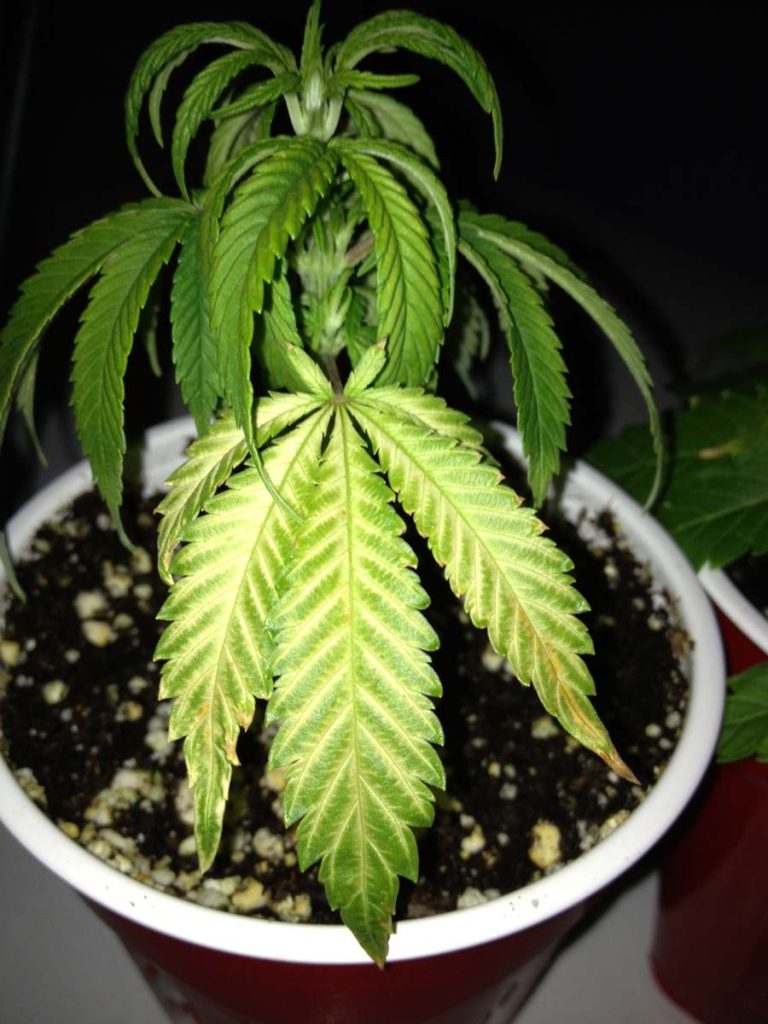
Physical Indicators of Water Deficiency
One of the first things to assess is the visible condition of your plants. Here are some common physical indicators:
- Leaf Wilting: While occasional wilting can be a normal part of a plant’s life cycle, persistent drooping usually suggests a lack of water. If your plants, such as a potted geranium or an indoor jasmine, seem limp or lack their usual perkiness, it’s likely time to water.
- Soil Condition: Hands-on examination of the soil can provide crucial insights into moisture levels. When you stick your finger an inch into the soil and it comes out dry, it’s a clear sign that irrigation is needed. This tactile cue is essential for all types of plants, from succulents to ferns, which may have varying water requirements.
- Discoloration of Leaves: If you notice leaves shifting from healthy green tones to yellow or brown, your plants may be suffering the consequences of inadequate moisture. For instance, if the leaves of your pothos begin to yellow, it could indicate that the roots are not receiving enough water.
- Leaf Texture: Touching the leaves can also reveal hydration levels. Healthy plants typically have firm, fleshy leaves, while thirsty plants often exhibit a dry, brittle texture. This is particularly evident with plants like succulents, where a hardened feel can mean they are overdue for a watering session.
- Premature Leaf Drop: Often, a plant experiencing stress from lack of water may shed its leaves early to conserve moisture. This can be especially true for tropical plants accustomed to humid environments, such as rubber trees or peace lilies.
Behavioral Changes in Plant Growth
Beyond physical indicators, observing changes in growth patterns can also provide valuable insight. If you find that your plants are not producing new leaves, or growth appears to have stagnated altogether, it’s a strong signal that water deficiencies might be at play. For example, if your tomato plant is failing to yield fruit or your basil plants are smaller than expected, lack of proper moisture could be hindering their growth.
In understanding and recognizing these signs, you’re not just preventing the distress of your plants, but also enhancing your gardening skills. Regular attention to these cues will turn watering into an art form, allowing you to create vibrant and thriving green spaces, whether on a windowsill or in a backyard garden.
Understanding Water Requirements of Your Plants
In learning to care for plants, understanding their specific water needs is crucial. Each plant species has its own requirements; however, a general guideline can help beginners identify when their greenery is thirsty. As a baseline, it’s important to recognize that many indoor plants prefer to dry out slightly between waterings, while outdoor plants may require more frequent attention, especially in warmer seasons.
The Importance of Soil Moisture
One of the most effective ways to determine if your plants need water is by checking the soil moisture. Stick your finger about an inch into the soil. If it feels dry, it’s time to water. For larger plants, a moisture meter can be an invaluable tool. These devices can measure the water content deeper within the soil, helping to prevent overwatering, which can lead to root rot.
Visual Signs of Thirsty Plants
In addition to touching the soil, keep an eye out for visual cues. Plants may exhibit drooping leaves, yellowing foliage, or crisp leaf edges as indicators that they require hydration. Furthermore, plants such as succulents may show a wrinkled appearance when they are lacking water.
Environmental Factors
Environmental conditions greatly influence how often plants need to be watered. Temperature, humidity, and light levels play significant roles in a plant’s water consumption. Warmer temperatures and direct sunlight can cause soil to dry out more quickly, necessitating more frequent checks. Conversely, during cooler months, many plants enter dormancy and require less water.
Observational Skills are Key
Skilled plant caretakers often cite observation as their best method for understanding plant needs. Regularly monitoring your plants not only helps you learn their specific requirements but also fosters a rewarding connection with your greenery. What works for one variety may not suit another, making it essential to adapt care practices accordingly.By consistently practicing these strategies, you will enhance your capabilities in plant care and promote healthier growth in your indoor or outdoor garden. Keep learning, experimenting, and observing to build your confidence as you embark on your plant care journey.
DIVE DEEPER: Click here to discover more about native plants
Advanced Techniques for Assessing Water Needs
While recognizing physical indicators and behavioral changes in plant growth is essential, augmenting your observational skills with advanced techniques can help you fine-tune your understanding of when to water your plants. Here, we explore some effective methods to ensure your plant friends stay adequately hydrated.
Moisture Meters: Your Trusty Gardening Tool
One of the most straightforward tools for determining soil moisture levels is the moisture meter. These handy devices can be inserted directly into the soil, providing immediate feedback on its hydration status. With simple color-coded indicators—usually in the form of a dial—you can quickly assess whether your plant needs water. For beginners, this tool eliminates guesswork, especially when you’re unsure about your plant’s specific requirements. Consider investing in a moisture meter if you’re cultivating a variety of plants or if you’re new to gardening; it’s a reliable ally in your ongoing exploration of plant care.
The Weight Test: Hefting Your Pots
Another effective strategy is the weight test, particularly useful for potted plants. Over time, you’ll become familiar with the weight of your pots when they are both watered and dry. When you lift the pot, it should feel heavier if the soil is moist and lighter when it’s dry. This technique requires practice but can lead to a more intuitive understanding of your plants’ hydration needs. A light pot often signals that it’s time to give your flora a good drink, especially if you’ve noticed any signs of distress.
Environmental Factors: The Role of Climate
Your local climate significantly impacts your plants’ water needs. For example, if you live in a hot, dry region such as the Southwest, your plants may require watering more frequently than if you’re in a humid environment like Florida. Additionally, seasonal changes play a role; during the summer months, many plants enter a period of active growth and may need more water than in the dormant winter months. Adjust your watering habits based on these environmental factors to keep your plants thriving throughout the year.
Plant-Specific Needs: Research is Key
Different species of plants have distinctly varied water requirements. For example, succulents and cacti thrive in arid conditions and must be watered sparingly, while tropical plants, such as ferns and peace lilies, prefer consistently moist soil. Acquaint yourself with specific hydration needs by researching each plant species you own. Online databases, gardening apps, and local horticultural books can provide invaluable information, ensuring that your watering practices align with your plants’ preferences.
Look for Compensatory Behavior
In some instances, plants develop compensatory behaviors that hint at their water needs. For example, a plant may exhibit elongated stems or “stretching” as it searches for moisture and light. This behavior is particularly evident in plants like spider plants and philodendrons. If you observe such growth patterns, it may be time to adjust your watering schedule. Conversely, overly lush or leggy growth could indicate overwatering, leading you to research drainage methods and adjust your approach accordingly.
By incorporating these advanced techniques into your routine, you’re setting yourself up for success in your gardening journey. Utilizing tools like moisture meters, understanding weight differences, recognizing environmental influences, and being aware of plant-specific needs will elevate your abilities. These strategies empower you to respond effectively to your plants’ hydration cues, promoting healthy growth and flourishing gardens.
DISCOVER MORE: Click here to learn about the best plants for your vertical garden</
Conclusion: Mastering the Art of Watering Your Plants
Understanding when your plants need water is a crucial skill that can transform any gardening experience from novice to expert. Throughout this article, we’ve explored various signs and symptoms that indicate your plants may be thirsty, from wilting leaves and dry soil to more sophisticated methods like moisture meters and weight tests. Armed with this knowledge, you can develop an intuitive sense of hydration needs over time.
Furthermore, being cognizant of environmental factors and acknowledging species-specific watering requirements all contribute to a thriving garden. It’s essential to remember that each plant tells its own story; observing their behaviors can be as telling as measuring soil moisture. Engaging with your plants in this way fosters a deeper connection and respect for the botanical world.
The journey doesn’t end here—consider diving deeper into plant care by utilizing resources such as gardening apps, local horticultural clubs, or even expert consultations. With these tools and insights, you can refine your approach and make informed decisions tailored to each plant’s unique needs. Whether you’re planting a mini herb garden on your kitchen windowsill or nurturing a stunning flower bed in your backyard, honing your ability to identify when your plants need water will invariably lead to a more vibrant and rewarding gardening experience.
In conclusion, take the time to immerse yourself in your gardening routine, experiment with new techniques, and remember: a well-hydrated plant is a happy plant. Happy gardening!